
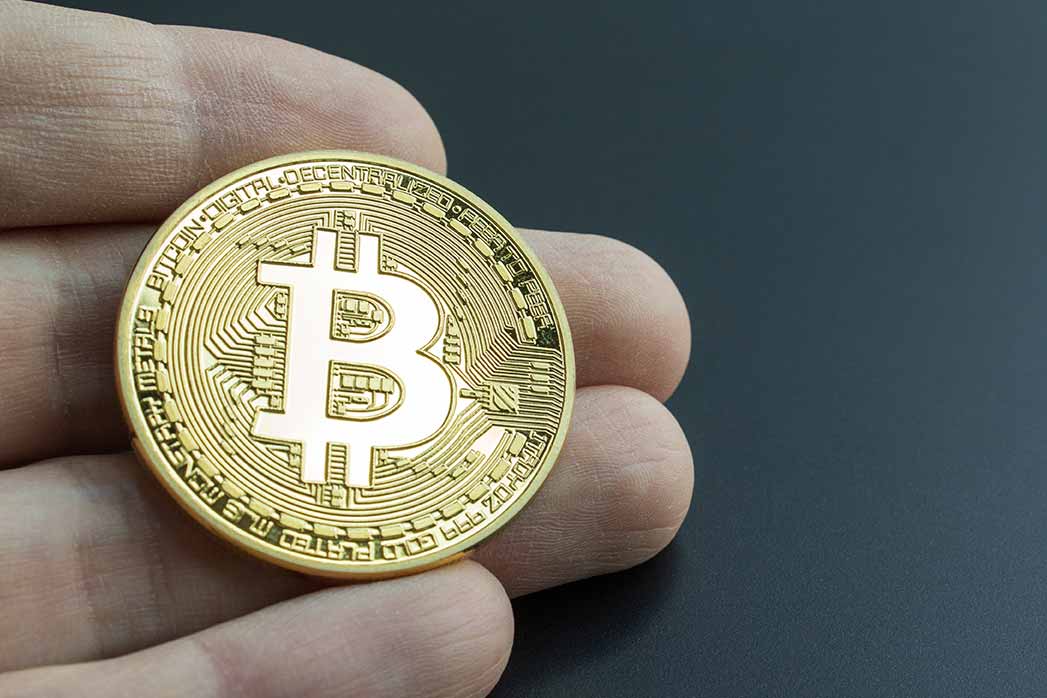
Owning bitcoin investment symbolized by a hand holding a real bitcoin. Buying and investing in BTC crypto-currency.

Why Investors Are Starting to Care More About Ownership Than Price

“In uncertain markets, ownership matters more when investors begin questioning who ultimately controls access to their capital.” DNA Crypto.

The Market Is Beginning to Reassess Ownership

For years, many investors approached digital assets primarily through the lens of price appreciation. The focus was largely centred around market performance, speculation and upside potential as adoption accelerated across global markets.

That focus is beginning to evolve.

Increasingly, investors are paying closer attention not only to what they own but also to how they own it, who controls access to it, and whether that ownership remains secure during periods of uncertainty.

This represents a significant psychological shift within digital finance.

The conversation is slowly moving from price speculation towards ownership structure.

Access and Ownership Are Not the Same Thing

One of the most misunderstood aspects of financial markets is the distinction between exposure and ownership.

An investor may gain exposure to an asset through:

  • – ETFs
  • – Custodial platforms
  • – Broker structures
  • – Third-party financial products

However, exposure does not always provide direct control.

This distinction becomes increasingly important when markets experience stress, liquidity tightens, or counterparties fail.

As explored in Bitcoin ownership vs exposure, investors are beginning to recognise that ownership and accessibility are not always interchangeable concepts.

Counterparty Risk Is Changing Investor Behaviour

Many of the largest financial failures within digital markets were not caused by Bitcoin itself. They emerged from dependency on intermediaries, lending structures and custodial concentration.

This has increased investor awareness around:

  • – Counterparty dependency
  • – Custodial exposure
  • – Access restrictions
  • – Settlement and liquidity risk

As explored in Bitcoin counterparty risk, investors increasingly understand that structural dependencies often create greater long-term risk than volatility alone.

This is one reason ownership is becoming central to capital preservation discussions.

Bitcoin ETFs Accelerated the Conversation

The growth of Bitcoin ETFs significantly expanded institutional access to the market. For many investors, ETFs provide operational simplicity, regulatory familiarity and easier integration within traditional portfolios.

At the same time, ETFs also highlighted an important question:

  • – Is exposure enough?

As explored in Bitcoin ETF vs direct ownership, many investors are increasingly differentiating between financial exposure to Bitcoin and direct ownership of the asset itself.

This distinction is becoming more relevant as digital assets mature.

Custody Is Becoming a Strategic Decision

As digital assets become more integrated into long-term financial planning, custody is evolving from a technical consideration into a strategic one.

The focus increasingly revolves around:

  • – Who controls private keys
  • – Whether ownership remains transferable
  • – How assets are protected during market stress
  • – What operational safeguards exist

As explored in Bitcoin custody control, secure custody infrastructure is becoming fundamental to how sophisticated investors assess risk and continuity of ownership.

Liquidity and Ownership Now Intersect

Ownership alone is not sufficient if investors cannot maintain liquidity or transferability during periods of uncertainty.

This is why modern digital asset infrastructure increasingly focuses on balancing:

  • – Ownership control
  • – Liquidity access
  • – Secure custody
  • – Operational resilience

As explored in Bitcoin, the liquidity remains central to whether ownership retains practical value amid changing market conditions.

The Psychology of Investors Is Maturing

The evolution happening across digital markets is not purely technological.

It is psychological.

Investors are gradually shifting from:

  • – chasing performance

Towards:

  • – protecting ownership
  • – reducing dependency
  • – improving resilience
  • – maintaining long-term control of capital

This is one reason Bitcoin continues to attract long-term interest despite volatility.

Increasingly, investors are evaluating not only potential returns, but the quality and durability of ownership itself.

Where DNA Crypto Sits

DNA Crypto operates within this evolving landscape by supporting structured access to digital assets through regulated onboarding, liquidity infrastructure and secure participation frameworks.

This positioning reflects a broader transition within financial markets where ownership, control and resilience are becoming increasingly important alongside opportunity and growth.

The Direction Of Travel

As digital finance continues to mature, ownership is likely to become a defining issue across crypto, Tokenisation and broader financial infrastructure.

Markets are gradually recognising that access alone is not always enough.

Control, liquidity and resilience increasingly matter just as much.

Conclusion

Investors are beginning to care more about ownership than price because uncertainty changes how capital evaluates risk.

In stable environments, exposure may appear sufficient.

In uncertain environments, direct ownership, access to liquidity, and operational control become significantly more valuable.

The next phase of digital finance may be defined less by speculation and more by who ultimately controls capital itself.

Relevant DNACrypto Articles

Image Source: Adobe Stock

Disclaimer: This article is for informational purposes only and does not constitute financial, legal, or investment advice.

Register today at DNACrypto.co

Read more →

The girl puts physical Bitcoin into the piggy bank. Young girl over pink background holding a piggy bank and rejoicing, gesturing.

Why Bitcoin Is Starting to Look Like Insurance

“Bitcoin is increasingly being evaluated not as speculation, but as protection against uncertainty.” DNA Crypto.

The Psychology Around Bitcoin Is Changing

For much of its history, Bitcoin was associated with speculation, volatility and rapid price appreciation. Investors were primarily focused on upside potential, often treating the asset as a high-risk opportunity positioned outside traditional finance.

That perception is beginning to evolve.

As global uncertainty increases, Bitcoin is increasingly being viewed through a different lens. Investors are no longer asking only how much Bitcoin could rise, but what role it may play during periods of financial instability, monetary expansion and declining confidence in traditional systems.

This shift is subtle, but significant.

Bitcoin is starting to resemble financial insurance.

Insurance Is About Protection, Not Prediction

Insurance is not purchased because people expect a disaster every day. It exists because uncertainty itself carries risk.

This distinction matters when thinking about Bitcoin.

Investors allocating capital into Bitcoin are increasingly responding to concerns around:

  • – Inflation and currency debasement
  • – Sovereign debt expansion
  • – Banking instability
  • – Geopolitical uncertainty
  • – Long-term purchasing power erosion

As explored in Bitcoin vs inflation, Bitcoin’s fixed issuance structure creates a fundamentally different monetary profile from fiat-based systems.

This does not remove volatility.

It changes why investors are willing to tolerate it.

Liquidity Is Strength During Uncertainty

One reason Bitcoin is increasingly viewed as a form of protection is its liquidity profile.

Unlike many traditional assets, Bitcoin trades continuously across global markets and remains accessible regardless of banking hours or geographic limitations.

This creates several advantages during periods of stress:

  • – Continuous access to liquidity
  • – Cross-border portability
  • – Settlement without traditional intermediaries
  • – Independence from domestic banking restrictions

As explored in market price liquidity, liquidity becomes especially important when uncertainty increases because investors prioritise flexibility and access to capital.

Ownership Is Becoming More Important

Traditional financial systems often rely on layered intermediaries, institutional controls, and restricted-access frameworks. During stable periods, these systems operate efficiently. During periods of disruption, investors begin reassessing how much control they actually have over their assets.

Bitcoin introduces a different ownership model.

It allows investors to hold value directly, without depending entirely on centralised financial institutions for access or movement.

This is one reason custody is becoming increasingly important.

As explored in crypto custody infrastructure, secure custody frameworks are becoming essential as more sophisticated capital enters the market.

Institutions Are Beginning to Treat Bitcoin Differently

Institutional interest in Bitcoin is often discussed through headlines around ETFs and treasury adoption, but the bigger change is behavioural.

Increasingly, institutions are evaluating Bitcoin not simply as a speculative asset, but as part of broader strategies around:

  • – Diversification
  • – Liquidity preservation
  • – Inflation protection
  • – Long-term strategic reserves

As outlined in the Bitcoin reserve strategy, this reflects a gradual integration of Bitcoin into long-duration capital planning.

Protection Is Becoming More Valuable Than Excitement

Earlier market cycles rewarded speed, speculation and aggressive risk-taking. As markets mature, capital increasingly prioritises resilience and sustainability.

This does not mean investors are abandoning the opportunity.

It means opportunity is being evaluated through a different framework:

  • – Can capital remain liquid?
  • – Can ownership remain protected?
  • – Can purchasing power survive over time?
  • – Can assets operate outside systemic pressure?

This is where Bitcoin’s role within portfolios is beginning to change.

Bitcoin Still Carries Risk

Viewing Bitcoin as financial insurance does not imply that it is risk-free. Volatility remains significant, regulation continues to evolve, and digital assets still carry operational considerations that investors must understand carefully.

However, markets do not eliminate risk.

They redistribute it.

The growing question for investors is no longer whether Bitcoin is volatile.

It is whether traditional financial systems carry risks that are becoming harder to ignore.

Where DNA Crypto Sits

DNA Crypto operates within this evolving environment by providing structured access to Bitcoin markets through regulated onboarding, liquidity support and secure operational frameworks.

This includes supporting investors who increasingly view Bitcoin not simply as a speculative allocation but as part of a broader strategy for protection, resilience, and long-term positioning.

The Direction Of Travel

As uncertainty continues across global markets, Bitcoin is increasingly being evaluated through the lens of resilience rather than excitement alone.

This does not remove speculation from the market.

It changes the reasons investors are participating in it.

Conclusion

Bitcoin is starting to look like insurance because investors are becoming more focused on protection than prediction.

In uncertain financial environments, liquidity, ownership, portability and monetary independence become increasingly valuable characteristics.

The next phase of Bitcoin adoption may not be driven primarily by speculation.

It may be driven by the search for resilience.

Relevant DNACrypto Articles

Image Source: Adobe Stock

Disclaimer: This article is for informational purposes only and does not constitute financial, legal, or investment advice.

Register today at DNACrypto.co

Read more →

blockchain gold token: a floating golden token with embedded blockchain circuitry, futuristic digital economy.

Why Most Tokenised Assets Will Never Reach Institutional Capital

“Tokenisation may expand access, but institutional capital only moves where trust, liquidity and structure already exist.” DNA Crypto.

The Market Is Expanding Faster Than Institutional Confidence

Tokenisation continues to attract attention across financial markets because it promises greater accessibility, operational efficiency and global participation. Real estate, private credit, commodities, and investment funds are increasingly being brought on-chain as firms attempt to modernise the way assets are distributed and traded.

However, institutional adoption is not accelerating at the same speed as Tokenisation itself.

This gap exists because institutions do not allocate capital based on innovation alone. They allocate capital where risk can be understood, liquidity can be trusted, and operational standards already exist.

That distinction will define which tokenised markets survive.

Accessibility Alone Does Not Create Institutional Demand

One of the biggest misconceptions surrounding Tokenisation is the assumption that digitising an asset automatically creates a viable investment market.

In reality, institutions are not primarily looking for easier access. They are looking for scalable environments that can support sustained capital participation over time.

This requires far more than token issuance.

Institutional capital expects:

  • – Reliable liquidity and exit pathways
  • – Transparent pricing and valuation mechanisms
  • – Regulatory clarity across jurisdictions
  • – Secure custody and operational infrastructure

As explored in Tokenisation infrastructure, markets only scale when infrastructure supports confidence at every level of participation.

Liquidity Will Separate Survivors From Narratives

Liquidity remains one of the most misunderstood aspects of Tokenisation. Many projects assume that increased accessibility naturally leads to liquidity, but accessibility and liquidity are not the same thing.

Liquidity exists when capital can move efficiently without destabilising pricing or market structure.

As explored in tokenised real estate liquidity, tokenised assets require:

  • – Active counterparties
  • – Consistent market participation
  • – Reliable pricing mechanisms
  • – Clear settlement infrastructure

Without these components, markets may attract attention temporarily but struggle to retain institutional participation.

Institutions Prioritise Protection Over Innovation

Retail investors often focus on upside potential and early access. Institutional capital behaves differently.

Large-scale investors prioritise:

  • – Capital preservation
  • – Operational resilience
  • – Regulatory protection
  • – Long-term liquidity stability

This is because institutions are not allocating capital solely for speculation. They are managing pension funds, corporate reserves, sovereign capital and long-duration investment strategies that require structured risk management.

As explored in crypto risk management, safety increasingly determines where capital remains positioned over time.

Regulation Is Becoming a Competitive Advantage

For years, regulation was viewed by parts of the crypto industry as a barrier to innovation. It is increasingly becoming a prerequisite for institutional participation.

Frameworks such as MiCA are introducing operational clarity around:

  • – Custody
  • – Governance
  • – Compliance
  • – Market conduct

As explored in MiCA crypto regulation, structured regulatory environments reduce uncertainty, which is essential for long-term capital allocation.

This is one reason why institutional capital is becoming more selective rather than broadly distributed across the market.

Tokenisation Requires Trusted Infrastructure

The future of Tokenisation will not be determined solely by technology. It will depend on whether the infrastructure can support trust at an institutional scale.

This includes:

  • – Institutional-grade custody systems
  • – Deep and sustainable liquidity
  • – Cross-border operational standards
  • – Reliable settlement and reporting frameworks

As digital finance matures, infrastructure increasingly becomes the deciding factor between markets that scale and markets that remain speculative experiments.

Opportunity Still Exists, But It Is Becoming Concentrated

The fact that many tokenised assets may struggle does not weaken the long-term opportunity around Tokenisation itself. It strengthens the importance of selectivity.

Capital is increasingly moving towards:

  • – Assets with credible liquidity pathways
  • – Regulated environments with operational clarity
  • – Platforms capable of supporting institutional participation
  • – Infrastructure providers that reduce uncertainty

This transition reflects the broader evolution of financial markets from expansion into consolidation.

Where DNA Crypto Sits

DNA Crypto operates within this evolving environment by focusing on regulated digital asset infrastructure, liquidity access and structured onboarding frameworks that support long-term market participation.

This positioning reflects where institutional capital is increasingly moving:
towards environments where opportunity is supported by trust, liquidity and operational resilience.

The Direction Of Travel

The next phase of Tokenisation will not be defined by how many assets are brought on-chain.

It will be defined by which markets can support institutional confidence at scale.

This is how financial markets evolve.

Not through unlimited expansion, but through selective concentration around trust and liquidity.

Conclusion

Most tokenised assets will never attract institutional capital because innovation alone is not enough.

Institutions allocate capital where liquidity is reliable, regulation is clear, and infrastructure supports long-term participation.

The opportunity within Tokenisation remains enormous.

But the winners will be defined less by who tokenises assets first and more by who builds markets that institutional capital is willing to trust.

Relevant DNACrypto Articles

Image Source: Adobe Stock

Disclaimer: This article is for informational purposes only and does not constitute financial, legal, or investment advice.

Register today at DNACrypto.co.

And here’s the matching high-performance LinkedIn post.

Read more →

Rain cloud with gold bitcoin cryptocurrency coin.

Why Bitcoin Is Becoming Financial Protection, Not Speculation

“Bitcoin is no longer being evaluated only for how much it can make. Increasingly, it is being evaluated for what it can protect.” DNA Crypto.

The Narrative Around Bitcoin Is Changing

For years, Bitcoin was primarily viewed through the lens of speculation. Market attention focused on price appreciation, volatility and the speed at which wealth could be created during expansion cycles. That perception shaped both public discussion and investor behaviour.

A different narrative is now emerging.

As global markets become more uncertain, investors are beginning to assess Bitcoin less as a speculative trade and more as a form of financial protection. This does not mean volatility has disappeared, nor does it suggest Bitcoin has become a traditional safe-haven asset overnight. What has changed is the reason capital is entering the market.

The focus is shifting from short-term upside towards long-term resilience.

Uncertainty Is Reshaping Capital Allocation

Economic conditions across global markets continue to create pressure on traditional models of capital preservation. Inflation, currency debasement, sovereign debt expansion and geopolitical instability are increasing the importance of assets that can operate independently of national monetary systems.

This is where Bitcoin is attracting growing attention.

Unlike traditional financial assets, Bitcoin exists outside centralised monetary control, operates continuously across borders and maintains a fixed issuance structure that cannot be altered through political or institutional intervention.

As explored in Bitcoin vs inflation, this creates a fundamentally different risk profile from fiat-based assets.

Protection Is Becoming More Valuable Than Performance

During strong market cycles, investors often prioritise returns over protection because liquidity is abundant and risk appears manageable. In uncertain environments, priorities change quickly.

Capital increasingly moves towards systems that provide:

  • – Liquidity during periods of instability
  • – Protection against monetary dilution
  • – Independent ownership and custody
  • – Long-term structural resilience

This shift does not eliminate the importance of performance, but it changes the order of priorities. Investors first want confidence that capital can survive before focusing on how aggressively it can grow.

Bitcoin’s Structure Is Driving Institutional Interest

Institutional adoption is often discussed in terms of ETFs and treasury exposure, but the deeper reason institutions are engaging with Bitcoin is structural.

Bitcoin offers characteristics that are increasingly difficult to replicate elsewhere:

  • – Fixed supply and predictable issuance
  • – Global liquidity across markets
  • – Continuous settlement without banking hours
  • – Portability across jurisdictions

As outlined in Bitcoin as financial infrastructure, these features position Bitcoin less as a speculative technology and more as a parallel financial system.

Liquidity Matters More Than Ever

Protection in financial markets is not only about ownership. It is also about the ability to move capital when conditions become stressed.

Bitcoin’s liquidity profile has become one of its strongest advantages. As liquidity deepens across institutional markets, Bitcoin is increasingly able to absorb larger capital flows without the structural fragility seen in smaller digital assets.

As explored in market price liquidity, liquidity determines whether capital can remain positioned during uncertainty or is forced to exit under pressure.

This is one reason why capital continues to consolidate around Bitcoin during periods of market stress.

Custody and Security Are Reshaping Investor Behaviour

As capital entering the market becomes more sophisticated, custody and operational security are becoming central to investment decisions.

The conversation is no longer simply about buying Bitcoin.

It is about:

  • – where it is held
  • – how it is secured
  • – who controls access
  • – and whether ownership can remain protected over time

As explored in the context of crypto custody infrastructure, secure custody frameworks are becoming essential for institutional participation.

Bitcoin Is Beginning to Behave Differently

While Bitcoin remains volatile, its role within portfolios is evolving. Increasingly, it is being treated as a strategic allocation rather than a purely speculative trade.

This transition is visible across:

  • – sovereign reserve discussions
  • – corporate treasury strategies
  • – institutional custody expansion
  • – long-term allocation models

As explored in the Bitcoin reserve strategy, Bitcoin is gradually integrating into broader financial planning frameworks.

Where DNA Crypto Sits

DNA Crypto operates within this transition by providing structured access to Bitcoin markets through regulated infrastructure, liquidity support and secure onboarding frameworks.

This includes supporting investors who increasingly view Bitcoin not simply as a growth asset but as part of a broader strategy for capital protection, diversification, and long-term financial positioning.

The Direction Of Travel

The market is moving beyond the early phase where Bitcoin was viewed solely as a speculative opportunity. As capital matures, the emphasis is shifting towards resilience, security and financial independence.

This does not remove volatility from the market.

It changes why investors are willing to tolerate it.

Conclusion

Bitcoin is becoming more than a speculative asset as the financial environment around it changes.

In uncertain markets, investors increasingly prioritise liquidity, ownership, resilience and protection. Bitcoin aligns with those priorities in ways that traditional financial systems often cannot.

The next phase of adoption will not be driven solely by excitement.

The search for protection will drive it.

Relevant DNACrypto Articles

Image Source: Adobe Stock

Disclaimer: This article is for informational purposes only and does not constitute financial, legal, or investment advice.

Register today at DNACrypto.co

Read more →

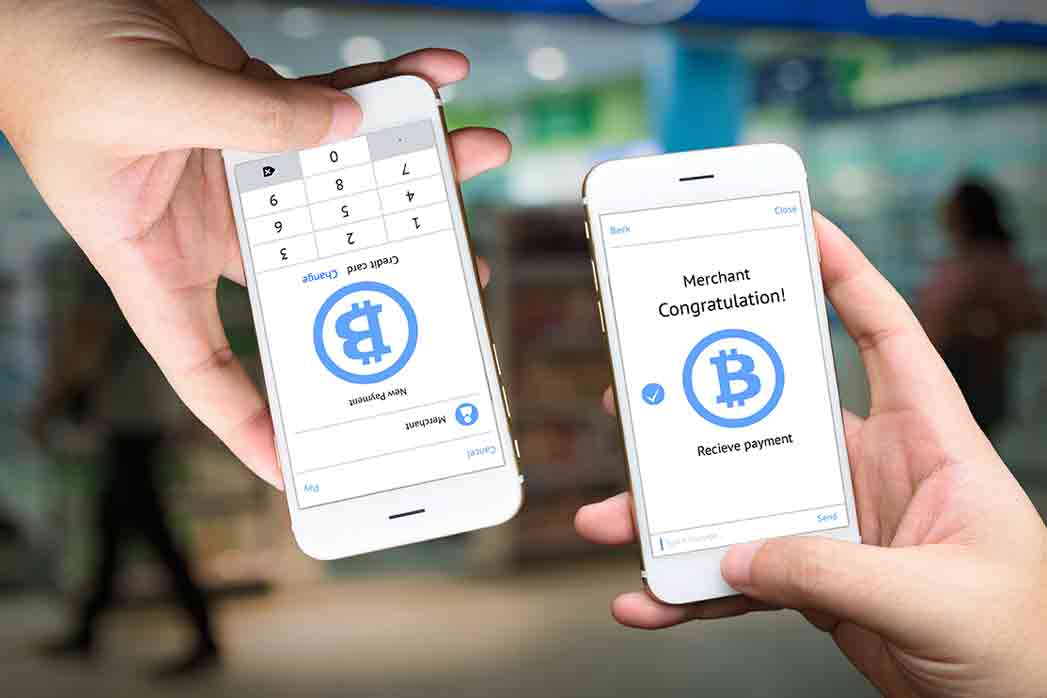
Peer-to-peer (P2P) money transfer, electronic payment, Mobile payment, and e-commerce concept. Hands holding a mobile application for sending and receiving money with a retail store background.

Where Smart Money Is Moving in Crypto Right Now

“Capital does not chase narratives. It settles where it is protected.” DNA Crypto.

The Narrative Is Changing Quietly

Crypto markets have historically been driven by narratives, with capital moving rapidly towards themes that promise growth, innovation or disruption. While those dynamics still exist, they are no longer the primary force shaping allocation at the highest levels.

A quieter shift is taking place.

Capital is becoming more selective, moving away from broad exposure and towards environments where risk can be understood, managed and sustained over time. This is not a retreat from the market, but a refinement of how it is approached.

Smart Money Prioritises Structure Over Story

Institutional and experienced investors are not allocating capital based on short-term narratives alone. Instead, they are focusing on the underlying structure of markets, where liquidity, custody and regulation define whether an investment can scale.

This shift reflects a change in priorities:

  • – From speculative upside to sustainable positioning
  • – From access alone to access supported by liquidity
  • – From fragmented platforms to integrated infrastructure

As explored in the crypto narrative cycle, narratives still attract attention, but they do not retain capital without structure.

Liquidity Is Where Capital Settles

Liquidity remains one of the most important signals of where capital is moving. Markets with depth, participation and reliable pricing mechanisms continue to attract sustained inflows, particularly during periods of uncertainty.

As outlined in market price liquidity, liquidity determines whether capital can remain positioned or is forced to exit.

This is why capital is increasingly concentrating in:

  • – Bitcoin as a liquidity anchor
  • – Highly traded digital assets with consistent market depth
  • – Platforms that support efficient capital movement

Liquidity is not simply a feature of markets.

It is where capital settles when risk increases.

Custody Is Becoming a Gatekeeper

As capital increases, custody becomes central to allocation decisions. Ownership in crypto is defined by control, and control depends on how assets are secured.

This has elevated custody from a technical consideration to a strategic requirement.

As explored in the context of crypto custody infrastructure, secure custody frameworks enable capital to remain within markets without exposure to unnecessary operational risk.

This is where protection becomes tangible.

Stablecoins and Settlement Infrastructure Are Expanding

Stablecoins continue to play a critical role in enabling capital movement across markets, acting as the settlement layer for digital finance.

However, their importance is not just in movement, but in enabling capital to operate within structured systems.

As explored in Stablecoins working capital infrastructure, they provide the rails through which liquidity flows, supporting both trading and allocation strategies.

Tokenisation Is Attracting Selective Capital

Tokenisation is drawing attention as a way to access real-world assets through digital infrastructure, but capital is not moving into the space indiscriminately.

Investors are increasingly focused on:

  • – Tokenised assets with clear liquidity pathways
  • – Markets supported by regulatory clarity
  • – Structures that enable both entry and exit

As explored in tokenised real estate liquidity, access alone is not sufficient. Liquidity determines whether those opportunities are viable.

Regulation Is Redirecting Capital

Frameworks such as MiCA are shaping where capital is willing to operate, not by limiting activity but by introducing structure.

This allows risk to be assessed more clearly, which is essential for institutional participation.

As explored in MiCA crypto regulation, regulated environments are becoming focal points for capital concentration.

Opportunity Has Not Disappeared. It Has Matured

The shift towards safety and structure does not eliminate opportunity. It changes where opportunity sits.

Rather than being driven purely by growth narratives, opportunity is increasingly found in markets where:

  • – Liquidity supports sustained participation
  • – Infrastructure enables efficient capital movement
  • – Risk is understood and managed rather than ignored

This reflects a transition from speculative cycles to structured allocation.

Where DNA Crypto Sits

DNA Crypto operates in this evolving landscape by connecting capital to digital asset markets through a regulated, secure infrastructure. This includes facilitating access to Bitcoin as a liquidity anchor, supporting Stablecoin-based transactions and enabling participation in structured tokenised opportunities.

This positioning reflects the direction of capital.

Towards safety, protection and scalable opportunity.

The Direction Of Travel

As crypto markets mature, capital will continue to concentrate in environments that provide liquidity, custody and regulatory clarity.

This is not a temporary shift, but a structural transition.

Markets are not becoming less dynamic.

They are becoming more selective.

Conclusion

Smart money in crypto is not chasing the next narrative.

It is positioning within systems that provide protection, liquidity and structure.

For investors, the implication is clear.

Opportunity still exists across the market, but it is increasingly concentrated in environments where capital can move, remain and scale with confidence.

Relevant DNACrypto Articles

Image Source: Adobe Stock

Disclaimer: This article is for informational purposes only and does not constitute financial, legal, or investment advice.
Register today at DNACrypto.co

Read more →

Bitcoin illustration as gold coins. Symbol and Bitcoin logo on coins, which crumbles easily. Earning money with Bitcoin - wealth as a comparison with gold treasures.

Tokenisation Is Infrastructure, Not Innovation

“Tokenisation does not create value. It changes how value moves.” DNA Crypto.

Beyond The Innovation Narrative

Tokenisation is often positioned as a technological breakthrough, grouped alongside emerging trends within digital assets. While this framing attracts attention, it overlooks the deeper transformation taking place.

Tokenisation is not simply about digitising assets. It is about restructuring how financial systems operate.

The focus should not be on the novelty of tokenised assets, but on how capital behaves once those assets become accessible, transferable and divisible. This shift moves tokenisation out of the category of innovation and into infrastructure.

The Real Function Of Tokenisation

At its core, tokenisation enables real-world assets to be represented digitally, allowing ownership to be transferred more efficiently. This improves accessibility, transparency, and market participation.

However, the real impact is not at the asset level. It is at the system level.

As outlined in real-world asset tokenisation, tokenisation changes how capital interacts with markets by reducing friction between investors and assets.

This is what enables scale.

Liquidity Is The Defining Factor

Tokenisation without liquidity does not change outcomes. Assets can be digitised, but if they cannot be traded efficiently, the underlying constraints remain.

Liquidity is what transforms tokenisation from a concept into a functioning financial system.

As explored in tokenised real estate liquidity, the ability to enter and exit positions efficiently determines whether capital flows or remains constrained.

Markets do not reward innovation alone. They reward liquidity.

Tokenisation Unlocks Previously Frozen Capital

One of the most significant impacts of tokenisation is its ability to unlock capital that has traditionally been illiquid. Real estate, private credit and other long-duration assets have historically required large commitments and long holding periods.

Tokenisation changes this by enabling fractional ownership and improved transferability.

As outlined in Tokenised Real Estate and Frozen Capital, this shift allows capital to move more freely within markets that were previously constrained.

This is not an incremental improvement. It is a structural change.

Integration With Existing Financial Systems

Tokenisation does not replace traditional finance. It integrates with it.

Banks, brokers and custodians remain essential components of the system, but their roles evolve. Processes become more efficient, settlement becomes faster, and access becomes broader.

This creates a hybrid system where traditional infrastructure and digital systems operate together.

As explored in the regulated tokenisation infrastructure, the long-term winners will be those that can operate across both environments.

Bitcoin As The Settlement Layer

As tokenised systems expand, the need for a neutral settlement layer becomes increasingly important. Without it, value remains dependent on fragmented systems and intermediaries.

Bitcoin provides a foundation for settlement that is independent, verifiable and globally accessible.

As outlined in Bitcoin as financial infrastructure, its role is not to replace financial systems, but to anchor them.

This creates a structure where tokenised assets can move efficiently while settlement remains secure.

The Shift From Products To Systems

The market is moving away from product-driven narratives towards system-level thinking.

Tokenisation is not valuable because of individual assets. It is valuable because it enables capital to move across systems with fewer constraints.

As explored in the discussion of how tokenisation changes finance, the competitive advantage lies in infrastructure, not in individual offerings.

Where DNA Crypto Sits

DNA Crypto operates within this evolving infrastructure by enabling access, execution and integration across digital and traditional systems.

The focus is on:

  • – Facilitating capital movement between fiat and digital assets
  • – Providing access to tokenised investment opportunities
  • – Operating within regulated frameworks aligned with market evolution

This positioning reflects the direction of the market.

Not towards isolated platforms, but towards connected systems.

The Direction Of Travel

Tokenisation will continue to expand across asset classes, geographies and financial systems. As access improves and liquidity increases, capital will move more freely between markets.

This will redefine how assets are owned, traded and valued.

Crypto will not disappear from this process. It will evolve into the infrastructure that supports it.

Conclusion

Tokenisation is not about innovation.

It is about infrastructure.

It changes how assets move, how capital is allocated and how financial systems operate.

The firms that understand this shift will not compete on products.

They will compete on access, liquidity and control.

Relevant DNACrypto Articles

Image Source: Adobe Stock

Disclaimer: This article is for informational purposes only and does not constitute financial, legal, or investment advice.

Register today at DNACrypto.co

Read more →

Miniature houses with bitcoin symbols sit on a keyboard, illustrating cryptocurrency in real estate and digital assets.

Why Crypto Investors Are Moving Into Property

“Crypto capital is no longer chasing volatility. It is seeking stability, yield, and real-world backing.” DNA Crypto.

The Shift Is Already Happening

Crypto markets have created significant wealth over the past decade, particularly for early participants who understood how to navigate volatility and time the market. As portfolios have grown, investor behaviour has begun to change predictably.

The focus is no longer purely on generating returns through market cycles. Instead, attention is shifting towards protecting capital and compounding it over time. This reflects a broader transition from speculative participation to structured allocation.

As outlined in the crypto narrative cycle, markets naturally evolve from growth-driven phases into stability-focused ones. Crypto is now entering that phase.

The Problem With On-Chain Yield

Decentralised finance introduced new ways to generate yield, but these models remain inconsistent. Returns are often driven by incentives rather than underlying economic activity, which makes them difficult to sustain over time.

Smart contract risk, platform reliability, and liquidity fluctuations all contribute to an environment in which returns are unpredictable.

Crypto created liquidity, but not stability.

As explored in DeFi evolution, the market is already separating experimental yield models from sustainable infrastructure.

Why Property Is The Natural Destination

As capital matures, it moves towards assets that provide both income and long-term value. Property has historically fulfilled this role, offering predictable rental yields, tangible asset backing and protection against inflation.

This makes it a natural destination for crypto wealth transitioning from growth to preservation.

As outlined in real-world asset tokenisation, the integration of digital capital with physical assets represents a structural shift in how value is stored and generated.

Property is where capital settles.

The Problem With Traditional Property

Despite its advantages, traditional property investment presents clear barriers. High entry costs limit accessibility, liquidity is constrained, and transactions are slow and complex.

Capital becomes locked into long-term positions, and management requirements introduce additional friction.

These constraints have historically prevented property from scaling globally as an accessible asset class.

Tokenised Property Changes Everything

Tokenisation removes many of these limitations by enabling fractional ownership and digital access to real estate markets. Investors can participate with lower capital, receive income distributions and access opportunities without the complexity of direct ownership.

This allows for:

  • – Lower entry points for investors
  • – Monthly income distributions
  • – Reduced operational complexity
  • – Greater flexibility in allocation

As explored in tokenised real estate liquidity, the shift is not simply digital. It is structural.

Crypto is no longer the asset. It is the infrastructure.

Why The Philippines Is Emerging

Certain markets are better positioned to benefit from this shift. The Philippines, particularly Cebu, offers strong rental demand, population growth and increasing international interest.

At the same time, pricing remains relatively early-stage compared to more mature markets. This creates an opportunity where yield and appreciation potential align.

Unlike saturated markets, this is still a positioning phase.

Timing Matters More Than Ever

Capital flows ahead of full market maturity. Investors who enter during early phases of adoption capture both income and appreciation, while late entrants face reduced asymmetry.

As demand increases and access improves, pricing adjusts accordingly.

Positioning is therefore critical.

The New Investor Mindset

Investor behaviour is shifting in a clear direction:

  • – From speculation to allocation
  • – From trading to income generation
  • – From volatility to stability

This reflects a more mature approach to capital management, where consistency and resilience are prioritised.

Where This Is Going

Tokenisation will continue to expand, making property more accessible and liquid. At the same time, crypto will evolve into an infrastructure layer that enables capital movement rather than acting as the primary destination.

As explored in tokenisation and the property cycle, this convergence is already underway.

Conclusion

Crypto created wealth.

Property preserves and compounds it.

The next phase of digital capital is defined not by volatility, but by allocation into assets that generate income and retain value.

The opportunity lies in connecting these two worlds.

Relevant DNACrypto Articles

Image Source: Adobe Stock

Disclaimer: This article is for informational purposes only and does not constitute financial advice.

Register today at DNACrypto.co

Read more →

Crypto and bitcoin self custody cold storage or hardware wallet for digital assets personal keys and Spot ETF funds digital finance concept.

Custody Will Define Crypto Winners

“In digital finance, ownership is not defined by access. It is defined by control.” DNA Crypto.

The Market Is Moving From Access To Control

The early phase of crypto markets was built around access. Investors focused on how to acquire digital assets, which platforms to use, and how quickly transactions could be executed. Exchanges became the dominant gateway, and ease of access drove adoption.

As the market has matured, this focus has shifted. The question is no longer how to buy assets, but how those assets are secured, governed and protected over time. This reflects a broader evolution in investor behaviour, where capital is no longer purely speculative but increasingly strategic.

Control, rather than access, is now the defining factor.

Custody As A Requirement For Institutional Capital

Institutional capital operates under fundamentally different constraints. Risk frameworks, governance requirements and fiduciary responsibility drive allocation decisions. Assets must be held in a way that ensures security, auditability and clear ownership.

Without these structures, participation at scale is not possible.

As outlined in institutional Bitcoin custody, custody is not an operational detail. It is a prerequisite for participation. The absence of robust custody limits institutions’ ability to engage with digital assets, regardless of market opportunity.

Ownership Versus Exposure

A critical distinction in digital assets is the difference between ownership and exposure. In traditional markets, these concepts are often treated as equivalent. In crypto, they are not.

Holding assets on an exchange provides exposure to price movements, but it does not necessarily provide full control. True ownership is defined by the ability to control access, typically through custody structures and private key management.

As explored in Bitcoin ownership versus exposure, this distinction has direct implications for risk. Without proper custody, investors are exposed to factors beyond market performance.

Custody As Financial Infrastructure

Custody is increasingly becoming a core layer of financial infrastructure rather than a supporting function. It encompasses secure storage, governance frameworks and integration with execution systems.

This evolution reflects a broader shift in how capital is managed. Institutions prioritise the security and control of assets as much as, if not more than, the mechanisms used to trade them.

As discussed in custody as a core financial layer, control of assets is emerging as a primary determinant of capital allocation.

Regulation Is Elevating Custody Standards

Regulatory developments are reinforcing the importance of custody by introducing clear requirements around asset protection and operational transparency. Frameworks such as MiCA are establishing standards that define how custody must be structured and managed.

This raises the baseline for participation.

As outlined in MiCA crypto custody regulation, firms that cannot meet these standards will face limitations in accessing capital and operating at scale.

Custody is therefore becoming embedded within both the regulatory and operational structure of the market.

Managing Counterparty Risk

While blockchain technology reduces reliance on intermediaries, it does not eliminate counterparty risk. Many participants continue to rely on exchanges, platforms, and third-party service providers, each of which introduces potential points of failure.

Custody provides a framework for managing this risk by separating asset storage from execution environments. This allows investors to maintain access to liquidity while reducing dependency on individual platforms.

As explored in Bitcoin counterparty risk, understanding where risk sits is essential to building resilient portfolios.

Integration With Execution And Liquidity

Custody must function in conjunction with execution and liquidity layers. Assets need to remain secure while still being accessible for trading, allocation and settlement.

This creates a balance between control and flexibility.

As outlined in the crypto broker infrastructure, the interaction between custody and execution defines how effectively capital can move within digital markets.

Where DNA Crypto Sits

DNA Crypto operates within this evolving structure by focusing on secure access and execution aligned with institutional standards.

The approach is designed to ensure that clients can engage with Bitcoin markets through:

  • – Structured onboarding aligned with AML and KYC requirements
  • – Secure execution through OTC liquidity
  • – Access to regulated custody solutions

This positioning reflects the broader direction of the market, where control and governance are becoming as important as access.

The Market Will Consolidate Around Custody

As digital asset markets mature, custody will become a defining factor in market structure. Firms that can provide secure, regulated and scalable custody solutions will attract capital, while those that cannot will face increasing constraints.

This mirrors the evolution of traditional financial systems, in which custody is at the core of asset management.

The same pattern is now emerging in digital assets.

Conclusion

Crypto markets are transitioning towards a model defined by control, governance and long-term asset security. Custody sits at the centre of this transition, shaping how assets are owned and how risk is managed.

The firms that establish strong custody infrastructure will define the next phase of digital finance. In this environment, control is not a secondary consideration. It is the foundation of the market.

Relevant DNACrypto Articles

Image Source: Adobe Stock

Disclaimer: This article is for informational purposes only and does not constitute financial, legal, or investment advice.

Register today at DNACrypto.co

Read more →

Financial exchange. A person is happy about the fall/rise of shares. Crypto traders, investors, analysts, and brokers analyse stock market charts. Stock trading.

The Rise of the Crypto Broker

“Markets do not scale through platforms. They scale through execution.” DNA Crypto.

The Evolution Beyond Exchanges

Exchanges drove the early growth of crypto markets.

They provided access, price discovery and liquidity for a new asset class that lacked formal structure. For retail participants, exchanges remain the primary entry point.

However, this model does not scale effectively for institutional capital.

As the market matures, the limitations of exchange-based trading are becoming increasingly visible. Execution quality, liquidity fragmentation and counterparty exposure create constraints that larger participants cannot ignore.

The next phase of the market requires a different layer.

Execution Becomes The Priority

Institutional trading is not defined by access. It is defined by execution.

Large orders cannot be placed in open markets without affecting the price. Liquidity must be sourced, aggregated and managed carefully. Timing, pricing and discretion become critical factors.

This shifts the focus away from platforms and towards execution capability.

Brokers operate within this layer.

They provide access to multiple liquidity sources, structure transactions efficiently, and ensure that execution aligns with client objectives rather than market limitations.

As explored in crypto OTC trading, this model is already established in traditional finance and is now becoming standard in digital assets.

Liquidity Is Not Where It Appears

One misconception in crypto markets is that liquidity is on exchanges.

In reality, visible order books represent only a fraction of available liquidity. Larger pools exist off-exchange, distributed across counterparties, market makers and institutional desks.

Accessing this liquidity requires relationships, infrastructure and execution capability.

Brokers act as the interface between clients and these deeper liquidity pools. They aggregate supply, manage counterparties and optimise execution across fragmented markets.

This is not simply a service layer… It is infrastructure.

The Shift Towards OTC And Structured Trading

As capital flows increase, trading behaviour changes.

Institutions prioritise:

  • – Price certainty over speed
  • – Execution quality over visibility
  • – Risk management over convenience

This leads to a growing reliance on over-the-counter trading and structured execution.

Transactions are negotiated, liquidity is sourced discreetly, and settlement is managed with greater control.

This approach reduces market impact and aligns more closely with institutional requirements.

Trust And Counterparty Risk

Trust remains a central issue in digital asset markets.

Exchange failures, liquidity shocks, and operational risks have demonstrated that access alone is insufficient. Participants need confidence in how transactions are executed and how assets are handled.

Brokers introduce a structured layer of accountability.

They manage counterparty exposure, provide transparency around execution and operate within defined compliance frameworks.

This reduces risk and creates a more predictable environment for capital allocation.

The Integration With Regulation

The rise of the broker model is closely aligned with regulatory developments such as MiCA.

As markets become regulated, execution must also align with compliance requirements. This includes:

  • – Verified onboarding processes
  • – Transparent transaction reporting
  • – Clear operational governance

Brokers are naturally positioned within this framework because they operate as intermediaries between clients and markets.

They facilitate access while ensuring that regulatory standards are met.

This positions them as a critical component of compliant digital finance infrastructure.

Bridging Fiat And Digital Assets

One of the most persistent challenges in crypto markets is the movement of capital between fiat systems and digital assets.

This transition introduces friction at multiple points, including access to banking, payment processing, and settlement timing.

Brokers play a central role in managing this transition.

They coordinate fiat inflows, execute digital asset transactions, and ensure efficient settlement across both environments.

This bridging function becomes increasingly important as traditional finance and digital assets converge.

Where DNA Crypto Sits

DNA Crypto operates within this execution layer as a European broker focused on secure, compliant and efficient access to Bitcoin markets.

The model is built around:

  • – Structured onboarding aligned with AML and KYC requirements
  • – Access to deep liquidity through OTC execution
  • – Transparent pricing and controlled settlement processes

This positioning reflects the direction of the market.

Not towards more platforms, but towards stronger infrastructure.

The Market Will Consolidate Around Execution

As digital asset markets mature, competition will shift away from user interfaces and towards execution capability.

Firms that can provide reliable access to liquidity, manage risk effectively and operate within regulated environments will attract capital.

Those that rely solely on platform-based models will face increasing pressure.

This is consistent with the evolution of traditional financial markets, where execution layers play a central role in facilitating institutional participation.

The Direction Of Travel

Crypto markets are transitioning from access-driven growth to infrastructure-driven scale.

Exchanges will continue to play a role, particularly for retail participation and price discovery. However, the flow of institutional capital will increasingly move through brokers.

This is not a shift in preference.

It is a requirement of scale.

The next phase of digital finance will be defined by execution.

Relevant DNACrypto Articles

Image Source: Adobe Stock

Disclaimer: This article is for informational purposes only and does not constitute financial, legal, or investment advice.

Register today at DNACrypto.co

Read more →

Currency exchange, digital symbols of global currencies.

Bitcoin as the Global Settlement Layer

“Bitcoin is not competing with money. It is redefining how value settles.” DNA Crypto.

The Shift from Speculation to Settlement

For over a decade, Bitcoin has been framed as a speculative asset.

That framing is now outdated.

The market is shifting away from price narratives and towards function. What matters is not volatility, but reliability. Not short-term movement, but long-term settlement integrity.

Bitcoin is increasingly being understood as infrastructure.

Not as an alternative currency, but as the base layer where value can ultimately settle without dependency on counterparties.

This is the shift that serious capital is responding to.

Why Finance Needs a Neutral Settlement Layer

Traditional financial systems rely on layered trust.

Banks, clearing houses, custodians and central banks all sit between counterparties. Each layer introduces friction, cost and risk.

Settlement is not instant. It is conditional.

Bitcoin removes this structure.

It provides a system where the final settlement is:

  • – Direct
  • – Verifiable
  • – Independent of intermediaries

This is not a theoretical improvement. It is a structural one.

As explored in Bitcoin as financial infrastructure, the real value of Bitcoin lies not in transactional speed but in settlement certainty.

Institutional Capital Is Aligning Around Bitcoin

Institutional adoption is often misunderstood.

It is not driven by retail demand or market cycles. It is driven by risk management, custody, and capital preservation.

Bitcoin offers:

  • – A neutral asset with no issuer
  • – A globally recognised store of value
  • – A settlement layer that does not depend on trust in counterparties

Family offices, asset managers and sovereign entities are increasingly allocating not because of upside potential, but because of structural necessity.

As highlighted in family offices turning to Bitcoin, allocation decisions are shifting from opportunistic to strategic.

Bitcoin Versus the New Forms of Digital Money

The financial system is evolving rapidly.

Stablecoins, tokenised deposits and central bank digital currencies are all emerging as new forms of digital money. Each serves a function within the system.

However, none of them operates as neutral settlement layers.

  • – Stablecoins rely on issuers and reserves
  • – Tokenised deposits remain within banking systems
  • – CBDCs are extensions of state-controlled money

Bitcoin sits outside of all three.

It does not replace them. It anchors them.

As explored in CBDCs vs Bitcoin, the distinction is structural.

The Role of Custody and Access

If Bitcoin is the settlement layer, custody becomes critical.

Owning Bitcoin is not the same as controlling it. Institutional participation depends on secure, compliant custody solutions and reliable execution.

Without institutional-grade custody, allocation cannot scale. Without trusted execution, liquidity cannot deepen.

As outlined in the context of institutional Bitcoin custody, the custody layer is becoming one of the most important battlegrounds in digital finance.

DNA Crypto operates within this layer, providing secure access, compliant onboarding and execution.

Liquidity, Not Narrative, Will Define the Market

Markets do not evolve based on narratives.

They evolve based on liquidity.

Bitcoin’s role is strengthening as liquidity consolidates around it. It is becoming the asset that capital moves into when certainty matters.

As explored in market price liquidity, capital flows reveal where trust is placed.

The Settlement Layer Thesis

Bitcoin does not need to replace existing systems to win.

It only needs to sit beneath them.

Stablecoins can operate for payments. Banks can continue to manage deposits. Tokenised assets can expand access to capital markets.

But when final settlement matters, the system requires a neutral base.

Bitcoin is becoming that base.

Relevant DNACrypto Articles

Image Source: Adobe Stock

Disclaimer: This article is for informational purposes only and does not constitute financial, legal, or investment advice.
Register today at DNACrypto.co

Read more →

Global Green Fintech 3D conceptual illustration of network on digital infrastructure linking sustainable finance with eco-investment nodes powering future ESG systems.

Interoperability Will Decide Digital Finance Winners

“Financial systems do not scale through innovation. They scale through connection.” DNA Crypto.

The Fragmentation Problem

Digital finance is expanding rapidly.

Stablecoins, tokenised deposits, blockchain networks and traditional banking systems are all evolving at the same time. Each is building its own infrastructure, rules, and liquidity pools.

At first glance, this appears to be progress.

In reality, it is fragmentation.

Capital is distributed across systems that do not naturally interact. Liquidity is trapped within networks. Settlement depends on intermediaries bridging gaps between platforms.

This creates inefficiency at scale.

Liquidity cannot scale in Isolation.

Markets function on liquidity.

Without it, pricing breaks down. Execution slows. Confidence weakens.

In traditional finance, liquidity is deep because systems are connected. Capital can move between institutions, markets and jurisdictions with relative efficiency.

Digital finance does not yet operate this way.

  • – Blockchain networks operate independently
  • – Banks control internal tokenised systems
  • – Stablecoins are tied to specific issuers

Each system holds liquidity.

Very few can share it.

Interoperability Becomes Infrastructure

Interoperability is often described as a technical feature.

It is not.

It is infrastructure.

The ability for systems to communicate, settle and transfer value across boundaries is what enables scale.

Without interoperability:

  • – Liquidity remains fragmented
  • – Capital movement becomes conditional
  • – Network effects are limited

As explored in crypto payments infrastructure, the next phase of digital finance is defined by how systems connect, not how they are built.

The Emerging Network Competition

The market is not moving towards a single dominant system.

It is moving towards multiple interconnected systems.

This changes the nature of competition.

It is no longer:

Blockchain versus blockchain
Bank versus crypto

It becomes:

Network versus network

The systems that enable seamless interaction will attract liquidity. The systems that remain isolated will lose relevance.

This is how financial infrastructure has always evolved.

Bitcoin as the Neutral Anchor

As systems expand, a neutral reference point becomes more important.

Bitcoin provides this.

It does not depend on any single network, institution or jurisdiction. It operates as a base layer where value can ultimately settle without reliance on intermediaries.

As outlined in Bitcoin as financial infrastructure, its role is not to replace systems, but to anchor them.

This creates a structure where:

  • – Bitcoin acts as a settlement
  • – Tokenised systems provide access
  • – Interoperability enables movement

The Cost of Not Connecting

Systems that fail to integrate face structural limitations.

Liquidity becomes trapped within closed environments. Capital cannot move efficiently. Pricing becomes inconsistent across markets.

This leads to:

  • – Reduced institutional participation
  • – Higher execution costs
  • – Slower adoption

Markets reward connectivity.

They penalise isolation.

The Role of the Execution Layer

As fragmentation increases, execution becomes more complex.

Capital needs to move between fiat systems, crypto networks and tokenised environments. Each transition introduces friction.

This creates demand for an intermediary layer focused on execution.

A layer that can:

  • – Bridge disconnected systems
  • – Access multiple liquidity sources
  • – Provide compliant onboarding across jurisdictions

DNA Crypto operates within this layer.

Not as a competing network, but as infrastructure enabling interaction between networks.

The Winners Will Be Connectors

Innovation alone will not determine success.

The most advanced systems can still fail if they remain isolated.

The winners in digital finance will be those who:

  • – Enable seamless capital movement
  • – Integrate across multiple systems
  • – Reduce friction between networks

Connectivity becomes an advantage.

Not technology in isolation.

The Direction of Travel

Digital finance is not converging into a single system.

It is expanding into a connected ecosystem.

Stablecoins, tokenised deposits, traditional banking systems and blockchain networks will all continue to exist.

Their success will depend on how effectively they interact.

Interoperability is no longer optional.

It is the condition for scale.

Relevant DNACrypto Articles

Image Source: Adobe Stock

Disclaimer: This article is for informational purposes only and does not constitute financial, legal, or investment advice.

Register today at DNACrypto.co

Read more →

Golden Cityscape on Earth: A conceptual representation of the earth, embellished with a golden cityscape that embodies ambition, economic prosperity, and urban.

Tokenised Property: The First Truly Global Asset Market

“Real estate has always been global in value. Tokenisation may finally make it global in access.” DNA Crypto.

From Local Markets to Global Capital

Real estate has always been one of the most important asset classes in the global economy. Capital flows into property across continents, driven by population growth, economic expansion, and long-term wealth preservation.

Yet access to those opportunities has remained constrained by geography. Jurisdictional constraints, local regulations, and operational complexity typically limit investors. Even large institutions face friction when allocating capital across borders.

As a result, real estate has remained a globally valuable asset class that operates through locally fragmented markets.

Tokenisation introduces the possibility of changing that structure.

The Structural Barriers in Traditional Property Investment

Several long-standing constraints shape traditional real estate investment.

  • – Geographic limitations that restrict cross-border participation
  • – High capital requirements that concentrate ownership
  • – Illiquid structures that slow entry and exit

These barriers have been accepted as part of property investing because the underlying infrastructure has not evolved at the same pace as global capital markets.

This is why property remains difficult to access, slow to trade, and highly dependent on local systems.

As explored in Property Exit Mechanics, even sophisticated investors often struggle to model exit timelines effectively.

Tokenisation as Market Infrastructure

Tokenisation does not change the value of property. It changes how ownership is structured and transferred.

By representing property interests digitally, tokenisation allows real estate to interact more efficiently with global capital markets.

This can enable:

  • – Fractional ownership that lowers entry barriers
  • – Participation from international investors
  • – Transparent ownership records
  • – Structured secondary market frameworks

These dynamics are explored in Real World Asset Tokenisation and Tokenised Real World Assets, where tokenisation is framed as financial infrastructure rather than a technology trend.

The significance lies not in digitisation itself, but in the ability to connect capital with assets more efficiently.

The Emergence of a Global Property Market

If structured correctly, tokenised real estate could allow property to function as a globally accessible asset class.

Investors in the United Kingdom could allocate to development projects in Asia. European capital could participate in emerging markets. International investors could diversify property exposure without relying on local presence.

This shift is already being explored in Cross-Border Property Tokenisation and Tokenisation Is Powering the Next Global Property Cycle, where infrastructure is enabling capital to move across jurisdictions more efficiently.

Tokenisation does not remove legal or economic realities. It provides a framework that allows capital to navigate them more effectively.

Where Global Opportunities Are Expanding

The development of a global tokenised property market is most visible in areas where traditional structures are constrained.

These include:

  • – Emerging markets that require access to international capital
  • – Development projects that benefit from diversified funding sources
  • – Cross-border investment strategies that seek geographic diversification

In these segments, tokenisation acts as a bridge between opportunity and capital.

This trend aligns with broader shifts discussed in Asia and Tokenised Real Estate Leadership, where regional growth and capital demand are driving innovation in property investment structures.

Liquidity Remains the Defining Constraint

While tokenisation introduces new possibilities, it does not automatically create a global market.

Liquidity remains the critical factor.

Without governance, investor protections, and structured exit mechanisms, tokenised assets risk replicating the illiquidity challenges found in traditional property markets.

This is examined in Tokenised Real Estate and Frozen Capital and Liquidity Governance, where liquidity is shown to depend on design rather than technology.

The success of tokenised property will depend on whether markets can support:

  • – Defined entry and exit structures
  • – Governance over capital movement
  • – Credible secondary market participation

Building the Infrastructure Layer

The transition from local markets to global property infrastructure requires disciplined investment design.

Projects associated with DNA Property Corp and Defi Property focus on building this layer.

The objective is not to issue tokens for the sake of innovation. It is to create structured investment frameworks that connect global capital with real assets through:

  • – Regulated structures
  • – Transparent governance
  • – Professional asset management
  • – Cross-border accessibility

By aligning tokenisation with institutional standards, these platforms aim to create markets that are both accessible and credible.

A Structural Shift in Property Markets

Real estate has always been economically significant globally, but access has been fragmented.

Tokenisation introduces the possibility of aligning property markets with the way capital already operates across borders.

It does not replace traditional investment structures. It evolves them.

Conclusion

Tokenised property represents more than a technological development.

It signals the potential emergence of the first truly global property market.

The outcome will depend on governance, regulation, and liquidity design rather than technology alone.

If these elements are built correctly, tokenisation could reshape how capital flows through real estate.

In the future, property may no longer be defined solely by location.

It may be defined by access.

Relevant DNACrypto Articles

Image Source: Adobe Stock

Disclaimer: This article is for informational purposes only and does not constitute financial, legal, or investment advice.

Register today at DNACrypto.co

Read more →