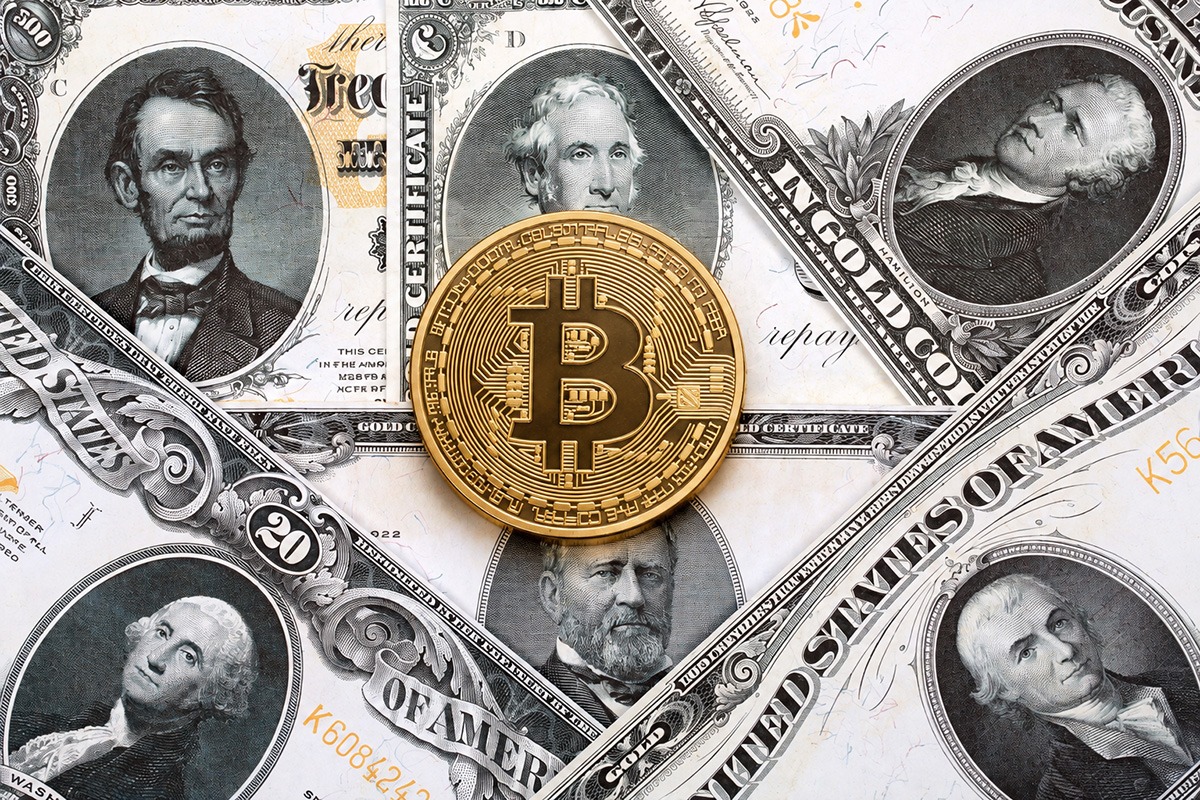
bitcoin-crypto-coin-with-financial-chart-background

Bitcoin Is Becoming A Flow Market, Not A Belief Market

“Bitcoin still carries belief, but the market now moves increasingly through flows.” DNA Crypto.

The Bitcoin Market Has Changed

Bitcoin used to move mainly on belief.

That belief was powerful. It was built around scarcity, monetary independence, distrust of conventional finance, self-custody, decentralisation and the idea that Bitcoin could exist outside the account-based financial system.

Those ideas still matter.

But the market structure around Bitcoin has changed. Bitcoin is no longer traded only through crypto-native exchanges, retail platforms, offshore liquidity, and conviction-led communities. It now sits inside spot ETFs, institutional portfolios, adviser platforms, listed products and capital allocation models.

That changes how the market moves.

Bitcoin is still a belief asset, but it is becoming a flow market.

Belief Built The Asset

Bitcoin would not exist as a serious market without belief.

Early holders did not buy Bitcoin because it had ETF access, institutional custody, Wall Street distribution or regulatory familiarity. They bought it because they believed the existing monetary system had weaknesses and that a scarce digital asset could offer a different form of ownership.

That belief carried Bitcoin through repeated drawdowns, regulatory hostility, exchange failures, media dismissal and long periods of institutional rejection.

It also shaped the strongest parts of Bitcoin’s identity: self-custody, financial independence, fixed supply, settlement integrity and direct digital ownership.

This is why Bitcoin ownership remains so important. The asset began as an ownership idea before it became a market product.

But markets change as access changes.

Bitcoin is now being distributed through structures that behave differently from the original holder base.

ETFs Changed The Route Into Bitcoin

The approval of spot Bitcoin exchange-traded products changed the access route into Bitcoin. The U.S. Securities and Exchange Commission approved the listing and trading of spot Bitcoin ETP shares in January 2024, giving traditional investors a regulated, listed product route to Bitcoin exposure.

That was a market structure event, not only a regulatory event.

A financial adviser can allocate through an ETF. A portfolio manager can size exposure through a familiar instrument. A wealth platform can support access without asking clients to handle wallets, private keys or self-custody. A traditional investor can buy Bitcoin exposure through the same interface used for equities, bonds and funds.

BlackRock’s IBIT materials describe the trust as offering Bitcoin exposure through an exchange-traded product while simplifying the operational and custody complexities of holding Bitcoin directly.

That single point explains why flows matter so much now.

Bitcoin has gained a new distribution system.

Flow Does Not Replace Conviction

The shift towards ETF-led flows does not mean conviction disappears.

It means conviction now travels through different pipes.

Some buyers still want direct Bitcoin ownership. Others want ETF exposure. Some institutions may want custody relationships. Some allocators may only want a small position inside a diversified portfolio. Some traders may use ETFs tactically rather than hold Bitcoin directly.

All of those behaviours create different types of demand.

This is why Bitcoin ETF versus direct ownership is no longer a niche discussion. It is central to understanding the market.

Direct ownership expresses one kind of conviction.

ETF flows express another.

The price can respond to both.

Wall Street Has Given Bitcoin A New Rhythm

Bitcoin’s old rhythm was shaped heavily by crypto-native cycles. Exchange liquidity, leverage, retail momentum, mining economics, social media narratives and offshore derivatives often drove attention.

Those forces still exist.

But Wall Street has added another rhythm. ETF creations and redemptions, adviser allocations, fund flows, rebalancing, risk models, portfolio construction and institutional liquidity windows now matter more than they used to.

Recent reporting said spot Bitcoin ETFs brought in about $1.6 billion in net inflows from Monday to Thursday during the latest rally, putting the week on track for one of the year’s strongest inflow periods.

That is not a small detail.

When large flows enter regulated Bitcoin products, they can change the market faster than public sentiment alone.

Bitcoin is now partly moved by allocation machinery.

ETF Flows Are Becoming A Signal

ETF flows are now one of the clearest signals in the Bitcoin market.

They show whether traditional capital is adding, reducing or pausing exposure. They help investors judge whether a rally is being supported by real demand or short-term positioning. They also show how quickly sentiment can move through regulated financial products.

Investopedia reported that Bitcoin ETFs saw five consecutive days of inflows totalling nearly $2 billion, citing Farside Investors, and quoted Citi analysis saying ETF flows remain a key catalyst to watch.

That is why the market watches these numbers closely.

Bitcoin may still trade on macro, scarcity and sentiment, but ETF flows now provide a visible channel for institutional demand.

This does not make flows perfect.

It makes them important.

A Flow Market Can Move Faster

Flow markets can move quickly because capital can enter through familiar products.

When investors decide to increase exposure, they don’t need to open crypto exchange accounts, manage wallets, or solve custody questions themselves. They can buy ETF shares. That makes participation easier, especially for investors who were previously interested in Bitcoin but blocked by operational complexity.

This can support powerful upward moves.

It can also accelerate reversals.

If flows move in the opposite direction, ETF redemptions can signal weakening demand. In a more institutional market, Bitcoin may respond not only to crypto sentiment, but also to portfolio rebalancing, risk-off positioning, liquidity needs and asset allocation changes.

That is the trade-off.

ETF access broadens the market.

It also connects Bitcoin more directly to traditional market behaviour.

Bitcoin Is Becoming More Connected To Macro

Bitcoin is no longer isolated from macro markets.

The latest rally has been discussed alongside Treasury markets, dollar weakness, gold strength, ETF inflows and investor positioning. MarketWatch reported that Bitcoin rose above $80,000 for the first time since May, with the move tied to U.S. Treasury buyback plans, dollar concerns and ETF demand.

That matters because flow markets are often macro-sensitive.

If investors want protection from dollar weakness, they may buy Bitcoin. If liquidity conditions improve, they may take on more risk. If yields rise sharply, they may reduce exposure. If gold and Bitcoin move together, allocators may revisit the debasement trade. If ETF inflows remain strong, momentum can build quickly.

Bitcoin’s market structure is maturing.

That also makes it more exposed to wider market forces.

Liquidity Is Now Part Of The Thesis

Bitcoin’s liquidity has become one of its strongest institutional features.

It trades globally. It has deep exchange markets. It now has listed ETF access. It can be used in treasury discussions, collateral discussions, macro allocation and digital asset portfolios.

That does not remove volatility.

It explains relevance.

This is why Bitcoin’s liquidity role matters. Serious investors do not only ask whether an asset has a compelling long-term story. They also ask whether the asset can absorb capital, trade efficiently, and remain accessible during stress.

Liquidity turns belief into allocation.

Without liquidity, conviction stays narrow.

With liquidity, conviction can become institutional flow.

The Risk Is Mistaking Flows For Permanent Conviction

ETF inflows can support the market, but investors should be careful not to confuse flows with permanent conviction.

Some ETF buyers may be long-term allocators. Others may be tactical traders. Some may be responding to macro conditions. Others may be chasing performance. Some may use Bitcoin as a portfolio diversifier, while others may exit quickly if volatility rises.

Flows can be powerful.

They can also reverse.

This is the danger in treating every inflow as proof of lasting adoption. Adoption becomes more credible when flows remain consistent through different market conditions, not only during rallies.

The serious question is not whether Bitcoin can attract capital during excitement.

The serious question is whether the flow channel remains durable when markets become uncomfortable.

Direct Ownership Still Means Something Different

ETF growth should not make the market forget what direct Bitcoin ownership means.

A person or institution holding Bitcoin directly faces custody responsibility. That includes private keys, security, recovery, governance, operational controls and access procedures. Those responsibilities are difficult, but they also sit close to Bitcoin’s original ownership thesis.

ETF exposure changes that experience.

It provides convenience and familiar market access, but it also places the investor inside a product structure. The investor owns shares in a vehicle that holds Bitcoin, not Bitcoin itself.

This is why Bitcoin ownership versus exposure remains a critical distinction.

Both routes may be useful.

They are not the same thing.

Custody Is Still The Quiet Question

ETF access does not remove the custody question. It relocates it.

Instead of the investor managing custody directly, the product structure handles custody through institutional arrangements. That may make Bitcoin more accessible, but it also means investors need to understand the trust, governance and operational systems behind the product.

This is why Bitcoin custody infrastructure remains central to the future market.

Custody is not a side issue. It is one reason ETFs became attractive in the first place. Many investors wanted Bitcoin exposure, but not the operational burden of holding it directly.

That is not a weakness.

It is market segmentation.

Different investors need different routes into the same asset.

Bitcoin Cycles May Change

Bitcoin cycles may not disappear, but they may change.

Halving narratives, retail enthusiasm, leverage, exchange liquidity and speculative rotation across crypto assets often drove previous cycles. Future cycles may still include those forces, but ETF flows and institutional allocation could reshape the market.

Rallies may become more flow-sensitive.

Corrections may become more tied to macro risk, adviser behaviour, fund redemptions and portfolio rebalancing. The market may mature, but maturity does not mean calm. It means different forces start to dominate.

This is why market liquidity is such an important concept.

Bitcoin’s future cycles may be less about who believes the hardest and more about where the next large pool of capital is willing to move.

What Investors Should Watch

Investors who want to understand Bitcoin now need to watch more than price.

Price is the result. Flows help explain the movement.

  • – Spot Bitcoin ETF inflows and outflows
  • – IBIT and other major product demand
  • – Macro liquidity and Treasury market conditions
  • – Dollar strength or weakness
  • – Gold and other scarcity-asset behaviour
  • – Derivatives positioning and short liquidation pressure
  • – Custody, product structure and regulatory developments

This is a broader dashboard than crypto traders used to rely on.

That is the point.

Bitcoin is now sitting inside a wider market structure.

Why This Matters For Future Markets

Two forces at once will likely shape the future Bitcoin market.

Belief will still matter because Bitcoin’s scarcity, independence and ownership model remain central to its identity. But flows will matter because institutional capital moves through structures, mandates, models and access routes.

This creates a more complex market.

A Bitcoin rally may be driven by macro fear, ETF demand, short covering, allocation models or renewed belief in scarcity. A correction may be driven by profit-taking, redemptions, risk-off positioning, liquidity needs or macro tightening.

The asset is the same.

The market around it is not.

That is what investors need to understand.

The Capital Behaviour Shift

Capital behaves differently when access becomes easier.

When access is difficult, only the most committed participants enter. When access becomes easier, a wider range of investors can participate, including those with lower conviction but larger balance sheets.

That changes market behaviour.

Bitcoin is no longer held only by people who understand wallets, keys and exchanges. It is increasingly held by people who understand allocation, ETFs, flows, risk models and portfolio construction.

This may make Bitcoin more liquid and more institutional.

It may also make Bitcoin more sensitive to traditional market behaviour.

That is the capital behaviour shift.

Bitcoin is becoming easier to buy.

That makes flow more powerful.

The Direction Of Travel

The direction of travel is clear.

Bitcoin is moving from a belief-led market to one where belief, liquidity, and institutional flows interact. This does not make the original Bitcoin thesis irrelevant. It makes the market more layered.

Direct holders still matter. ETF buyers now matter. Custodians matter. Advisers matter. Macro investors matter. Treasury desks matter. Derivatives markets matter. Regulators matter.

Bitcoin has grown beyond one audience.

That is why the market feels different now.

It is not just louder.

It is structurally broader.

Conclusion

Bitcoin is becoming a flow market, not only a belief market.

The original belief still matters. Scarcity, custody, ownership and independence remain central to why Bitcoin exists. But the price now moves through a wider set of channels, including spot ETFs, institutional allocation, macro positioning and liquidity flows.

That is not a rejection of Bitcoin’s original identity.

It is the next stage of market maturity.

Investors who only watch sentiment will miss the structure. Investors who only watch flows will miss the conviction.

Both will shape the future Bitcoin market.

Belief built the asset.

Flows are now moving the market.

Relevant DNACrypto Articles

Image Source: Envato Stock

Disclaimer: This article is for informational purposes only and does not constitute financial, legal, or investment advice.


Read more →

Detailed Bitcoin Cryptocurrency Coins Close Up View.

Bitcoin Is Back, But The Real Story Is The Bond Market

“Bitcoin is back in the headlines, but the more important signal may be coming from the bond market.” DNA Crypto.

The Rally Is Not Just A Crypto Story

Bitcoin is back in the headlines, but this rally should not be treated as a simple crypto comeback.

The easier story is that risk appetite has returned, and Bitcoin has moved sharply higher. That is true, but incomplete. Recent market coverage has linked the move to a broader mix of bond-market stress, dollar weakness, ETF inflows and the unwinding of bearish crypto positions.

That matters because Bitcoin is no longer moving only within a crypto narrative. It now responds to the same macro pressures that affect gold, bonds, currencies, and institutional allocation decisions.

The price move is visible… The signal beneath it matters more.

The Bond Market Is The Hidden Trigger

The most interesting part of the latest Bitcoin move is not happening on-chain. It is happening in the bond market.

The U.S. Treasury has confirmed that it is increasing the size of longer-dated nominal buyback operations to provide more liquidity support in long-end Treasury markets. Market coverage has connected that announcement to the rally in Bitcoin and gold, with investors interpreting the move through the lens of yields, debt-market pressure and dollar confidence.

This is why the Bitcoin story suddenly feels bigger than crypto.

When long-dated government bonds become unstable, investors pay attention. These markets sit underneath mortgages, corporate borrowing, public finances, bank balance sheets, pension funds and global capital allocation.

If the bond market starts to look less like a safe foundation and more like a policy problem, assets outside the traditional monetary system become more interesting.

Bitcoin benefits from that conversation.

Why Long-Dated Bonds Matter

Long-dated bonds are not exciting to most retail investors, but they are central to the financial system.

They help set the price of long-term money. They influence borrowing costs, valuation models, asset allocation, mortgage rates and the cost of government debt. When long yields rise too quickly, or liquidity becomes fragile, the pressure spreads across markets.

That is why intervention in the long end of the bond market matters. It tells investors that policymakers are watching market function closely.

The market may welcome liquidity support in the short term, but it also raises a deeper question: why does the system need support at all?

Bitcoin tends to attract attention when that question becomes harder to ignore.

The Debasement Trade Has Become More Respectable

The phrase “debasement trade” used to sound extreme to many mainstream investors. It now sounds less fringe.

The argument is simple. If public debt keeps rising, bond markets need support, currencies weaken, and investors worry that policymakers may prefer easier financial conditions over harder fiscal adjustment, capital starts looking for alternatives.

Gold has long played that role. Bitcoin is increasingly part of the same macro conversation, even though it remains more volatile and less mature as a market.

That does not mean Bitcoin and gold are the same. They are not. Gold has centuries of monetary history, while Bitcoin is a digital asset with a much shorter track record.

But when both move higher during bond-market stress and dollar weakness, the market is saying something.

It is saying that confidence in money, debt and policy credibility is becoming part of the asset allocation debate again.

Bitcoin And Gold Are Sending A Similar Signal

The recent move in Bitcoin alongside gold matters because it shows this is not just a crypto-specific rally.

AP reported that Bitcoin and gold both moved sharply higher during a week shaped by bond-market action, while other coverage highlighted gold strength alongside concerns around U.S. inflation and bond-market jitters.

That does not prove that Bitcoin has become digital gold in every sense. It does not prove that Bitcoin is risk-free, stable or guaranteed to behave like gold in every market cycle.

But it does show that some capital is treating Bitcoin as part of the same broad question.

Where does money go when confidence in conventional stores of value becomes less certain?

That question is exactly why Bitcoin versus gold remains such an important comparison. The two assets are different, but they increasingly appear in the same investor conversation about protection, scarcity and monetary trust.

ETF Flows Are The New Transmission Mechanism

Bitcoin’s market structure has changed.

In previous cycles, rallies often depended heavily on crypto-native exchanges, retail momentum, derivatives positioning and social media narratives. Those still matter, but they no longer explain the whole market.

Spot Bitcoin ETFs have created a more familiar access route for mainstream capital. When ETF inflows accelerate, Bitcoin can respond quickly because institutional and adviser-driven demand now has a regulated listed product route into the asset.

Recent coverage reported strong spot Bitcoin ETF inflows during the rally, including more than $500 million of inflows on one day and significant demand for the iShares Bitcoin Trust during the move.

This is why Bitcoin ETF versus direct ownership is no longer a narrow product discussion.

It is now part of Bitcoin’s market structure.

The ETF channel means macro sentiment can reach Bitcoin faster through traditional portfolios.

Bitcoin Is Becoming A Macro Pressure Valve

Bitcoin is still volatile. That should not be softened or ignored.

But volatility is not the only reason investors watch it. Bitcoin is increasingly becoming a pressure valve for macro anxiety.

When investors worry about monetary policy, fiscal credibility, currency weakness, capital controls, settlement fragility or debt sustainability, Bitcoin becomes part of the conversation. Not because it solves all those problems, but because it sits outside many of the systems creating them.

That is why dependency, not volatility, remains a serious market theme.

Bitcoin is volatile.

But dependence on fragile financial structures can also be a risk.

Markets are now beginning to price that distinction more seriously.

The Dollar Question Has Returned

Bitcoin often benefits when the dollar weakens because investors start looking for assets that may preserve value outside currency pressure.

This does not mean Bitcoin is a perfect dollar hedge. It is not. Bitcoin can fall sharply even when macro arguments look supportive. It can trade like a risk asset during stress and like a monetary alternative during other periods.

That complexity matters.

The point is not that Bitcoin has become a simple inverse-dollar trade. The point is that the dollar, Treasury yields, gold and Bitcoin are increasingly being discussed together when markets question the future path of policy, inflation and debt.

That is a major change from the early crypto years.

Bitcoin is no longer isolated from macro.

It is being pulled deeper into macro.

The Risk Is Chasing The Headline

A market rally creates attention, but attention can be dangerous.

Investors should not chase Bitcoin simply because it is back in the headlines. The better approach is to understand why it is moving, what market structure is driving the move and whether the thesis is short-term positioning or longer-term allocation.

Some of the latest rally appears to have been helped by short covering and derivatives pressure, according to recent market reporting. That can create powerful moves, but it can also fade quickly if follow-through demand weakens.

This is why the rally should be read carefully.

A move driven by macro liquidity, ETF inflows, and short covering may be important, but each force behaves differently.

The serious investor asks what remains after the first reaction.

Future Markets Will Be About Confidence

The deeper market story is confidence.

Confidence in government debt. Confidence in central banks. Confidence in the dollar. Confidence in settlement systems. Confidence in financial institutions. Confidence in the ability of capital to move when conditions become difficult.

Bitcoin sits inside that confidence debate.

It is not the whole answer, but it is one of the clearest market instruments for expressing doubt about the traditional system while remaining liquid, global and accessible.

That is why money as a trust system is more than a theoretical idea. It is becoming a practical market issue.

When confidence shifts, capital moves.

Bitcoin is one place where that movement is now visible.

What Investors Should Watch Next

The next stage of the Bitcoin rally will not be decided by one headline.

Investors should watch whether the macro story continues, whether ETF inflows remain consistent, whether the dollar stays under pressure, whether gold confirms the same signal and whether long-dated bond markets remain fragile.

The key indicators aren’t only crypto indicators.

  • – Long-dated Treasury yields and bond-market liquidity
  • – U.S. dollar direction and global currency pressure
  • – Spot Bitcoin ETF inflows and outflows
  • – Gold price strength and safe-haven demand
  • – Derivatives positioning and short liquidation pressure
  • – Policy language around debt, liquidity and financial conditions

This is what makes the market interesting right now.

Bitcoin is no longer only being watched by crypto traders.

Macro investors are watching it, too.

Why This Matters For Digital Asset Markets

For digital asset markets, the latest rally reminds us that Bitcoin remains the central macro asset in crypto.

Stablecoins may become settlement infrastructure. Tokenisation may connect Real Assets to digital ownership. Ethereum and smart contracts may support programmable systems. But Bitcoin remains the asset most closely connected to monetary confidence, scarcity and macro capital flows.

That is why Bitcoin as financial infrastructure remains a more serious framing than Bitcoin as speculation alone.

The market may still trade it aggressively.

But the reason serious capital keeps returning to Bitcoin is bigger than trading.

It is about the search for an asset that sits outside the confidence structure of government debt and commercial banking.

The Capital Behaviour Shift

Capital behaves differently when the bond market becomes part of the risk story.

In quiet markets, investors chase return. In stressed markets, they search for protection, liquidity and optionality. They ask which assets depend on the system and which sit partly outside it.

Bitcoin benefits from that question because it represents a different kind of financial exposure.

It is liquid, global, scarce and digitally transferable. It is also volatile, politically sensitive and still young compared with traditional safe-haven assets.

That combination makes it controversial.

It also makes it relevant.

The shift in capital behaviour is not that everyone suddenly trusts Bitcoin.

It is that more investors now feel they have to understand it.

The Direction Of Travel

The direction of travel is clear. Bitcoin is moving from crypto market story to macro market instrument.

That does not mean every rally will last. It does not mean Bitcoin will move in a straight line. It does not mean volatility disappears. But it does mean Bitcoin now responds to a broader set of market forces.

– Bond-market stress matters.

– Dollar confidence matters.

– Gold matters.

– ETF flows matter.

– Policy credibility matters.

That is a more serious market than the one Bitcoin came from.

Conclusion

Bitcoin is back, but the real story is the bond market.

The latest rally is not only about crypto sentiment. It is about debt, yields, dollar confidence, ETF flows, gold, liquidity and the market’s search for assets that can respond when the traditional system looks more fragile.

That does not make Bitcoin safe.

It makes Bitcoin relevant.

The market’s next phase will not be decided by crypto narratives alone. Macro liquidity, policy credibility, institutional flows, and the bond market’s ability to remain trusted will shape it.

Bitcoin is back in the headlines.

But the deeper signal is coming from the market beneath everything else.

Relevant DNACrypto Articles

Image Source: Envato Stock

Disclaimer: This article is for informational purposes only and does not constitute financial, legal, or investment advice.

Read more →

Close-up of Bitcoin Currency on Red Background.

The Bitcoin Treasury Trade Is Finally Being Tested

“Bitcoin is not the weak part of the treasury trade. The real test is whether the structure around Bitcoin can survive pressure.” DNA Crypto.

The Bitcoin Debate Has Moved To The Balance Sheet

Bitcoin’s next institutional debate will not be about whether companies can buy it. That part has already happened.

The harder question is whether companies that hold Bitcoin can manage the asset properly when liquidity, financing costs and investor confidence all move against them.

That is where the Bitcoin treasury trade becomes more serious. A company holding Bitcoin is not the same thing as Bitcoin itself. Once Bitcoin sits on a corporate balance sheet, investors no longer assess only the asset. They are assessing management judgement, financing structure, custody, liquidity planning, share issuance, debt obligations and the pressure points inside the corporate wrapper.

This is not an argument against Bitcoin. It is an argument for taking Bitcoin seriously enough to separate the asset from the structure around it.

Buying Bitcoin Was The Easy Part

Buying Bitcoin is simple to explain in a strong market. A company adopts Bitcoin as a reserve asset. Investors see conviction. The share price reacts. The story becomes easy to repeat.

That simplicity can be powerful during a rising market, but it can also hide complexity.

A treasury strategy is not proven at the point of purchase. It is proven through market stress, funding pressure, accounting treatment, shareholder expectations, custody discipline and liquidity decisions.

That is why corporate crypto treasuries need to be understood as financial structures, not only as Bitcoin adoption stories.

The important question is not whether a company can buy Bitcoin.

The important question is whether the company can manage Bitcoin responsibly when the balance sheet becomes the story.

A Bitcoin Treasury Company Is Not Bitcoin

This is the distinction investors need to make now.

Bitcoin is the asset. A Bitcoin treasury company is a wrapper around the asset.

That wrapper may include operating business risk, management decisions, financing costs, equity issuance, preferred share obligations, debt, cash reserves, tax considerations, market premiums or discounts and investor sentiment. These risks are different from Bitcoin protocol risk.

An investor who buys Bitcoin directly is taking one type of exposure.

An investor who buys shares in a company holding Bitcoin takes exposure to Bitcoin plus corporate structure, capital allocation, and execution risk.

This is why Bitcoin ownership versus exposure matters. Exposure can be convenient, but it can also introduce risks that do not exist in direct ownership.

The market needs to stop treating every Bitcoin-linked instrument as if it carries the same risk.

The Wrapper Now Matters

The wrapper around Bitcoin is no longer a background detail. It is becoming part of the investment decision.

A company can hold Bitcoin and still be poorly structured. It can have a strong long-term asset thesis but a weak short-term liquidity position. It can own Bitcoin but depend on external capital markets to fund obligations. It can create exposure, but premiums, discounts, dilution, interest costs, or preferred equity terms may shape that exposure.

That is why the Bitcoin treasury trade is being tested.

When markets are strong, investors focus on asset accumulation. When markets weaken, they begin to examine how the accumulation was financed and what obligations sit around it.

This is where balance sheet discipline matters.

Bitcoin may be a sound asset thesis, while a particular corporate wrapper may still become stressed.

The Real Risk May Not Be Bitcoin

The lazy conclusion is to blame Bitcoin whenever a Bitcoin treasury company comes under pressure.

That misses the point.

The real risk may not be Bitcoin itself. It may be the financing model around Bitcoin. It may be the cost of capital, the dividend structure, the reliance on share issuance, the need for cash reserves, the relationship between market price and asset value, or the timing of liquidity decisions.

This is a more mature conversation.

Bitcoin has always been volatile. Serious investors know that. The new question is what happens when Bitcoin volatility interacts with corporate obligations.

That is where a treasury strategy becomes more than a conviction trade.

It becomes a capital management test.

Custody Still Decides The Quality Of Ownership

Bitcoin on a balance sheet still has to be held somewhere. That means custody remains central.

Who controls the keys? What custody model is used? What authorisations are required? How are assets segregated? What happens if liquidity is needed quickly? How are treasury controls documented? What reporting exists for boards, auditors and investors?

These questions are not technical footnotes. They shape the credibility of the entire strategy.

This is why Bitcoin custody infrastructure remains one of the most important parts of institutional Bitcoin adoption.

A company can publish a large Bitcoin holding, but investors still need confidence that the custody model is strong enough for the position’s size and purpose.

In institutional markets, ownership is not only about holding the asset.

It is about proving the asset can be controlled responsibly.

Liquidity Is Where Conviction Meets Reality

Every Bitcoin treasury strategy eventually comes down to liquidity.

If the company needs cash, where does it come from? If financing markets tighten, what happens? If equity issuance becomes unattractive, does the company sell Bitcoin, raise debt, issue preferred shares, reduce obligations or change strategy?

These are not theoretical questions. Serious investors ask them when an asset moves from a belief system into a balance sheet.

Liquidity is where conviction meets reality.

This is why Bitcoin’s liquidity role matters. Bitcoin is one of the most liquid digital assets in the world, but that does not mean every structure built around Bitcoin is liquid in the same way.

The asset may trade continuously.

The corporate balance sheet does not.

ETFs Show The Same Tension In A Different Form

Bitcoin ETFs show the same issue in a different form.

Many investors want Bitcoin exposure, but they do not want to manage private keys, custody, wallets, recovery procedures or direct asset security. An ETF can simplify access, but it also changes the nature of the exposure.

That does not make ETFs wrong. It makes them different.

As explored in Bitcoin ETF vs direct ownership, the central issue is not whether one route is always better. The issue is whether investors understand the trade-off.

Direct Bitcoin ownership creates direct responsibility.

ETF exposure creates convenience, but it also introduces a financial product structure.

A Bitcoin treasury company adds another wrapper.

Investors need to know which exposure they are actually taking.

The Market Is Separating Bitcoin From Bitcoin Products

This is the most important shift.

The market is beginning to separate Bitcoin from Bitcoin products, Bitcoin companies and Bitcoin financial engineering. That is healthy because it forces better analysis.

Bitcoin can remain important even if some Bitcoin-linked structures are poorly designed. Bitcoin can keep maturing even if some corporate treasury strategies become stressed. Bitcoin can be a serious asset while the market becomes more critical of the wrappers used to access it.

This is how institutional markets behave.

They don’t just ask whether an asset has a future. They ask how the exposure is structured, how risk is controlled, how liquidity works and who carries responsibility when conditions change.

That is the direction the Bitcoin market is now moving.

Balance Sheet Bitcoin Needs Discipline

A company that holds Bitcoin needs discipline at several levels.

It needs a clear treasury policy. It needs custody controls. It needs liquidity planning. It needs board understanding. It needs investor communication. It needs honest disclosure around financing risks, obligations and capital allocation.

Without that discipline, Bitcoin can become a story that hides weakness rather than a reserve asset that strengthens the company.

This matters because Bitcoin’s credibility in institutional markets will not be decided by price alone. It will also be shaped by the behaviour of the companies, funds, custodians and platforms that surround it.

If Bitcoin treasury companies manage the asset well, the market gains confidence.

If they manage it poorly, the market learns a different lesson.

Investors Need To Ask Better Questions

Investors should not ask only whether a company holds Bitcoin.

They should ask how the Bitcoin is held, how it was financed, what obligations sit above or beside the holding, how liquidity is managed, how dilution risk is controlled and how management behaves under pressure.

Those questions matter more now because Bitcoin has moved beyond a simple adoption narrative.

The investment decision is no longer just “Bitcoin or no Bitcoin”. It is Bitcoin direct ownership, ETF exposure, company exposure, custody exposure, treasury exposure or infrastructure exposure.

Each route carries different risks.

This is why Bitcoin financial control is becoming a more important theme. The asset is only one part of the question.

The route into the asset also matters.

This Is Not A Negative Bitcoin Story

It would be wrong to treat the testing of Bitcoin treasury strategies as a negative Bitcoin story.

In many ways, it is the opposite.

Assets become serious when the market stops treating them like slogans and starts testing how they behave inside real financial structures. Bitcoin is now being tested inside ETFs, corporate balance sheets, custody systems, collateral conversations, treasury policies and institutional portfolios.

That is what maturity looks like.

The market is learning that Bitcoin itself, direct Bitcoin ownership, ETF exposure and corporate Bitcoin wrappers are not the same thing. That is an important lesson.

It may make the conversation more complex, but it also makes the market more serious.

Why This Matters For DNA Crypto

For DNA Crypto, this is exactly the type of Bitcoin conversation that matters.

Not price prediction. Not noise. Not another argument about whether Bitcoin is going to zero or infinity.

The serious conversation is ownership, custody, control, liquidity, structure and trust.

Bitcoin remains the first lesson in digital ownership, but the market now needs a second lesson: how the structure around Bitcoin can change the risk.

That is where advisory thinking becomes valuable. Investors need to understand the difference between holding Bitcoin, buying exposure to Bitcoin and investing in a company whose financial structure depends on Bitcoin.

Those are not the same decisions.

They should not be analysed as if they are.

A Note For Market Makers And Liquidity Partners

Liquidity remains central to professional Bitcoin markets.

If you are a market maker or liquidity provider that can support institutional-quality pricing, execution support, or discounted routes where appropriate, DNA Crypto is open to relevant conversations.

The objective is not to create noise around trading. The objective is to understand where trusted liquidity, disciplined execution and professional market access can support future authorised routes, infrastructure research and strategic partnerships.

For appropriate discussions, please reach out through DNACrypto.co.

The Capital Behaviour Shift

Capital behaves differently when a market matures.

In early phases, capital often follows the strongest story. In later phases, capital asks harder questions about structure, liquidity, control, and downside management.

That is what is happening now.

Bitcoin treasury companies are forcing investors to separate the asset from the wrapper. They are forcing the market to ask whether conviction is supported by balance sheet discipline. They are forcing capital to examine what happens when Bitcoin exposure is financed, packaged and managed through corporate structures.

This is the capital behaviour shift.

Bitcoin is no longer only a belief asset.

It is becoming a balance sheet test.

The Direction Of Travel

The direction of travel is clear. Bitcoin will continue to sit at the centre of digital asset markets, but the access routes around Bitcoin will face more scrutiny.

Direct ownership will remain important. ETFs will remain important. Corporate treasury strategies will remain important. Custody infrastructure, liquidity, collateral, reporting and execution will become more important.

The market will not reward every Bitcoin-linked structure simply because it contains Bitcoin.

It will reward structures that give investors clear exposure, credible custody, disciplined liquidity management and honest risk disclosure.

That is the next phase.

Conclusion

The Bitcoin treasury trade is finally being tested.

That does not mean Bitcoin is failing. It means the structures around Bitcoin are becoming more visible.

A company holding Bitcoin is not Bitcoin itself. It is a financial wrapper around Bitcoin, with its own management decisions, capital structure, liquidity needs, custody arrangements and investor risks.

This is why the next Bitcoin debate will be more serious than the last one.

The market has already learned that companies can buy Bitcoin.

Now it has to learn which structures can manage Bitcoin properly when pressure arrives.

For DNA Crypto, that is the right conversation to lead.

Not hype.

Not price prediction.

Ownership, custody, liquidity and financial control.

Relevant DNACrypto Articles

Image Source: Adobe Stock

Disclaimer: This article is for informational purposes only and does not constitute financial, legal, or investment advice.

Read more →

Bitcoin Warning Message in Hand with Red Nails.

Bitcoin Still Matters Because Control Still Matters

“Bitcoin still matters because it forces the market to ask who controls value when confidence in intermediaries is no longer enough.” DNA Crypto.

The Price Story Is Not Enough

Bitcoin is still discussed too often as a price story. The market watches each movement, each cycle, each institutional allocation and each correction as if the chart alone explains why Bitcoin matters.

It does not.

Price attracts attention, but control explains the deeper reason Bitcoin remains important. Bitcoin introduced a different relationship between value, custody and ownership. It forced investors to think not only about what they own, but how that ownership is held, secured, transferred and protected.

That is why Bitcoin still sits at the centre of digital assets. It is not because every future financial system will be Bitcoin-only. It is because Bitcoin created the first serious public test of direct digital ownership.

Bitcoin Changed The Ownership Question

Most financial products are built around access. A client accesses a bank account, a brokerage account, a fund platform, a payment app or an exchange. The experience may feel like ownership, but control normally sits inside a wider system of intermediaries, permissions, records and operating rules.

Bitcoin changed that question.

It asked whether value could be held directly, secured digitally and transferred across a network without depending entirely on the traditional account-based system. That was not only a technical development. It was a change in financial behaviour.

This is why Bitcoin ownership remains a critical theme. It forces the market to separate access from control.

Access is being allowed into a system.

Control is understanding where the asset sits, who can move it, how it is protected and what happens when the system around it comes under pressure.

Account-Based Finance Has Limits

The modern financial system is highly sophisticated, but it is still built around trusted institutions. Banks, brokers, custodians, exchanges, payment providers and platforms all maintain records and permissions that allow capital to move.

That system works well until confidence weakens.

When confidence falls, investors start asking different questions. They ask whether accounts can be restricted, whether assets are segregated, whether settlement can fail, whether counterparties are solvent and whether access depends on a provider remaining operational.

Bitcoin does not remove every risk, but it changes the location of some risks.

That is why the asset continues to matter during periods of financial uncertainty. It gives the market a different reference point for ownership, one that is not entirely dependent on an account provider.

Custody Decides Whether Ownership Is Real

Bitcoin makes custody impossible to avoid. If someone owns Bitcoin but does not understand how it is held, controlled or recovered, the ownership position is incomplete.

This is one of the most important lessons in digital assets.

A weak custody model can turn a strong investment thesis into an operational risk. A holder may believe they own Bitcoin, but the real question is whether they control the keys, whether a custodian controls them, whether recovery processes exist and whether the custody route is suitable for the scale and purpose of the holding.

That is why Bitcoin custody infrastructure is not a back-office detail. It is part of the asset thesis.

For private investors, custody is about access and responsibility.

For institutions, custody is about governance, reporting, authorisation, segregation, operational continuity and fiduciary standards.

Control Is Not The Same As Speculation

Bitcoin is often treated as a speculative asset because its price moves sharply. Volatility is real and should never be ignored.

But volatility is not the only form of risk.

Dependency is also a risk. Counterparty exposure is a risk. Currency weakness is a risk. Platform failure is a risk. Settlement friction is a risk. Account-based access is a risk when the holder does not fully understand the route through which value is held.

This is why Bitcoin financial protection remains a serious conversation. The argument is not that Bitcoin removes risk. The argument is that Bitcoin changes the risk map.

Some investors hold Bitcoin because they expect capital appreciation.

Others hold it because they want a form of financial control that sits outside the conventional account-based system.

Those are different motivations, and both need to be understood clearly.

Liquidity Makes The Question Sharper

Bitcoin also matters because it is liquid in a way many digital assets are not. It has deep global markets, broad recognition, established infrastructure and continuous trading.

That liquidity does not make Bitcoin stable. It makes Bitcoin usable.

In stressed markets, liquidity matters because capital needs options. Investors want the ability to move, rebalance, pledge, exit or reposition. An asset can look attractive on paper, but if there is no real market for it when confidence falls, the investor may discover too late that the exposure is difficult to manage.

This is where Bitcoin has a specific role inside digital assets. It is volatile, but it is also one of the primary liquidity references in the market.

The question for serious investors is not simply whether Bitcoin rises or falls.

The better question is what role Bitcoin plays in a wider capital strategy where liquidity, custody and control are all important.

Institutions Need Process, Not Slogans

Institutional investors do not need Bitcoin slogans. They need process.

An institution may believe that Bitcoin has a long-term role, but belief is not enough. The asset has to fit inside an operating model. That means custody approval, investment policy, risk limits, reporting, accounting, tax treatment, execution quality, board understanding and recovery procedures.

This is why institutional Bitcoin custody is so important. The institutional question is not only whether Bitcoin belongs in a portfolio. It is whether the institution has a responsible way to hold it.

The strongest Bitcoin conversations are now moving away from retail excitement and towards infrastructure.

That is healthy.

Bitcoin becomes more serious when the market asks harder questions about control.

The Trust Question Has Not Disappeared

Bitcoin was designed to reduce reliance on trusted intermediaries, but the market around Bitcoin still requires trust decisions.

Most investors do not interact with Bitcoin in a purely technical way. They use exchanges, brokers, custodians, wallets, OTC desks, accountants, lawyers, advisers and reporting systems. Each layer creates choices.

Who can be trusted? Who controls the keys? How is execution priced? How are records maintained? What happens if a provider fails? How does the investor recover access?

This is why who can be trusted with Bitcoin remains a practical question rather than a philosophical one.

Bitcoin reduces some forms of reliance, but it does not remove the need for judgement.

Bitcoin And Tokenisation Are Connected

Bitcoin and Tokenisation are often treated as separate conversations. They are not.

Bitcoin introduced the ownership question. Tokenisation extends that question into the real economy. If a token represents property, private credit, infrastructure or another Real Asset, investors still need to ask who controls the asset, how the rights are recorded, how transfers happen and what infrastructure sits behind the claim.

Bitcoin teaches the market to take ownership seriously before it adds more complexity.

That is why Bitcoin remains relevant even as Tokenisation grows. The lessons are connected: control, custody, settlement, liquidity, trust and responsibility.

The market cannot build credible Tokenisation infrastructure if it has not learned the basic ownership lessons that Bitcoin exposed first.

Why This Matters For DNA Crypto

DNA Crypto started with the belief that people needed clearer advice around Bitcoin and digital assets. That belief remains right.

The next phase should be sharper. It should focus on digital ownership, custody, liquidity, Tokenisation, Real Assets, Stablecoins, escrow and institutional infrastructure. Bitcoin remains the starting point because it is the cleanest expression of the ownership question.

This is where the advisory role becomes valuable again.

The market does not need louder crypto promotion. It needs calm explanation of how ownership works, where risk sits, and what infrastructure is required before capital can trust digital assets properly.

That is the space DNA Crypto should occupy.

A Note For Market Makers And Liquidity Partners

Liquidity still matters. For serious investors and future authorised routes, access to institutional-quality pricing, execution support and disciplined liquidity partnerships can make a material difference.

If you are a market maker or liquidity provider able to support quality pricing, execution support or discounted routes where appropriate, DNA Crypto is open to relevant conversations.

The aim is not to create noise around trading. The aim is to understand where trusted liquidity and professional execution can support the next stage of digital asset infrastructure.

For appropriate discussions, please reach out through DNACrypto.co.

The Capital Behaviour Shift

Capital behaves differently when trust weakens. In easy markets, investors often focus on return. In difficult markets, they focus on control, liquidity and protection.

Bitcoin sits directly inside that shift.

It forces capital to ask where ownership really sits. It forces the investor to think about custody before comfort. It forces the institution to treat operational risk as part of the investment decision.

That is why Bitcoin remains more than a market narrative.

It is a discipline in financial control.

The Direction Of Travel

The direction of travel is clear. Digital assets are moving from access towards ownership infrastructure.

Bitcoin remains the first lesson. Tokenisation extends the lesson into Real Assets. Stablecoins support settlement. Custody protects control. Escrow can improve transaction confidence. Advisory helps investors understand the route.

This is the constructive story.

The market does not need another round of empty crypto language. It needs better infrastructure around ownership.

Bitcoin still matters because control still matters.

Conclusion

Bitcoin still matters because it forces the market to ask who controls value.

That question has not become less important. It has become more important as digital assets move towards institutional allocation, Tokenisation, Stablecoin settlement and Real Asset infrastructure.

Bitcoin is not only a price chart. It is the first serious lesson in digital ownership, custody responsibility, liquidity and financial control.

For DNA Crypto, that is where the advisory conversation begins again.

Not with hype.

With ownership.

Relevant DNACrypto Articles

Image Source: Envato Stock

Disclaimer: This article is for informational purposes only and does not constitute financial, legal, or investment advice.

Read more →

Male ceo manager in suit putting bitcoin coin in pocket, standing in office interior, closeup.

Bitcoin Is The First Lesson In Digital Ownership

“Bitcoin is the first lesson in digital ownership because it forces the market to ask who really controls value.” DNA Crypto.

The Market Needs To Return To First Principles

Digital assets have become crowded with narratives. Every cycle brings a new sector, a new platform, a new promise and a new reason for attention. Some of those ideas matter, but many disappear when liquidity falls, or market confidence weakens.

Bitcoin still matters because it remains the cleanest starting point for the digital ownership conversation. It is not just another asset inside the crypto market. It is the original test of whether value can be held directly in digital form, transferred across a network and protected without relying entirely on the traditional account-based financial system.

That does not make Bitcoin simple. It does not remove volatility, custody risk, taxation, regulation or operational responsibility. But it does explain why Bitcoin remains foundational before the market can properly understand Tokenisation, Stablecoins, digital settlement or Real Asset infrastructure.

Bitcoin Changed The Question From Access To Control

Most financial products are built around access. A client accesses a bank account, a brokerage account, a fund platform, a payment app or an exchange. The experience may feel like ownership, but control usually sits inside a wider system of intermediaries, policies, permissions and operating procedures.

Bitcoin changed that question. It asked whether someone could hold value directly, control access through private keys and move that value across a network without depending on a central account provider. That was a major shift because it moved the conversation from control access.

This is why Bitcoin ownership is still such an important theme. The asset matters, but the deeper question is who controls it, how it is held and what ownership really means when value becomes digital.

That question continues to shape the wider digital asset market.

Ownership Without Custody Is Incomplete

Bitcoin makes custody impossible to ignore. If someone owns Bitcoin but does not understand how it is held, controlled or recovered, the ownership position is incomplete.

This is where many investors still make mistakes. They focus on the purchase but not the custody model. They think about price but not access. They ask whether Bitcoin should be in a portfolio, but not how the asset will be secured, governed and protected over time.

Self-custody gives the holder direct control, but it also creates direct responsibility. Institutional custody may provide processes, governance, reporting and recovery options, but it introduces reliance on a provider. Multi-signature models, hardware wallets, qualified custodians and treasury policies all sit inside this broader custody decision.

That is why Bitcoin custody infrastructure is not a back-office detail. It is one of the core foundations of digital ownership.

A weak custody model can turn a good investment thesis into an operational risk.

Bitcoin Teaches Financial Responsibility

Bitcoin carries a lesson that traditional finance often softens: ownership requires responsibility.

In traditional systems, many operational questions are hidden from the user. Institutions process transfers. Account access is often recovered through service teams. Custody, records and settlement are handled behind the scenes.

Bitcoin exposes those functions. The holder has to think about keys, wallets, recovery, counterparties, execution routes, fraud risk, inheritance, treasury process and security discipline. For some people, that is uncomfortable. For others, it is the reason Bitcoin matters.

This does not mean everyone should self-custody everything. It means investors need to understand where responsibility sits.

The future of digital ownership will not be built on slogans about freedom alone. It will be built on better education, better custody design and clearer control.

Bitcoin Is Financial Protection, Not Just Market Exposure

Bitcoin is often reduced to price performance. That is understandable because markets create attention, but price is not the whole story.

For many holders, Bitcoin is also a form of financial protection. It offers a way to hold value outside the traditional banking system, outside a single currency, outside a single jurisdiction and outside the balance sheet of a financial intermediary.

That does not make it risk-free. Bitcoin is volatile, and volatility matters. But volatility is not the only risk in finance. Dependency is also a risk. Counterparty exposure is a risk. Currency debasement is a risk. Account restriction is a risk. Settlement failure is a risk. Institutional fragility is a risk.

This is why Bitcoin financial protection remains a serious theme. The point is not that Bitcoin removes all risk. The point is that it changes where some risks sit.

That is why the asset continues to matter beyond speculation.

Liquidity Is Part Of The Bitcoin Case

Bitcoin also matters because it is one of the most liquid digital assets in the world. For serious investors, liquidity is not a side issue. It is part of capital behaviour.

An asset can be attractive but difficult to exit. Another asset can look stable but become illiquid when conditions change. Bitcoin is volatile, but it also has deep global markets, continuous trading, broad recognition and established infrastructure around execution and settlement.

That gives Bitcoin a distinct role in the digital asset market. It can act as a liquidity reserve, collateral reference point, treasury asset or long-term holding, depending on the investor’s strategy and risk appetite.

None of those roles should be treated casually. But all of them require the market to understand Bitcoin as more than a price chart.

Bitcoin sits close to the question of how capital moves under stress.

The Trust Question Has Not Disappeared

Bitcoin was designed to reduce reliance on trusted intermediaries, but the market around Bitcoin still requires trust decisions.

Most people and institutions do not interact with Bitcoin in a purely technical way. They use exchanges, brokers, custodians, wallets, OTC providers, banks, accountants, advisers and reporting tools. Each layer introduces questions.

Who can be trusted? Who controls the keys? How is the asset safeguarded? How does execution happen? What records exist? What happens if a provider fails? How does the investor recover access?

This is why who can be trusted with Bitcoin remains one of the most important questions in the market.

Bitcoin may reduce the need for some forms of trust, but it does not eliminate the need for judgement.

Institutions Need Bitcoin Infrastructure, Not Bitcoin Slogans

Institutional investors do not approach Bitcoin in the same way as retail markets. They need governance, custody, reporting, risk management, investment policy, accounting treatment, legal review, execution quality and operational continuity.

This changes the conversation. An institution may believe in the long-term role of Bitcoin, but belief is not enough. The asset has to fit inside a professional operating model.

That means deciding how exposure is approved, who can move assets, how custody is monitored, how risk is reported and how liquidity is managed.

This is where digital asset infrastructure becomes central. Institutions do not only need access. They need a controlled route through the market.

The future of institutional Bitcoin will be decided less by slogans and more by process.

Bitcoin Is The Foundation, Tokenisation Is The Expansion

Bitcoin is not the whole future of digital assets, but it remains the foundation. Tokenisation is one of the clearest examples of how the original ownership question expands into the real economy.

Bitcoin proved that digital ownership could exist. Tokenisation asks whether digital ownership logic can improve how investors access Real Assets, property, private markets, income streams and cross-border opportunities.

That is a natural progression. The market should not treat Bitcoin and Tokenisation as unrelated themes. Bitcoin starts the conversation about control, custody and ownership. Tokenisation applies those questions to assets with legal rights, cash flows, documentation, transfer rules and investor reporting.

The bridge between them is infrastructure.

Digital Ownership Needs Better Language

One reason the market struggles is that digital ownership is often described badly. It is either reduced to speculation or wrapped in technical language that most investors find unhelpful.

The better language is simpler.

What do you own? Who controls it? How is it secured? How can it move? What happens if something goes wrong? How does it fit into a broader financial strategy?

Bitcoin forces these questions earlier than most assets. That is why it remains the training ground for digital ownership. Anyone who understands Bitcoin properly is better prepared to understand custody, Tokenisation, Stablecoins, settlement, and Real-Asset infrastructure.

That is why Bitcoin should remain central to DNA Crypto’s educational and infrastructure narrative.

Why This Matters For DNA Crypto

DNA Crypto started from the belief that digital assets matter because they change how people think about value, ownership, access and financial resilience. That belief remains intact.

The business is now returning to its advisory roots while moving into a more focused infrastructure phase. That means Bitcoin education, custody understanding, Tokenisation, Real Assets, Stablecoin settlement, escrow thinking, cross-border capital and institutional advisory.

Bitcoin remains the starting point because it holds the clearest version of the ownership question.

For DNA Crypto, the next phase is not about chasing every crypto narrative. It is about building around the infrastructure of digital ownership, with Bitcoin as the foundation and Tokenisation as the expansion.

That is a stronger and more positive direction.

A Note For Market Makers And Liquidity Partners

Liquidity still matters, especially for firms, investors and counterparties looking for cleaner digital asset access. If you are a market maker or liquidity provider able to support institutional-quality pricing, execution support or discounted routes where appropriate, DNA Crypto is open to relevant conversations for future authorised routes, infrastructure research and partnership discussions.

The aim is not to create noise around trading. The aim is to understand where trusted liquidity, execution quality and digital asset infrastructure can support the next stage of the market.

For appropriate discussions, please reach out through DNACrypto.co.

The Capital Behaviour Shift

Capital behaves differently when confidence is scarce. In early markets, capital often follows momentum. In mature markets, capital asks where control sits, how assets are protected and whether the route into the opportunity can withstand stress.

Bitcoin sits at the centre of that shift because it forces the investor to confront ownership directly.

The question is not only whether Bitcoin has value. The question is whether the holder understands custody, liquidity, counterparty risk, security and long-term control.

That is where Bitcoin becomes more than an asset.

It becomes a discipline.

The Direction Of Travel

The direction of travel is clear. Digital assets are moving from access towards ownership infrastructure.

Bitcoin remains the first and most important example of direct digital ownership. Tokenisation extends the idea into Real Assets. Stablecoins support settlement. Custody protects control. Escrow may improve transaction confidence. Advisory helps investors understand the route.

This is the positive story now.

The market does not need more empty crypto language. It needs better infrastructure around the assets that matter.

Bitcoin is still the starting point.

Conclusion

Bitcoin is the first lesson in digital ownership because it forces the market to ask who really controls value.

It introduced digital scarcity, direct ownership, custody responsibility, settlement finality and financial protection in a way no previous asset had done. That makes it more than a speculative instrument. It makes it the foundation of the wider digital asset infrastructure conversation.

For DNA Crypto, Bitcoin remains the beginning of the story, not the end of it.

The next chapter is Tokenisation, Real Assets, Stablecoin settlement, custody education, escrow infrastructure and institutional advisory.

But the starting point remains Bitcoin.

Because before capital can trust digital ownership, it has to understand what ownership really means.

Relevant DNACrypto Articles

Image Source: Envato Stock

Disclaimer: This article is for informational purposes only and does not constitute financial, legal, or investment advice.

Read more →

Bitcoin BTC Crypto Keys – Self-Custody.

Bitcoin Is Still The Starting Point For Digital Ownership

“Bitcoin is still the starting point for digital ownership because it forces the market to ask who really controls value.” DNA Crypto.

The Market Needs A Stronger Starting Point

Digital assets have become crowded with narratives. Every cycle brings a new phrase, a new sector, a new platform and a new promise. Some of those ideas matter. Many do not last.

Bitcoin still matters because it remains the cleanest starting point for the digital ownership conversation.

It is not just another asset inside the crypto market. It is the original test of whether value can be held directly in digital form, transferred across a network and protected without relying entirely on the traditional account-based financial system.

That does not make Bitcoin simple. It does not remove volatility, custody risk, tax considerations, regulatory questions or operational responsibility. But it does explain why Bitcoin remains foundational.

Before the market can properly understand Tokenisation, Stablecoins, digital settlement or Real Asset infrastructure, it needs to understand the ownership question that Bitcoin introduced.

Bitcoin Changed The Question From Access To Control

Most financial products are built around access. A client accesses a bank account, a brokerage account, a fund platform, a payment app or an exchange. The experience may feel like ownership, but control usually sits inside a wider system of intermediaries, policies, permissions and operating procedures.

Bitcoin changed that question.

It asked whether someone could hold value directly, control access through private keys and move that value across a network without depending on a central account provider. That was a major shift because it moved the conversation from control access.

This is why Bitcoin ownership is still such an important theme. The asset matters, but the deeper question is who controls it, how it is held and what ownership really means when value becomes digital.

That question continues to shape the wider digital asset market.

Ownership Without Custody Is Incomplete

Bitcoin makes custody impossible to ignore. If someone owns Bitcoin but does not understand how it is held, controlled or recovered, the ownership position is incomplete.

This is where many investors still make mistakes. They focus on the purchase but not the custody model. They think about price but not access. They ask whether Bitcoin should be in a portfolio, but not how the asset will be secured, governed and protected over time.

Self-custody gives the holder direct control, but it also creates direct responsibility. Institutional custody may provide processes, governance, reporting and recovery options, but it introduces reliance on a provider. Multi-signature models, hardware wallets, qualified custodians and treasury policies all sit inside this broader custody decision.

That is why Bitcoin custody infrastructure is not a back-office detail. It is one of the core foundations of digital ownership.

A weak custody model can turn a good investment thesis into an operational risk.

Bitcoin Teaches Financial Responsibility

Bitcoin carries a lesson that traditional finance often softens: ownership requires responsibility.

In traditional systems, many operational questions are hidden from the user. Institutions process transfers. Account access is recovered through service teams. Mistakes may sometimes be reversed. Custody, records and settlement are handled behind the scenes.

Bitcoin exposes those functions.

The holder has to think about keys, wallets, recovery, counterparties, execution routes, fraud risk, inheritance, treasury process and security discipline. For some people, that is uncomfortable. For others, it is the reason Bitcoin matters.

This does not mean everyone should self-custody everything. It means investors need to understand where responsibility sits.

The future of digital ownership will not be built on slogans about freedom alone. It will be built on better education, better custody design and clearer control.

Bitcoin Is Financial Protection, Not Just Market Exposure

Bitcoin is often reduced to price performance. That is understandable, because markets create attention. But price is not the whole story.

For many holders, Bitcoin is also a form of financial protection. It offers a way to hold value outside the traditional banking system, outside a single currency, outside a single jurisdiction and outside the balance sheet of a financial intermediary.

That does not make it risk-free. Bitcoin is volatile, and volatility matters. But volatility is not the only risk in finance. Dependency is also a risk. Counterparty exposure is a risk. Currency debasement is a risk. Account restriction is a risk. Settlement failure is a risk. Institutional fragility is a risk.

This is why Bitcoin financial protection remains a serious theme. The point is not that Bitcoin removes all risk. The point is that it changes where some risks sit.

That is why the asset continues to matter beyond speculation.

Liquidity Is Part Of The Bitcoin Case

Bitcoin also matters because it is one of the most liquid digital assets in the world. For serious investors, liquidity is not a side issue. It is part of capital behaviour.

An asset can be attractive but difficult to exit. Another asset can look stable but become illiquid when conditions change. Bitcoin is volatile, but it also has deep global markets, continuous trading, broad recognition and established infrastructure around execution and settlement.

That gives Bitcoin a distinct role in the digital asset market.

It can act as a liquidity reserve, collateral reference point, treasury asset or long-term holding, depending on the investor’s strategy and risk appetite. None of those roles should be treated casually, but all of them require the market to understand Bitcoin as more than a price chart.

Bitcoin sits close to the question of how capital moves under stress.

The Trust Question Has Not Disappeared

Bitcoin was designed to reduce reliance on trusted intermediaries, but the market around Bitcoin still requires trust decisions.

Most people and institutions do not interact with Bitcoin in a purely technical way. They use exchanges, brokers, custodians, wallets, OTC providers, banks, accountants, advisers and reporting tools. Each layer introduces questions.

Who can be trusted? Who controls the keys? How is the asset safeguarded? How does execution happen? What records exist? What happens if a provider fails? How does the investor recover access?

This is why who can be trusted with Bitcoin remains one of the most important questions in the market.

Bitcoin may reduce the need for some forms of trust, but it does not eliminate the need for judgement.

Institutions Need Bitcoin Infrastructure, Not Bitcoin Slogans

Institutional investors do not approach Bitcoin in the same way as retail markets. They need governance, custody, reporting, risk management, investment policy, accounting treatment, legal review, execution quality and operational continuity.

This changes the conversation.

An institution may believe in the long-term role of Bitcoin, but belief is not enough. The asset has to fit inside a professional operating model. That means deciding how exposure is approved, who can move assets, how custody is monitored, how risk is reported and how liquidity is managed.

This is where digital asset infrastructure becomes central. Institutions do not only need access. They need a controlled route through the market.

The future of institutional Bitcoin will be decided less by slogans and more by process.

Bitcoin Is The Foundation, Tokenisation Is The Expansion

Bitcoin is not the whole future of digital assets, but it remains the foundation. Tokenisation is one of the clearest examples of how the original ownership question expands into the real economy.

Bitcoin proved that digital ownership could exist. Tokenisation asks whether digital ownership logic can improve how investors access Real Assets, property, private markets, income streams and cross-border opportunities.

That is a natural progression.

The market should not treat Bitcoin and Tokenisation as unrelated themes. Bitcoin starts the conversation about control, custody and ownership. Tokenisation applies those questions to assets with legal rights, cash flows, documentation, transfer rules and investor reporting.

The bridge between them is infrastructure.

Digital Ownership Needs Better Language

One reason the market struggles is that digital ownership is often described badly. It is either reduced to speculation or wrapped in technical language that most investors find unhelpful.

The better language is simpler.

What do you own? Who controls it? How is it secured? How can it move? What happens if something goes wrong? How does it fit into a broader financial strategy?

Bitcoin forces these questions earlier than most assets. That is why it remains the training ground for digital ownership. Anyone who understands Bitcoin properly is better prepared to understand custody, Tokenisation, Stablecoins, settlement, and Real-Asset infrastructure.

That is why Bitcoin should remain central to DNA Crypto’s educational and infrastructure narrative.

Why This Matters For DNA Crypto

DNA Crypto started from the belief that digital assets matter because they change how people think about value, ownership, access and financial resilience. That belief remains intact.

The business is now moving into a more focused infrastructure phase. That means Bitcoin education, custody understanding, Tokenisation, Real Assets, Stablecoin settlement, escrow thinking, cross-border capital and institutional advisory.

Bitcoin remains the starting point because it holds the clearest version of the ownership question.

For DNA Crypto, the next phase is not about chasing every crypto narrative. It is about building around the infrastructure of digital ownership, with Bitcoin as the foundation and Tokenisation as the expansion.

That is a stronger and more positive direction.

The Market Maker Opportunity

Liquidity still matters, especially for firms, investors and counterparties looking for cleaner digital asset access. If you are a market maker or liquidity provider able to offer institutional-quality pricing, execution support or discounted routes where appropriate, DNA Crypto is open to relevant conversations.

The aim is not to build noise around trading. The aim is to understand where trusted liquidity, execution quality and digital asset infrastructure can support the next stage of the market.

For appropriate discussions, please reach out through DNACrypto.co.

The Capital Behaviour Shift

Capital behaves differently when confidence is scarce. In early markets, capital often follows momentum. In mature markets, capital asks where control sits, how assets are protected and whether the route into the opportunity can withstand stress.

Bitcoin sits at the centre of that shift because it forces the investor to confront ownership directly.

The question is not only whether Bitcoin has value. The question is whether the holder understands custody, liquidity, counterparty risk, security and long-term control.

That is where Bitcoin becomes more than an asset.

It becomes a discipline.

The Direction Of Travel

The direction of travel is clear. Digital assets are moving from access towards ownership infrastructure.

Bitcoin remains the first and most important example of direct digital ownership. Tokenisation extends the idea into Real Assets. Stablecoins support settlement. Custody protects control. Escrow may improve transaction confidence. Advisory helps investors understand the route.

This is the positive story now.

The market does not need more empty crypto language. It needs better infrastructure around the assets that matter.

Bitcoin is still the starting point.

Conclusion

Bitcoin is still the starting point for digital ownership because it forces the market to ask who really controls value.

It introduced digital scarcity, direct ownership, custody responsibility, settlement finality and financial protection in a way no previous asset had done. That makes it more than a speculative instrument. It makes it the foundation of the wider digital asset infrastructure conversation.

For DNA Crypto, Bitcoin remains the beginning of the story, not the end of it.

The next chapter is Tokenisation, Real Assets, Stablecoin settlement, custody education, escrow infrastructure and institutional advisory.

But the starting point remains Bitcoin.

Because before capital can trust digital ownership, it has to understand what ownership really means.

Relevant DNACrypto Articles

Image Source: Adobe Stock

Disclaimer: This article is for informational purposes only and does not constitute financial, legal, or investment advice.

Read more →

Ransomware attack with chains binding a glowing data vault symbolising bitcoin security, blockchain encryption, cyber protection, and cryptocurrency risk.

Why Bitcoin Still Sits At The Centre Of Digital Asset Infrastructure

“Bitcoin still sits at the centre of digital asset infrastructure because it changed the question from price to ownership.” DNA Crypto.

The Market Needs To Return To First Principles

Digital assets have been the subject of many narratives. Trading, speculation, exchanges, tokens, DeFi, NFTs, Stablecoins, Tokenisation, regulation and institutional adoption have all taken their turn at the centre of attention.

But underneath those narratives, Bitcoin still matters.

Not because every conversation in digital assets needs to start and end with Bitcoin. It does not. The market is broader now, and the next phase will include Tokenisation, Real Assets, Stablecoins, custody, settlement, compliance and cross-border capital.

Bitcoin still matters because it posed the first serious question digital assets have asked of the financial system: What does it mean to own value directly in digital form?

That question has not gone away. If anything, it has become more important as the market matures.

Bitcoin Was Never Only A Price Story

Bitcoin is often discussed in terms of price, cycles, and market performance. That is understandable, but it is not enough.

The deeper importance of Bitcoin is that it created a new model of digital ownership. It showed that value could exist outside a traditional account-based system, move across borders, be held directly and settle through a network rather than through the usual financial intermediaries.

That does not make every use case simple. It does not remove risk. It does not mean clients should ignore custody, regulation, taxation, security or market volatility.

But it does explain why Bitcoin remains foundational.

Bitcoin is not just another digital asset. It is the reference point for custody, scarcity, self-sovereignty, settlement finality and financial independence in the digital asset market.

Ownership Is The Core Innovation

The most important word in Bitcoin is not speculation. It is ownership.

Bitcoin made digital ownership feel real in a way that previous systems did not. A person or institution could hold a digitally scarce asset, control access through private keys and move value without relying entirely on the permission structure of traditional finance.

That idea was radical because most digital finance before Bitcoin remained account-based. Value sat inside banks, brokers, platforms, payment networks or other intermediaries. Access depended on credentials, policies, jurisdictions and operating hours.

Bitcoin changed the mental model.

It made ownership portable, programmable and directly controllable. That is why it remains central to the digital asset conversation even as the market expands into Tokenisation and Real Assets.

Custody Is The Real Bitcoin Question

Bitcoin also made custody impossible to ignore. If ownership can be direct, then responsibility becomes more direct as well.

That is both Bitcoin’s strength and its challenge.

Self-custody gives the holder control, but it also creates operational risk. Institutional custody can improve governance, recovery procedures and reporting, but it introduces trust in a service provider. Multi-signature arrangements, hardware wallets, qualified custodians, and corporate treasury policies all fall within this custody conversation.

This is why Bitcoin custody is not a side issue. It is one of the central infrastructure questions in digital assets.

Clients do not only need to ask whether they want exposure to Bitcoin. They need to ask how that exposure is held, who controls it, what protections exist, what happens if access is lost and how ownership can be verified.

The quality of custody often determines the quality of the Bitcoin experience.

Bitcoin Teaches The Market About Responsibility

Bitcoin carries an uncomfortable lesson for modern finance. Ownership without responsibility is fragile.

Traditional financial systems often separate users from the operational reality of ownership. Assets appear inside accounts. Institutions handle transfers. Mistakes may be reversed. Platforms mediate access.

Bitcoin forces a different discipline.

It asks the holder to understand keys, wallets, recovery, security, counterparties, settlement and personal or institutional processes. For some people, that is too much responsibility. For others, it is precisely the point.

This is why Bitcoin education remains important. The market does not need more slogans about freedom. It needs a better understanding of what financial control actually requires.

That is infrastructure thinking, not hype.

Bitcoin As A Liquidity Reserve

Bitcoin also has a role in the liquidity conversation. For some investors, Bitcoin is not only a speculative asset. It is a form of liquid digital reserve that can be held, transferred, collateralised, sold or moved across markets more easily than many traditional assets.

That does not mean Bitcoin is risk-free. It is volatile, and volatility matters. But liquidity and volatility are not the same issue.

A highly liquid asset can still move sharply in price. A stable-looking asset can still be difficult to exit under stress. Serious investors need to understand both.

Bitcoin’s role as a liquidity reserve comes from its market depth, global recognition, settlement model and independence from many traditional financial rails. In uncertain markets, those characteristics remain important.

This is why Bitcoin continues to mirror capital behaviour, not just crypto culture.

Institutions Still Need To Understand Bitcoin

Institutional adoption has changed the Bitcoin conversation, but it has not made Bitcoin simple. Large investors still need to understand custody, governance, investment policy, accounting treatment, counterparty risk, execution, reporting and liquidity management.

For institutions, Bitcoin is not only a question of belief. It is a question of the operating model.

Can the asset be held securely? Can exposure be governed properly? Can risk be reported? Can transactions be executed cleanly? Can the asset sit within a wider treasury, portfolio or long-term capital strategy?

These questions are not anti-Bitcoin. They are the questions that appear when Bitcoin moves from individual conviction into professional capital.

That transition is one reason Bitcoin infrastructure remains important.

Bitcoin Is The Foundation, Not The Whole Building

Bitcoin may sit at the centre of digital asset infrastructure, but it is not the whole market.

Stablecoins are reshaping settlement. Tokenisation is the process of connecting digital infrastructure to Real Assets. Custody providers are professionalising asset protection. Escrow models may improve transaction confidence. Cross-border capital is looking for better rails. Institutional advisory is becoming more important as the market becomes more complex.

The point is not to reduce every conversation about digital assets to Bitcoin.

The point is to recognise that Bitcoin established the foundation: digital scarcity, direct ownership, network settlement and custody responsibility.

The rest of the market is now building around, beside and beyond that foundation.

Tokenisation Builds On The Ownership Question

Tokenisation is one of the clearest examples of how Bitcoin’s original ownership question has expanded.

Bitcoin proved that digital ownership could exist without being merely a database entry controlled by a central institution. Tokenisation now asks whether digital ownership infrastructure can be applied to Real Assets, property, private markets, income streams and other forms of economic value.

That is a different market, but the philosophical connection is clear.

The question is still ownership. What does the investor own? How are rights recorded? How is transfer handled? How is custody managed? How does settlement work? What happens when something goes wrong?

Tokenisation will not succeed by pretending every asset is Bitcoin. It will succeed by applying digital ownership principles to assets that need better access, administration and liquidity design.

Stablecoins Extend The Settlement Conversation

Stablecoins also connect to the Bitcoin infrastructure conversation because they focus on settlement. Bitcoin introduced a new form of value transfer, but Stablecoins have become important because they connect digital rails to fiat-denominated liquidity.

That makes them useful in areas such as trading, cross-border payments, working capital, settlement and digital asset transactions. But Stablecoins also require discipline. They need controls around issuers, reserves, counterparties, transaction monitoring and regulatory treatment.

This is where the market becomes more mature.

Bitcoin taught the market about independent digital value. Stablecoins are teaching the market about digital settlement. Tokenisation is teaching the market about digital ownership of Real Assets.

Together, they form parts of the infrastructure story.

Why Bitcoin Still Matters To DNA Crypto

Bitcoin remains central to DNA Crypto because it is where the original digital ownership thesis begins.

The company’s first phase was shaped by the need to help people understand access, custody, liquidity and the practical realities of holding digital assets. That work still matters, even as the business now moves towards infrastructure, Tokenisation, institutional advisory and Real Asset access.

Bitcoin gives the business a clear foundation. It is the asset that forces the strongest questions about financial protection, custody, ownership, liquidity and trust.

Those questions remain relevant whether the next article is about Tokenisation, Stablecoins, escrow, cross-border capital, or Real Assets.

Bitcoin is not the whole future of DNA Crypto, but it remains the reference point for why the business exists.

The Business Is Moving From Access To Infrastructure

The next phase for DNA Crypto is not about returning to old brokerage language. It is about building a clearer position around the infrastructure of digital ownership.

That includes Bitcoin education, custody understanding, Tokenisation, Real Assets, Stablecoin settlement, escrow thinking, cross-border capital and institutional advisory.

This is a more positive direction because it is not defined by what the business cannot do. It is defined by what the market still needs.

The market still needs a trusted explanation. It still needs better ownership infrastructure. It still needs practical thinking around how capital moves, how assets are held and how investors can understand digital value without being pulled into hype.

That is where DNA Crypto can contribute.

The Capital Behaviour Shift

Capital behaves differently when markets mature. In the early phase, capital may chase novelty, price movement and momentum. In the later phase, capital asks harder questions about custody, liquidity, legal structure, counterparty risk, settlement and durability.

Bitcoin sits at the centre of that shift because it forces investors to confront what ownership really means.

Can value be held outside the traditional system? Can it be secured properly? Can it remain liquid? Can it act as a reserve? Can it survive market cycles? Can institutions build around it without weakening its original purpose?

These are not retail questions. They are infrastructure questions.

The capital that understands them will be better positioned for the next phase of digital assets.

The Direction Of Travel

The direction of travel is clear. Digital assets are moving from speculative access towards infrastructure, ownership and serious capital formation.

Bitcoin remains the foundation because it is the cleanest example of digital scarcity and direct ownership. Tokenisation will extend the ownership conversation into Real Assets. Stablecoins will support settlement. Custody and escrow will improve trust. Advisory will help clients navigate a more complex market.

This is where the positive story now sits.

Not in pretending the market is easy. Not in ignoring regulation. Not in chasing every new token narrative.

The positive story is that digital assets are becoming more useful when they are treated as infrastructure.

Conclusion

Bitcoin still sits at the centre of digital asset infrastructure because it changed the question from price to ownership.

It taught the market about scarcity, custody, settlement, liquidity, responsibility and financial resilience. Those themes remain relevant even as the market expands into Tokenisation, Stablecoins, Real Assets and cross-border capital.

For DNA Crypto, Bitcoin remains the foundation. The next phase is not about abandoning that foundation. It is about building from it.

The business now moves towards the infrastructure of digital ownership: Bitcoin, Tokenisation, Real Assets, Stablecoin settlement, custody education, escrow thinking and institutional advisory.

That is a stronger and more constructive story.

Bitcoin remains the beginning.

Infrastructure is the next chapter.

Relevant DNACrypto Articles

Image Source: Adobe Stock

Disclaimer: This article is for informational purposes only and does not constitute financial, legal, or investment advice.

Read more →

Golden Bitcoin Coin on a Red Circuit Board.

Why OTC Rails Still Matter In A Regulated Digital Asset Market

“In a mature digital asset market, OTC is no longer just about accessing size. It is about proving execution, settlement and trust.” DNA Crypto.

OTC Is Often Misunderstood

OTC digital asset trading is often described as a service for large transactions. Still, its true value lies in building trust through execution quality, liquidity access, settlement discipline, and confident counterparties.

These are the parts of digital asset markets that matter when capital becomes more serious. A client may want access to Bitcoin, Stablecoins, or other digital assets. Still, access alone is not enough if the transaction process is unclear, settlement risk is high, or the counterparty framework is weak.

This is why OTC rails still matter. They provide a more structured route for clients who need execution support, price clarity, liquidity coordination and a transaction process that can be understood before capital moves.

The Market Is Moving From Access To Execution

In the early stages of crypto adoption, access was often the main issue. Investors and businesses wanted to know how to buy, sell or hold digital assets. That question still matters, but the market has now moved into a more serious phase.

The question is no longer only whether someone can access digital assets. It is whether they can access them through a process that is transparent, compliant, and operationally reliable.

That distinction is important because poor execution can create more risk than the asset itself, such as operational weaknesses like unclear documentation or inefficient liquidity routing, which expose clients to unnecessary operational risk.

This connects directly to the wider question of who can be trusted with Bitcoin. Trust is not created only by the asset. It is created by the route the client uses to access and manage that asset.

Liquidity Is The Core Of The OTC Relationship

Liquidity is one of the most important parts of any financial market. In digital assets, it becomes even more important because markets move quickly, spreads can widen during stress and settlement windows can create practical risk.

OTC exists partly because not every client should be pushed through the same visible market route. Larger or more sensitive transactions may require more careful handling, better price discovery and a more controlled settlement process. That does not remove market risk, but it can reduce unnecessary friction around execution.

This is why liquidity should be understood as more than availability. It is also about confidence, knowing that the market can support flexible, secure, and reliable transactions.

An OTC relationship that properly supports liquidity becomes more than a trading service. It becomes part of the client’s risk management framework.

Settlement Discipline Is Becoming More Important

Digital assets can move quickly, but speed does not automatically create trust. In some cases, it increases the need for stronger controls because mistakes can be difficult to reverse, and poor processes can expose both sides of a transaction.

Settlement discipline is therefore becoming one of the most important features of a serious OTC model. Clients need to understand how funds move, how assets are delivered, how counterparties are verified and how the transaction is controlled from start to finish.

This is especially important for businesses, family offices, institutions and high-net-worth clients. They are not only thinking about price. They are thinking about process, documentation, accountability and operational reliability.

The future of OTC will be shaped by firms that can make settlement feel controlled rather than casual.

Stablecoins Are Changing The Settlement Conversation

Stablecoins are increasingly relevant to OTC because they can support faster value movement, cross-border settlement and more flexible liquidity management. For international clients, this can be particularly important where traditional banking routes are slow, expensive or operationally restrictive.

But Stablecoins do not remove the need for proper controls. If anything, they increase the importance of transaction monitoring, client due diligence, source-of-funds review, sanctions screening, and clear counterparty processes.

This is where Stablecoins move from being a digital asset product to part of a broader settlement infrastructure discussion. Their value depends not only on speed, but on whether the surrounding framework is trusted.

Stablecoin settlement without controls may create risk. Stablecoin settlement with proper governance can become a serious financial rail.

Regulation Is Raising The Standard

Regulation is changing how digital asset services are judged. In a looser market, firms could often compete on speed, access or price. In a more regulated market, those factors still matter, but they are not enough.

Clients and counterparties increasingly want to see proper governance, AML controls, transaction monitoring, and operational resilience, especially in OTC, where larger values and complex settlement heighten the need for trust.

This is also why MiCA crypto regulation matters beyond legal compliance. It changes the commercial standard for digital asset firms. The market is no longer only asking who can provide access. It is asking who can operate within a trusted framework.

For smaller firms, that creates pressure. For serious firms, it also creates a clearer standard to build towards.

Counterparty Trust Is Becoming A Market Filter

OTC trading depends heavily on counterparty trust. Clients need to know who they are dealing with, how the transaction will be handled and whether the firm has the controls needed to reduce unnecessary risk.

This is where the market is becoming more selective. A visible brand may help open a conversation, but it does not complete the trust equation. The real test is whether the firm can support the client through onboarding, execution, settlement, monitoring and post-trade accountability.

A serious OTC model should be able to support:

  • – Clear client onboarding
  • – Source of funds review
  • – AML and sanctions screening
  • – Liquidity coordination
  • – Execution support
  • – Settlement discipline
  • – Counterparty controls
  • – Transaction records
  • – Operational accountability

These areas may not attract the same attention as market price movements, but they are increasingly where trust is won or lost.

Custody cannot Be Separated From OTC.

OTC trading does not sit in isolation from custody. Once a client buys a digital asset, the next questions are where the asset is held, how it is protected, and how the client maintains control without creating unnecessary operational risk.

This is particularly important for Bitcoin. A client may understand why Bitcoin matters as a long-term asset, but still needs a secure and practical route for access, custody and future liquidity.

This is why Bitcoin custody infrastructure is closely connected to OTC execution. Execution may create the position, but custody helps determine whether that position can be held with confidence.

In mature markets, trading and custody are separate functions, but they are not separate trust questions.

OTC And Tokenisation Will Increasingly Overlap

As Tokenisation develops, OTC-style transaction support may become relevant beyond Bitcoin and major digital assets. Real Assets, private market instruments and tokenised structures may all require controlled execution, counterparty review, documentation and settlement support.

This is important because Tokenisation will not scale simply by making assets available on-chain. Investors will still need confidence around ownership, liquidity, rights, custody, income distribution and exit routes.

As explored in “Why Most Tokenised Assets Will Never Reach Institutional Capital,” availability does not automatically create institutional demand—the asset’s structure matters.

OTC rails, escrow frameworks and Tokenisation infrastructure may therefore become increasingly connected. Each addresses the same underlying need: helping capital move through digital markets with more trust and less operational uncertainty.

Escrow Could Strengthen The OTC Model

Escrow infrastructure could become an important part of the next phase of OTC and digital asset settlement. This is because many high-value transactions require more than speed. They require both sides to know that assets, funds, identity checks and settlement steps are being handled properly.

In traditional markets, escrow helps reduce transaction risk by creating a controlled framework between buyer and seller. In digital asset markets, the same principle could become even more valuable because transactions can settle quickly and mistakes can be costly.

A stronger escrow model could support identity verification, compliance review, asset confirmation, settlement control and dispute management. That would not eliminate all risk, but it could make digital asset transactions more credible for a broader group of clients.

For OTC, this could be one of the missing layers between access and institutional confidence.

Why This Matters For DNA Crypto

DNA Crypto’s focus on OTC rails, Bitcoin, Stablecoins, secure onboarding, compliance foundations, Tokenisation planning and future escrow infrastructure reflects where the market appears to be moving.

The next phase of digital assets will not be built only around access. It will be built around trusted access. That means clients need to know not only what they are buying, but how the transaction is executed, settled, monitored and protected.

This is the commercial importance of infrastructure. It turns digital asset activity from a transaction into a controlled financial process.

That is the market DNA Crypto wants to support.

The Direction Of Travel

OTC rails still matter because digital asset markets are becoming more structured, not less. As regulation increases and capital becomes more selective, the firms that can support execution, liquidity, settlement, compliance and counterparty trust will become more important.

This does not mean OTC removes market volatility. It means the entry and exit routes for digital assets can be made more disciplined. For serious clients, that distinction matters.

The market is moving towards financial infrastructure, and OTC remains one of the practical routes through which that infrastructure becomes useful.

Conclusion

OTC digital asset trading is no longer just a private route for larger transactions. It is becoming part of the infrastructure layer that serious digital asset markets need.

The next phase will reward firms that can combine liquidity with control, access with governance and execution with settlement discipline. Clients will still care about price, but they will also care about whether the process is trustworthy.

That is why OTC rails still matter.

In a regulated digital asset market, execution is not only about getting the trade done. It is about making the full transaction credible.

Relevant DNACrypto Articles

Image Source: Adobe Stock

Disclaimer: This article is for informational purposes only and does not constitute financial, legal, or investment advice.
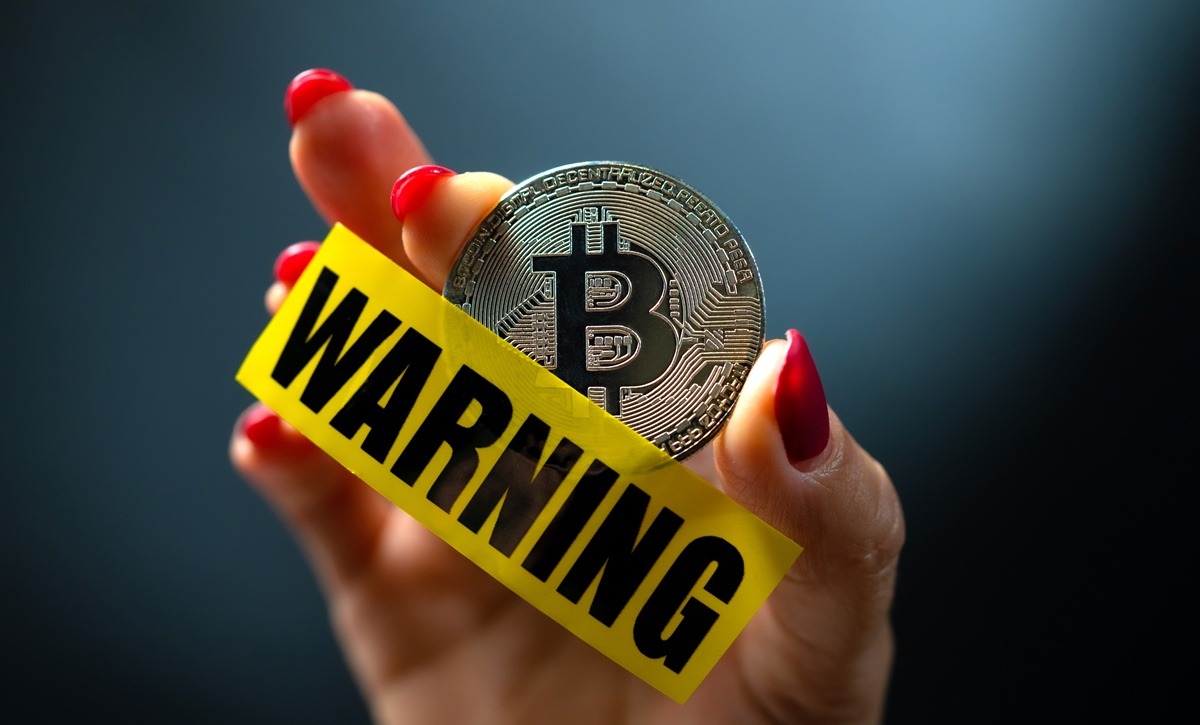
Register today at DNACrypto.co

Read more →

Crypto mining concept-based isometric design with 3D bitcoin between emerging rays on a blue background.

Why The Next Digital Asset Winners Will Be Infrastructure Companies, Not Crypto Brands

“The loudest brands will not win the next phase of digital assets. It will be won by the firms that make capital feel safe enough to stay.” DNA Crypto.

The Market Is Moving Beyond Attention

For much of crypto’s early growth, attention was enough to move capital. A strong narrative, a visible community, or a fast-moving brand could create momentum before the underlying structure had been properly tested. That period is becoming harder to replicate because investors are now more aware of counterparty risk, regulatory pressure, custody weaknesses, and the operational gaps that often lie behind attractive market stories.

As digital assets mature, capital is becoming more selective. Investors now prioritize infrastructure companies that can build trust when liquidity tightens, regulations shift, and operational pressures mount, making them essential for serious capital attraction.

Why Infrastructure Is Becoming More Valuable

The digital asset market is entering a more serious phase. Regulation rises, client expectations grow, and capital shifts toward systems that support long-term participation through changing market conditions, underscoring infrastructure’s critical role.

This is why infrastructure is becoming more valuable than visibility. Infrastructure is what allows clients to access assets safely, move liquidity, settle transactions, verify identity, monitor risk and operate within a controlled environment. It is rarely the most exciting part of the market, but it is often the part that determines whether serious capital can participate.

The next phase of digital assets is likely to be shaped by firms that can support:

  • – Secure client access
  • – OTC execution
  • – Stablecoin settlement
  • – Custody standards
  • – AML controls
  • – Transaction monitoring
  • – Tokenisation infrastructure
  • – Escrow frameworks
  • – Regulatory governance

These are not secondary features. They are the foundations of a market moving from speculation towards financial infrastructure.

The Real Shift Is From Exposure To Confidence

In early digital asset markets, the main question was often simple: how do investors get exposure? That question still matters, but it is no longer enough. The more important question is how investors remain comfortable with that exposure over time.

It also requires investors to believe that the firm they are dealing with can continue operating when conditions become more difficult, emphasizing resilience and reliability.

This is why infrastructure is closely connected to trust, making firms feel essential in providing reliable access, execution, and protection.

This is where capital behaviour changes. Money does not only follow opportunity. It follows the systems that make opportunity usable, trusted and repeatable.

OTC Rails Still Matter

OTC digital asset trading is often described as a service for larger transactions, but that is only part of the story. In a more regulated market, OTC becomes important because it is closely tied to execution quality, liquidity access, settlement discipline, and counterparty confidence. These are practical issues, not marketing points.

Clients need to understand how trades are executed, how settlement is managed, how counterparties are assessed, how AML checks are applied and how operational risk is controlled. As the market becomes more regulated, these questions become more important, especially for firms and clients that cannot afford settlement failure or unclear accountability.

This connects directly to the broader need for Bitcoin custody infrastructure, because the transaction does not end when the price is agreed upon. Settlement, custody, client protection and accountability all shape whether a digital asset service can be trusted. A serious OTC model is not just about price. It is about trust in the full transaction process.

Stablecoins Are Becoming Settlement Infrastructure

Stablecoins are among the clearest examples of digital assets moving from speculation to infrastructure. Their importance does not come from price movement. It comes from their potential role in settlement, liquidity movement, cross-border payments and working capital efficiency.

For businesses, investors and international operators, Stablecoins can offer a practical way to move value when speed, access and settlement certainty matter. But convenience alone is not enough to institutionalise that market. Stablecoins need compliant access, transaction monitoring, reliable liquidity, clear counterparties and strong operational controls.

This is why liquidity remains one of the most important themes in digital finance. As discussed in Markets, Price, and Liquidity, capital does not only seek returns. It searches for flexibility, movement and confidence. This is the difference between a digital asset that is useful in isolation and a financial rail that can support broader market activity.

Tokenisation Needs More Than Tokens

Tokenisation is often presented as if the token itself is the breakthrough, but that misses the deeper issue. The real value of Tokenisation is not simply putting an asset on-chain. It is the possibility of improving access, ownership, liquidity, administration and transferability around Real Assets and private markets.

For that to work, the structure behind the token matters more than the token itself. Investors need to understand:

  • – What asset sits behind the token
  • – What rights the token represents
  • – How ownership is recorded
  • – How income may be distributed
  • – How liquidity could be created
  • – How custody is managed
  • – How disputes are handled
  • – How regulation applies

This is why many Tokenisation projects will struggle to reach serious capital. As explored in Why Most Tokenised Assets Will Never Reach Institutional Capital, availability on-chain does not automatically make an asset investable at an institutional scale.

Tokenisation is an infrastructure story because the market will not scale simply by giving assets digital wrappers. It will scale when the legal, financial and operational structure around those assets gives investors confidence.

Escrow Could Become A Key Trust Layer

One of the biggest barriers to wider adoption of digital assets is trust in transactions. Digital assets can move quickly, but speed can also increase risk. Buyers and sellers often need greater confidence that both sides of a transaction are protected, especially in high-value transfers, OTC trading, property transactions, business sales and cross-border settlement.

This is where escrow infrastructure could become important. A stronger escrow model can bring together identity checks, compliance reviews, asset verification, settlement controls, dispute management, and transaction transparency. That matters because trust is not only created by regulation. It is also created by better transaction design.

Compliance Is Becoming Part Of The Product

Many firms still treat compliance as a cost centre. For smaller businesses, that is understandable because legal advice, regulatory planning, governance, monitoring and authorisation processes are expensive and time-consuming. But the market is moving toward compliance becoming part of the product itself.

Clients, counterparties and investors will increasingly want evidence of proper governance, AML processes, client protection, reporting standards, settlement discipline and operational resilience. This is also why MiCA crypto regulation matters beyond legal compliance. It is becoming part of how the market decides which firms can be trusted, which can scale, and which can continue operating through the next regulatory phase.

This changes the competitive landscape. Firms that can prove control may become more valuable than firms that only promise innovation. That does not make regulation easy, but it does make it central to trust.

Why Brands Alone Will Struggle

A strong brand can create awareness, but awareness does not guarantee durability. In digital assets, that distinction is becoming more important because a firm may have visibility, followers, and a polished message, yet still lack the infrastructure required to support serious capital.

It may not have the right legal framework, reliable access to liquidity, a strong custody model, or the governance depth required for a regulated market. That gap is becoming harder to hide as counterparties, clients, and investors apply more scrutiny.

The next winners may be quieter than the last ones. They may be more operational, more disciplined and more focused on settlement than slogans. They may win because they are useful, trusted and prepared.

Where DNA Crypto Fits

DNA Crypto’s focus has always been on the parts of digital assets that matter beyond speculation: Bitcoin, Stablecoins, OTC access, secure onboarding, compliance foundations, Tokenisation planning and future escrow infrastructure. That matters because the market is moving towards those same themes.

The next phase of digital assets will require platforms and partners that understand liquidity, trust, client protection, settlement and regulation. It will require firms that can build patiently around infrastructure rather than short-term attention.

This is not the easiest route, but it is the route serious markets eventually demand.

The Direction Of Travel

Digital assets are not disappearing. They are becoming more structured, and that structure will determine which firms become trusted, which firms attract serious capital, and which firms can operate amid regulatory pressure.

Bitcoin needs secure access and custody. Stablecoins need trusted settlement routes. Tokenisation requires a legal framework and investor confidence. OTC markets need clean execution and counterparty controls. Escrow models need compliance, identity and settlement discipline.

Each area points to the same conclusion: the market is moving from attention to infrastructure.

Conclusion

The next digital asset winners will not simply be the firms with the strongest marketing. They will be the firms that create confidence through infrastructure, liquidity, custody, settlement, compliance, governance and client protection.

That means building systems that serious capital can trust when markets are calm, and still trust when conditions become difficult. Crypto brands may continue to attract attention, but infrastructure companies are more likely to build a lasting market.

Relevant DNACrypto Articles

Image Source: Adobe Stock

Disclaimer: This article is for informational purposes only and does not constitute financial, legal, or investment advice.

Register today at DNACrypto.co

Read more →

Businessman in a business suit flying on a luxury private jet, concepts of travel, transportation, and a wealthy lifestyle.

Why Financial Freedom May Depend More on Liquidity Than Wealth

“Wealth measures what you own. Liquidity determines what you can do when conditions change.” DNA Crypto.

The Conversation Around Wealth Is Often Too Narrow

When people talk about financial freedom, the conversation usually begins with wealth.

How much has been accumulated?

How large is the portfolio?

How much is the asset worth?

These are important questions, but they do not fully explain financial flexibility. An investor can appear wealthy while still having limited access to usable capital, restricted exit options or exposure to assets that cannot move efficiently when conditions change.

That is where liquidity becomes more important.

Financial freedom is not only about what someone owns. It is also about how easily capital can be accessed, transferred, protected and redeployed when uncertainty appears.

Wealth And Liquidity Are Not The Same Thing

One of the most misunderstood ideas in finance is that wealth automatically creates flexibility.

It does not.

An investor may hold valuable assets but still face constraints if those assets are difficult to sell, transfer or borrow against. Property, private investments, business equity and alternative assets can all represent significant wealth while remaining relatively illiquid.

This creates a practical distinction.

Wealth shows balance sheet value.

Liquidity determines optionality.

That distinction becomes increasingly important during periods of stress, when investors need the ability to act rather than observe.

Liquidity Is What Creates Optionality

Liquidity enables investors to respond.

It allows capital to move between opportunities, protects against downside and remains useful during changing market conditions.

Without liquidity, wealth can become trapped inside structures that may be valuable on paper but difficult to use in practice.

Liquidity allows investors to:

  • – Reposition capital when conditions change
  • – Access opportunities quickly
  • – Reduce forced selling risk
  • – Manage uncertainty with greater control

As explored in market price liquidity, liquidity is not only a market feature. It is a form of protection.

Illiquid Wealth Can Become A Constraint

Many traditional stores of wealth are valuable but difficult to move quickly.

Property can preserve capital over time, but transactions may take months. Private investments can deliver strong returns, but exits may depend on specific market conditions. Business ownership may create long-term value, but that value is often tied to operational performance and buyer demand.

These assets can be powerful, but they are not always flexible.

Illiquidity becomes a problem when investors need:

  • – Fast access to capital
  • – Portfolio flexibility
  • – Cross-border movement
  • – Protection during market stress

This does not make illiquid assets unattractive.

It means investors need to understand the difference between long-term value and usable financial freedom.

Digital Assets Are Changing The Liquidity Conversation

Digital assets have changed investor expectations around access, settlement and capital movement.

Bitcoin, stablecoins, and Tokenisation are reshaping how investors think about liquidity by introducing markets and infrastructure that can operate continuously, globally, and digitally.

This does not remove risk.

It changes the nature of access.

Digital finance increasingly allows capital to move:

  • – Across borders
  • – Outside traditional banking hours
  • – Through digital settlement systems
  • – With greater ownership visibility

As explored in the Bitcoin liquidity role, Bitcoin’s growing liquidity profile is one reason it continues to attract attention from investors focused on resilience and capital mobility.

Stablecoins Have Made Liquidity More Practical

Stablecoins are becoming increasingly important because they enable value to move across digital markets without the volatility of many crypto assets.

For businesses, investors and platforms, Stablecoins can support faster settlement, working capital movement and cross-border liquidity.

This makes them an important part of the modern liquidity conversation.

As explored in Stablecoins working capital infrastructure, Stablecoins are no longer simply trading tools. They are becoming part of the infrastructure through which capital moves.

That matters because financial freedom depends not only on wealth creation but on the ability to move capital efficiently when required.

Tokenisation May Unlock A New Form Of Liquidity

Tokenisation is also changing how investors think about liquidity.

Historically, many real-world assets were difficult to access, transfer or exit. Tokenised infrastructure has the potential to improve ownership flexibility and create more efficient markets around assets that were previously slow-moving.

This is especially relevant for property, private credit and alternative investments.

As explored in tokenised real estate liquidity, the real value of Tokenisation lies beyond fractional ownership. It is the possibility of improving how capital enters, moves around and exits real-world assets.

Tokenisation will not make every asset liquid.

But it may change how liquidity is designed.

Investor Psychology Is Evolving

One of the most important shifts in modern finance is the growing awareness that asset size alone does not guarantee security.

The conversation is gradually shifting from:

  • – How much wealth has been built?

Towards:

  • – How accessible is that wealth?
  • – How quickly can capital move?
  • – How resilient is the structure?
  • – What happens when market conditions change?

These are more mature questions.

They reflect a market that is becoming less focused on headline valuations and more focused on practical financial resilience.

Where DNA Crypto Sits

DNA Crypto operates within this changing environment by supporting access to digital assets, liquidity infrastructure and Tokenisation frameworks through regulated onboarding and structured participation systems.

This reflects a broader shift in investor behaviour.

Capital is becoming more focused on flexibility, protection and long-term resilience. Investors increasingly want assets and systems that not only grow wealth but also allow capital to remain usable when uncertainty arises.

The Direction Of Travel

The future of financial freedom may be shaped less by asset size alone and more by liquidity, ownership and access.

As markets become more digital, investors are likely to focus increasingly on:

  • – Capital mobility
  • – Ownership control
  • – Settlement speed
  • – Liquidity resilience

These characteristics may ultimately define which financial systems attract the most durable capital.

Conclusion

Financial freedom is often misunderstood because it is usually measured by wealth.

But wealth alone does not guarantee flexibility.

Liquidity determines whether capital can move, respond and remain useful when conditions change.

As digital finance evolves, investors may increasingly recognise that true financial freedom depends not only on what they own, but on whether that capital can remain accessible, protected and mobile.

In uncertain markets, liquidity may become one of the most important forms of freedom.

Relevant DNACrypto Articles

Image Source: Adobe Stock

Disclaimer: This article is for informational purposes only and does not constitute financial, legal, or investment advice.
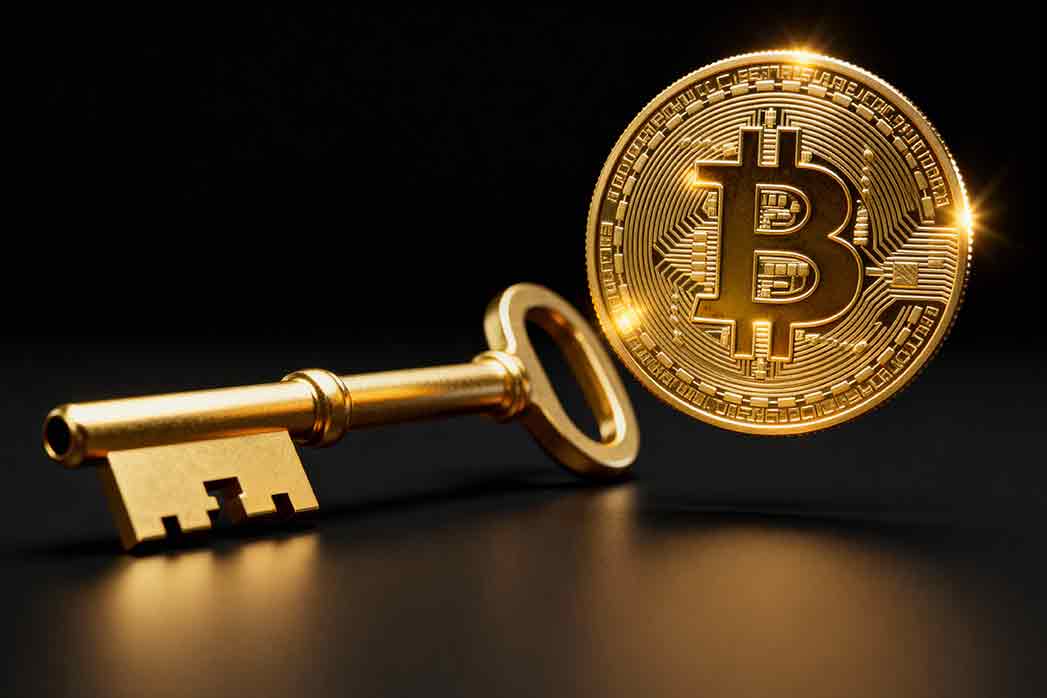
Register today at DNACrypto.co

Read more →

A senior man with grey hair wearing a Bitcoin t-shirt is shocked, covering his mouth with his hands in shock at the mistake. secret concept.

Why Most Investors Still Misunderstand Bitcoin

“Most people still evaluate Bitcoin as an investment. Increasingly, it may be more useful to understand it as infrastructure.” DNA Crypto.

The Conversation Around Bitcoin Is Often Too Narrow

When Bitcoin appears in financial headlines, the discussion usually revolves around one thing: price.

Will it rise?

Will it fall?

Is it overvalued?

Is it undervalued?

While these questions attract attention, they often miss the bigger picture. As Bitcoin continues to mature, many investors remain focused on its performance while overlooking the characteristics that may ultimately prove more significant.

The market may still be misunderstanding what Bitcoin actually is.

Bitcoin Is More Than a Speculative Asset

During its early years, Bitcoin was often viewed as a high-risk, speculative technology. That perception was understandable because adoption was limited, liquidity was developing, and market participation remained relatively small.

Today, the environment looks very different.

Bitcoin increasingly functions as:

  • – A global liquidity network
  • – A settlement system
  • – A digital ownership framework
  • – A monetary infrastructure layer

As explored in Bitcoin as financial infrastructure, Bitcoin’s significance increasingly extends beyond price appreciation alone.

Ownership May Matter More Than Performance

One of the most important shifts occurring within digital finance is the growing focus on ownership.

Historically, investors often prioritised exposure. Increasingly, they are paying closer attention to:

  • – Who controls the asset
  • – How ownership is secured
  • – Whether access remains available during uncertainty
  • – How dependency on intermediaries is reduced

As explored in Bitcoin ownership vs exposure, direct ownership and financial exposure are not always the same thing.

This distinction becomes increasingly important as digital assets integrate into long-term financial planning.

Liquidity Is Often Overlooked

Investors frequently focus on returns while paying less attention to liquidity.

Yet liquidity determines whether capital can:

  • – Move efficiently
  • – Respond to changing conditions
  • – Remain accessible
  • – Maintain flexibility during uncertainty

As explored in Bitcoin, liquidity is becoming one of Bitcoin’s most important characteristics as institutional participation expands.

In many respects, liquidity may ultimately prove more valuable than volatility.

Bitcoin Solves Different Problems for Different Investors

Another reason Bitcoin is often misunderstood is that investors approach it from very different perspectives.

Some see:

  • – An investment opportunity
  • – A hedge against monetary instability
  • – A diversification mechanism
  • – A global ownership system

Others increasingly view Bitcoin as infrastructure that can support financial participation beyond traditional limitations.

This diversity of use cases explains why Bitcoin continues to attract attention across retail, institutional and sovereign markets.

The Market Is Still Learning How to Value Bitcoin

Traditional valuation frameworks were designed around:

  • – Corporate earnings
  • – Cash flow generation
  • – Physical assets
  • – Economic output

Bitcoin does not fit neatly into these categories.

This often leads investors to evaluate Bitcoin using incomplete frameworks that focus exclusively on price rather than utility, liquidity or network effects.

As explored in Bitcoin vs inflation, Bitcoin increasingly occupies a unique position within modern financial systems.

Investor Psychology Is Evolving

One of the most interesting developments within digital finance is the changing psychology of investors themselves.

The conversation is gradually shifting from:

  • – How much could Bitcoin increase in value?

Towards:

  • – What role does Bitcoin play within a portfolio?
  • – How does ownership change financial flexibility?
  • – What happens when traditional systems become less efficient?
  • – How should liquidity be valued?

These are more sophisticated questions.

And they may ultimately be more important.

Where DNA Crypto Sits

DNA Crypto operates within this evolving landscape by supporting access to Bitcoin through regulated onboarding, liquidity infrastructure and secure participation frameworks.

This reflects a broader market shift in which investors increasingly prioritise ownership, resilience, and long-term strategic positioning alongside growth.

The Direction Of Travel

Bitcoin’s future may be shaped less by short-term price movements and more by how it integrates into global financial infrastructure.

As markets mature, investors are likely to focus increasingly on:

  • – Ownership
  • – Liquidity
  • – Settlement
  • – Financial resilience

These characteristics may ultimately define Bitcoin’s long-term significance.

Conclusion

Most investors still misunderstand Bitcoin because they continue to evaluate it primarily through the lens of price.

Price matters.

But ownership, liquidity, settlement and financial infrastructure may prove equally important as adoption continues to expand.

The next phase of Bitcoin’s evolution may not be defined by speculation.

It may be defined by utility.

Relevant DNACrypto Articles

Image Source: Adobe Stock

Disclaimer: This article is for informational purposes only and does not constitute financial, legal, or investment advice.

Register today at DNACrypto.co

Read more →

Cryptocurrency trading strategy on mobile device with stock market graph.

Why Liquidity Is Becoming More Valuable Than Growth

“Growth attracts attention during expansion. Liquidity becomes priceless when conditions change.” DNA Crypto.

The Investment Environment Is Becoming More Defensive

For much of the last decade, global markets rewarded growth above almost everything else. Investors prioritised expansion, aggressive positioning and long-duration risk because liquidity remained abundant and capital was relatively inexpensive.

That environment is beginning to shift.

Higher interest rates, tighter credit conditions and broader economic uncertainty are changing how investors evaluate risk. Increasingly, the focus is moving away from pure growth potential and towards flexibility, resilience and capital preservation.

This transition is making liquidity significantly more valuable.

Liquidity Determines Whether Capital Can Survive Stress

Growth matters when markets are stable, and confidence remains high.

Liquidity matters when conditions become uncertain.

An investment may perform strongly during expansion cycles, but if capital cannot move efficiently during stress, investors become exposed to a very different category of risk.

This is why liquidity increasingly sits at the centre of institutional decision-making.

As explored in market price liquidity, liquidity determines whether investors can:

  • – Reposition capital efficiently
  • – Manage risk dynamically
  • – Maintain operational flexibility
  • – Survive periods of instability

This distinction becomes increasingly important in uncertain macroeconomic environments.

The Era of Easy Capital Is Changing

During periods of abundant liquidity, investors often prioritise:

  • – Rapid expansion
  • – Speculative growth
  • – Long-duration assets
  • – Aggressive capital deployment

As financial conditions tighten, capital becomes more selective.

Investors increasingly favour assets and infrastructure capable of providing:

  • – Reliable liquidity pathways
  • – Operational resilience
  • – Capital flexibility
  • – Sustainable market participation

This is one reason liquidity is becoming more valuable than growth alone.

Digital Markets Have Accelerated the Importance of Liquidity

Digital finance operates continuously across global markets, increasing both opportunities and pressures for liquidity management.

Bitcoin, stablecoins, and digital settlement infrastructure enable capital to move:

  • – Across jurisdictions
  • – Outside banking hours
  • – Through continuously operating markets
  • – With reduced settlement delays

As explored in Stablecoins working capital infrastructure, liquidity itself is becoming part of the competitive advantage within modern financial systems.

Liquidity Is Reshaping Investor Behaviour

As uncertainty increases, investors are beginning to focus less on maximum upside and more on:

  • – Access to capital
  • – Speed of settlement
  • – Market depth
  • – Operational continuity

This shift is psychological as much as financial.

Markets mature when investors stop evaluating assets solely by performance potential and begin assessing how resilient those assets remain under pressure.

This is increasingly visible across:

  • – Institutional allocation models
  • – Treasury management strategies
  • – Digital asset custody frameworks
  • – Real-world asset Tokenisation

Real Assets and Liquidity Are Beginning to Converge

Historically, many real-world assets offered stability but lacked flexibility because transactions were slow, ownership structures were complex, and exits could take significant time.

Tokenisation is beginning to reshape this dynamic by connecting real assets to digital liquidity infrastructure.

As explored in Tokenised real estate liquidity, Tokenisation can improve:

  • – Accessibility
  • – Transferability
  • – Ownership flexibility
  • – Cross-border participation

This creates a market where investors increasingly seek both:

  • – Stability
  • – Liquidity

Rather than viewing them as separate investment objectives.

Bitcoin Continues to Benefit From Deepening Liquidity

Bitcoin’s growing institutional relevance is connected not only to adoption, but also to liquidity depth.

As liquidity expands, Bitcoin increasingly functions as:

  • – A global liquidity reserve
  • – A continuously operating settlement layer
  • – A portable financial asset
  • – A strategic diversification mechanism

As explored in the Bitcoin liquidity role, liquidity itself is becoming central to Bitcoin’s role within broader financial infrastructure.

Where DNA Crypto Sits

DNA Crypto operates within this evolving environment by supporting access to digital assets, liquidity infrastructure and Tokenisation frameworks through regulated onboarding and structured participation systems.

This positioning reflects a broader market shift in which liquidity, resilience, and operational flexibility are becoming increasingly valuable alongside growth.

The Direction Of Travel

The market is not abandoning growth.

It is re-pricing the importance of liquidity.

As economic conditions become more uncertain, investors increasingly value the ability to move, protect and manage capital efficiently across changing environments.

This is likely to become one of the defining characteristics of the next phase of digital finance.

Conclusion

Liquidity is becoming more valuable than growth because uncertainty changes how investors think about risk and survival.

Growth remains important, but markets increasingly reward assets and infrastructure capable of maintaining flexibility, resilience and operational continuity under pressure.

The next generation of financial systems may ultimately be defined not only by how much capital they can attract, but by how effectively capital can continue to move within them.

Relevant DNACrypto Articles

Image Source: Adobe Stock

Disclaimer: This article is for informational purposes only and does not constitute financial, legal, or investment advice.

Register today at DNACrypto.co

Read more →