
Wooden scale balancing bitcoin and a question mark on white background.

The Biggest Risk in Crypto Is Not Volatility

“Volatility is visible. Structural risk is usually hidden until liquidity disappears.” DNA Crypto.

Most Investors Focus on the Wrong Risk

Crypto markets are often defined by volatility. Sharp price movements dominate headlines, shape public perception and influence how investors think about digital assets.

As a result, volatility has become almost synonymous with risk itself.

However, experienced investors increasingly understand that price fluctuations are often the most visible risk rather than the most dangerous one. The bigger risks in financial markets usually sit beneath the surface, embedded in liquidity, custody, counterparties, and infrastructure.

This distinction matters because markets rarely fail simply because prices move.

They fail when systems stop functioning under pressure.

Volatility Is Often a Feature of Emerging Markets

Volatility is not unique to crypto. Throughout financial history, emerging asset classes have experienced periods of instability as liquidity deepens, adoption expands, and market participation matures.

In many cases, volatility reflects growth, discovery and evolving market structure rather than systemic weakness alone.

Bitcoin itself has historically experienced significant volatility while continuing to attract:

  • – Institutional adoption
  • – Treasury allocation
  • – Sovereign interest
  • – Long-term capital participation

As explored in Bitcoin volatility, volatility alone does not explain whether an asset ultimately succeeds or fails.

Liquidity Risk Is Often More Dangerous

Liquidity determines whether capital can move efficiently through markets during periods of uncertainty.

An investor may tolerate price fluctuations if they can reposition capital when needed. Problems emerge when liquidity weakens, and exits become constrained.

This is where structural fragility becomes visible.

As explored in the context of market price liquidity, markets under stress often reveal that liquidity was thinner than participants initially assumed.

This creates a very different category of risk from volatility alone.

Counterparty Risk Continues to Shape the Industry

One of the most significant lessons from previous crypto market failures is that investors are often exposed not only to assets, but also to the behaviour and stability of intermediaries.

Counterparty exposure can emerge through:

  • – Centralised exchanges
  • – Lending platforms
  • – Custodial arrangements
  • – Settlement dependencies

As explored in Bitcoin counterparty risk, many losses within crypto markets have historically resulted from structural failures rather than asset volatility itself.

This is why sophisticated investors increasingly focus on where dependency exists within the system.

Custody Is Becoming a Defining Issue

Ownership in digital markets depends heavily on custody and control. As larger pools of capital enter the market, custody infrastructure is becoming central to risk evaluation.

The conversation is no longer simply about whether an asset rises or falls in value.

It increasingly revolves around:

  • – Who controls the asset
  • – How ownership is secured
  • – Whether access can be maintained under stress
  • – How operational risk is managed

As explored in Bitcoin custody infrastructure, secure custody frameworks are becoming foundational to institutional participation.

Dependency Is Emerging as a Core Financial Risk

Many investors still evaluate markets primarily through price performance. Increasingly, however, the larger concern is dependency.

Dependency on:

  • Banking systems
  • – Centralised intermediaries
  • – Restricted liquidity pathways
  • – Fragile settlement infrastructure

As explored in Why dependency, not volatility, is the biggest financial risk, modern financial systems often appear stable until pressure exposes where concentration and reliance actually exist.

This is one reason Bitcoin and decentralised infrastructure continue to attract long-term interest despite volatility.

Risk Is Moving From Price to Structure

As digital asset markets mature, investors are increasingly shifting from speculative thinking towards structural analysis.

The focus is gradually moving from:

  • – “Will prices rise?”

Towards:

  • – “Where does risk actually sit?”
  • – “Can liquidity survive under pressure?”
  • – “Who controls access?”
  • – “What happens if systems fail?”

This reflects a broader evolution in how sophisticated capital approaches digital markets.

Where DNA Crypto Sits

DNA Crypto operates within this changing environment by focusing on regulated onboarding, liquidity access and structured digital asset infrastructure designed to support long-term participation.

This reflects a broader market transition towards environments where protection, ownership and operational resilience are becoming increasingly important alongside opportunity.

The Direction Of Travel

As crypto markets continue to mature, the conversation around risk is likely to become more sophisticated.

Volatility will remain part of the market.

But investors are increasingly recognising that structural fragility, liquidity dependency and counterparty exposure often create far greater long-term risk.

Conclusion

The biggest risk in crypto is not always volatility.

It is the hidden structural weaknesses that only become visible when markets come under pressure.

As digital finance evolves, investors are increasingly prioritising liquidity, custody, ownership and operational resilience alongside growth potential.

Because in the end, surviving uncertainty matters more than simply predicting price movements.

Relevant DNACrypto Articles

Image Source: Adobe Stock

Disclaimer: This article is for informational purposes only and does not constitute financial, legal, or investment advice.


Register today at DNACrypto.co.

Read more →

A bull made out of bitcoin, symbolising money gain in the cryptocurrency market.

The Next Crypto Bull Market Will Be Built on Trust

“The next phase of crypto growth will not be driven by hype alone. It will be driven by trust.” DNA Crypto.

The Market Is Maturing Quietly

Previous crypto cycles were largely driven by speculation, retail participation and rapid capital inflows into emerging narratives. Markets expanded quickly because access was easy, liquidity was abundant and risk was often ignored during periods of optimism.

The environment now looks different.

Capital entering the market is becoming more selective, more structured and increasingly focused on long-term sustainability rather than short-term momentum. This transition is subtle, but it is reshaping how the next market cycle will develop.

The next bull market will still require innovation and growth, but it will also require trust.

Trust Is Becoming Infrastructure

In traditional finance, trust is embedded within systems through regulation, custody, governance and operational standards. Crypto markets historically developed outside many of those frameworks, which accelerated innovation but also increased uncertainty.

As digital asset markets mature, trust is increasingly becoming part of the infrastructure itself.

This includes:

  • – Regulated onboarding and compliance frameworks
  • – Secure custody and asset protection systems
  • – Transparent market structure and liquidity
  • – Reliable settlement and operational controls

As explored in MiCA crypto regulation, regulation is no longer simply a restriction on markets. It is increasingly becoming a foundation for institutional participation.

Liquidity Determines Confidence

Trust in financial markets is closely linked to liquidity because investors need confidence that capital can move efficiently under changing market conditions.

Markets that lack depth may attract attention temporarily, but they struggle to retain capital when volatility increases or sentiment weakens.

As explored in markets price liquidity, liquidity is what allows markets to absorb pressure without destabilising.

This is why capital increasingly concentrates around assets and platforms where liquidity is strongest and most reliable.

Custody Is No Longer Optional

As more institutional and high-net-worth capital enters crypto markets, custody has become central to investor confidence.

The market is moving beyond the early assumption that security is purely the responsibility of the individual investor. Increasingly, investors expect infrastructure that protects ownership while reducing operational risk.

This includes:

  • – Institutional-grade storage solutions
  • – Multi-layer security frameworks
  • – Clear operational controls and governance
  • – Insurance and compliance integration

As explored in crypto custody infrastructure, custody is evolving from a technical feature into a core component of market trust.

Bitcoin Continues to Anchor the Market

While innovation across digital assets continues to expand, Bitcoin remains the primary trust anchor within the crypto ecosystem.

This is largely because it combines:

  • – Deep liquidity
  • – Global recognition
  • – Decentralised infrastructure
  • – Growing institutional integration

As outlined in Bitcoin as financial infrastructure, Bitcoin increasingly functions as a foundational layer within digital finance rather than simply a speculative asset.

Tokenisation Requires Trust to Scale

Tokenisation continues to attract attention because it improves access to real-world assets and introduces more efficient financial infrastructure. However, accessibility alone will not drive institutional adoption.

Markets scale when investors trust:

  • – The structure
  • – The liquidity
  • – The legal framework
  • – The exit pathways

As explored in Tokenisation infrastructure, scalable tokenised markets require the same confidence mechanisms that support traditional finance.

The Next Cycle Will Reward Structure

The previous era of crypto rewarded speed and speculation. The next phase is more likely to reward structure, resilience and operational maturity.

Capital is increasingly moving towards environments where:

  • – Liquidity supports long-term participation
  • – Regulation reduces uncertainty
  • – Custody frameworks protect ownership
  • – Infrastructure enables scalable growth

This does not remove opportunity from the market.

It changes where opportunity concentrates.

Where DNA Crypto Sits

DNA Crypto operates within this transition by providing access to digital asset markets through regulated infrastructure, secure onboarding and liquidity-focused frameworks.

This positioning reflects the broader direction of the market, which is increasingly moving towards environments where growth is supported by trust rather than disconnected from it.

The Direction Of Travel

Crypto markets are entering a phase where maturity matters more than novelty. Innovation will continue to shape the industry, but long-term capital will increasingly prioritise protection, structure and confidence.

This is how financial systems evolve.

Not by eliminating risk, but by building trust around it.

Conclusion

The next crypto bull market will not be built solely on excitement or speculation.

It will be built on trust.

Markets that combine liquidity, custody, regulation and operational resilience will increasingly attract the capital that defines long-term growth.

In the next phase of digital finance, trust will not slow the market down.

It will allow it to scale.

Relevant DNACrypto Articles

Image Source: Adobe Stock

Disclaimer: This article is for informational purposes only and does not constitute financial, legal, or investment advice.
Register today at DNACrypto.co

Read more →

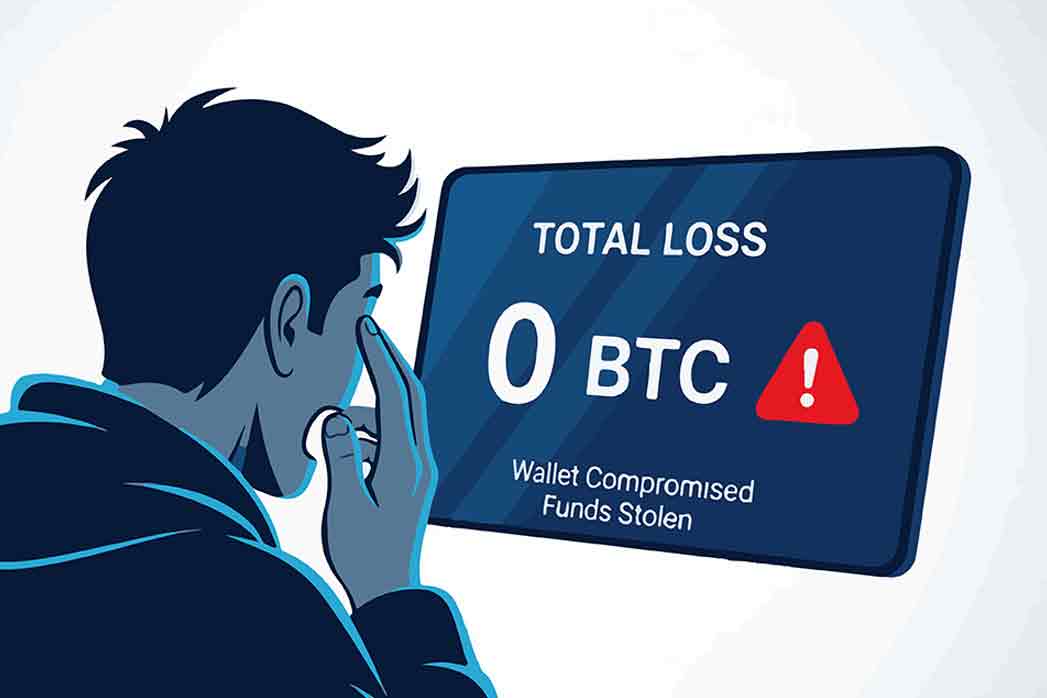
A person reacts in dismay to a screen displaying total crypto loss and stolen funds.

Why Safety Is Becoming the Most Valuable Asset in Crypto

“In uncertain markets, returns attract attention. Safety attracts capital.” DNA Crypto.

The Market Is Beginning to Reprice Risk

For much of its history, crypto has been defined by growth, innovation and rapid expansion. Capital has largely been driven by opportunity, with returns often outweighing considerations around risk and structure.

That dynamic is changing.

As markets mature, participants are becoming more selective, and the focus is shifting from how much can be made to how much can be protected. This is not a retreat from opportunity, but a recalibration of priorities.

Safety is no longer a secondary consideration.

It is becoming a primary driver of capital allocation.

Safety Is Not the Absence of Risk

One of the most common misunderstandings is that safety implies stability or the removal of risk altogether. In financial markets, that is rarely the case.

Safety is defined by how risk is understood, managed and distributed across a system. It is the ability to remain positioned through volatility rather than being forced out by it.

This distinction matters because markets reward those who can stay invested over time, not just those who enter at the right moment.

Where Risk Actually Sits

Risk in crypto is often associated with price volatility, but that is only one component. In practice, the more significant risks tend to lie beneath the surface, embedded in market structures and operational frameworks.

These include:

  • – Counterparty risk, where access to assets depends on third parties
  • – Custody risk, where ownership is compromised by weak storage solutions
  • – Liquidity risk, where capital cannot exit efficiently under pressure
  • – Structural risk, where markets lack the depth required to function reliably

As explored in crypto risk management, understanding where risk sits is more important than attempting to eliminate it.

Custody Is Becoming Central to Protection

As capital increases, the importance of custody becomes more pronounced. Ownership in digital markets is defined not by registration, but by control, and that control depends on how assets are secured.

This is why custody is increasingly viewed as infrastructure rather than a feature.

As outlined in crypto custody infrastructure, secure custody frameworks allow investors to maintain control while reducing exposure to operational risk.

Without it, safety cannot be guaranteed.

Liquidity Defines Practical Safety

Safety is often discussed in theoretical terms, but in practice, it is closely linked to liquidity. An asset may appear secure, but if capital cannot move when needed, that security is limited.

As explored in market price liquidity, liquidity determines whether investors can respond to changing conditions without significant loss.

This is where protection becomes practical rather than conceptual.

Regulation Introduces Structural Protection

Regulatory frameworks such as MiCA are reshaping how safety is defined within crypto markets. By introducing standards around custody, transparency and operations, they provide a baseline level of protection for participants.

This does not eliminate risk, but it reduces uncertainty, which is often the greater concern for institutional capital.

As explored in MiCA crypto regulation, structured environments attract capital because they allow risk to be assessed more clearly.

Opportunity Still Exists, But It Is More Selective

The shift towards safety does not mean that opportunity disappears. It means that opportunity becomes more selective and more closely tied to structure.

Capital is increasingly moving towards:

  • – Assets with strong liquidity and market depth
  • – Platforms with reliable custody and governance
  • – Systems that integrate with broader financial infrastructure

This reflects a broader transition from speculative participation to structured allocation.

Where DNA Crypto Sits

DNA Crypto operates within this evolving environment by focusing on access to digital assets through secure, regulated and structured frameworks. This includes supporting custody solutions, facilitating access to liquidity, and aligning with regulatory standards to enable long-term participation.

This positioning reflects a market that is no longer driven solely by opportunity, but by the balance between opportunity and protection.

The Direction Of Travel

As crypto markets continue to mature, safety will become increasingly embedded within infrastructure rather than treated as an external consideration.

Capital will concentrate in environments where protection is built into the system, not added as an afterthought.

This is how markets evolve.

From expansion to selection.

Conclusion

Safety is becoming the most valuable asset in crypto because it defines whether capital can remain positioned through uncertainty.

Returns may attract attention, but protection determines whether those returns can be realised over time.

In the next phase of digital finance, the advantage will not belong to those who take the most risk, but to those who understand how to manage it.

Relevant DNACrypto Articles

Image Source: Adobe Stock

Disclaimer: This article is for informational purposes only and does not constitute financial, legal, or investment advice.

Register today at DNACrypto.co

Read more →

Generative AI, Bitcoin with golden yellow and black liquid, a digital cryptocurrency coin. Mining or blockchain technology.

Liquidity Is the Real Power in Crypto Markets

“Markets are not defined by price. They are defined by liquidity.” DNA Crypto.

Most Analysis Starts in the Wrong Place

Crypto markets are typically analysed in terms of price, volatility and short-term performance. These are the most visible signals, which is why they dominate the discussion. However, they are outcomes rather than drivers, and focusing on them alone often leads to a shallow understanding of how markets actually function.

What matters more is the structure beneath those movements, particularly the availability and depth of liquidity.

Liquidity Is What Allows Markets to Function

Liquidity determines whether capital can enter or exit a position efficiently without materially impacting price. It shapes how stable a market remains under pressure and how effectively it can absorb new capital over time.

As explored in the context of market price liquidity, liquidity is not simply a trading metric but a defining characteristic of market structure. Without it, markets may exist in form, but not in function.

Narratives Attract Capital. Liquidity Retains It

Each market cycle is driven by narratives that attract attention and capital inflows. These narratives can drive rapid growth, particularly in the early phases, but they rarely provide the conditions necessary for sustained participation.

Capital does not remain where it cannot move with confidence. When liquidity is limited, even strong demand becomes unstable, and markets struggle to maintain equilibrium.

This is why many projects experience rapid appreciation followed by equally rapid decline. The issue is rarely the absence of interest, but the absence of structure to support that interest over time.

Why Markets Break Under Pressure

When conditions tighten, liquidity becomes the primary determinant of stability. Assets that appeared strong during expansion phases often weaken as capital attempts to exit, revealing structural limitations that were previously hidden.

This dynamic is not unique to crypto, but it is more visible due to the speed at which capital moves. Markets do not fail because sentiment disappears; they fail because liquidity is insufficient to support large-scale repositioning.

Tokenisation and Liquidity Are Directly Linked

Tokenisation is often associated with increased accessibility, but accessibility alone does not create a functioning market. What it does is broaden participation, which is only valuable if supported by liquidity.

As explored in tokenised real estate liquidity, tokenised assets require the same structural components as traditional markets, including depth, counterparties and exit pathways.

Without these, Tokenisation improves distribution but does not solve the underlying liquidity challenge.

Liquidity Depends on Structure

Liquidity does not emerge automatically. It is built through a combination of factors that support consistent capital movement:

  • – Active participation from buyers and sellers
  • – Reliable pricing mechanisms and market depth
  • – Clear entry and exit pathways for investors
  • – Integration with broader financial systems

These elements build confidence, and that confidence allows capital to remain in the market rather than treating it as a short-term opportunity.

Stablecoins Enable Movement, Not Depth

Stablecoins play a critical role in enabling capital to move efficiently across markets, providing the settlement layer that supports trading and transfer activity. However, movement alone does not guarantee depth.

As explored in Stablecoins working capital infrastructure, liquidity requires sustained participation, not just efficient rails.

Stablecoins enable flow, but structure determines whether that flow becomes durable liquidity.

Bitcoin as the Liquidity Anchor

Bitcoin continues to function as the primary liquidity anchor within crypto markets, particularly during periods of uncertainty. It absorbs capital when risk increases and provides a reference point for value across the ecosystem.

As outlined in Bitcoin as financial infrastructure, its role extends beyond price performance to supporting the stability and coherence of the broader market.

The Direction of Capital

Over time, capital moves towards markets where liquidity is deepest, most reliable and most integrated into broader financial systems. This concentration is not accidental; it reflects a preference for environments where capital can operate with confidence.

As liquidity consolidates, so does influence, shaping which assets, platforms and systems become dominant.

Conclusion

Crypto markets are not defined by innovation alone, nor by the narratives that capture attention during expansion phases. They are defined by liquidity, which determines whether capital can move, remain and scale.

The projects and systems that succeed will not be those that attract the most attention, but those that provide the structure required for sustained capital participation.

Liquidity is not a feature of markets.

It is what gives them power.

Relevant DNACrypto Articles

Image Source: Adobe Stock

Disclaimer: This article is for informational purposes only and does not constitute financial, legal, or investment advice.

Register today at DNACrypto.co

Read more →

Bitcoin physical coin laying on top of 100 Euro bills.

Fiat On-Ramps Are Crypto’s Weakest Link

“The hardest part of digital finance is not moving crypto. It is moving money into it.” DNA Crypto.

The Illusion of Seamless Crypto

Crypto markets present themselves as fast, efficient and always accessible.

Transactions settle quickly, liquidity is visible, and systems operate continuously without traditional market hours. From a digital perspective, the infrastructure appears highly developed.

However, this efficiency exists only within the crypto environment.

The moment capital needs to enter or exit that system, friction reappears. The transition between fiat and digital assets remains one of the least efficient parts of the entire market.

This is where the real constraint sits.

Banking Remains the Gatekeeper

Despite the growth of digital assets, fiat currency still dominates global finance.

Every participant entering the crypto market must pass through the banking system. This introduces dependencies that crypto itself was designed to reduce, but has not eliminated.

Banks control access.

They determine which transactions are permitted, how funds are transferred, and how long settlement takes. Payment providers add additional layers of control, each introducing delays, costs and operational complexity.

This creates an asymmetry.

Crypto operates at network speed. Fiat operates at institutional speed.

Friction Defines the User Experience

For many participants, the most difficult part of engaging with digital assets is not trading or custody. It is onboarding.

Common challenges include:

  • – Delays in bank transfers
  • – Payment rejections or restrictions
  • – Unclear compliance requirements

These issues are not technical failures within crypto systems. They are structural limitations within the fiat system.

As explored in crypto payments infrastructure, the bottleneck is not within blockchain networks, but at the interface between financial systems.

Liquidity Begins With Access

Liquidity is often discussed in terms of trading volume and market depth.

However, liquidity originates earlier in the process.

It begins with access to capital.

If capital cannot enter the system efficiently, liquidity cannot scale. Delays, restrictions and uncertainty at the onboarding stage reduce participation and limit market efficiency.

This has direct implications:

  • – Slower capital inflows
  • – Reduced trading activity
  • – Higher execution costs

Markets cannot grow faster than their access points.

Regulation Is Reshaping Fiat Access

The introduction of regulatory frameworks such as MiCA is beginning to standardise how fiat interacts with digital assets.

While regulation introduces additional requirements, it also creates clarity. Banks and payment providers are more willing to engage with crypto businesses that operate within defined compliance structures.

This leads to a more stable environment for fiat on-ramps, but it also raises the standard for participation.

Access is no longer open by default. It must be structured and compliant.

The Role of the Broker Layer

The complexity of fiat on-ramps creates a need for an intermediary layer that can manage these interactions efficiently.

Brokers operate within this space by coordinating:

  • – Fiat inflows from banking systems
  • – Conversion into digital assets
  • – Settlement across crypto networks

This reduces friction for clients and provides a structured pathway into the market.

Rather than navigating multiple systems independently, participants can access a unified process that manages both compliance and execution.

Where DNA Crypto Sits

DNA Crypto is positioned within this interface between fiat and digital assets.

The focus is on providing a structured, compliant and efficient onboarding process that enables clients to move capital into Bitcoin markets without unnecessary friction.

This includes:

  • – Coordinated fiat transfers through regulated channels
  • – Secure execution of crypto transactions
  • – Transparent processes aligned with AML and KYC requirements

This is not an additional service layer. It is a core part of market infrastructure.

The Constraint Becomes the Opportunity

In developing markets, the weakest point often becomes the most valuable.

Fiat on-ramps represent a constraint today, but they also represent an opportunity for infrastructure providers that can reduce friction and improve access.

As digital assets integrate more deeply with traditional finance, the ability to move capital efficiently between systems will become increasingly important.

This is where long-term value is created.

The Direction Of Travel

Crypto has solved many aspects of digital value transfer.

It has not yet solved the entry point.

The next phase of market development will focus on improving how capital enters and exits digital systems. This will involve closer integration with banking infrastructure, clearer regulatory frameworks and more sophisticated execution layers.

Markets scale when access improves.

Fiat on-ramps are no longer a secondary concern.

They are central to the future of digital finance.

Relevant DNACrypto Articles

Image Source: Adobe Stock

Disclaimer: This article is for informational purposes only and does not constitute financial, legal, or investment advice.

Register today at DNACrypto.co.

Read more →

Hands exchanging a glowing Bitcoin with electric sparks.

Crypto Payments Infrastructure for Serious Businesses

“Payments are not about coins. They are about settlement credibility.” DNA Crypto.

Why Crypto Payments Now Require Infrastructure

Crypto payments have moved beyond retail experimentation. What began as simple wallet acceptance is now entering treasury policy discussions, cross-border settlement planning, and board-level risk assessments. Businesses are no longer asking whether they can accept crypto. They are asking more disciplined questions:

  • – How is settlement structured and verified?
  • – Where does regulatory responsibility sit?
  • – How is volatility managed within treasury policy?
  • – What is the accounting treatment?
  • – Who controls custody and execution?

The distinction between a retail gateway and a true crypto payments infrastructure lies in operational discipline. DNACrypto provides structured crypto payment services for companies that require compliant onboarding, secure execution, and transparent settlement. Learn more at DNACrypto Crypto Payments.

Settlement Is the Real Product

Crypto payments are often marketed around speed. Speed alone is not a strategic advantage. Settlement finality is. Unlike card networks that rely on layered intermediaries and reversible transactions, blockchain-based settlement offers:

  • – Direct on-chain transfer
  • – Transparent transaction verification
  • – Defined confirmation thresholds
  • – Reduced chargeback exposure
  • – Programmable reconciliation

As discussed in Credible Settlement 2026, durable financial systems are defined by settlement credibility, not promotional adoption. Crypto payments are not simply an alternative rail. They represent an upgrade in settlement architecture.

Compliance Is Foundational

Institutional adoption requires regulatory clarity. Europe’s MiCA framework has formalised expectations around custody, stablecoins, and operational governance. Structured onboarding, AML procedures, and documented transaction records are now baseline requirements rather than optional features. Our framework aligns with the themes outlined in MiCA Regulation and MiCA’s Impact on OTC Trading. For businesses, this means:

  • – Defined KYC and KYB onboarding
  • – Documented transaction records
  • – Structured fiat on and off-ramp processes
  • – Clear fee transparency
  • – Audit-ready reporting

Crypto payments without compliance discipline introduce operational risk. Infrastructure removes it.

Volatility Is a Treasury Decision

Volatility is often cited as a barrier to accepting crypto. The issue is rarely volatility itself. It is the absence of a treasury structure. Businesses can implement:

  • – Immediate conversion to fiat
  • – Partial treasury retention strategies
  • – Stablecoin settlement models
  • – Bitcoin balance sheet allocation policies
  • – Liquidity-aware hedging structures

As explored in Bitcoin Volatility, price movements frequently reflect broader liquidity cycles rather than structural instability. Crypto payments should be evaluated as treasury infrastructure, not speculation.

Cross-Border Efficiency Without Legacy Drag

International businesses continue to navigate correspondent banking delays, foreign exchange friction, and layered transaction costs. Blockchain settlement enables programmable cross-border transfers without legacy clearing chains. This structural shift reflects the broader evolution described in Money Is Becoming a Network. Payments are increasingly verified by network consensus rather than institutional gatekeeping.

Who Should Consider Crypto Payments Infrastructure

Structured crypto payments infrastructure is particularly relevant for:

  • – Cross-border service providers
  • – High-margin digital businesses
  • – International property transactions
  • – Private client advisory firms
  • – Companies serving crypto-native customers

DNACrypto supports businesses that require professional execution, regulated onboarding, and treasury integration rather than plug-in retail tools.

The Strategic View

Crypto payments are not a marketing feature. They are part of a broader transition toward programmable, auditable, network-based money. Businesses that treat payments as infrastructure will adapt more effectively than those that treat them as a trend. DNACrypto’s crypto payments service is structured for companies that prioritise:

  • – Regulatory clarity
  • – Transparent execution
  • – Defined custody processes
  • – Treasury integration
  • – Long-term operational credibility

Explore our regulated crypto payments framework at DNACrypto.co.

Relevant DNACrypto Articles

Image Source: Adobe Stock
Disclaimer: This article is for informational purposes only and does not constitute financial, legal, or investment advice. Businesses should conduct independent due diligence before implementing digital asset payment solutions. Register today at DNACrypto.co

Read more →

Bitcoin symbol on a mainboard.

Quantum Computing Didn’t Break Markets. It Exposed How Brittle the Old Ones Already Were.

“Quantum did not create fragility. It revealed it.” DNA Crypto.

Why Quantum Became the Wrong Headline

Every few years, a technology becomes the designated villain. Today, that villain is quantum computing. The narrative is familiar. Quantum breaks encryption. Crypto collapses. Markets unravel. That framing is convenient. It is also incomplete. Quantum did not suddenly threaten markets. It simply stressed assumptions that were already fragile.

What Quantum Actually Threatens

Quantum computing challenges:

  • – Certain cryptographic primitives
  • – Legacy encryption standards
  • – Security models built on computational difficulty

These are real concerns. They are also manageable. What is far more dangerous is the architecture within which those assumptions sit.

The Real Problem Is Structural, Not Computational

Traditional financial systems rely on:

  • – Obscurity instead of transparency
  • – Delayed settlement instead of finality
  • – Trust in intermediaries instead of verification

These systems cannot adapt quickly because they are frozen in place. Upgrades require coordination across institutions, regulators, and infrastructure that was never designed to change. This brittleness is the same fragility exposed during liquidity events, as discussed in Markets Price Liquidity and Bitcoin Liquidity Squeeze.

Crypto Never Promised Perfection

Crypto systems were never sold as unbreakable. They were sold as verifiable and upgradeable. Blockchains do not hide risk. They surface it. Cryptographic standards can evolve. Consensus rules can be upgraded. Settlement logic can migrate. This adaptability is why Bitcoin and tokenised systems are better framed as infrastructure rather than products, a distinction explored in Bitcoin as Financial Infrastructure.

Why Tokenisation Becomes an Opportunity

Tokenised systems are not static. They can:

  • – Upgrade cryptography over time
  • – Rotate security assumptions without halting markets
  • – Migrate settlement logic transparently

Legacy systems cannot do this. Their security is embedded deep in legal, operational, and procedural layers that resist change. This is why institutions adopted tokenised cash before tokenised property, as explained in Tokenised Money Market.

Quantum Is a Trust Stress Test

The real impact of quantum is not technical failure. It is a trust failure. Systems that require blind faith in black boxes struggle when their assumptions are questioned. Systems that allow independent verification and continuous upgrade gain credibility. This is why tokenised infrastructure increasingly appeals to institutions focused on survivability, not speculation, a theme consistent with Custody Is the New Capital.

This Is Not a Crypto Sales Pitch

This is not about price appreciation. It is not about evangelism. It is about building markets that do not lie about their own fragility. Markets that surface risk early fail less violently later.

Why Thinking Ahead Matters

The panic phase always arrives late. By the time quantum becomes a headline crisis, the critical decisions will already have been made quietly by institutions that understand adaptability beats opacity. Quantum accelerates an inevitable conversation.

A Forward-Looking Conclusion

Quantum computing did not break markets. It revealed which systems were adaptable and which were frozen. The future of finance will belong to an infrastructure that can upgrade trust assumptions without collapsing. That future will look quieter, more procedural, and far less dramatic than the headlines suggest.

Relevant DNA Crypto Articles

Image Source: Envato Stock

Disclaimer: This article is for informational purposes only and does not constitute investment, legal, or tax advice. Register today at DNACrypto.co

Read more →

Ripple coin on a blurred background.

XRP ETFs: The Next Big Shift in Institutional Payments?

“If Bitcoin built the bridge, XRP might be the network that runs across it.” – DNA Crypto Knowledge Base.

In 2025, the world of digital assets is entering its next institutional phase.
After the success of Bitcoin and Ethereum ETFs, the spotlight has shifted to XRP — the blockchain designed not for speculation, but for speed, liquidity, and settlement efficiency.

As cross-border finance evolves, institutions are asking a new question:
Could XRP’s global payment infrastructure finally gain recognition in traditional markets through the launch of XRP exchange-traded funds (ETFs)?

Learn more: Institutional Tokenisation

Why XRP Matters to Institutions

Unlike Bitcoin or Ethereum, XRP wasn’t built as a store of value or smart contract platform. It was designed for instant cross-border payments — solving the decades-old inefficiency of international money transfers.

Through RippleNet, banks and financial institutions use XRP as an on-demand liquidity bridge, enabling:

  • – Instant global settlements without pre-funded accounts

  • – Low-cost remittances compared to SWIFT and correspondent banking

  • – Programmable transaction routing through blockchain messaging

In short, XRP does for payments what Bitcoin did for decentralisation — it redefines speed, trust, and interoperability.

Explore: Global Impact of MiCA

Why Institutions Are Interested

The institutional case for XRP rests on its utility-first design and banking partnerships.

1. Global Settlement Speed
Transactions settle in 3–5 seconds, far outpacing traditional systems and most blockchain competitors.

2. Cost Efficiency
Average transaction costs remain below $0.001—an attractive feature for institutions managing high-frequency settlements.

3. Regulatory Maturity
Following years of scrutiny, Ripple’s transparent engagement with regulators positions XRP as one of the most compliant large-cap assets.

4. Strategic Partnerships
RippleNet now connects over 300 financial institutions worldwide, from regional banks to remittance giants like Santander and Tranglo.

MiCA and the European Advantage

Europe continues to lead the global charge toward regulated crypto finance.
Under the Markets in Crypto-Assets (MiCA) framework, XRP operates in full compliance as a transferable digital asset used for payments and liquidity management.

MiCA provides:

  • – Legal certainty for issuers and brokers.

  • – Defined custody and reporting obligations.

  • – Clear rules for digital asset investment vehicles such as ETFs.

This environment gives Europe — and firms like DNA Bitcoin Broker — a head start in offering XRP-related investment products and regulated institutional trading services.

See: MiCA and Investor Protections

Cross-Border Liquidity and Tokenised Payments

As Tokenisation transforms capital markets, XRP’s On-Demand Liquidity (ODL) model is now being tested for tokenised fiat settlements and institutional liquidity hubs.

  • – Financial institutions can bridge national currencies via XRP without holding pre-funded accounts.

  • – Smart contract integrations are extending ODL into stablecoin and CBDC networks.

  • – Ripple’s partnerships with central banks in Asia and the Middle East signal global scalability.

In short, XRP is quietly becoming the interoperability layer for multi-asset digital settlements.

Learn more: Crypto Custody Solutions

DNA Bitcoin Broker: Connecting Institutions to the XRP Ecosystem

At DNA Bitcoin Broker, we help institutions access and understand the infrastructure behind XRP and digital payment networks.

Our services include:

  • – MiCA-aligned brokerage for XRP and major assets

  • – OTC trading with preferential pricing and low market impact

  • – Custody and settlement solutions for institutional clients

  • – Strategic advisory on tokenised payment integration and treasury diversification

We operate where compliance meets innovation — helping financial institutions adopt digital payment technologies with full regulatory confidence.

Read: DeFi and MiCA Regulation

The Bottom Line

XRP’s story is shifting from controversy to credibility.
With regulatory clarity, proven payment adoption, and growing institutional curiosity, the prospect of an XRP ETF is more than speculation — it’s strategy.

For investors, this marks the transition from digital assets as stores of value to blockchain networks as infrastructure investments.
And as the lines blur between banking and blockchain, XRP could be the currency that finally connects them.

Image Source: Envato Stock

Disclaimer: This article is for informational purposes only and does not constitute legal, tax, or investment advice.

Read more →

Bitcoin On A One Hundred Dollar Bills.

The Great Reset and Cryptocurrency: How Digital Assets Are Rewiring Global Finance

“The financial reset isn’t coming — it’s already underway. Blockchain is just the transparent part.” – DNA Crypto Knowledge Base.

In 2025, the term “Great Reset” no longer feels theoretical.
From digital currencies to programmable money, the global financial system is undergoing a once-in-a-century restructuring — one built on data, decentralisation, and digital sovereignty.

While governments pursue Central Bank Digital Currencies (CBDCs) and global regulatory alignment through frameworks like MiCA, investors and institutions are turning toward Bitcoin and tokenised assets as parallel systems of value and security.

Learn more: Institutional Tokenisation

A New Monetary Era: From Policy to Protocol

The idea of a “Great Reset” gained traction after the 2020 pandemic era, when supply chain shocks, inflation, and monetary expansion exposed systemic fragilities.
Now, five years later, the reset is not political — it’s technological.

Key shifts driving the transformation include:

  • – Digitalisation of Money: CBDCs are operational in over 30 jurisdictions, including China, India, and pilot programs in the EU.

  • – Institutional Blockchain Adoption: Banks and asset managers now use tokenised systems for settlement and liquidity.

  • – Monetary Transparency: Real-time payment visibility through ISO 20022 and blockchain audits.

  • – Tokenised Reserves: Governments and institutions increasingly hold Bitcoin and Stablecoins as part of diversified liquidity pools.

Explore: Global Impact of MiCA

CBDCs: The State’s Digital Reset

CBDCs represent governments’ answer to blockchain innovation — centralised, programmable money with built-in compliance and traceability.

By 2025:

  • – The European Central Bank is testing the Digital Euro for cross-border and retail use.

  • – The Bank of England is evaluating a “Britcoin” pilot through ISO 20022-compatible rails.

  • – The People’s Bank of China (PBoC) has integrated the Digital Yuan into its Belt and Road digital payment network.

CBDCs are bringing the efficiency of crypto with the control of central banking — effectively reshaping monetary policy into software.

See: Digital Euro Overview

Bitcoin and Decentralisation: The Counter-Reset

As states digitise their currencies, Bitcoin’s relevance has intensified.
Its finite supply and decentralised governance make it the monetary alternative to programmable, policy-driven CBDCs.

Institutions and family offices increasingly view Bitcoin as a reserve-grade asset, insulated from inflation, censorship, and fiscal policy manipulation.

In 2025:

  • – Global ETF inflows have surpassed $60 billion since approval.

  • – Bitcoin’s market capitalisation exceeds €1.6 trillion, making it one of the ten most significant global assets.

  • – Emerging markets use Bitcoin and Stablecoins as parallel payment networks amid currency instability.

Learn more: What Is Bitcoin and Why It Matters.

DNA Crypto: Building the Bridge Between Systems

As a VASP-licensed brokerage in Poland, DNA Crypto operates at the intersection of institutional finance and digital sovereignty.
Its infrastructure connects:

  • CBDCs and Stablecoins: Supporting regulated liquidity flows between fiat and digital currency.

  • Bitcoin and Tokenised Assets: Offering custody, brokerage, and DeFi connectivity under European compliance frameworks.

  • Institutional Onboarding: Enabling funds and corporates to integrate blockchain finance with traditional banking.

DNA Crypto is not choosing between centralisation and decentralisation — it’s building bridges that enable both to function together securely.

Explore: Crypto Custody Solutions

The Bottom Line

The “Great Reset” isn’t a conspiracy — it’s a convergence.
CBDCs, Bitcoin, and tokenised assets are all part of the same global evolution toward digitised value, programmable money, and transparent capital markets.

The next decade won’t be defined by centralisation or decentralisation — but by interoperability.
DNA Crypto stands at the frontier, translating this new monetary order into real-world financial infrastructure.

Image Source: Envato Stock

Disclaimer: This article is for informational purposes only and does not constitute legal, tax, or investment advice.

Read more →

2023 Formula 1 Rolex Australian Grand Prix.

How Cryptocurrency is Reshaping Formula 1 and Motorsport (2025–2026 Edition)

“When technology meets speed, innovation becomes the real race.” – DNA Crypto Knowledge Base.

In 2025, Formula 1 and cryptocurrency are accelerating together into a new era of global finance, entertainment, and fan engagement.
From NFT-driven collectables to crypto-backed sponsorships, blockchain has gone from a novelty in motorsport to a defining force behind the world’s most technologically advanced sport.

Since the 2024 season, crypto partnerships in Formula 1 have expanded dramatically — signalling a long-term alliance between digital finance and motorsport’s biggest brands.

Learn more: Blockchain and Digital Transformation in Sport

Crypto in the Fast Lane: The Sponsors Driving Change

After an initial wave of sponsors like Crypto.com and Bybit, the 2025–2026 seasons have seen a second generation of blockchain partnerships emerge — more strategic, regulated, and tech-focused.

Key new crypto sponsors include:

  • – OKX (McLaren Racing): Expanded from regional deals to become a lead sponsor, integrating Web3 fan experiences and tokenised merch.

  • – Stake.com (Sauber–Kick F1 Team): Extended its partnership into 2026, blending sports betting, digital assets, and fan NFTs.

  • – Tezos (Red Bull Racing): Relaunched its blockchain activation program, focusing on carbon-neutral fan collectables.

  • – Aqilliz (Formula One Management): Introducing blockchain-based advertising measurement and fan engagement analytics.

  • – Bitpanda (Alpine): Announced a multi-year collaboration using Tokenisation for digital sponsorship rights.

  • – OpenSea (F1 Academy): Launching digital art and driver token collectables to promote women in motorsport.

These partnerships have repositioned F1 as crypto’s flagship sponsorship platform, blending fintech innovation with high-performance branding.

Explore: Institutional Tokenisation

Fan Engagement 2.0: Tokens and Immersive Experiences

Fan tokens and NFTs remain central to how teams connect with audiences.
In 2025, Socios.com, Bitci, and FanCraze have rolled out enhanced fan token ecosystems — offering token holders influence over race-day decisions, driver livery votes, and even virtual meet-and-greets.

By integrating these tokens with blockchain identity verification, F1 ensures secure, traceable participation, creating a transparent link between fandom and finance.

See: DeFi and Fan Engagement

Blockchain in the Paddock: Efficiency and Integrity

Beyond sponsorships, blockchain is now powering F1’s operational backbone.
Teams use distributed ledgers for:

  • – Supply chain tracking of precision car components

  • – Smart contracts for logistics, merchandising, and hospitality

  • – Carbon tracking via decentralised sustainability reporting

These integrations align with FIA’s sustainability goals and demonstrate how crypto technologies deliver both financial and environmental transparency.

Learn more: MiCA and Institutional Blockchain Adoption

The Motorsport Metaverse: Extending the Grid

Motorsport’s virtual frontier is rapidly expanding.
Projects like Revv Motorsport (Animoca Brands) and Williams’ Metaverse Garage allow fans to explore race circuits, cars, and NFTs in immersive 3D environments.
Teams are now blending AI analytics, blockchain-based licensing, and digital collectables — building a motorsport metaverse that merges ownership and experience.

More: AI and Blockchain Alliance

2026 Outlook: The Digital Race Continues

With MiCA regulation now in full force, crypto sponsors are increasingly transparent, compliant, and institutionally aligned.
Expect to see:

  • – Regulated DeFi partnerships funding F1 tech innovation

  • – Blockchain-based ticketing for anti-fraud verification

  • – Stablecoin settlements for team sponsorship and cross-border logistics

Formula 1’s partnership ecosystem now mirrors global digital finance — faster, more transparent, and more connected than ever.

DNA Crypto sees F1’s evolution as a model for how traditional industries can integrate blockchain responsibly, balancing innovation with governance.

Image Source: Adobe Stock
Disclaimer: This article is for informational purposes only and does not constitute legal, tax, or investment advice.

Read more →

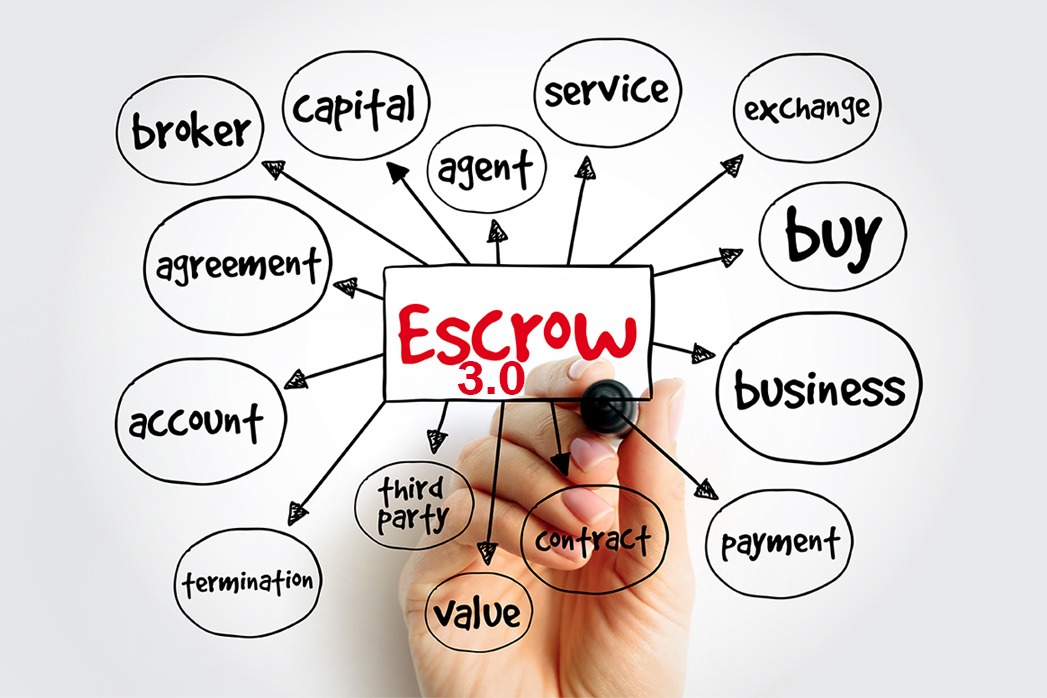
Escrow - arrangement in which a third party receives and disburses money or property for the primary transacting parties, mind map concept for presentations and reports.

Escrow 3.0: Cross-Chain Smart Contracts Without Middlemen

Escrow services have long been the backbone of secure transactions. But in an era of speed, transparency, and borderless interaction, traditional escrow systems are showing their age. Enter Escrow 3.0—a system combining cross-chain smart contracts, Chainlink oracles, and fiat API integrations to eliminate intermediaries while increasing security and efficiency.

How Escrow 3.0 Works

The innovation sits on Hash Time-Locked Contracts (HTLCs)—programmable agreements that automatically execute when predefined conditions are met.

Crypto ↔ Crypto: Two parties lock funds on their respective chains (e.g., ETH and BTC). Upon receipt of a shared secret hash, smart contracts release the funds automatically.

  • Crypto ↔ Fiat: With Chainlink oracles and Open Banking APIs, smart contracts can settle fiat payments on-chain. A freelancer can be paid in stablecoins and receive euros via SEPA, with bank confirmations verified in real time.

Learn more: Smart Contracts for Real-World Transactions.

SmarTrust: Dispute-Resistant & Cross-Chain

SmarTrust, built on the Reactive Network and powered by Reactive Smart Contracts (RSCs), enables milestone-based, recurring, or single-deliverable transactions without custodians.

Features include:

  • – Automated milestone payments upon event confirmation

  • – Dispute escalation to a decentralized adjudicator marketplace

  • – Unified execution on Polygon, Ethereum, and RSK

“By placing Reactive at the core, SmarTrust is enabling scalable trustless mechanisms for clients, freelancers, and adjudicators.” – Emilijus Pranckus, Reactive Network.

Why It Matters for Investors

Escrow 3.0 offers:

  • – Safety: Funds locked in audited smart contracts

  • – Efficiency: No delays or manual intervention

  • – Global Reach: Cross-chain and fiat settlement removes borders

  • – Market Fit: Secure, seamless, automated payments

“This isn’t just a product upgrade—it’s an entirely new financial primitive.” – DNA Crypto Labs.

The Bigger Picture

Reactive Network introduces Inversion of Control (IoC) and event-driven bright contract patterns, allowing contracts to respond across multiple chains. This means unprecedented modularity, reusability, and responsiveness—a true hallmark of decentralized systems. Read more: The Future of Event-Driven Smart Contracts.

Final Word

Escrow 3.0 isn’t just evolution—it’s reimagination. It’s the foundation for a decentralized, global digital labour market powered by automation, transparency, and trustless execution.

Whether you’re building, investing, or freelancing—the smart way forward is trustless.

Image Source: Adobe Stock

Disclaimer: This article is purely for informational purposes. It is not offered or intended to be used for legal, tax, investment or financial advice.

Read more →

Blockchain Digital Identity Animation with Zero-Knowledge Proofs.

The Luxury of Privacy: Zero-Knowledge Proofs and Tiered Access in OTC Crypto Markets

High-net-worth individuals (HNWIs), institutional investors, and sophisticated organizations increasingly demand discretion in financial transactions. Yet in crypto markets—where transparency is the default—achieving both privacy and compliance remains a persistent challenge.

This is where zero-knowledge proofs (ZKPs) and tiered access models come into play.

What Are Zero-Knowledge Proofs (ZKPs)?

ZKPs are cryptographic techniques that enable one party (the prover) to verify the truth of a statement to another party (the verifier) without revealing the underlying data.

In practical terms:

  • – Prove your identity without sharing your passport.

  • – Verify investor accreditation without disclosing your net worth.

  • – Demonstrate AML/KYC compliance without exposing your full transaction history.

“ZKPs prove a statement without revealing the actual information behind it, making them ideal for financial applications requiring both compliance and confidentiality.”
Zero-Knowledge Proofs: The Privacy Backbone of Digital Identity

Why Privacy Matters in OTC Crypto Deals

Over-the-counter (OTC) crypto trading involves large, negotiated transactions—often in tokenized real estate or other high-value assets—executed off-exchange. Confidentiality in these deals helps:

  • – Mitigate reputational risk.

  • – Protect wealth, privacy, and strategic business data.

  • – Prevent front-running and price slippage.

Yet, regulators require identity verification and auditability. The key is enabling oversight without overexposure.

MiCA, KYC, and the Case for Zero-Knowledge Compliance

The EU’s Markets in Crypto-Assets Regulation (MiCA) imposes strict requirements on crypto asset service providers (CASPs), reinforced by the Transfer of Funds Regulation (TFR) and Travel Rule. These require identity data for transactions over certain thresholds.

“ZK technology offers a way to share only the necessary data for compliance—no more, no less.”
Zero-Knowledge Compliance: The Future of KYC in DeFi

ZKPs help bridge this gap by enabling selective disclosure.

Use cases include:

  • – Proving AML-screened status without exposing the full transaction graph.

  • – Verifying wallet control without revealing behavioural patterns.

  • – Providing regulators with audit trails on a strict need-to-know basis.

Tiered Access Models: Who Sees What—and When

A single-level permission model is not suitable for high-stakes deals. Tiered access systems, powered by ZK credentials, provide differentiated transparency based on verified roles.

Example tiers:

  • -Public: General offer summaries only.

  • – Accredited Investors: Full deal data upon ZK verification.

  • – Institutional: Full access post-NDA and advanced credential checks.

“We believe access control isn’t just about compliance—it’s about building trust while respecting data boundaries.”
Confidential OTC Markets: Tiered Access and ZK Credentials

This framework supports:

  • – Luxury real estate tokenization.

  • – Institutional OTC desks.

  • – Private DeFi vaults and DAOs.

Privacy Technologies in Action

DNA Crypto and its partners are already integrating real-world ZKP solutions into financial infrastructure:

  • – zk-SNARKs: Succinct, non-interactive proofs.

  • – zk-ID frameworks: Privacy-preserving identity layers.

  • – Decentralized Identifiers (DIDs): Self-sovereign login systems.

  • – Private smart contracts: Logic execution without public data exposure.

“Confidentiality doesn’t mean opacity—it means precision.”
Private Smart Contracts: How They Work in Web3

Premium Privacy, Compliant by Design

Post-MiCA, compliance is non-negotiable—but that doesn’t mean discretion must be sacrificed. With ZKPs and tiered access, platforms like DNA Crypto can offer:

  • – Cryptographic audit logs, not open ledgers.

  • – “KYC-once, prove-anywhere” frameworks.

  • – Private participation in sensitive, high-value deals.– Role-based permissions that evolve with user verification.

Final Thought: Privacy as a Luxury—and a Right

In regulated crypto markets, privacy isn’t just an ethical stance—it’s a strategic necessity. Investors aren’t seeking anonymity. They want assurance that their sensitive data is shielded while remaining compliant.

ZKPs and tiered access models create a new gold standard: access verified, compliance fulfilled, privacy preserved.

This is not just the future of investing—it’s the luxury of privacy.


Image credit: Adobe Stock


Disclaimer: This article is for informational purposes only and does not constitute legal, tax, investment, or financial advice.

Read more →