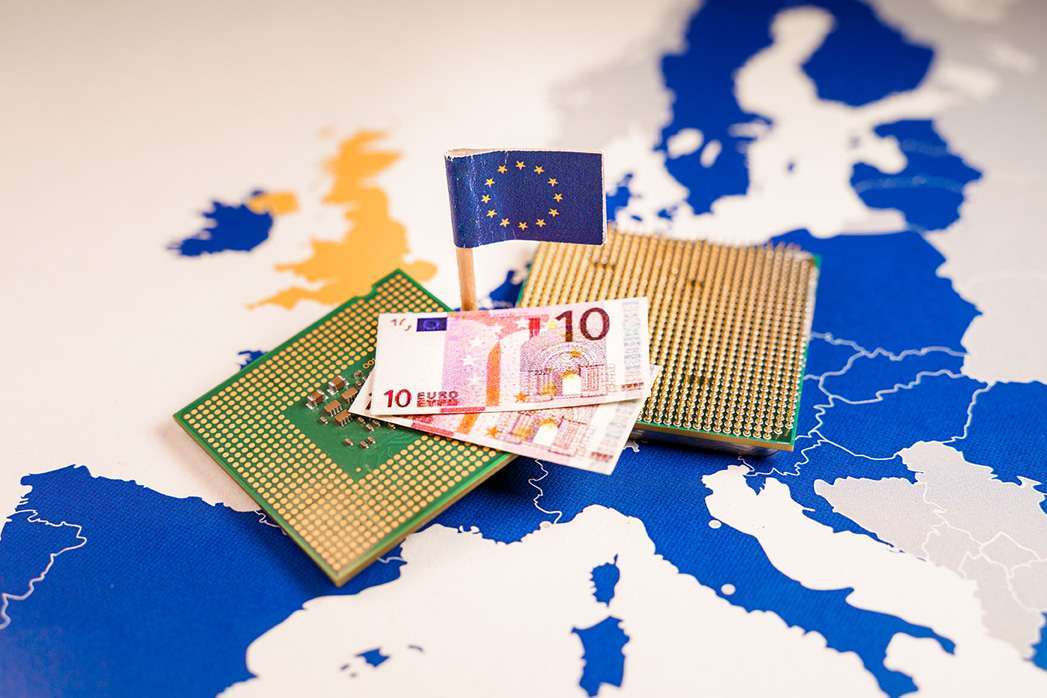

Digital Euro. European and the national central banks of the euro.

MiCA vs US Crypto Regulations: A Comparative Perspective

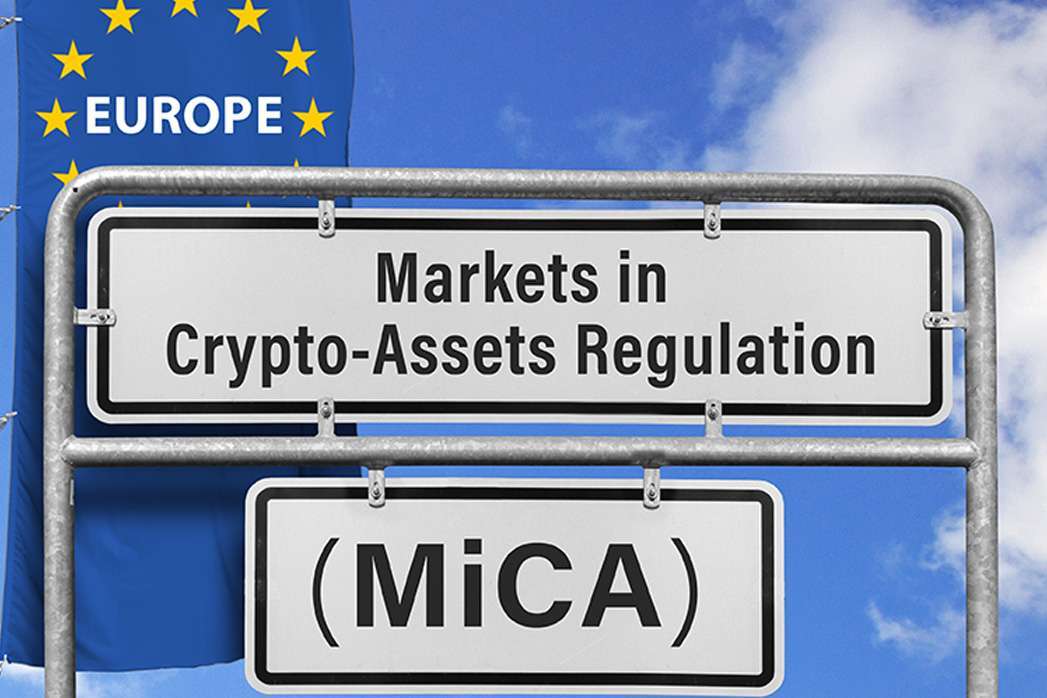
The trajectory and future of the crypto industry depend heavily on proper regulation because its expansion is imminent. The European Union establishes itself as a global leader in crypto-regulations through its proactive implementation of the Markets in Crypto-Assets Regulation (MiCA).

Basically, the United States has not established a single regulatory framework that solely focuses on the crypto industry while adopting fragmented qualities through enforcement methods. The regulatory differences between these markets shape financial institutions’ operational environment through all of its benefits and difficulties.

MiCA: A Unified Framework for Europe

The European Union established MiCA as its standardized regulatory system, which functions throughout all Member Countries. The implementation process of MiCA began with the June 30, 2024, adoption of the Asset-Referenced Token and E-Money Token framework for Stablecoins under the MiCA label.

Crypto-asset service Providers (CASPs) had an order to abide by the regulations from December 30 2024. Ostensibly, in the early weeks of 2025, the EU established a complete regulatory structure for crypto assets.

So, what does MiCA entail?

– Licensing Requirements.
– Consumer Protection.
– Stablecoin Oversight.
– Market Abuse Rules.

By harmonizing European regulations, MiCA reduces uncertainty, innovation, and adoption. These peculiar moves level the playing field for businesses operating in the EU crypto market.

The US: A Patchwork of Regulations and Enforcement Actions

Crypto asset regulations in the United States do not follow the single integrated framework that the EU very much implements. Various regulatory bodies maintain authority over different sectors of the crypto market, including the Securities and Exchange Commission (SEC), the Commodity Futures Trading Commission (CFTC), and the Internal Revenue Service (IRS). The current division in regulatory oversight has produced unclear conditions about which crypto assets match the definition of securities.

US regulators have built the crypto industry through their enforcement actions as they did not create specific guidelines. For a long time, the approach has created difficulties for business compliance efforts as well as hindered market innovation in various sectors.

The regulatory framework exists in separate ways across various US states. A typical example is the state of Wyoming, which supports crypto initiatives through its friendly policies, as opposed to New York, which established the heavy-handed BitLicense framework that limits Cryptocurrency operations. Federal incoherence regarding crypto regulation has resulted in variable standards and increased regulatory complexity, which frustrates businesses that expand into numerous states.

Federal-level regulatory agreements on central bank digital currencies (CBDCs) and similar matters have shown little to no advancement thus far. The US Crypto market is fragmented because of diverging approaches between states and cities, creating hurdles for start-ups and already-established financial institutions.

Implications for Financial Institutions

The regulatory differences between the EU and the US present unique situations for businesses and financial institutions.  

– In Europe, MiCA offers the digital asset space clarity, consistency, and credibility. Companies can literally streamline operations and reduce compliance costs by obtaining a single EU-wide license. This makes it easier to scale and plan.

– In the US, companies must navigate a complex web of federal and state-level regulations. The lack of clear guidelines leads to questions of compliance. But still, proactive engagement with regulators and adherence to best practices can help businesses establish themselves as industry leaders.

Looking Ahead

The worldwide recognition that MiCA presents demands that the United States establish a formal regulatory structure for digital assets. Companies that successfully operate within European regulations alongside US norms will become the most competitive in the global digital asset market. In the years to come, crypto regulation will face vital changes following the US political transition and leadership.

Businesses should maintain adaptability by tracking regulatory changes, which allows them to exploit market chances in both regions.

Image Source: Adobe Stock

Disclaimer: This article is purely for informational purposes. It is not offered or intended to be used for legal, tax, investment or financial advice.

Read more →

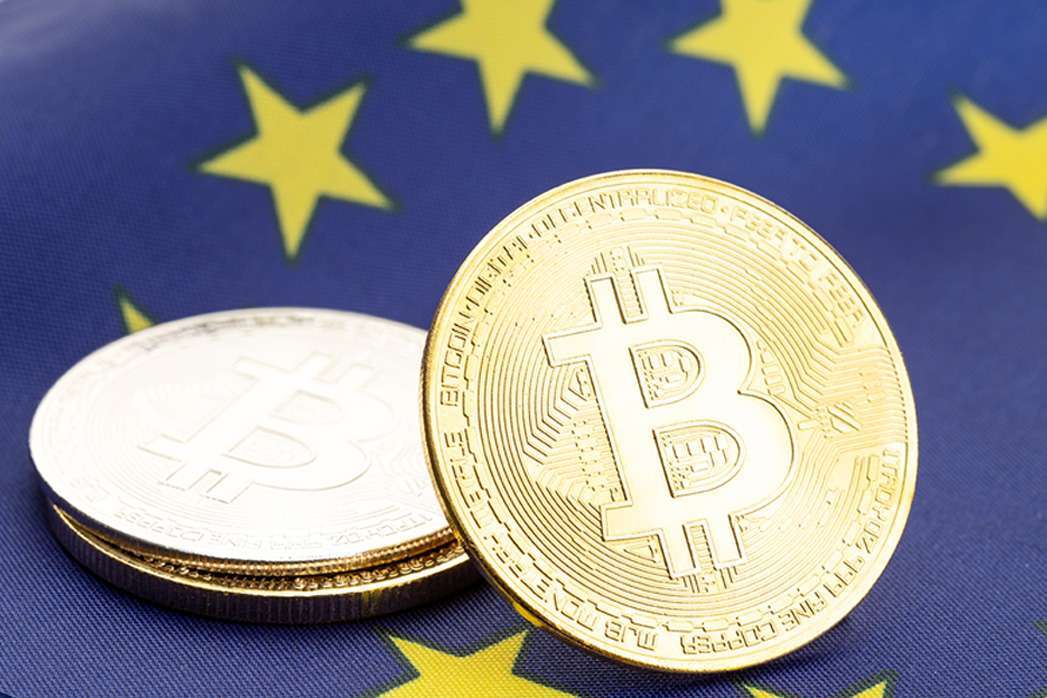
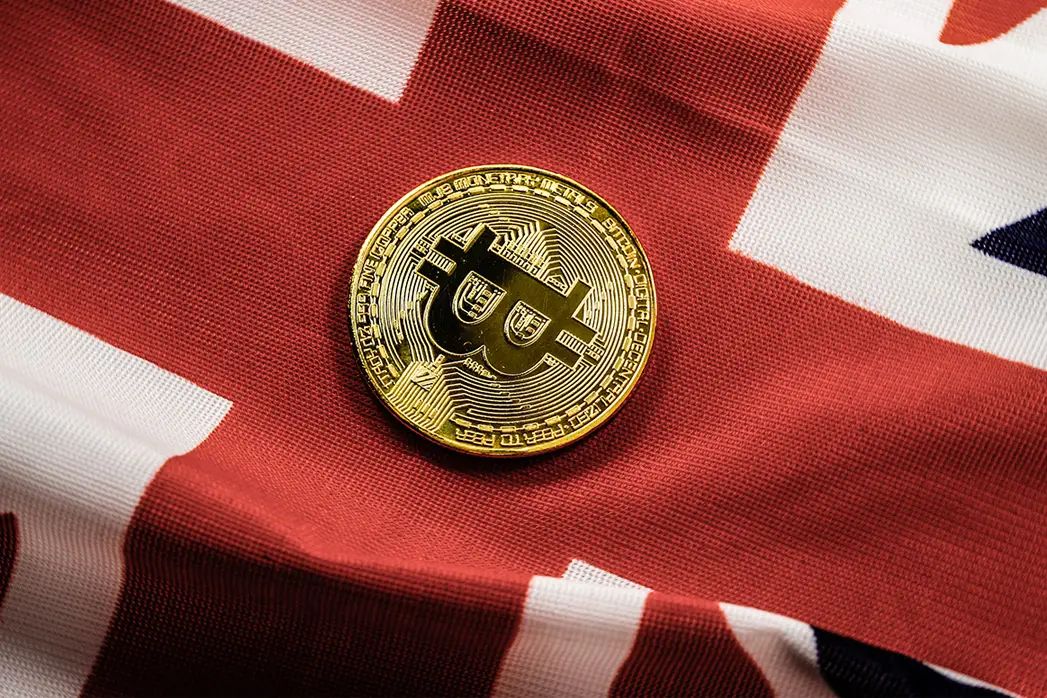
Bitcoin on the European flag

Increased Cryptocurrency Adoption in Europe

Over time, cryptocurrency adoption in Europe has soared. This is made possible, especially with mainstream organisations’ continued embrace of Cryptocurrency, regulatory clarity, and increasing consumer appetite in the digitised world. Suffice it to say that Cryptocurrencies such as Bitcoin and Ethereum were once considered a niche asset class, but they are inevitably becoming a viable alternative to traditional financial systems.


Rising Popularity Among Investors

Despite recent declines in European Cryptocurrency values, European investors have shown a marked propensity for the assets. They are taking a stake in the game in increasing numbers individually and as an institution. According to recent reports, Germany, France, and the Netherlands have seen immense growth in crypto investments thanks to favourable regulations and growing consumer trust.

Businesses across Europe are also welcoming digital currencies in payments and financial transactions. Since then, major retailers, online platforms, and small businesses have taken over Bitcoin and Stablecoins on payment options. Further, crypto-based financial services like lending, staking, and decentralised finance (DeFi) are growing in attraction, providing new means to gain and transact money without relying on traditional banks.


Striking a Balance

Regulatory practice is one of the most important aspects that encourages crypto adoption in Europe. The European Union (EU) has been the most organized in terms of regulations. Providing a clear legal framework for Cryptocurrencies and ensuring consumer protection is where Markets in Crypto-Assets (MiCA) come in.

MiCA will hopefully harmonise crypto regulations among EU member states and give businesses and investors a safer crypto environment. However, even the countries outside the EU are leaders in their progressive approach to crypto. Switzerland, which isn’t even part of the EU but is a financial hub in Europe, has regulated crypto so that many Blockchain start-ups and investment firms have been drawn.


The Role of Central Bank Digital Currencies (CBDCs)

A significant development in Europe’s digital asset scene is the pursuit of central bank digital currencies (CBDCs). The Digital euro is a digital currency backed by a state developed by the European Central Bank (ECB), aimed at replacing physical cash and facilitating better cross-border transactions. Some argue that CBDCs will create competition for decentralised Cryptocurrencies; however, proponents say they will help veggies US digital assets legitimatise, hence adoption.


Future Outlook

While Europe’s adoption of Cryptocurrency has been incredibly rapid, there are still some challenges. Widespread acceptance is still impeded by hurdles such as regulatory compliance, cybersecurity risks, and volatility concerns. In addition, most traditional financial institutions still doubt Cryptocurrency and continue to sit on the fence.

But, there’s an upside: talk of regulatory clarity and continued technological upgrades. Digital assets have become a mainstream technology, and as more companies, investors, and consumers embrace them, Europe will consolidate its position as the global crypto hub.

Finally, it appears that more European countries are starting to see a bright future for cryptocurrency. Of course, a balanced regulatory approach, consumer interest and integration of CBDCs are paving the way for greater inclusivity and innovation in Europe’s financial future. With the development of Blockchain technology, Europe can be at the forefront of shaping the global crypto view, and with time, its role will keep getting stronger.

Image Source: Adobe Stock

Disclaimer: This article is purely for informational purposes. It is not offered or intended to be used for legal, tax, investment or financial advice.

Read more →

Regulations in the EU ensure sound banking practices and government budgeting standards.

EU’s MiCA Stablecoin Regulations

The EU Markets in Crypto-assets Regulation (MiCA) has started taking a toll on Cryptocurrencies. This comes after partial implementations across the sector. This milestone creates a new approach to regulating Electronic Money Instruments and Stablecoins as digital assets in the EU. MiCA Stablecoin Focus…

Read more →

An image of a businessman holding up a crypto icon.

Future Crypto payment; Cryptocurrencies in Tandem with ISO 20022

Believe it or not, there is a growing trend towards using cryptocurrencies for payments. Some experts believe that crypto could eventually be used in conjunction with ISO 20022 to facilitate secure and efficient financial transactions.

This could involve using cryptocurrency systems to transmit ISO 20022 messages between financial institutions or integrating cryptocurrency payments into existing ISO 20022-based financial processes.

To fully understand which cryptocurrencies are in the race for future payments, you must first understand ISO 20022. So, what is it?

ISO 20022

ISO 20022 is an ISO standard for the electronic exchange of data between two or more financial institutions. It describes a metadata repository hosting detailed descriptions of messages and business processes. The repository also contains its maintenance processes.

The ISO 20022 stretches to financial information transferred among different financial establishments; these include:

  • – Payment transactions.
  • – Information on all trades carried out.
  • – Securities settlement.
  • – Debit and credit card transactions, among others.


Simply put, the standard is responsible for ensuring interoperable communication between users, financial institutions, and their market establishments. One of the ways to view the ISO 20022 standard is through banks. Today, banks clash almost every time while trying to communicate with each other because they speak different “languages.”

A Real-Time Payments System. Large financial establishments, such as SWIFT, the Fed, and the ECB, aim to adopt an interbank messaging system concurrently. The financial giant SWIFT was supposed to migrate back in November last year, but decided to postpone the matter. This was similar to the ECB, pushing its migration by four months last year.

FED, via its newly launched FEDNOW program, is compatible with the previously mentioned regulation. Through FEDNOW, the United States Federal Reserve is organising a new program whose main agenda will be to meet the market needs 24 hours a day, seven days a week, all year round. Some of the features present include:

  • – Simple clearing and settling capabilities, thus supporting numerous types of transactions and usage.
  • – Utilising an ISO that has been accepted and adopted widely (ISO 20022) alongside other practices to facilitate interoperability.
  • – Use of fraud detection and prevention tools. These include configuring low transaction limits while specifying conditions under which these tools would block a transaction.
  • – Inclusion of a tool to manage liquidity. With this tool’s help, users can transfer funds amongst themselves, supporting liquidity prerequisites associated with instant and fast payments.
  • – Implementation of a receive-only system. With the system in place, financial institutions will be able to obtain payments via the FEDNOW Service without the need to have the capability to originate payments.


ISO 20022-Compliant Cryptocurrencies. Since ISO 20022 is more versatile than its predecessors, it requires significantly more data volume. Banks must be equipped to handle vast volumes of databases and process them faster to facilitate real-time payments, effective daily liquidity management, fraud detection, and compliance controls. All these need to be carried out at a significantly faster pace than banks are accustomed to, if they are to catch up with cryptocurrencies and blockchain technologies.

Some technologies are favoured more by this change in our financial system, particularly those related to cryptocurrencies. The most obvious ones are the ISO 20022-compliant cryptocurrencies. At the moment of writing this article, only seven cryptocurrencies were ISO 20022 compliant; these include:

  • Quant
  • Ripple
  • Stellar
  • Hedera
  • IOTA
  • XDC Network
  • Algorand
  • Cardano


Ultimately, 2022 has been a significant year for cryptocurrencies, and with the current market situation, now is the ideal time to make necessary adjustments. Making changes during this recession will enhance the effectiveness of these changes and establish a strong foundation for the crypto market.

Image Source: Adobe Stock

Disclaimer: This article is provided for informational purposes only. It is not intended to be used as legal, tax, investment, financial, or other professional advice.

Read more →