
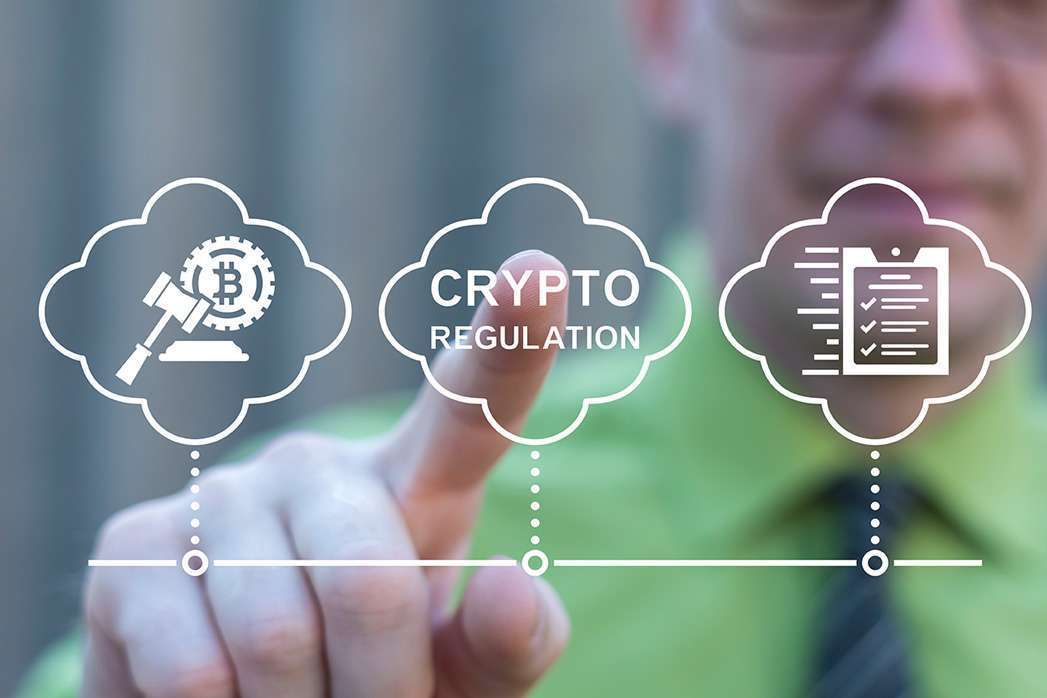
Trader using virtual touch screen presses inscription: CRYPTO REGULATION. Concept of Bitcoin Crypto Regulation and Law. Cryptocurrency Regulation Laws.

Compliance Checklist for European Institutional Investors in Crypto Assets

Europe has continued to see growth and maturity within its crypto market. This is especially true with investors looking to invest in digital assets. However, the regulatory landscape for crypto in Europe is still complex and changing by the day.

For compliance purposes, institutional investors must do their due diligence and follow set regulations. The checklist below is a good place to start.

I. Anti-Money Laundering (AML) and Know-Your-Customer (KYC)

  1. Conduct customer due diligence: All investor IDs need verification, and companies must conduct an analysis of customer risk profiles before authorizations.
  2. Implement AML/KYC procedures: Have clear procedures for monitoring and reporting suspicious transactions.
  3. Comply with EU AML directives: Adhere to the EU’s 4th and 5th AML directives. It calls for the identification and verification of clients.

II. MiFID II and MiFIR

  1. Determine MiFID II applicability: Assess whether MiFID II applies to your crypto investments.
  2. Comply with best execution requirements: Ensure that trades are executed in clients’ best interests.
  3. Provide transparency and reporting: Disclose trading information and other relevant data to clients and regulators.

III. Market Abuse Regulation (MAR)

  1. Detect and prevent market abuse: Have robust systems for detecting and preventing market abuse. It can be in the form of insider trading and or market manipulation.
  2. Comply with reporting requirements: Suspicious transactions need to be submitted to relevant authorities through required reporting procedures.

IV. Capital Requirements Directive (CRD)

  1. CRD applicability: Establish if CRD regulations apply to your cryptographic assets and their associated investment decisions.
  2. Comply with capital requirements: Hold enough capital to cover potential losses.
  3. Liquidity requirements: The company needs to maintain an adequate level of cash reserves to fulfil all client payment obligations.

V. General Data Protection Regulation (GDPR)

  1. Protect personal data: Follow GDPR rules to protect all personal data during collection, processing, and maintenance.
  2. Comply with data subject rights: Respect user data rights. This includes the right to access and erasure.

VI. EU’s 5th AML Directive (AMLD5)

  1. AMLD5 Requirements: BTCE must fulfil AMLD5 requirements by following the EU’s 5th AML directive that demands crypto-asset service providers to register their operations.
  2. Due Diligence: The organization needs to perform comprehensive due diligence assessments for high-risk clients.

VII. Crypto-Specific Regulations

  1. National Regulation: National crypto investment policies for EU countries require your knowledge through adherence to their legislative guidelines.
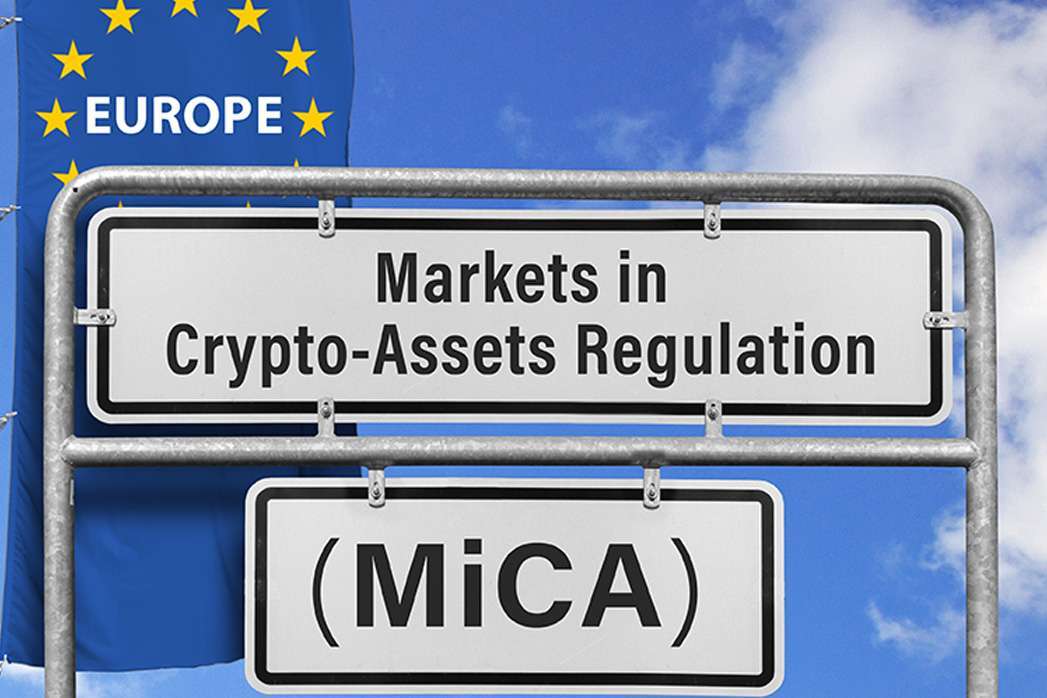
  2. MiCA Regulation: The company must follow the EU’s Markets in Crypto-Assets (MiCA) regulation, which sets clear rules for crypto-asset service provider regulation and supervision.

VIII. Operational Risk Management

  1. Risk Management: Operational risk management procedures should include procedures for security and IT system protection, as well as cybersecurity requirements.
  2. Business Plan: Develop business continuity plans to secure organizational operations during disruptions.

IX. Tax Compliance

  1. Comply with tax laws and regulations: Grasp all tax laws governing crypto investments in the EU.
  2. Report tax obligations: Diligently report tax obligations to relevant authorities.

X. Ongoing Monitoring and Review

  1. Review Compliance Procedures: Institutions should examine compliance procedures frequently to verify their validity as well as their most recent updates.
  2. Regulatory Developments: Companies should track all current developments related to EU regulations.

Institutional investors can use this checklist as a starting point in their quest for safe and by-the-book investment in Europe’s ever-dynamic world of crypto. For success, always be on the lookout for trends, news and expert advice on new or amended crypto regulations.

Image Source: Adobe Stock

Disclaimer: This article is purely for informational purposes. It is not offered or intended to be used for legal, tax, investment or financial advice.


Read more →

Global regulation of cryptocurrencies represented by glowing world map with highlighted nodes, AIinspired, data visualization

MiCA vs. Global Crypto Asset Regulations in 2025

Cryptocurrencies continue to flex their muscles in transforming the financial sector as they empower decentralised transactions and develop new economic systems. Thus far, regulatory frameworks have struggled to keep pace with crypto development, leading nations to adopt diverse payment regulations.

The crypto world enjoys enthusiastic acceptance from Japan, but China strictly limits its use. The European Union (EU) actively supports the Markets in Crypto-Assets (MiCA) regulation as it represents the first standardised framework for digital assets.

The EU’s Comprehensive Crypto Framework

The Market in Crypto-Assets (MiCA) represents the EU’s ground-breaking regulatory blueprint for establishing uniform standards of practice for Cryptocurrency. The European Union approved the Markets in Crypto-Assets (MiCA) regulation in 2022, which took effect in December 2024. Regulatory legislation works to maintain investor protection and market transparency while preserving market integrity.

Unlike past EU regulations that addressed individual crypto aspects, MiCA establishes a comprehensive framework governing digital asset providers and their services, including various subcategories of digital assets. This framework provides standardised legal requirements that enhance adoption across borders whilst reducing uncertainty around regulations.

Key Components of MiCA

  • A dedicated regulatory framework targeting crypto-assets.
  • Transparency requirements for issuers and service providers.
  • Governance standards and conduct protocols are measures to protect investors.
  • Restrictions on market manipulation and abusive practices.
  • Capital, custody and reserve requirements for Stablecoins.
  • The introduction of “pilot programs” to encourage innovation.

MiCA classifies crypto-assets into four categories:

  1. Utility Tokens – Provide access to a product or service.
  2. Asset-Referenced Tokens – Stablecoins backed by a basket of assets like fiat currency or commodities.
  3. E-Money Tokens – Stablecoins tied to a single fiat currency.
  4. Other Crypto-Assets – Assets that don’t fit into the above classifications.

These clear guidelines ensure each type of asset is regulated appropriately, balancing oversight with innovation.

Global Crypto Regulations

Global crypto regulations have remained fragmented for a long time. Different countries have adopted varying strategies, with some offering clarity while others remain uncertain or restrictive.

United States: A Patchwork of Regulations

The US still lacks a unified framework. This is especially true with multiple agencies overseeing Cryptocurrencies:

  • – Commodity Futures Trading Commission (CFTC) regulates Bitcoin and Ethereum as commodities.
  • – Securities and Exchange Commission (SEC) oversees tokens classified as securities.
  • – Financial Crimes Enforcement Network (FinCEN) enforces anti-money laundering (AML) compliance.

Additionally, each state has its own set of regulations, further complicating the crypto space. Discussions on crypto legislation in the US are ongoing, even though a comprehensive federal regulatory framework has yet to be finalised.

United Kingdom: Gradual Expansion of Regulations

The UK regulatory framework, developed by the Crypto Assets Task Force, is akin to MiCA but covers fewer aspects. The regulatory definitions under the UK framework cover only basic utility tokens.

In contrast, e-money tokens are limited, and the regulatory scope for crypto-assets remains narrower than MiCA. The UK’s Financial Conduct Authority (FCA) continues to shape its digital asset regulations as new rules continue to take shape in 2025.

Switzerland: Focus on Tax and Asset Classification

For a while, Switzerland has been at the forefront in crypto adoption, offering tax clarity and treating digital assets as property. Yet, its regulations primarily focus on asset classification and taxation rather than holistic oversight like MiCA.

Asia: Diverse Approaches

It is typical to say that Asian countries have adopted varying regulatory stances:

  • Singapore, Japan, and South Korea have embraced crypto and, of course, with structured regulations.
  • China and India remain cautious, with China maintaining its ban on most crypto activities and India coming in hot with strict tax policies.

MiCA stands out because it offers a unified, standardised approach, which is lacking in most parts of the world.

MiCA’s Impact on Lithuania

Lithuania is known for its thriving fintech sector and with significant shifts with MiCA’s recent implementations, which have so far had the following effects:

  • – More Stringent Compliance Requirements: Crypto firms must adhere to set governance standards.
  • – Increased Regulatory Oversight: Lithuania’s central bank has introduced additional supervision under MiCA guidelines.
  • – Cross-Border Expansion: Standardised EU regulations allow crypto companies based in Lithuania to scale their operations across Europe more easily.
  • – Boosted Investment Potential: Compliance with MiCA attracts more investors and businesses to Lithuania’s crypto space.
  • – Greater Mainstream Adoption: Stronger regulations mean more institutional and public acceptance of digital assets.
  • – Shaping Future EU Regulations: Lithuania’s rising adoption of MiCA positions it as a major player in developing future crypto policies.

By aligning with MiCA, Lithuania solidifies its role as the hub for regulated digital assets in Europe.

MiCA’s Role in Shaping Global Crypto Regulations

As crypto adoption grows, regulatory clarity is crucial. MiCA’s framework could undoubtedly be used by other countries and international organisations such as the IMF and the World Bank.

Potential Global Influences of MiCA:

  • Encouraging other nations to adopt similarly comprehensive regulations.
  • Regulatory alignment to make international crypto transactions more seamless.
  • Establishing the EU as a global leader in responsible crypto practices.

The Future of MiCA and Global Crypto Regulation

Over time, MiCA could help bridge the gap between regional regulations, hence a more unified approach to global crypto governance.

Mica creates a vital regulatory structure that brings cohesion to global crypto-legal frameworks through EU-wide guidelines. Implementing MiCA in Lithuania entails stringent requirements, coupled with new opportunities that will boost the country’s future fintech growth. The future will define the extent of MiCA’s influence on global crypto regulations in Europe and beyond.

Image Source: Adobe Stock

Disclaimer: This article is purely for informational purposes. It is not offered or intended to be used for legal, tax, investment or financial advice.
Read more →

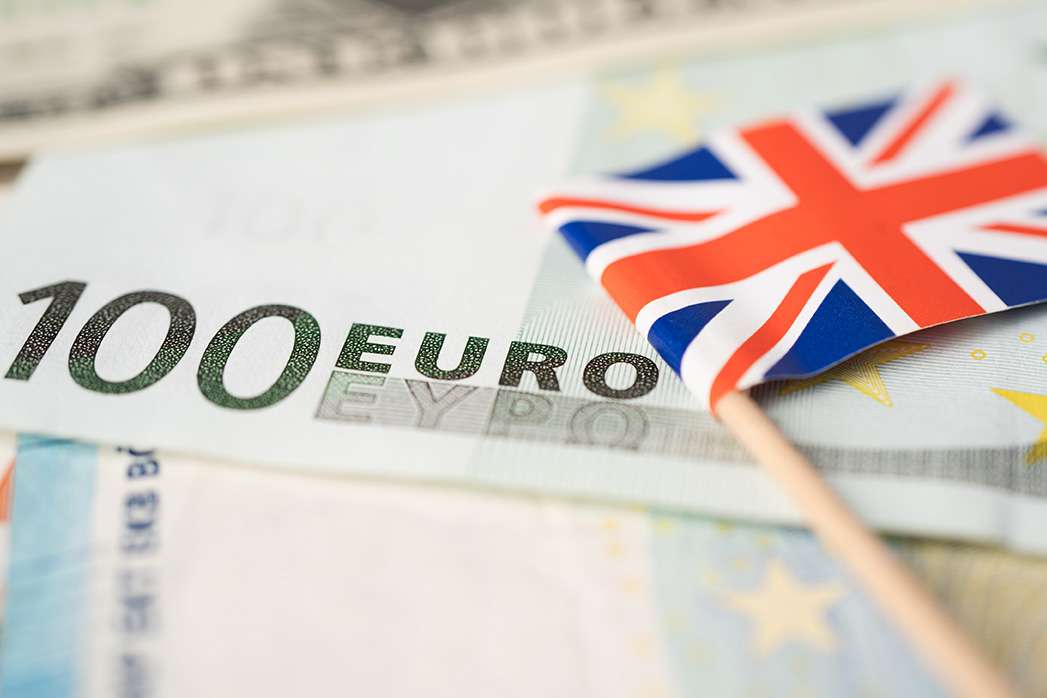
United Kingdom flag on Euro banknotes, finance and accounting, banking concept.

The United Kingdom in the Post-MiCA Age: The Path Ahead for Crypto Regulation

Massive things are in play in crypto. The European Union (EU) implemented new regulations; MiCA (Markets in Crypto-Assets). These set of rules basically stipulate how crypto businesses should operate. The elephant in the room is where does this place the UK?

Since the UK is no longer in the EU, it no longer has to follow MiCA. That could be good since the UK can decide what is best for its economy.

However, it also raises questions. Without concrete regulations, crypto businesses can’t know if they should or should not move to the UK. So will Britain’s approach allow it to be a crypto leader, or will businesses be attracted to the better-coordinated system in the EU?

What Is MiCA, and Why Does It Matter?

MiCA is a new set of laws designed to make the crypto market in the EU safer and more predictable. It targets crypto exchanges, Stablecoins, and digital asset providers.

MiCA is straightforward in principle. It is tasked with protecting investors from scams and making businesses as transparent as possible and subject to simple guidelines. At the same time, it is tasked with preventing financial crime in the form of money laundering and making crypto in the EU market safer and more secure.

This is both good and bad for businesses. On one hand, they now have a clear guide on what’s allowed. On the other hand, the rules are strict, meaning extra paperwork and costs.

But while the EU is following MiCA, the UK is doing its own thing.

–>

The UK’s Different Approach

Instead of copying MiCA, the UK created its rules under the Financial Services and Markets Act (FSMA). The idea is to give businesses more freedom while still keeping things safe.

One area where the UK is taking a different path is Stablecoins (cryptocurrencies tied to real-world money like the US dollar or British pound). The EU’s MiCA has tough restrictions on them, but the UK is taking a friendlier approach, allowing Stablecoins to be part of its financial system. This could make the UK a great place for fintech start-ups looking to innovate.

But still, the UK’s crypto rules aren’t fully ready yet. This leaves businesses in an awkward situation as they don’t know exactly what to really expect. That kind of uncertainty can be risky. Some companies might prefer the EU because its rules are already in place.

Challenges the UK Faces

The UK is one of the biggest financial hubs in the world, coming second just after New York. It is home to major banks and investment firms and home to countless crypto start-ups. But how long will this be the position?

Here are some challenges the UK needs to deal with:

    • – Unclear rules – Businesses need to know what’s legal and what’s not. Some companies might hesitate to invest until the UK finalises its crypto laws.

    • Investor confidence—Big investors like clear regulations. The EU has that with MiCA, but the UK is still working on it. If investors don’t feel safe, they’ll put their money elsewhere.

    • Extra costs for businesses—A UK-based crypto company that wants to operate in the EU must follow UK and MiCA rules, which increases costs.


If the UK wants to stay ahead, it needs to act fast. Otherwise, companies might decide to move to the EU instead.

We can safely say the UK is at a crossroads. The fintech magnet has the chance to create a crypto-friendly environment appealing to multinationals and local investors. But again, without clear regulations, it risks falling behind the EU.

Will the UK’s flexible approach make it a global crypto leader? Or will businesses prefer the safer, more structured rules in the EU? The decisions made in the next few years will shape the future of crypto in the UK.

Image Source: Adobe Stock

Disclaimer: This article is purely for informational purposes. It is not offered or intended to be used for legal, tax, investment or financial advice.

Read more →

The MiCA Loopholes

The MiCA Loopholes: What Institutions Can Still Do

The Markets in Crypto-Assets (MiCA) regulation introduces fundamental changes in how the European Union oversees crypto assets. MiCA achieves two main objectives through its regulatory framework: investor protection and increased market visibility while providing financial stability to crypto assets.

Institutions can use specific regulatory exemptions called “loopholes” to successfully navigate MiCA and maintain cost-effective transactions while engaging in non-custodial trading activities.

Navigating MiCA Without Breaking the Bank

The main operational and transaction cost concern for institutions implementing MiCA is the greater regulatory oversight that they face. The bulk of innovative businesses recognize MiCA obligations as their opportunity to develop compliance frameworks that avoid large expenses.

The following approaches can be helpful to institutions:

1. Leveraging Technological Innovation 

Modern financial institutions use automated smart contracts technology to enhance their compliance process management. MiCA-compliant automated reporting and real-time monitoring solutions powered by Blockchain enable both proper standards maintenance and automated cost-efficient operations that would have required manual interventions in the past.

2. Optimizing Clearing and Settlement Mechanisms

Clearing and settlement system infrastructure powered by distributed ledger technology and algorithms can perform transactions more efficiently to decrease operational expenses. Organizations supporting these technologies achieve faster trade processing, which preserves and maximizes the size-related benefits of their operations despite regulatory costs.

3. Partnering with Specialized Service Providers

Establishing partnerships with companies focused on regulatory technology enables institutions to distribute their compliance duties. These providers give advanced solutions that improve your ability to stay compliant with MiCA rules while minimizing transaction expenses.

4. Adopting a Compliance-by-Design Approach

Forward-thinking establishments include regulatory requirements within their platform design foundations to minimize the need for future retroactive adjustments. The proactive design approach lowers the costs of necessary retroactive changes, which helps institutions run lean operations in various regulatory environments.

Non-Custodial Trading Under MiCA

Many institutions focus on non-custodial trading access because it lets users maintain asset ownership control, reducing counterparty risks and requirements for centralized fund storage. The introduction of MiCA concentrates mainly on regulating custodial trading, but institutionally, it still enables certain avenues to offer non-custodial trading services.

While MiCA largely addresses custodial trading practices, there are still potential avenues for institutions to facilitate non-custodial trading:

1. Decentralized Finance (DeFi) Protocols

Most decentralized platforms function under principles that do away with their need for traditional custodial practices. Financial institutions that integrate DeFi protocols and smart contracts can develop non-custodial trading systems which avoid the principal requirements of MiCA as asset custodian. These platforms require thorough risk management systems that meet all regulatory requirements.

2. Peer-to-Peer Trading Networks

Creating novel peer-to-peer transaction platforms, either individually or through cooperation, is another regulatory option for institutions. These networks allow buyers and sellers to match directly since participants can execute transactions without needing the firm to hold any assets in custody, thus offering a decentralized and fee-efficient trading environment.

3. Innovative Client Wallet Solutions

The widespread adoption of integrated wallet solutions offers institutions a secure method to combine traditional warfare protocols with decentralized wallet capabilities. Clients maintain control of their passwords through private key ownership. Still, the institution offers users a secure platform that supports trading activities as per accepted guidelines and without taking complete ownership of assets.

Best Practices and Cautions

We can safely say that these opportunities are promising. Thus, institutions should do their due diligence as they explore these “loopholes.”

Here’s how:

    • – Proactive legal consultation.

    • – Robust risk management.
      • – Transparency and consumer education.
          • – Agility in operations.

          •  

            Parting Shot

            The MiCA initiative is a major regulatory achievement that seeks to establish an equilibrium between protecting crypto asset innovation and safeguarding market honesty. The new requirements from this regulatory framework expand institutional responsibilities but do not create a standard set of rules that hinder creative development. Establishments under MiCA will benefit from technological innovation, restructured transactions and non-custodial trading approaches. These approaches control transaction costs and enable innovative crypto market solutions to meet current market requirements.

            Strategic institutions comprehending MiCA’s existing loopholes can convert these potential regulatory hurdles into benefitting opportunities.

            Image Source: Adobe Stock

            Disclaimer: This article is purely for informational purposes. It is not offered or intended to be used for legal, tax, investment or financial advice.
Read more →

Digital Euro. European and the national central banks of the euro.

MiCA vs US Crypto Regulations: A Comparative Perspective

The trajectory and future of the crypto industry depend heavily on proper regulation because its expansion is imminent. The European Union establishes itself as a global leader in crypto-regulations through its proactive implementation of the Markets in Crypto-Assets Regulation (MiCA).

Basically, the United States has not established a single regulatory framework that solely focuses on the crypto industry while adopting fragmented qualities through enforcement methods. The regulatory differences between these markets shape financial institutions’ operational environment through all of its benefits and difficulties.

MiCA: A Unified Framework for Europe

The European Union established MiCA as its standardized regulatory system, which functions throughout all Member Countries. The implementation process of MiCA began with the June 30, 2024, adoption of the Asset-Referenced Token and E-Money Token framework for Stablecoins under the MiCA label.

Crypto-asset service Providers (CASPs) had an order to abide by the regulations from December 30 2024. Ostensibly, in the early weeks of 2025, the EU established a complete regulatory structure for crypto assets.

So, what does MiCA entail?

– Licensing Requirements.
– Consumer Protection.
– Stablecoin Oversight.
– Market Abuse Rules.

By harmonizing European regulations, MiCA reduces uncertainty, innovation, and adoption. These peculiar moves level the playing field for businesses operating in the EU crypto market.

The US: A Patchwork of Regulations and Enforcement Actions

Crypto asset regulations in the United States do not follow the single integrated framework that the EU very much implements. Various regulatory bodies maintain authority over different sectors of the crypto market, including the Securities and Exchange Commission (SEC), the Commodity Futures Trading Commission (CFTC), and the Internal Revenue Service (IRS). The current division in regulatory oversight has produced unclear conditions about which crypto assets match the definition of securities.

US regulators have built the crypto industry through their enforcement actions as they did not create specific guidelines. For a long time, the approach has created difficulties for business compliance efforts as well as hindered market innovation in various sectors.

The regulatory framework exists in separate ways across various US states. A typical example is the state of Wyoming, which supports crypto initiatives through its friendly policies, as opposed to New York, which established the heavy-handed BitLicense framework that limits Cryptocurrency operations. Federal incoherence regarding crypto regulation has resulted in variable standards and increased regulatory complexity, which frustrates businesses that expand into numerous states.

Federal-level regulatory agreements on central bank digital currencies (CBDCs) and similar matters have shown little to no advancement thus far. The US Crypto market is fragmented because of diverging approaches between states and cities, creating hurdles for start-ups and already-established financial institutions.

Implications for Financial Institutions

The regulatory differences between the EU and the US present unique situations for businesses and financial institutions.  

– In Europe, MiCA offers the digital asset space clarity, consistency, and credibility. Companies can literally streamline operations and reduce compliance costs by obtaining a single EU-wide license. This makes it easier to scale and plan.

– In the US, companies must navigate a complex web of federal and state-level regulations. The lack of clear guidelines leads to questions of compliance. But still, proactive engagement with regulators and adherence to best practices can help businesses establish themselves as industry leaders.

Looking Ahead

The worldwide recognition that MiCA presents demands that the United States establish a formal regulatory structure for digital assets. Companies that successfully operate within European regulations alongside US norms will become the most competitive in the global digital asset market. In the years to come, crypto regulation will face vital changes following the US political transition and leadership.

Businesses should maintain adaptability by tracking regulatory changes, which allows them to exploit market chances in both regions.

Image Source: Adobe Stock

Disclaimer: This article is purely for informational purposes. It is not offered or intended to be used for legal, tax, investment or financial advice.

Read more →

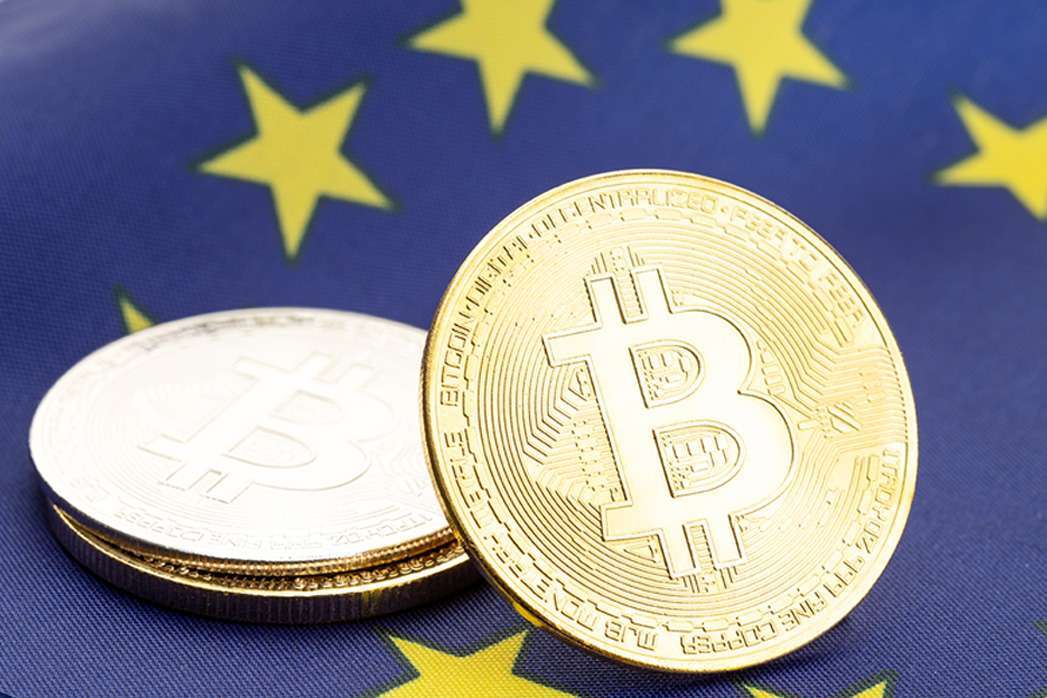
Bitcoin on the European flag

Increased Cryptocurrency Adoption in Europe

Over time, cryptocurrency adoption in Europe has soared. This is made possible, especially with mainstream organisations’ continued embrace of Cryptocurrency, regulatory clarity, and increasing consumer appetite in the digitised world. Suffice it to say that Cryptocurrencies such as Bitcoin and Ethereum were once considered a niche asset class, but they are inevitably becoming a viable alternative to traditional financial systems.


Rising Popularity Among Investors

Despite recent declines in European Cryptocurrency values, European investors have shown a marked propensity for the assets. They are taking a stake in the game in increasing numbers individually and as an institution. According to recent reports, Germany, France, and the Netherlands have seen immense growth in crypto investments thanks to favourable regulations and growing consumer trust.

Businesses across Europe are also welcoming digital currencies in payments and financial transactions. Since then, major retailers, online platforms, and small businesses have taken over Bitcoin and Stablecoins on payment options. Further, crypto-based financial services like lending, staking, and decentralised finance (DeFi) are growing in attraction, providing new means to gain and transact money without relying on traditional banks.


Striking a Balance

Regulatory practice is one of the most important aspects that encourages crypto adoption in Europe. The European Union (EU) has been the most organized in terms of regulations. Providing a clear legal framework for Cryptocurrencies and ensuring consumer protection is where Markets in Crypto-Assets (MiCA) come in.

MiCA will hopefully harmonise crypto regulations among EU member states and give businesses and investors a safer crypto environment. However, even the countries outside the EU are leaders in their progressive approach to crypto. Switzerland, which isn’t even part of the EU but is a financial hub in Europe, has regulated crypto so that many Blockchain start-ups and investment firms have been drawn.


The Role of Central Bank Digital Currencies (CBDCs)

A significant development in Europe’s digital asset scene is the pursuit of central bank digital currencies (CBDCs). The Digital euro is a digital currency backed by a state developed by the European Central Bank (ECB), aimed at replacing physical cash and facilitating better cross-border transactions. Some argue that CBDCs will create competition for decentralised Cryptocurrencies; however, proponents say they will help veggies US digital assets legitimatise, hence adoption.


Future Outlook

While Europe’s adoption of Cryptocurrency has been incredibly rapid, there are still some challenges. Widespread acceptance is still impeded by hurdles such as regulatory compliance, cybersecurity risks, and volatility concerns. In addition, most traditional financial institutions still doubt Cryptocurrency and continue to sit on the fence.

But, there’s an upside: talk of regulatory clarity and continued technological upgrades. Digital assets have become a mainstream technology, and as more companies, investors, and consumers embrace them, Europe will consolidate its position as the global crypto hub.

Finally, it appears that more European countries are starting to see a bright future for cryptocurrency. Of course, a balanced regulatory approach, consumer interest and integration of CBDCs are paving the way for greater inclusivity and innovation in Europe’s financial future. With the development of Blockchain technology, Europe can be at the forefront of shaping the global crypto view, and with time, its role will keep getting stronger.

Image Source: Adobe Stock

Disclaimer: This article is purely for informational purposes. It is not offered or intended to be used for legal, tax, investment or financial advice.
Read more →

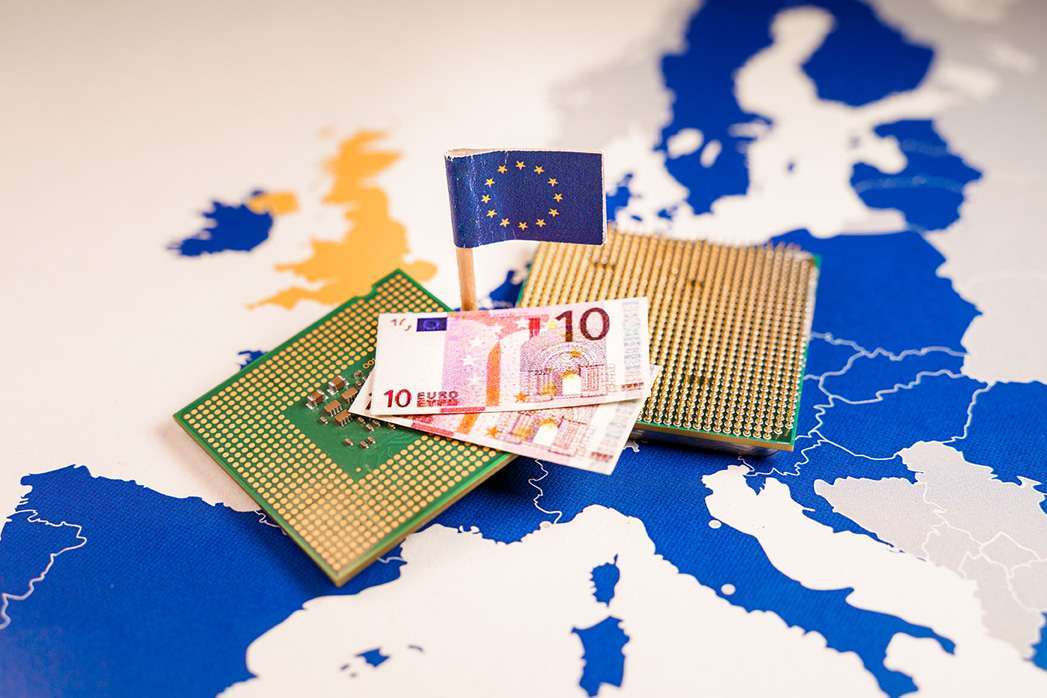
Regulations in the EU ensure sound banking practices and government budgeting standards.

EU’s MiCA Stablecoin Regulations

The EU Markets in Crypto-assets Regulation (MiCA) has started taking a toll on Cryptocurrencies. This comes after partial implementations across the sector. This milestone creates a new approach to regulating Electronic Money Instruments and Stablecoins as digital assets in the EU. MiCA Stablecoin Focus…

Read more →