
Tokenisation Is Hardest Where The Real World Begins
“The blockchain may record the token, but the real world decides whether the ownership behind it can be trusted.” DNA Crypto.
The Token Is Usually The Easier Part
Tokenisation is often presented as if the technical step is the hardest part. Create a token, connect it to an asset, build a platform and allow investors to participate. That version of the story is attractive because it sounds clean, efficient and modern.
The real world is less simple.
The hard part of Tokenisation usually begins after the token is created. The market then has to answer more difficult questions about legal rights, asset ownership, valuation, custody, income, investor eligibility, settlement, liquidity and dispute handling.
This is why the strongest Tokenisation models will not be judged by how quickly they create digital units. They will be judged by how well those units connect to enforceable rights, clear processes and assets investors can understand.
The blockchain can record a claim. It cannot make a weak claim strong.
Tokenisation Starts With The Asset
The first discipline in Tokenisation is remembering that the asset comes before the token.
A property, infrastructure project, private credit exposure or income-producing asset must stand on its own economic logic before any digital layer is added. If the underlying asset is weak, unclear, overvalued or poorly governed, Tokenisation will not fix it.
This is where many RWA narratives become too optimistic. They focus on access before substance. They talk about fractional ownership before explaining the quality of the asset. They promote digital participation before showing how the ownership structure works.
Serious capital will not accept that order.
The asset has to be credible first. Tokenisation can then improve how ownership is administered, transferred, recorded or understood.
The Legal Rights Carry The Weight
A token is not the asset itself. It is a representation of rights connected to an underlying legal and operational structure.
That distinction carries enormous weight.
An investor needs to know whether the token represents equity, debt, revenue participation, contractual rights, beneficial interest, fund units, company shares or another legal claim. Each structure creates different rights, risks, responsibilities and protections.
This is why Real Asset Tokenisation has to begin with legal clarity. Without that clarity, investors may hold something digital without properly understanding what it means in the real world.
The token can make ownership easier to record. It cannot replace the legal structure that gives ownership meaning.
Property Shows The Challenge Clearly
Property is one of the most natural areas for Tokenisation because investors already understand the underlying asset class. Land, buildings, rental income, development potential and long-term ownership are familiar concepts.
But property also shows why Tokenisation is difficult.
Real estate is legal, local and operationally complex. It depends on title, jurisdiction, valuation, tax treatment, tenancy, insurance, management, maintenance, financing and exit strategy. A tokenised property interest still has to deal with all of those realities.
A digital record does not remove the need for due diligence. It does not remove the need for documentation. It does not remove the need for asset management, reporting or investor communication.
Tokenisation may improve the way property interests are administered, but it cannot make property simple.
Valuation Cannot Be Assumed
Valuation is one of the most important real-world challenges in Tokenisation. A listed asset may have visible market pricing, but many Real Assets do not.
Property values can change with local demand, interest rates, development risk, rental income, comparable sales, planning issues, currency movement and market sentiment. Private credit and infrastructure assets also require careful valuation methods.
If a tokenised asset is priced incorrectly, the digital wrapper does not protect investors from poor judgement.
This is why valuation discipline must sit inside the Tokenisation model. Investors need to understand how value is assessed, how often it is reviewed, who provides valuation input and how changes are communicated.
A token can make transfer easier, but valuation still requires human judgement, data and accountability.
Oracles Are Not A Complete Answer
When Tokenisation connects to the real world, data becomes critical. Smart contracts may need information about prices, ownership, payments, income, interest rates, asset status or compliance conditions.
That data often comes from outside the blockchain. This is where oracles become relevant.
Oracles can help connect external information to digital systems, but they also introduce trust questions. Who provides the data? How is it verified? What happens if the input is wrong? Who is responsible if incorrect data triggers an incorrect action?
This matters because Real Assets depend heavily on off-chain facts. A property title, valuation report, rental payment or legal dispute cannot be treated as if it naturally lives on-chain.
The bridge between the blockchain and the real world is powerful, but it is also where risk can enter.
Custody Is More Than Holding A Token
Custody in Tokenisation is not only about holding the token securely. It is also about protecting the link between the token and the rights it represents.
An investor may hold a digital token in a wallet, but the value of that token depends on whether the underlying rights are recognised, recorded and enforceable. If the platform fails, the issuer changes, documentation is incomplete or ownership records are unclear, custody becomes more than a private key issue.
This is why Tokenisation Infrastructure must include custody standards, investor records, legal continuity and clear processes for transfer and recovery.
The question is not only who controls the token.
The deeper question is whether the investor can rely on what the token represents.
Income Distribution Requires Discipline
Many Real Asset Tokenisation models involve income. Property may generate rent. Private credit may generate interest. Infrastructure may generate contracted cash flows. Income-producing assets can be attractive because they connect digital ownership to real economic activity.
But income distribution creates practical challenges.
Who receives the income? How is it calculated? What costs are deducted? What tax treatment applies? How often is it paid? What currency is used? What happens if income is delayed, reduced or disputed?
These are not technical details. They shape investor expectations and trust.
Smart contracts may help automate parts of distribution, but the underlying income still has to be collected, verified, accounted for and reported. Automation can improve a good process, but it cannot rescue a weak one.
Liquidity Has To Be Designed, Not Promised
Tokenisation is often promoted through the promise of liquidity. That promise needs careful handling.
A tokenised Real Asset is not liquid simply because it is digital. Liquidity depends on demand, pricing, transfer rules, investor eligibility, regulatory restrictions, custody arrangements, market access and confidence in the asset.
Property and private market assets are not naturally liquid in the same way listed equities are. Tokenisation may make administration and transfer more efficient, but it does not automatically create a deep buyer base.
This is why Why Most Tokenised Assets Will Never Reach Institutional Capital remains such an important argument. Access without liquidity can create disappointment. Liquidity without structure can create risk.
The better approach is honest liquidity design.
Escrow Can Improve Transaction Trust
Escrow is one of the most practical ways to support Tokenisation because many Real Asset transactions depend on conditions being met before value or rights should move.
An investor may need confirmation that documentation is complete. An asset owner may need confirmation that funds have arrived. A platform may need to verify identity, eligibility, compliance checks and settlement conditions before a transfer is completed.
This is where Digital Asset Escrow becomes relevant. Escrow can help create a controlled transaction process around uncertainty.
It does not remove the need for legal agreements, due diligence or professional oversight. It helps organise the moment where parties need confidence before releasing value.
For Real Asset Tokenisation, that moment matters.
Compliance Is Part Of The Product
Tokenisation cannot scale through open access alone. Serious markets need compliance-led distribution.
Investors need to be onboarded properly. Eligibility has to be checked. Source of funds may need review. Jurisdictional restrictions may apply. Transfer rules may need to be enforced. Transaction records and reporting need to be maintained.
This is not bureaucracy for its own sake. It is part of what makes the market credible.
If a tokenised asset is available to the wrong investors, transferred without proper checks or marketed without adequate disclosure, the entire structure becomes weaker.
Compliance is not separate from Tokenisation.
It is part of the trust infrastructure that allows Tokenisation to operate responsibly.
International Investors Add More Complexity
Cross-border capital is one of the strongest reasons Tokenisation matters, but it also adds complexity.
International investors often face friction around local law, banking, currency movement, documentation, tax, reporting, asset management and exit routes. Digital infrastructure can improve parts of that journey, but it cannot remove the need for local expertise and legal clarity.
This is why International Property Investment is closely connected to Tokenisation. The opportunity is not simply to sell property exposure across borders. The opportunity is to build a more trusted route between capital and assets.
That route has to respect the reality of different jurisdictions, different investor protections and different settlement systems.
Cross-border Tokenisation requires more discipline, not less.
Smart Contracts Need Real-World Boundaries
Smart contracts can play an important role in Tokenisation, especially where rules are clear. They can support transfer restrictions, payment logic, income distribution, escrow conditions and lifecycle events.
But smart contracts do not understand the real world on their own.
They do not know whether a tenant paid rent unless that data is provided. They do not know whether a property title is disputed unless that information is connected. They do not know whether a valuation is fair, whether a document is valid or whether a party has breached a legal obligation outside the code.
This is why smart contracts need real-world boundaries. They need legal agreements, governance, oracles, administrators, dispute processes and reliable data.
The code can execute the process. It should not be mistaken for the entire structure.
Investor Communication Cannot Be An Afterthought
Tokenised assets need clear investor communication. This is especially true when the asset is private, illiquid, cross-border or linked to Real Assets.
Investors need to understand what they own, what risks exist, what income may be expected, how reporting works, how valuation is handled and what the exit route may be. They also need updates when circumstances change.
Poor communication can damage trust even when the underlying asset is sound.
This is why reporting, dashboards, documentation and plain-language explanation matter. The market should not assume that Tokenisation becomes trusted simply because records are digital.
Trust is built through clarity over time.
The Hardest Part Is Not Technology
The hardest part of Tokenisation is not usually the technology. It is aligning technology with law, assets, investors, documents, settlement, custody, valuation, liquidity and governance.
That is why Tokenisation should not be treated as a quick digital upgrade.
It is a market design problem.
The blockchain can help create better records, faster transfer, clearer logic and more efficient administration. But the real world still has to be structured properly around it.
This is where the serious opportunity sits. Not in pretending Tokenisation makes everything simple, but in using digital infrastructure to make difficult ownership systems more transparent, more disciplined and easier to manage.
What DNA Crypto Has Learned From The Tokenisation Thesis
For DNA Crypto, Tokenisation remains one of the most important long-term themes because it connects digital ownership to assets that people already understand.
Bitcoin introduced the ownership question. Smart contracts introduce process. Stablecoins can support settlement. Escrow can improve transaction confidence. Tokenisation brings those themes closer to property, Real Assets, private markets and cross-border capital.
But the lesson is clear: the real world carries the weight.
DNA Crypto’s next phase should focus on explaining and developing the infrastructure around digital ownership, not promoting Tokenisation as a shortcut. The market needs better education, better structuring, better settlement thinking and more honest language around liquidity and investor trust.
That is the advisory role worth rebuilding around.
The Capital Behaviour Shift
Capital behaves differently when the real world is involved. Investors may tolerate volatility in liquid markets, but they expect clarity when capital is tied to property, income, private markets or long-term ownership structures.
They want to know what they own, how rights are protected, how value is assessed, how income is handled and how exits may work.
Tokenisation becomes valuable only if it improves those answers.
Capital will not move because an asset has been digitised. It will move when the digital structure makes the asset more understandable, more accessible, more transparent or more efficient.
That is the capital behaviour shift.
The Direction Of Travel
The direction of travel is clear. Tokenisation will become more serious as it moves closer to Real Assets, but it will also become more demanding.
The market will need legal clarity, valuation discipline, custody standards, investor onboarding, compliance controls, escrow processes, Stablecoin settlement, reporting and realistic liquidity design.
The firms that succeed will not be those that make the most noise about tokenised assets. They will be those that solve the difficult parts of connecting digital ownership to the real world.
This is where Tokenisation becomes more than a crypto narrative.
It becomes infrastructure.
Conclusion
Tokenisation is hardest where the real world begins.
The blockchain may record the token, but the real world decides whether the ownership behind it can be trusted. Legal rights, valuation, custody, income, compliance, settlement, liquidity and investor communication carry the real weight.
That does not weaken the Tokenisation thesis. It makes it more serious.
For DNA Crypto, this is the right lesson to carry forward. Tokenisation is not about making assets look digital. It is about building better infrastructure around ownership, access and trust.
The future will not be won by tokenising everything.
It will be won by making the right assets easier to understand, administer and trust.
Relevant DNACrypto Articles
- – Real Asset Tokenisation
- – Tokenisation Infrastructure
- – Why Most Tokenised Assets Will Never Reach Institutional Capital
- – Digital Asset Escrow
- – International Property Investment
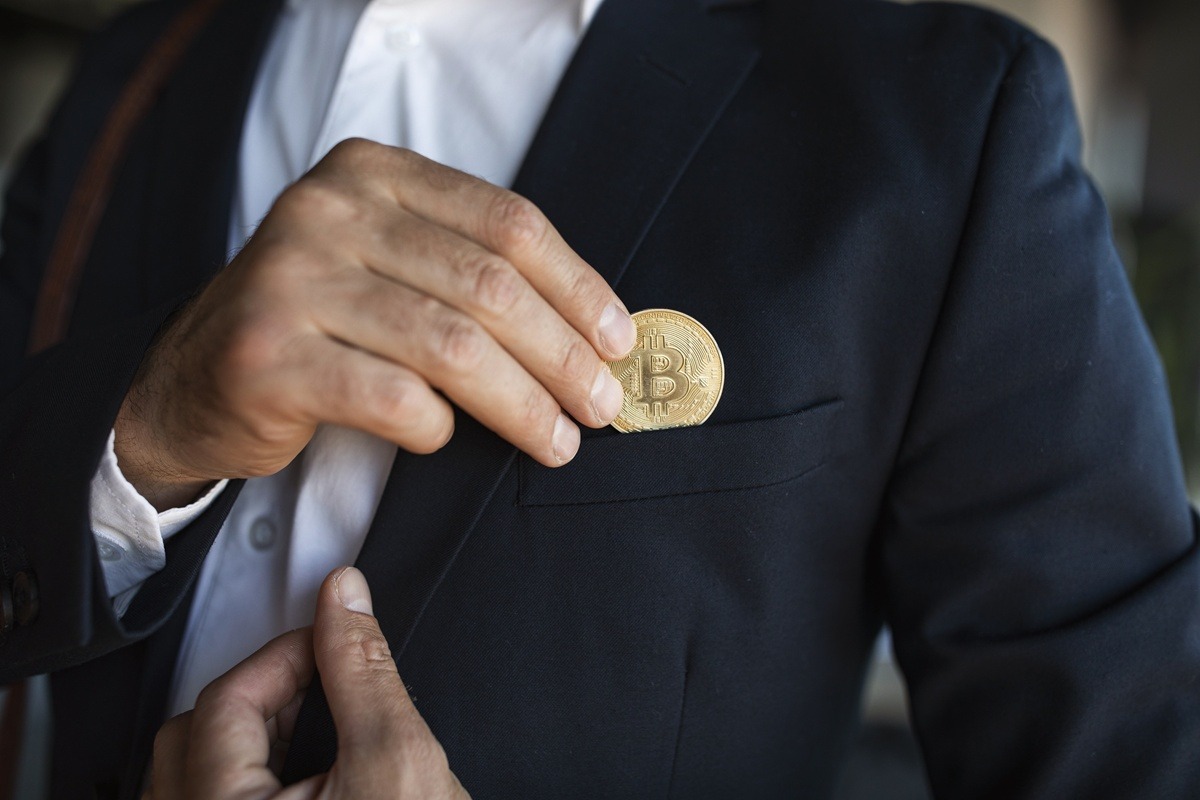
Image Source: Envato Stock
Disclaimer: This article is for informational purposes only and does not constitute financial, legal, or investment advice.