Smartphone with website of crypto company Tether Operations Limited on screen in front of business logo. Focus on top-left of phone display.

Why USDT is Buying Bitcoin in a World of Regulation and Uncertainty

When the crypto market starts getting hit with regulatory changes, it is no surprise that investors begin to get nervous. From delistings to government crackdowns, the rules are changing, and it feels like nobody is safe.

Amidst this regulatory frenzy, Stablecoins like Tether (USDT) often find their place as reliable, predictable options — until they don’t.

Tether’s Response to Regulation

Tether, the world’s largest Stablecoin, has been facing regulatory heat lately. Several major exchanges, including Crypto.com and Binance, have faced pressure from European regulators due to new rules requiring Stablecoins to meet stricter guidelines.

“Crypto.com has already announced it will delist USDT for EEA users by July 2024, citing MiCA compliance concerns.”Crypto.com press release, January 2024

“Binance is evaluating its stablecoin offerings across the EU in light of MiCA, with delistings of non-compliant tokens expected to follow.”Binance EU Strategy Team, March 2024

While some exchanges have responded by suspending or delisting USDT on specific platforms, Tether remains one of the most widely used Stablecoins globally. As governments flex their muscles, crypto companies must either adapt or risk being left behind.

“Under MiCA regulations, unregulated stablecoins like USDT are increasingly being pushed out of European markets due to transparency and reserve backing requirements.”European Securities and Markets Authority (ESMA), 2024 policy brief

In the past, when regulations started to tighten, the answer was simple: adjust and move on. But Tether’s response is a bit more interesting. Rather than just hunkering down and hoping things settle, Tether is making a bold move: They are buying Bitcoin—a lot of it.

Why Bitcoin?

Simple. It doesn’t care about tariffs, inflation, or whether a government thinks it should exist. Bitcoin operates on its own, outside the reach of any central bank, and it’s not tied to any one country’s political whims.

Today, Stablecoins like USDT are subject to shifting government policies, and Bitcoin’s neutrality becomes an appealing asset. Tether is betting that diversifying into Bitcoin can create a buffer against the unpredictable nature of global regulations.

“Tether’s delisting in Europe marks the start of a geopolitical shift where stablecoins must prove they are more than shadow dollars.”Dr. Patrick Hansen, EU crypto policy expert

While traditional financial assets are often at the mercy of political moods, Bitcoin continues to operate independently, regardless of the news.

In other words, Bitcoin offers financial freedom that traditional currencies, even stable ones like USDT, can’t match. And that’s precisely what Tether needs right now.

“Europe’s regulatory shift is not just about Tether—it’s about redefining the very foundation of what digital money means in a post-MiCA world.”Clara Duro, Head of Digital Assets Regulation, Frankfurt School of Finance

Bitcoin’s Role in a Shifting Landscape

This isn’t some wild theory or a crypto pipe dream. Bitcoin has already proven its worth as a kind of hedge during times of economic uncertainty. Consider the trade wars between the US and China, which have been ongoing for about a decade. Tensions between the two countries saw Bitcoin surge in interest, as people turned to it as a potential haven, much in the same way investors flock to gold during uncertain times.

Tether’s bet on Bitcoin comes as global supply chains and trade relationships are again being tested. With tariffs becoming more common and countries reevaluating their trade policies, Bitcoin is starting to resemble digital gold — an asset that’s easy to store, move, and trade, even in a digital-first world.

“With the European Union cracking down on stablecoins that don’t meet their asset reserve and audit standards, Tether’s hold on the continent is weakening.”Reuters Financial, February 2025

What’s the Catch?

Of course, there are a few things to keep in mind. Bitcoin’s volatility is no secret. While its adoption is growing, it remains a less popular choice for many investors. Some still see it as too risky, and others don’t fully understand it.

And, unlike traditional safe havens like gold or government bonds, Bitcoin’s relationship with market movements isn’t always clear. On some days, it behaves like a high-risk asset; on other days, it acts like a refuge. It’s unpredictable and difficult to predict.

But in a world where everything seems to be up in the air, having an asset that’s not tied to any country’s economy is a real advantage. Bitcoin has demonstrated its ability to function independently, and that’s why Tether is incorporating it into its plan. Tether is still figuring out how to navigate a world where regulations change almost daily, but its decision to invest in Bitcoin shows that it’s thinking ahead. It’s not a perfect solution, but it’s a smart one.

Image Source: Adobe Stock

Disclaimer: This article is purely for informational purposes. It is not offered or intended to be used for legal, tax, investment or financial advice.
Read more →

Stuttgart, Germany - 01-15-2023: Person holding smartphone with logo of crypto company Tether Operations Limited on screen in front of website. Focus on phone display.

MiCA vs Tether: What Europe’s Stablecoin Shake-Up Really Means

The crypto industry enters a new chapter as the European Union rolls out its much-anticipated MiCA (Markets in Crypto-Assets) regulation. One where compliance is no longer optional, and some familiar names are suddenly missing from the roster.

Among them? Tether’s USDT — the world’s most traded Stablecoin – is now being delisted from several European exchanges, not for lack of popularity but because it no longer meets the game’s rules.

So what’s behind the shift, and what does the future hold for digital assets in Europe?

The MiCA Structure and Speculation

MiCA isn’t just another policy update. It’s a comprehensive regulatory framework designed to bring transparency, accountability, and consumer protection to Europe’s fast-growing crypto market.

At the heart of this regulation are new standards for Stablecoins: digital assets designed to hold their value against fiat currencies like the euro or dollar.

Under MiCA, Stablecoins must:

  • Be backed by fully transparent, liquid reserves on a 1:1 basis.
  • Maintain operational safeguards to ensure funds can be redeemed at any time.
  • Receive prior authorisation from EU regulators before circulating in the market.
  • Limit their market impact if they grow too large, with additional oversight.

It’s an ambitious shift that aims to stabilise a market often defined by volatility.

Why Tether’s USDT Is Getting Delisted

Tether’s USDT may dominate globally but has issues aligning with MiCA’s strict requirements. Questions around its reserve composition and past transparency practices have long followed the Stablecoin, and now, they’re proving incompatible with EU rules.

Exchanges are also responding accordingly, with firms like Crypto.com & Kraken.com already stopping USDT purchases for European users. At the same time, Coinbase has announced its intention to delist any Stablecoin that doesn’t meet MiCA standards.

“Tether’s delisting isn’t about popularity — it’s about meeting the game’s new rules.”

Tether criticised this move, calling it rushed and potentially disruptive to users. Still, the direction is clear: the EU wants compliant, well-audited assets in its ecosystem and isn’t waiting around.

The Bigger Picture for Europe’s Crypto Landscape

MiCA is widely viewed as a landmark regulation from a major economy- the first of its kind. By creating clear rules, the EU hopes to attract responsible innovation, reduce consumer risk, and strengthen crypto’s long-term viability within its borders.

But it’s not without challenges.

Start-ups and smaller firms may struggle to meet compliance costs. Some global players may choose to shift operations elsewhere. And the early days of MiCA’s rollout could create market friction, particularly as exchanges adapt and Stablecoin availability narrows.

Yet, for many, this is a necessary evolution. A more transparent, predictable regulatory environment could lead to greater confidence, broader adoption and a more mature European crypto market.

A Defining Moment

Tether’s delisting is more than just a headline; it marks a turning point. For years, the crypto world operated mainly on its terms. Now, at least in Europe, the rules are changing.

The MiCA framework brings new demands and new opportunities. It’s a chance for the digital asset space to prove that it can scale responsibly and for Europe to build a safer, more reliable financial future powered by Blockchain technology.

“MiCA is more than policy — it’s a statement that Europe is ready to lead in responsible crypto innovation.”

Image Source: Adobe Stock

Disclaimer: This article is purely for informational purposes. It is not offered or intended to be used for legal, tax, investment or financial advice.
Read more →

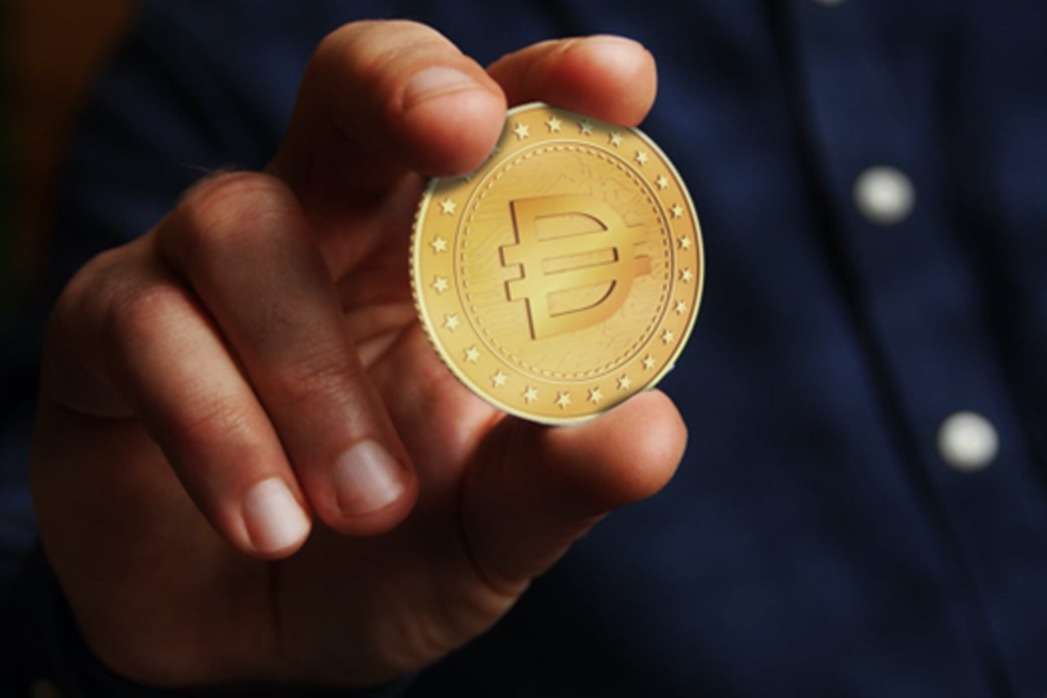
Dollar coin secured by a shield, symbolizing financial protection and security.

The Role of Stablecoins Under and MiCA: A New Era of Regulation

It is safe to say that Stablecoins have taken the crypto market by storm. Unlike wild-riding Bitcoin or Ethereum, Stablecoins are specifically designed to stick around, as their name would suggest. Pegged to real-world currencies or commodities like the US dollar or precious metals like gold, they are popular for payments, trading and savings.

As is often the case when there is much power, there is much responsibility—or, in this case, regulation. That’s where the European Union’s Markets in Crypto-Assets Regulation (MiCA) steps in.

Stablecoins Under MiCA

Mica is a game-changer as it classifies Stablecoins into two types: Asset-Referenced Tokens (ARTs) and E-Money Tokens (EMTs). ARTs are backed by a mix of assets, while EMTs are pegged to a single fiat currency, like the euro.

Now, here’s where things get serious. You’ll need official approval to issue a Stablecoin in the EU. No more launching coins overnight and hoping for the best. Issuers must hold enough reserves to cover every token in circulation—no shady business, no empty promises.

They’ll also have to provide regular reports proving their financial stability. And if a Stablecoin gets too popular, the EU might impose transaction limits to prevent disruptions in the economic system.

On the consumer side, MiCA is a win. Users will have clear rights, including the ability to redeem their Stablecoins for real money whenever they want. Transparency, security, and accountability are the name of the game.

The Global Outlook on Stablecoin Regulation

Europe isn’t the only player in this game. The United States is working on its laws, with proposals like the Clarity for Payment Stablecoins Act. Meanwhile, Japan and the UK are rolling out their frameworks to ensure Stablecoins don’t slip through regulatory cracks.

One big concern is Cross-border payments. Stablecoins make it easier to move money across countries without banks slowing things down. But governments worry about money laundering, tax evasion and financial instability. Some central banks are considering launching their digital currencies (CBDCs) to compete with Stablecoins.

The Uncertainties Facing These MiCA Regulations

Though MiCA establishes a crucial regulatory structure, the journey forward is not free of challenges. A significant challenge is how Stablecoins issuers will respond to stringent reserve requirements and compliance regulations. Less extensive projects might find it hard to satisfy these requirements, which could result in market consolidation where only financially robust participants endure.

Uncertainty exists about how MiCA would be integrated alongside other globally established regulations. Since countries like Japan and the United States are designing their Stablecoin regulations, variations in frameworks could yield loopholes in-laws for transnational transactions.

Also, there is still no clarity on how algorithmic Stablecoins would be accommodated as they are rooted in complex mechanisms, are not directly asset backing, and have concerns regarding stability and governance.

Despite these obstacles, one fact remains clear: regulatory clarity will influence the future of Stablecoins, defining their integration into conventional finance and digital economies. It is yet to be determined whether this will lead to more innovation or tighter limitations.

The Future of Stablecoins

Love them or hate them, Stablecoins aren’t going anywhere. They’ll keep evolving, playing a more significant role in payments, DeFi, and even central bank collaborations. Expect improvements in security, compliance and innovation—possibly even new forms of algorithmic stability.

Mica is just the beginning. As global regulators fine-tune their approach, Stablecoins will continue to shake up the financial world. Whether they become the future of money or just another tool in the crypto space remains to be seen. But one thing is clear: The Stablecoin revolution is far from over.

Read more →

Standing golden ripple coin with smoke on reflective surface

Ripple Launches RLUSD Stablecoin on Global Exchanges

“Stablecoins succeed when they reduce friction, not when they promise disruption.” — DNA Crypto.

Ripple, a leading provider of digital asset infrastructure tailored for financial institutions, has officially launched its latest innovation: Ripple USD (RLUSD). This enterprise-grade Stablecoin is pegged 1:1 to the US dollar and seeks to link conventional systems and Blockchain.

Listed and launched on December 17, 2024, RLUSD was primarily available on five Crypto exchanges: MoonPay, Archax, Uphold, Bitso, and CoinMENA. It is further set to become accessible to other large platforms, including Bitstamp and Zero Hash.

Transparency, Reliability, and Accountability

As an asset, RLUSD was designed to bring the highest levels of stability, liquidity, and reliability. It is backed by a reserve consisting of USD deposits, government bonds, and cash. Ripple stated it will present an RLUSD reserve Everest report monthly to increase transparency and build user credibility.

Yet, this commitment to transparency explains why the exchange has demonstrated great organisational accountability in the digital finance industry.

Built on the current XRP Ledger and Ethereum Blockchains, RLUSD provides a highly flexible environment for use across the full spectrum of finance. This dual-chain support improves connection quality and allows it to meet the demand of multiple applications, such as DeFi and institutional finance.

Is RLUSD Ripple’s Game-Changer?

Ripple CEO Brad Garlinghouse said regulatory certainty would be critical to RLUSD’s development. He also stressed the importance of the trust company charter issued to Ripple by the NYDFS, as Stablecoin bears all the necessary regulatory support.

In addition, the organisation has the support of an Advisory Board comprising esteemed leaders from the financial markets. Notable members include Raghuram Rajan, the former governor of the Reserve Bank of India, and Kenneth Montgomery, a longtime expert in payments and monetary systems.

The design and application of RLUSD make it a valuable and inevitable player in effective global transformational financial roles. Key characteristics include real-time payment settlements, deeper integration with DeFi platforms, and the ability to collateralise on-chain tokenised assets.

Ripple’s focus on its global payment subsidiary is to integrate RLUSD into its expansive $70 billion payment system, beginning in the first quarter of 2025. This strategic move will further solidify Ripple’s position as the industry pioneer in innovation, compliance, and the sustainable development of digital financial products in a changing environment.

As the pace of the transition to Blockchain-based solutions accelerates, RLUSD is the best partner for bridging existing financial systems with the advantages of decentralised technologies, thereby creating new standards of stability and reliability in the digital space.

Image Source: Envato Stock

Disclaimer: This article is purely for informational purposes. It is not offered or intended to be used for legal, tax, investment or financial advice.
Register today at DNACrypto.co

Read more →

Tether Background Mockup

USDT Banned in Europe: What Does This Mean for the Crypto Market?

The Cryptocurrency industry saw a significant development with the official cancellation of USDT (Tether) across Europe. Yes! USDT is now banned in Europe.

The most popular Stablecoin, USDT, is significant for crypto trading and liquidity. The European Union’s regulatory crackdown has sparked questions about how this ban will affect traders, investors, and the larger crypto space.  

Let’s break it down…

What is USDT?

USDT (Tether) is a Stablecoin pegged to the US dollar. It allows traders to shop for dollar-resistant funds and transfer money without regular currency price swings. For a long time, this powerhouse has facilitated billions of dollars of transactions daily across multiple trading platforms.

Why Was USDT Banned in Europe?

European Union institutions are doubling on Cryptocurrency inspections to build financial transparency and lower market risks. The issuance of USDT has faced regulatory scrutiny because of complaints about noncompliance standards and problems related to reserve backing transparency. European authorities resolved to ban USDT based on their finding that Tether reserve audit standards were inadequate and their concerns regarding financial stability threats.


Market Impact of the USDT Ban

Delisting USDT from European markets w–. It will have significant effects.

Here’s what to expect:

1. Liquidity Crunch

USDT has been a go-to asset for traders looking to hedge against volatility. With its ban, liquidity in specific trading pairs may decrease, making it harder to execute large trades efficiently.


2. Shift to Alternative Stablecoins

Traders will likely consider alternatives such as USDC (USD Coin), DAI, or EURT (a euro-pegged Stablecoin). These alternatives may surge demand as users look for stable assets to park their funds.


3. Short-Term Volatility

There is talk of price fluctuations thanks to the transition away from USDT. This would particularly affect altcoins that rely heavily on USDT trading pairs. Traders should be on the lookout for short-term price swings.

What Changes Should Traders Expect?

1. Exchanges Adjusting Trading Pairs

Crypto exchanges will likely delist USDT trading pairs or restrict its use in European jurisdictions.


2. More Regulatory Scrutiny

With the USDT ban, the EU may introduce even stricter regulations for other Stablecoins. Traders and investors should monitor evolving compliance requirements and transparency standards.


3. Market Rebalancing

As traders shift their holdings, markets may undergo a temporary shake-up. Some assets might see price corrections as liquidity moves from USDT to alternative Stablecoins.


What Should You Do Now?

  • Diversify Your Holdings—If you rely heavily on USDT, consider shifting to Stablecoins with more substantial regulatory backing, such as USDC or DAI.

  • Stay Updated – Monitor exchange announcements and regulatory changes closely to avoid disruptions in trading activities.

  • Prepare for Volatility – Short-term price movements may be unpredictable, so plan your trades accordingly.

The ban on USDT is a significant shift in the crypto market. Now, traders must adapt by learning about other Stablecoin alternatives and constantly monitoring risk to maintain their market position.


The Take Home

Since its inception, Tether has faced increased oversight in Europe and criticism for rapid audit processes, which puts pressure on Stablecoins. Certainly, Stablecoins must demonstrate transparency to regain investor confidence and build a sustainable future. This ban has seen Tether boldly move to UAE, incorporating Bitcoin and the Lightning Network.

Image Source: Adobe Stock

Disclaimer: This article is purely for informational purposes. It is not offered or intended to be used for legal, tax, investment or financial advice.
Read more →

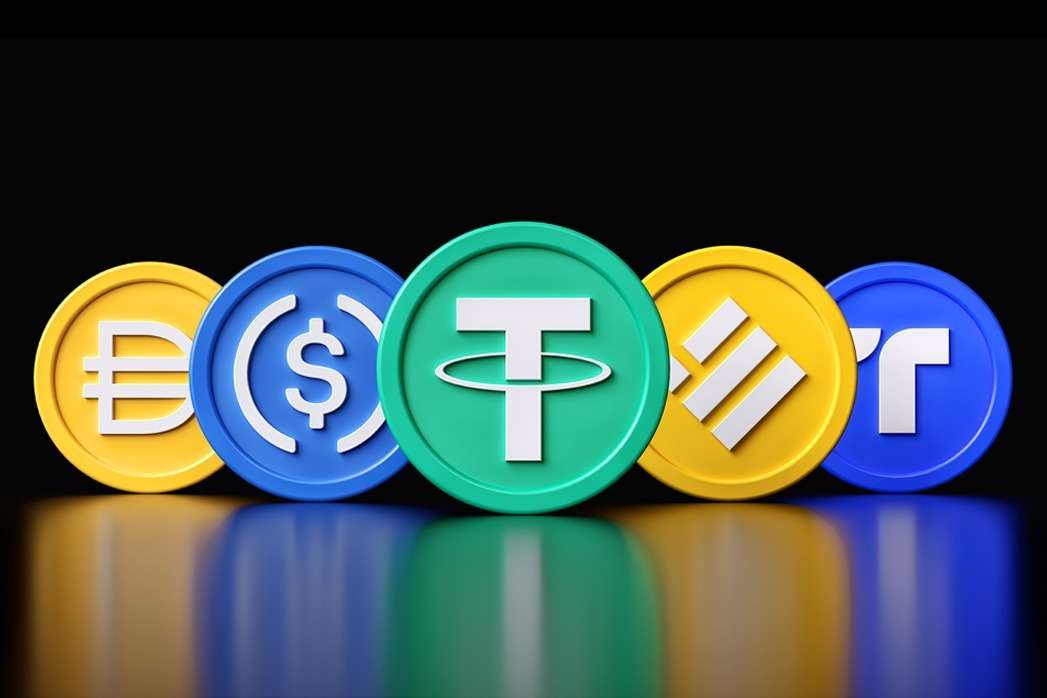
Top five cryptocurrency stablecoin tokens by market capitalization on March 2022. Tether, Usd Coin, Binance Usd, Terra Usd and Dai. High quality 3D

Will 2024 be the Year of Stablecoins?

Providing stability in an otherwise volatile market, the dynamic nature of the crypto world has emerged as a pivotal instrument for Stablecoins. But one question remains: Will 2024 be the Year of Stablecoins? Given the volatile nature, Web3 technology is changing how we handle assets by…

Read more →

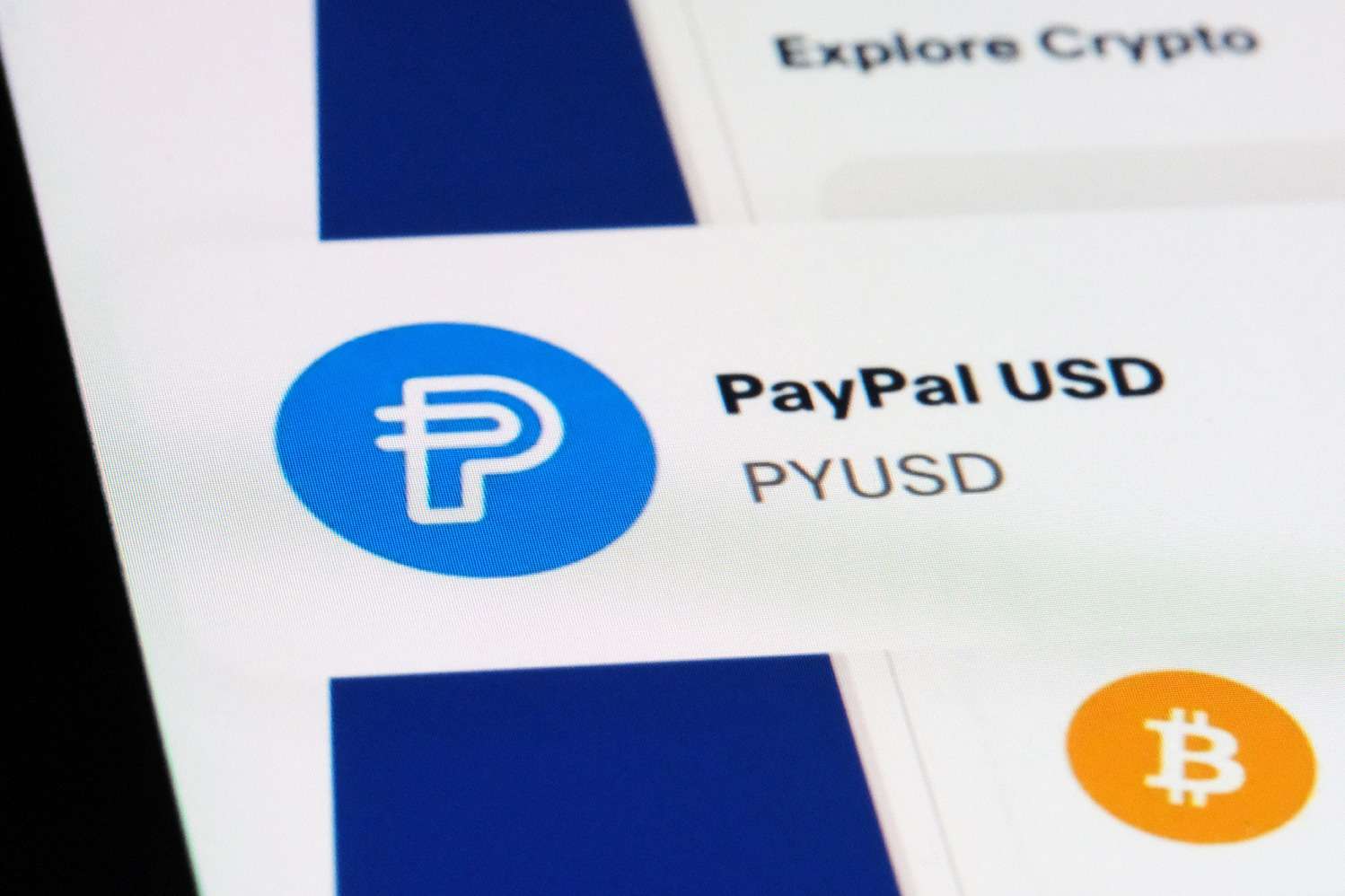
PayPal PYUSD image with a Bitcoin logo. PayPal Stablecoin.

PayPal, Payments and PYUSD

Money is powerful when it is used, but not when it is just sitting around. Every day, billions of transactions occur worldwide, and payments are the most regular and tangible use of money. But again, payments are more than just a means of exchanging…

Read more →

A man is holding a phone with a bitcoin symbol on it.

Euro Coin: A Stable Currency You Can Trust

Are you looking to cash out your gains on cryptocurrency but still want a financial vehicle backed by a real currency? Look no further. Euro Coin — a euro-denominated stablecoin backed by full reserves, is here. It’s designed to provide instant and reliable access to the euro’s stability while also allowing users to avoid some of the limitations associated with traditional fiat currencies.

Designed for stability, Euro Coin is 100% backed by euros held in euro-denominated banking accounts so that it’s always redeemable 1:1 for euros. Your funds are always safe and can be withdrawn at any time.

Euro Coin was created as part of a mission to make it easier for people worldwide to use digital money for everyday transactions.

Built To a Higher Standard

Circle issues Euro Coin (EUROC) under the same full-reserve model as USD Coin (USDC), a trusted digital dollar currency with more than $54 billion in circulation. This means that all Euro Coins are backed 1:1 with euros held in reserves at all times so that they can be redeemed through any Euro Coin issuer.

How has Euro Coin has been built to a higher standard:

  • The EUROC token is backed by physical euro deposits held at a top-tier financial institution, subject to regular third-party audits.
  • EUROC is fully collateralised by these assets and redeemable at any time through the Circle website or mobile app.
  • EUROC tokens are available on Circle Trade, Coinbase Pro, Poloniex and Bittrex.

Euro Coin can be used wherever U.S. dollars are accepted, including physical stores where payment terminals accept debit or credit cards or online merchants that accept credit card payments or PayPal.

A New Era of FX & Digital Banking Is Here

A new era is upon us. The Euro Coin is a new kind of stable coin backed by the euro, with no trading fees and an annual gross margin rate of 5%. Euro Coin is a next-generation digital currency issued within the Euro Clearing and Settlement system. It’s backed by euros, making it a stable currency you can trust.

The linkage between Euro Coin and USDC enables global banks and financial services firms to use Euro Coin as a safe and regulated digital money while accessing the USDC stablecoin as a new medium of exchange to facilitate cross-border payments in their global operations. We believe the future of finance is digital and that humans should be free to pay for goods and services at any time of day, from any location.

Key Takeaway Points

For traders: Euro Coin provides a cost-effective way to buy or sell cryptocurrencies in a single transaction. Your funds are always held in a stable currency, so you don’t have to worry about exchange rate risk or price volatility. And because it’s so easy to use, you can make trades faster than ever.

For consumers: With Euro Coin, you can make purchases online or shop worldwide without worrying about losing money due to exchange rate fluctuations or hidden fees — all while earning loyalty rewards (such as cashback) when shopping with your favourite merchants online or offline.

Image Source: Adobe Stock

Disclaimer: This article is provided for informational purposes only. It is not offered or intended to be used as legal, tax, investment, financial, or other advice.

Read more →

Top five cryptocurrency stablecoin tokens by market capitalization on March 2022. Tether, Usd Coin, Binance Usd, Terra Usd and Dai. High quality 3D

Stablecoins – What are They? How Do They Work?

A Stablecoin is a cryptocurrency whose value is pegged to an external asset, such as fiat currency or gold, to maintain a stable value. Some cryptocurrencies offer several benefits; the most notable is that they do not require a central authority to process transactions, thereby enabling their use worldwide. However, crypto’s crucial debit is that crypto prices fluctuate frequently.

Therefore, these assets are complex for the public to use. Typically, people want to know how much money they have to make financial decisions. The inherently unpredictable nature of crypto contrasts with the price stability enjoyed by money. The value of currency, e.g., the U.S. dollar, is also affected by changes in value, but to a lesser extent than cryptocurrencies.

Stablecoin Overview

Stablecoins aim to mitigate value fluctuations by pegging crypto to a stable external reference – typically fiat currencies. Fiat is a currency issued by the government and used in daily transactions. Examples include the United States dollar ($), the pound sterling (£), and the Euro (€).

Generally, the reality propelling Stablecoin will comprise a” reserve “where it steadily stores the asset or basket of means supporting Stablecoin. They are pegged to tangible – world assets. Whenever a Stablecoin holder withdraws their assets, the total value of the withdrawal is subtracted from the standby cash reserve.

An intricate type of Stablecoin is collateralised with cryptocurrencies other than fiat currencies, yet it is still designed to track a conventional asset.

Maker is a renowned Stablecoin supplier that uses this medium and achieves this milestone using the “Vault, which locks up a holder’s crypto security. As soon as the intelligent contract proves that the guarantee is in place, the contract makes the holder eligible for a DAI loan.

Algorithmic Stablecoins are another class of Stablecoins. It is not collateralised. They are either burned or minted to preserve the coin’s value.

Categories of Stablecoin Collateral

  • Fiat: It is the most common collateral for Stablecoin; the most popular being the U.S dollar.
  • Precious metals: Some cryptocurrencies are pegged to precious metals, e.g., gold & Silver.
  • Cryptocurrencies Some Stablecoins use the likes of Ether, Ethereum’s network native coin, as security.

Common Stablecoins

  • Tether (USDT): Tether is one of the most widely used Stablecoins, pegged to the value of the US dollar. It is known for its high liquidity and is widely used for trading and transactions in the cryptocurrency space.
  •  
  • USD Coin (USDC): USDC is another primary Stablecoin pegged to the US dollar and is supported by several major cryptocurrency exchanges. It’s known for its transparency and regulatory compliance.
  •  
  • DAI: DAI is unique compared to other Stablecoins as it is decentralised and maintains its value by using smart contracts and collateral on the Ethereum blockchain. It is not pegged to any specific fiat currency but aims to maintain a stable value around $1 USD.
  •  
  • Binance USD (BUSD): Binance USD is a stablecoin issued by Binance and pegged to the US dollar. It’s backed by reserves of US dollars held by Paxos Trust Company.
  •  
  • TrueUSD (TUSD): TrueUSD is a USD-backed stablecoin that operates similarly to USDC and USDT, aiming to provide stability and transparency through regular audits and a reserve-backed system.
  •  
  • Paxos Standard (PAX): Paxos Standard is a regulated USD-backed Stablecoin issued by Paxos Trust Company. It’s designed to be fully collateralised by US dollars held in FDIC-insured banks.
  •  
  • HUSD: HUSD is an ERC-20 Stablecoin that is backed by multiple Stablecoins, aiming to provide users with a diversified and balanced portfolio.

Finally, there are some drawbacks to Stablecoins, mainly due to their typical structure. Hence, it presents distinct challenges compared with other cryptocurrencies. 

Cryptocurrency was designed to replace third-party firms that manage users’ funds. These third-party firms can block certain transactions. However, some Stablecoins can also block certain transactions.

Disclaimer: This article is provided for informational purposes only. It is not offered or intended to be used as legal, tax, investment, financial, or other advice.

Read more →