Investing money into stock market.

In 2026, Money Is No Longer an Asset. It Is a Network

“The most important question in modern finance is no longer ‘what is money?’ but ‘who controls the network it runs on?’” — DNA Crypto.

For most of history, money was an object.

  • – Gold.
    – Silver.
    – Paper.

Then it became a claim.

– A bank balance.
– A ledger entry.
– A promise backed by institutions.

In 2026, money is neither… It is a network.

Understanding this shift is more important than predicting prices, because networks behave differently from assets. They compound power, concentrate control, and reward positioning over ownership.

Investors who miss this distinction will misunderstand everything that follows.

The Three Historical Phases of Money

Money has evolved in layers, not replacements.

Phase one: Money as a commodity

Value was intrinsic. Scarcity was physical. Trust was local.

Gold did not need permission to exist.
It needed protection.

Phase two: Money as a claim

Value became abstract. Trust shifted to institutions. Settlement became mediated.

Bank deposits, bonds, and fiat currencies all live in this phase. Money worked as long as confidence in issuers and stewards held.

DNACrypto explored the fragility of this model in Money Is a Trust System.

Phase three: Money as a network

Money now moves at the speed of software.

Access, settlement, programmability, and policy are embedded directly into the system. Control matters more than possession.

This is the world we are entering now.

Stablecoins: Networked Liquidity

Stablecoins are not “crypto cash”.

They are networked liquidity.

They succeed because they:

  • – Move continuously
  • – Settle globally
  • – Integrate into trading, OTC desks, and Tokenisation
  • – Bypass legacy banking frictions

This is why Stablecoins quietly underpin modern markets, as detailed in Stablecoins Have Already Changed Finance and Credible Settlement in 2026.

Stablecoins are money optimised for movement, not ideology.

CBDCs: Networked Policy

CBDCs are often framed as a threat or a failure.

They are neither.

CBDCs are a networked policy.

They exist because:

  • – Settlement is inefficient
  • – Visibility was lost
  • – Private money moved faster than states

CBDCs do not compete with Bitcoin. They acknowledge the limits of traditional fiat in a networked world, a point DNACrypto makes explicitly in “CBDCs Are a Confession” and “CBDCs Will Change Crypto.”

CBDCs extend state control inside the network… They do not replace it.

Tokenisation: Networked Capital

Tokenisation is not about fractional ownership.

It concerns capital moving natively within networks.

Tokenised assets:

  • – Settle faster
  • – Interact with Stablecoins
  • – Plug into collateral systems
  • – Reduce reconciliation friction

This is why real adoption begins with funds, treasuries, and private credit, as shown in Real-World Asset Tokenisation and Tokenised Money Market Funds.

Tokenisation turns capital into software.

Bitcoin: Money Outside the Network

Bitcoin is the exception that proves the rule.

Bitcoin is not networked money in the same sense.

It is money outside the network.

It does not depend on:

  • Issuers
  • – Settlement intermediaries
  • – Policy frameworks
  • – Access controls

This is why Bitcoin behaves differently during crises, a reality explored in Bitcoin Acts as Disaster-Proof Money and Bitcoin as Sovereign Wealth.

Bitcoin is not faster money.
It is independent money.

Why Price Is the Wrong Lens

Assets are priced.

Networks are positioned.

Once money becomes a network, value accrues to:

  • – Control points
  • – Settlement layers
  • – Governance mechanisms
  • – Access rights

This explains why debates about price miss the more profound shift.

As DNACrypto argues in Markets Don’t Price Truth, markets price exits and access, not philosophical correctness.

The Investor’s New Skill: Monetary Topology

The next decade will not reward asset pickers alone.

It will reward investors who understand monetary topology:

  • – Where money flows
  • – Who controls the settlement
  • – What happens under stress
  • – Which systems fail gracefully

This framing unifies Bitcoin, Stablecoins, CBDCs, and Tokenisation into a single map rather than competing narratives.

The DNACrypto View

In 2026, money is no longer an asset you hold.

It is a network you operate within or outside of.

– Stablecoins move liquidity inside networks.
– CBDCs encode policy inside networks.
– Tokenisation moves capital inside networks.
– Bitcoin exists beyond them.

Understanding this distinction is not optional.

It is the difference between reacting to the future and positioning for it.

Image Source: Adobe Stock
Disclaimer: This article is for informational purposes only and does not constitute legal, tax or investment advice.
Register today at DNACrypto.co

Read more →

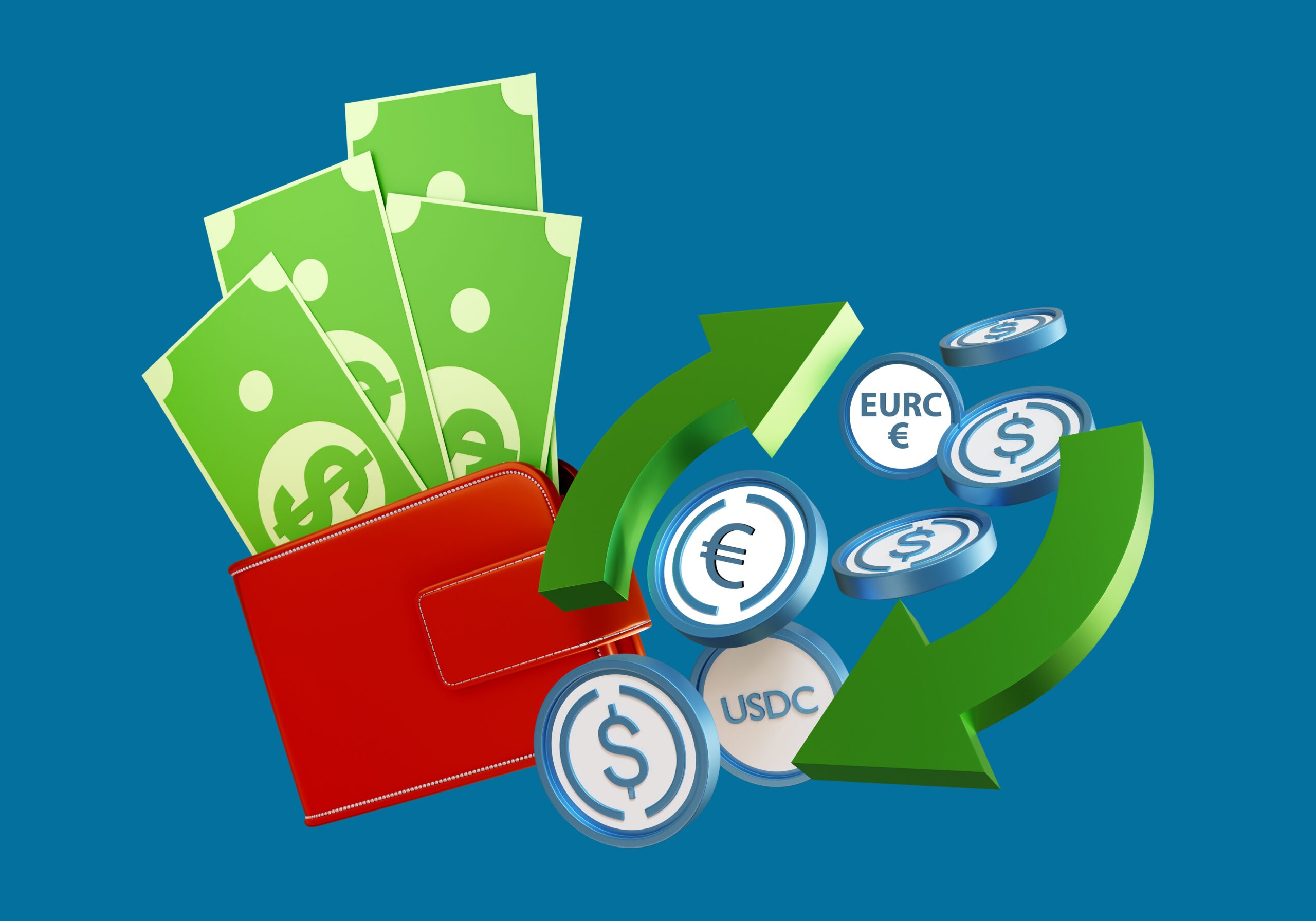
Crypto trading. Cryptocurrency USDC. Exchange dollars for USDC. Buying digital dollar. Exchange fiat currency for crypto. USDC money on blue.

Stablecoins as Financial Infrastructure: Why Institutions Treat Them as Digital Cash

“Stablecoins are not crypto instruments. They are payment infrastructure.” — DNA Crypto.

For years, Stablecoins were grouped loosely under the label “crypto”. That framing is now outdated. Institutions are increasingly treating Stablecoins not as speculative instruments, but as financial plumbing. Quietly and deliberately, they are being integrated into treasury systems, settlement rails and cross-border payment flows.

This shift mirrors how executives already think about money, not as an asset to speculate on, but as infrastructure that must move efficiently, reliably and continuously.

Stablecoins vs Bank Deposits vs Money Market Funds

From an institutional perspective, Stablecoins increasingly compete with traditional short-term cash instruments.

Bank deposits offer safety but are constrained by banking hours, jurisdictional friction and counterparty risk. Money market funds provide yield and liquidity but settle slowly and operate within market hours. Stablecoins introduce a third model.

They offer programmable, always-on liquidity with near-instant settlement. When issued under regulated frameworks, Stablecoins increasingly resemble digital cash equivalents rather than crypto assets.

This distinction is explored in Bitcoin vs Stablecoins, where DNACrypto highlights why institutions separate settlement tools from long-term stores of value.

Why Corporations Use Stablecoins in Practice

Corporations are not adopting Stablecoins for ideological reasons. They adopt them because they solve real operational problems.

Stablecoins are now used for:

  • – Treasury management, allowing balances to move instantly without waiting for bank cut-off times

  • – Intra-group transfers enable multinational companies to shift liquidity between subsidiaries efficiently

  • – Cross-border settlement, reducing reliance on correspondent banking and SWIFT delays

  • – 24/7 liquidity, ensuring funds are available outside traditional market hours

These use cases are detailed further in Stablecoins as Financial Infrastructure and Stablecoins in Europe.

In this context, Stablecoins function less like crypto tokens and more like programmable settlement layers.

How MiCA Changes the Risk Profile of Stablecoins

Europe’s MiCA framework represents a turning point. It introduces precise requirements for reserve backing, custody, redemption rights and reporting. This dramatically alters how risk is assessed.

Under MiCA, compliant Stablecoins must demonstrate transparency, asset segregation, and operational resilience. For institutions, this moves Stablecoins closer to regulated financial instruments rather than experimental technology.

DNACrypto has analysed this shift in depth in MiCA and Stablecoins and Stablecoins After MiCA.

For European institutions, MiCA reduces legal ambiguity and unlocks broader adoption.

Why Euro Stablecoins Matter Strategically

Euro-denominated Stablecoins are becoming strategically important. They allow European corporates to settle natively in euros while maintaining global reach and round-the-clock liquidity.

This matters for treasury teams that want to avoid excessive dollar exposure and FX friction. Euro Stablecoins support regional monetary sovereignty while still operating on global digital rails.

The strategic implications are explored in Euro Stablecoins Under MiCA and Stablecoins in Europe 2025.

In Europe, euro-stablecoins are not a niche product. They are a competitive necessity.

Why Banks Are Quietly Building Stablecoin Rails

Perhaps the strongest signal of all is coming from banks themselves. Across Europe and beyond, banks are building Stablecoin rails behind the scenes.

They understand that instant settlement, tokenised deposits and programmable liquidity are becoming table stakes. Stablecoins allow banks to modernise infrastructure without replacing the existing system overnight.

This quiet convergence between traditional finance and Stablecoin infrastructure is reshaping payments at the base layer.

The DNA Crypto View

Stablecoins are no longer best understood as crypto assets. They are digital cash instruments embedded into modern financial systems. For institutions, their value lies in efficiency, availability and integration.

Under MiCA, regulated Stablecoins become safer, more transparent and more usable for European corporates. This does not replace banks. It upgrades them.

Bitcoin remains the long-term reserve asset. Stablecoins remain the settlement layer. Understanding the difference is now essential for executives.

For further reading, see Stablecoins in Europe and Bitcoin vs Stablecoins.

Image Source: Adobe Stock
Disclaimer: This article is for informational purposes only and does not constitute legal, tax or investment advice.
Register today at DNACrypto.co
Read more →

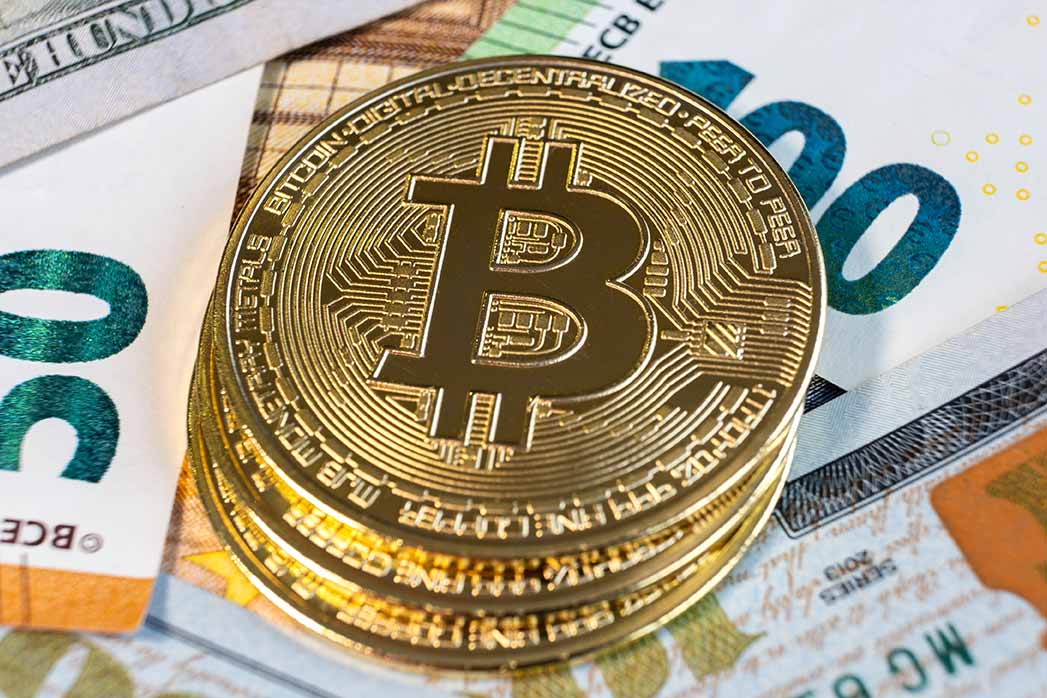
Close up of metal shiny bitcoin crypto currency coins on US dollar bills. Electronic decentralized.

Bitcoin as Collateral: The New Foundation for Global Lending

“Bitcoin isn’t speculative anymore. It’s structured, sovereign, and here to stay.” — DNA Crypto.

A structural transformation is underway in global finance: Bitcoin is emerging as the next generation of pristine collateral. For decades, U.S. Treasuries dominated international credit markets. Today, institutions are increasingly treating Bitcoin as a borderless, politically neutral, and highly liquid asset suitable for underwriting global borrowing.

This shift marks Bitcoin’s evolution from an investment to a foundational layer in the digital financial system.

Why Bitcoin Is Becoming the New Collateral Standard

Investors and institutions are adopting Bitcoin as collateral because it is:

  • – Highly liquid across global markets
  • – Borderless and accessible without intermediaries
  • – Non-sovereign and therefore politically neutral
  • – Transparent, with verifiable supply
  • – Scarcity-based with immutable issuance
  • – Globally recognised and transferable
  • – Independent of credit issuers or governments

Bitcoin has zero counterparty risk, a property that no fiat instrument or government bond can replicate.

For further context on institutional trends, see the article Why Institutions Prefer OTC Bitcoin, which explains why professional investors favour transparent settlement.

Stablecoins Are Becoming the Standard Borrowing Currency

As Bitcoin becomes the preferred form of collateral, institutions increasingly borrow against it in:

  • – USDC
  • – EURC
  • – Regulated Euro Stablecoins


This structure mirrors established financial systems:

Gold = Collateral
Dollars/Euros = Liquidity

Stablecoins provide:

  • – Fast cross-border settlement
  • – Dollar or euro liquidity options
  • – Low volatility for repayment
  • Efficient collateral and margin management

In essence, Bitcoin is becoming the Digital Collateral layer, and Stablecoins are becoming the liquidity layer powering global credit markets.

Institutional Bitcoin Lending Is Accelerating

Institutions now use Bitcoin as collateral for:

  • – Corporate liquidity cycles
  • – Hedged trading positions
  • – Cross-border settlement
  • – FX risk mitigation
  • – Treasury-backed borrowing structures

With MiCA fully implemented in Europe, regulated Digital Asset lenders are expected to expand BTC-backed lending significantly between 2025 and 2026. Europe’s regulatory clarity positions it as the most predictable and secure region for institutional Bitcoin credit markets.

Related reading: MiCA and the Rise of Regulated Custody.

Why This Matters to Investors

Using Bitcoin as collateral provides investors with the ability to:

  • – Unlock liquidity without selling
  • – Avoid creating taxable disposal events (jurisdiction dependent)
  • – Retain long-term Bitcoin exposure
  • – Access capital for business or investment opportunities
  • – Participate in yield or credit-based strategies

However, the following controls are essential for responsible operations:

  • – Volatility buffers
  • – Liquidation thresholds
  • – Secure, regulated custody
  • – Clear repayment terms
  • – Counterparty risk monitoring

Institutional-grade custody providers — now regulated under MiCA — are becoming the backbone of BTC-backed lending.

For insight into how institutions are allocating to Bitcoin, see What Bitcoin ETFs Mean for Corporate Europe.

The Future: Bitcoin as Pristine Digital Collateral

Bitcoin is on a trajectory to become the standard collateral asset for:

  • – Banks
  • – OTC Desks
  • – Regulated Custody Providers
  • – Digital Credit Platforms
  • – Corporate Treasury Systems


This is how Bitcoin transitions:

  • – From investment to infrastructure
  • – From asset to collateral
  • – From speculation to settlement

The global lending system of the next decade will not be built solely on government debt. It will be built on Digital Collateral, and Bitcoin is at the centre of that shift.

Further Reading from the DNA Crypto Archives

For more insight into treasury strategy and digital asset evolution, explore:


Image source: Envato Stock

Disclaimer: This article is for informational purposes only and does not constitute legal, tax, or investment advice.https://dnacrypto.co

Read more →

Euro coin on stock chart. Financial investment concept.

Euro Stablecoins Are Coming: How EURC and EMTs Will Transform Payments in Europe

“As MiCA unfolds, euro-denominated Stablecoins will be the most tightly regulated digital cash instruments on the planet. Europe isn’t just catching up — it’s creating a safer, more compliant foundation for the future of money.” — DNA Crypto.

Europe’s Stablecoin Moment Has Arrived

For years, the Stablecoin market has been dominated by USD-pegged tokens. But in a region with the world’s second-largest currency, that’s about to change. With the Markets in Crypto-Assets Regulation (MiCA) now in effect, euro-backed Stablecoins — known as E-Money Tokens (EMTs) — are poised to redefine digital payments across the continent.

The arrival of EURC and other MiCA-compliant tokens marks a turning point for European fintech, banking, and blockchain adoption.

Why Europe Needs Euro Stablecoins

European commerce currently runs on:

  • – SEPA and SWIFT transfers
  • – Card networks
  • – Traditional settlement rails


These systems are:

  • – Not borderless
  • – Not 24/7
  • – Not cost-efficient

Euro Stablecoins solve this with real-time, programmable payments that cross borders and bypass bank delays.

Further reading: What Bitcoin ETFs Mean for Corporate Europe

MiCA: Building the World’s Safest Stablecoin Market

MiCA defines strict rules for EMTs:

  • – 1:1 reserve backing
  • – Daily issuance and redemption audits
  • – Redemption at par value
  • – Segregated client funds
  • – Issuance by licensed EU institutions


This makes EURC and its competitors structurally safer than any USD Stablecoin operating today. It also builds public trust in a euro-native digital payment layer.

Further reading: Bitcoin vs Digital Euro

Who Will Use Euro Stablecoins?

Adoption will come fastest from:

  • – E-commerce and payment processors
  • – Payroll platforms and remote teams
  • – B2B suppliers and invoice finance firms
  • – Remittance and cross-border payments
  • – Crypto exchanges and on/off-ramp providers

These users want stability, speed, and euro-denominated liquidity.

Why Bitcoin and Euro Stablecoins Work Together

Some see Stablecoins as a threat to Bitcoin. We don’t. At DNA Crypto, we see a complementary system taking shape:

  • – Bitcoin as a reserve asset
  • – Euro Stablecoins as the transactional layer


This enables:

  • – Seamless BTC to EUR flows
  • – More liquidity for Bitcoin users
  • – New on-chain commerce models
  • – Greater euro-zone participation in digital assets

Further reading: Bitcoin as Digital Gold 2.0

The New European Stack: Bitcoin + EURC

What gold + cash were to the 20th century, Bitcoin + Stablecoins will be to the 21st.

  • – Bitcoin for savings, settlement, and sovereignty
  • – EURC for instant commerce, payroll, and payments

Together, they offer the first genuine alternative to the legacy banking stack in Europe.

Further Reading from the DNA Crypto Archives

For more insight into treasury strategy and digital asset evolution, explore:


Image source: Envato Stock

Disclaimer: This article is for informational purposes only and does not constitute legal, tax, or investment advice.

Read more →

Pretty Young Woman Sitting And Throwing Money.

Why Stablecoins Are the New Institutional Entry Point into Crypto

“Stability is the bridge between traditional finance and digital freedom.” – DNA Crypto Knowledge Base.

In 2025, Stablecoins became the fastest-growing sector of digital assets, accounting for more than $160 billion in global circulation.
Once viewed as a niche tool for traders, they are now the institutional entry point into crypto, powering cross-border payments, treasury operations, and regulated liquidity solutions — especially in Europe’s MiCA-driven markets.

For institutions, Stablecoins represent the missing link between the speed of blockchain and the stability of fiat currency.

Learn more: Global Impact of MiCA

What Are Stablecoins?

Stablecoins are digital assets pegged to stable reserves such as the euro, U.S. dollar, or commodities like gold.
They are designed to maintain consistent value while enabling instant, low-cost global transfers — making them ideal for businesses and financial institutions entering blockchain markets.

There are three main categories:

  • – Fiat-backed Stablecoins – backed 1:1 by reserves (e.g., USDT, USDC, EURC).

  • – Crypto-collateralised Stablecoins – secured by on-chain assets (e.g., DAI).

  • – Algorithmic Stablecoins – maintained via supply algorithms (mostly phased out after 2022).

In today’s market, regulated, fiat-backed Stablecoins dominate institutional adoption, with MiCA and PSD3 compliance providing new legal certainty across Europe.

Explore: DeFi and MiCA Regulation

How Institutions Use Stablecoins

Stablecoins are now essential for institutional crypto operations, bridging the old and new financial worlds.

1. Cross-Border Payments
Corporations and Fintechs use Stablecoins to settle global transactions 24/7, bypassing SWIFT delays and intermediary fees.
In Europe, EURC (Euro Coin) has become a preferred payment token under MiCA-aligned custody models.

2. Treasury Management
Hedge funds and asset managers use Stablecoins for instant liquidity and on-chain diversification, enabling seamless capital movement between exchanges and DeFi protocols.

3. Tokenisation & Yield
Stablecoins provide the base layer for tokenised real-world assets (RWAs) — including bonds, property, and carbon credits — with transparent, programmable yields.

4. Settlement Layer for Exchanges
Exchanges and brokers increasingly use Stablecoins for instant collateral and fiat off-ramps, reducing counterparty risk while increasing liquidity.

See: Institutional Tokenisation

Stablecoins in Europe: The Regulation Advantage

Europe is now one of the most stable environments for regulated stablecoin growth.
The Markets in Crypto-Assets Regulation (MiCA) — implemented in 2024 and expanding through 2025 — introduced clear classifications:

  • – ARTs (Asset-Referenced Tokens): Pegged to a basket of currencies or assets.

  • – EMTs (E-Money Tokens): Pegged to a single fiat currency (e.g., EURC, USDC).

Under MiCA, issuers must:

  • – Hold verifiable reserves.

  • – Provide transparent audits.

  • – Register with the European Securities and Markets Authority (ESMA).

This regulatory clarity is attracting banks, fintechs, and payment providers to integrate Stablecoins as regulated liquidity tools rather than speculative assets.

Explore: MiCA and Investor Protections

DNA Crypto: Powering Institutional Stablecoin Access

As a VASP-licensed brokerage in Poland, DNA Crypto connects traditional institutions to compliant stablecoin infrastructure.

We support:

  • – EURC and USDC settlements for institutional clients.

  • – Cross-border liquidity services for tokenised payments and treasury flows.

  • – Secure, insured custody aligned with MiCA and EU AMLD frameworks.

  • – Advisory services for corporates exploring tokenised payment rails.

At DNA Crypto, Stablecoins are more than trading tools — they’re the connective tissue of the new digital economy.

Learn more: Crypto Custody Solutions

The Bottom Line

Stablecoins are no longer a crypto side product — they’re the main entry point for institutions into blockchain finance.
With MiCA providing legal certainty and infrastructure maturing across Europe, Stablecoins are set to become the digital cash layer of the global economy.

For businesses, the message is simple:
Stablecoins are not just stable — they’re strategic.

Image Source: Envato Stock

Disclaimer: This article is for informational purposes only and does not constitute legal, tax, or investment advice.

Read more →

Bitcoin coins stacked on blocks of Gold bars as the background.

Gold and Bitcoin: The Dual Pillars of the New Wealth Standard

“Sound money never goes out of style — it just changes form.” – DNA Crypto.

Gold for security. Bitcoin for sovereignty. Together, they define modern wealth.

For centuries, gold has symbolised security, stability, and trust — the asset of kings, nations, and prudent investors.
But in the 21st century, a new contender has emerged: Bitcoin, the digital mirror of gold’s principles — finite, verifiable, and borderless.

In 2025, the conversation isn’t about gold vs. Bitcoin — it’s about how both assets now coexist as the foundation of the new global wealth standard.

Learn more: Institutional Bitcoin Adoption

The Return of Hard Assets

Decades of monetary expansion, rising debt, and currency dilution have revived investor appetite for tangible and scarce assets.
Gold remains the world’s ultimate reserve, held by central banks as a hedge against instability.

Yet as markets digitise and trust shifts toward transparent systems, Bitcoin has risen as digital hard money — offering the scarcity of gold with the mobility of code.

Together, they form a dual-asset hedge:

  • – Gold defends against inflation and policy missteps.
  • – Bitcoin defends against debasement and digital overreach.

Explore: Global Impact of MiCA

Gold: The Timeless Anchor

Gold’s strength lies in its universality.
Across thousands of years, empires have fallen, and currencies have collapsed — yet gold has preserved purchasing power and trust.

Even today, global reserves exceed 35,000 tonnes, with central banks adding to their holdings amid de-dollarisation trends.
In a world of fiat volatility, gold remains the ultimate collateral — a stabilising asset immune to political whim.

Read: Institutional Tokenisation

Bitcoin: The Digital Successor

Bitcoin builds upon gold’s legacy — but scales it for the digital age.
It is finite (21 million coins), verifiable, and transferable in real time across borders.
While gold sits in vaults, Bitcoin moves at the speed of data.

In 2025, institutions will hold over $60 billion in Bitcoin ETFs, while emerging economies will use it as an alternative reserve and payment network.
Bitcoin doesn’t replace gold — it extends its principles into the realm of programmable money.

See: What Is Bitcoin and Why It Matters

Why Investors Now Hold Both

Forward-thinking investors no longer see gold and Bitcoin as competitors — but as complementary stores of value.
Gold protects wealth within the traditional system.
Bitcoin protects wealth outside of it.

Their combined benefits form a modern macro-portfolio:

  • – Gold: Low volatility, institutional-grade collateral
  • – Bitcoin: High growth, liquidity, and decentralised resilience
  • – Together: Stability meets sovereignty

Explore: MiCA and Investor Protections

DNA Crypto: Bridging the Old and the New

At DNA Crypto, we recognise that modern wealth requires both heritage and innovation.
Our platform provides institutions and high-net-worth investors with:

  • – Bitcoin brokerage and custody under MiCA regulation
  • – Tokenised precious metals with real-time settlement
  • – Cross-market liquidity connecting physical and digital stores of value

DNA Crypto stands at the intersection of gold’s history and Bitcoin’s future, uniting them within a single, regulated digital wealth infrastructure.

Learn more: Crypto Custody Solutions

The Bottom Line

– Gold represents trust built over time.
– Bitcoin represents trust built on code.
– Together, they create the new wealth standard — sound, scarce, and sovereign.

In an era where money is becoming programmable, one truth endures:
Real wealth is measured not in speculation but in scarcity and integrity.

Image Source: Envato Stock

Disclaimer: This article is for informational purposes only and does not constitute legal, tax, or investment advice.
Register today at DNACrypto.co
Read more →

CBDC money. Background with blockchain coins. CBDC coins near financial chart. Central bank digital currency. State blockchain money. CBDC coins among skyscrapers.

Cross-Border CBDC Pilots: How the Digital Euro and Digital Yuan Are Changing Trade

“CBDCs aren’t just money on your phone — they’re programmable money shaping the next era of global trade.” – DNA Crypto Knowledge Base.

The dynamics of money are changing rapidly. Not just through crypto or mobile wallets, but actual government-backed digital cash: Central Bank Digital Currencies (CBDCs).

By 2025, two pilots dominate the conversation: the digital euro and China’s digital yuan (e-CNY). Both share the same goal — faster, cheaper, cross-border payments — but their strategies are starkly different.

Learn more: CBDCs vs Crypto

The Digital Euro: Slow and Steady

The European Central Bank (ECB) is cautious but determined. The digital euro aims to provide citizens and businesses with a safe, additional way to pay, while maintaining Europe’s monetary independence.

Key pillars:

  • – Cash remains: The euro will exist alongside coins, notes, and electronic payments.

  • – Cross-border trade: Designed to function beyond the EU.

  • – Privacy-first: Europe prioritises anonymity and secure data storage.

Tests so far include instant currency swaps and programmable business payments — less flashy than China’s rollout, but deliberate and rule-driven.

Explore: The Digital Euro Project

The Digital Yuan: Ambition at Scale

China has raced ahead. The digital yuan is already live across 17 provinces, processing over ¥7 trillion (€900B) in transactions. It’s integrated into daily life — from school fees to business settlements.

Key points:

  • – Everyday use: Retail and institutions use it interchangeably.

  • – Controlled privacy: Transactions are encrypted, but the central bank retains oversight.

  • – Global reach: Pilots in Hong Kong, UAE, and Thailand are testing cross-border swaps to reduce dollar dependence.

Related: Global Impact of MiCA

Implications for Businesses and Brokers

For corporates, brokers, and even consumers, CBDCs offer:

  • – Faster settlements – no multi-day SWIFT delays.

  • – Programmable payments – automate payroll or supplier contracts.

  • – Audit-ready transparency – digital trails simplify compliance.

  • – New trade corridors – especially for emerging markets with limited USD access.

Read: Investor Protections Under MiCA

Looking Ahead

CBDCs are more than “digital cash.” They’re programmable, global, and reshaping financial rails.

  • – Europe focuses on trust and privacy.

  • – China prioritises speed and influence.

Together, they signal a near future where money moves instantly across borders, shifting the balance of global trade.

Image Source: Adobe Stock
Disclaimer: This article is purely for informational purposes. It does not constitute legal, tax, financial, or investment advice.

Read more →

Digital Euro Payment System - Bimetallic CBDC Coin With Gold Rim And Silver Centre Against Colourful Cinematic Background.

CBDC Pilots in Europe: What the Digital Euro Means for Businesses and Consumers

“The digital euro is not designed to replace money — it is designed to future-proof it.” – DNA Crypto Knowledge Base.

Day by day, Europe edges closer to a financial experiment that could reshape money itself: the digital euro. Think of it as cash reimagined for the internet age — backed not by a private firm but by the European Central Bank (ECB).

Learn more: The Digital Euro Project

Why Europe Wants a Digital Euro

Three drivers stand out:

  • – Declining cash use: By 2024, cash fell to just over half of transactions, down sharply from 2019.
  • – Surging digital payments: Cards now cover nearly 40% of in-store payments, online is above 20%, and mobile wallets have doubled.
  • – Foreign dependence: Visa, Mastercard, and Apple Pay dominate European rails — but none are EU-owned.

The ECB envisions a “public option” for money: stable, inclusive, and not controlled by Big Tech.

Related: Stablecoins and MiCA Regulation

The Global Push for CBDCs

Europe isn’t alone. In 2020, only 35 countries studied CBDCs. By 2025, that number reached 134, representing nearly all global GDP.

    • – Live projects: Bahamas (Sand Dollar), Jamaica (Jam-Dex), Nigeria (eNaira).
    • – Pilots: China’s digital yuan has already processed close to $1 trillion.
    • – In progress: Japan, India, Brazil, Turkey, and Australia are testing systems.
    • Features Under Development

      The ECB has outlined key features:

      • – Legal tender across the Eurozone
      • – Free for everyday use by citizens
      • – Offline capability for resilience and privacy
      • – Seamless integration with banks and merchants
      • – Cash remains alongside the digital euro

      Christine Lagarde calls it “a digital form of cash” — designed to be both trustworthy and future-ready.

    • Challenges Ahead

      • Privacy: Europeans worry that regulators could monitor payments.
      • Awareness: Surveys show low understanding; many think it will “replace cash.”
      • Adoption hurdles: Consumers already trust cards, PayPal, Apple Pay — even Stablecoins. The ECB must prove why its solution is better.

      Read: Investor Protections Under MiCA

    • Implications for Businesses

      • Pros: Lower payment costs, faster settlement, and more e-commerce efficiency.
      • Cons: Compliance adjustments, system updates, and customer education.

      Ultimately, businesses must integrate the digital euro while continuing to support existing rails.

    • CBDCs vs Crypto

      The ECB stresses the digital euro is not crypto. Unlike Bitcoin, it won’t swing in value. Unlike Stablecoins, it won’t depend on private issuers.

      • – Bitcoin remains attractive for decentralisation and censorship resistance.
      • – Stablecoins (USDT, USDC) will continue in DeFi and cross-border transfers.
      • – The digital euro will focus on retail payments, inclusion, and sovereignty.

      More: Why Decentralisation Still Matters

    The Takeaway

    By late 2025, the EU will decide if the digital euro moves from pilot to launch. It won’t kill cash. It won’t erase crypto. But it could quietly reshape payments across Europe, giving citizens a secure digital option and businesses a cost-efficient rail, while reinforcing Europe’s monetary independence.

Image Source: Adobe Stock
Disclaimer: This article is provided for informational purposes only. It does not constitute legal, tax, financial, or investment advice.

Read more →

Crypto coins on gold background.

The Future of Altcoins: Navigating the Surge in Listings and Market Growth

“Markets eventually reward utility, governance, and compliance — not narratives.” — DNA Crypto.


The modern Cryptocurrency market is entering a new phase with all eyes on altcoins. The altcoin season appears promising to investors, especially with significant new listings that could drive crypto market growth. But still, what forces are behind this momentum, and how should investors manoeuvre?

What is Fuelling Altcoin’s Growth?

Typically, altcoin seasons follow specific market patterns, and 2025 presents a unique blend.

1. The Bitcoin Halving Effect

The 2024 Bitcoin halving initiated a supply scarcity pattern, historically a recipe for major bull runs. As Bitcoin’s price rose, more investors began allocating funds to alternative cryptocurrencies, driving the overall market value higher. Analysts believe the post-halving BTC period will push prices to new historical highs, prompting more alternative Cryptocurrencies.

2. Institutional and Retail Adoption

Cryptocurrency has evolved beyond its original role as a specialised investment vehicle. An increasing number of institutional investors are entering the market alongside improved EU regulatory conditions that make crypto investments safer for mainstream stakeholders.

Increasing confidence should help advance altcoin investment opportunities as the sector gains legitimacy and investors become more invested in Blockchain-based finance solutions and tokenised assets.

3. Layer-2 and Blockchain Innovations

The adoption of Ethereum’s Layer-2 networks, such as Arbitrum and Optimism, is driven by their faster, lower-cost transaction processing. The adoption of AI within Blockchain platforms shows promise in developing automated trading systems and smart contracts, while enabling decentralised application development, creating new opportunities for Blockchain innovation.

4. Macroeconomic Conditions

Global economic fluctuations, effective inflation management, and lower rates could prompt investors to accept perceived riskier assets such as alternative coins. Geopolitical turmoil drives most investors to seek a haven in decentralised finance (DeFi), among other value storage systems. Thanks to its transparency and efficiency, more people and institutions will adopt Blockchain when classical financial frameworks become uncertain.

The Surge in Altcoin Listings

Undoubtedly, Altcoin listings are becoming more prevalent across significant exchanges. Usually, surges in listings align with strong market growth. But why does this trend stand out?

  • – Increased Liquidity: More listings mean more trading opportunities that appeal to retail and institutional investors.
  • – Sector-Specific Booms: DeFi, GameFi, and AI-powered tokens are seeing increased listings, which shows strong interest in these sectors.
  • – FOMO and Market Hype: Trends in social media and influencer-driven ads amplify demand for newly listed tokens, hence, price appreciation.
  • – Network Effects and Ecosystem Growth: The more altcoins that launch, the stronger the Blockchain ecosystem will be, thus resulting in cross-chain collaborations and technological advancements.

Altcoin Investment Strategies for 2025

To navigate this market, investors should focus on structured strategies like:

1. Diversification

Diversifying investments across Layer-1 protocols, Layer-2 solutions, Layer-3 DeFi solutions, and emerging AI-driven altcoins helps traders manage their risk-to-reward ratio. The volatility of Cryptocurrency calls for portfolio diversification to reduce market risk.

2. Staying Ahead of Regulatory Changes

The EU and other jurisdictions now present clearer regulations for the crypto industry. Long-term stability requires investors to track how projects enforce compliance standards and security protocols. Knowledge of regulatory requirements helps traders protect their investments by staying up to date on changes to the legal framework.

3. Technical and Fundamental Analysis

Traders can realise high-profit investments by applying technical indicators such as RSI and MACD, along with extensive research and analytical skills. Ostensibly, community engagement, developer activity, and an altcoin’s practical functionality enable traders to assess its long-term sustainability.

4. Risk Management and Exit Strategies

Every investment requires an explicit plan to manage risks. Stop-loss strategies with planned profit exits and regular market trend monitoring better position investors for risk management during market volatility and boost their returns.

Final Thoughts

Thanks to changing macroeconomic conditions, developing institutional interests, and improving technological capabilities, altcoins will undoubtedly be more explosive in 2025. New listings entering the market require investors to stay alert, conduct research, and adjust their strategies to identify new investment opportunities.

Understanding how past markets have cycled can help investors gauge future volatility patterns. Analysts hinted that altcoin values would rapidly increase after Bitcoin’s post-halving surge. It is happening. Altcoins’ evolution is happening now—are you ready to seize the opportunity?

What specific altcoins should investors consider for 2025? How can retail investors effectively compete with institutional investors in this evolving market? What indicators or signals should investors watch for to determine the best time to enter or exit positions in altcoins? Keep posted for further articles from DNA Crypto.

Image Source: Adobe Stock

Disclaimer: This article is purely for informational purposes. It is not offered or intended to be used for legal, tax, investment or financial advice.

Read more →

Concept showing of cryptocurrency payment - Hands paying buy placing on swiping payment machine.

Who Accepts Bitcoin Payments in 2024?

As we step into the second half of 2024, the question on everyone’s lips is, “Who accepts Bitcoin payments?” Ride with us in this excerpt as we showcase the range of brands and retailers that are embracing this digital currency. Growing Bitcoin Acceptance Most…

Read more →