Why Safety Is Becoming the Most Valuable Asset in Crypto
“In uncertain markets, returns attract attention. Safety attracts capital.” DNA Crypto.
The Market Is Beginning to Reprice Risk
For much of its history, crypto has been defined by growth, innovation and rapid expansion. Capital has largely been driven by opportunity, with returns often outweighing considerations around risk and structure.
That dynamic is changing.
As markets mature, participants are becoming more selective, and the focus is shifting from how much can be made to how much can be protected. This is not a retreat from opportunity, but a recalibration of priorities.
Safety is no longer a secondary consideration.
It is becoming a primary driver of capital allocation.
Safety Is Not the Absence of Risk
One of the most common misunderstandings is that safety implies stability or the removal of risk altogether. In financial markets, that is rarely the case.
Safety is defined by how risk is understood, managed and distributed across a system. It is the ability to remain positioned through volatility rather than being forced out by it.
This distinction matters because markets reward those who can stay invested over time, not just those who enter at the right moment.
Where Risk Actually Sits
Risk in crypto is often associated with price volatility, but that is only one component. In practice, the more significant risks tend to lie beneath the surface, embedded in market structures and operational frameworks.
These include:
- – Counterparty risk, where access to assets depends on third parties
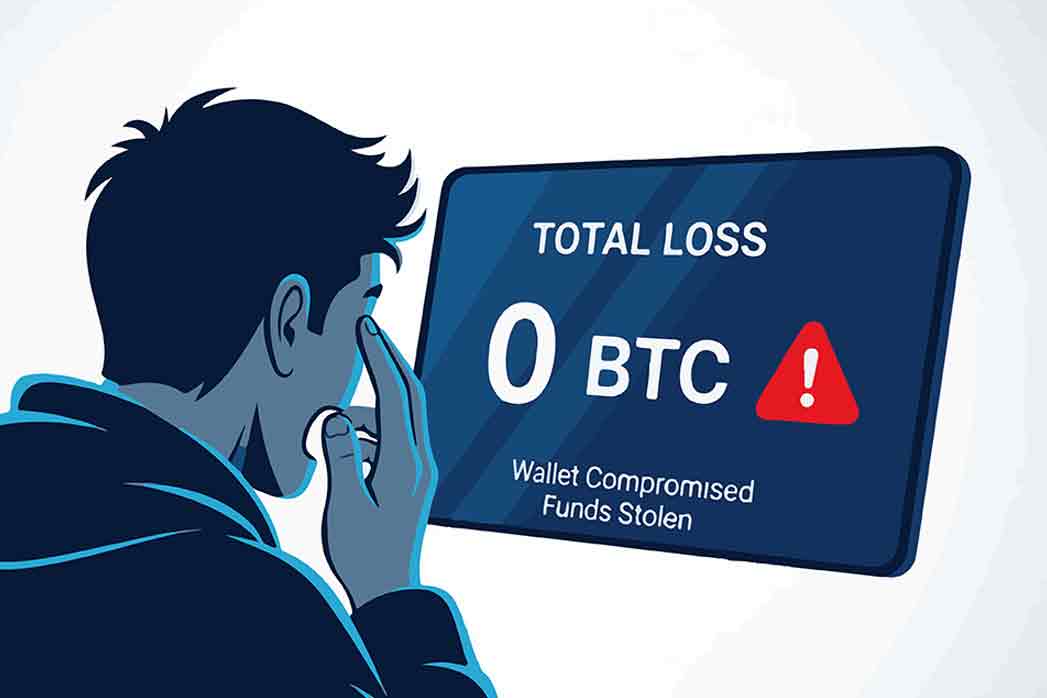
- – Custody risk, where ownership is compromised by weak storage solutions
- – Liquidity risk, where capital cannot exit efficiently under pressure
- – Structural risk, where markets lack the depth required to function reliably
As explored in crypto risk management, understanding where risk sits is more important than attempting to eliminate it.
Custody Is Becoming Central to Protection
As capital increases, the importance of custody becomes more pronounced. Ownership in digital markets is defined not by registration, but by control, and that control depends on how assets are secured.
This is why custody is increasingly viewed as infrastructure rather than a feature.
As outlined in crypto custody infrastructure, secure custody frameworks allow investors to maintain control while reducing exposure to operational risk.
Without it, safety cannot be guaranteed.
Liquidity Defines Practical Safety
Safety is often discussed in theoretical terms, but in practice, it is closely linked to liquidity. An asset may appear secure, but if capital cannot move when needed, that security is limited.
As explored in market price liquidity, liquidity determines whether investors can respond to changing conditions without significant loss.
This is where protection becomes practical rather than conceptual.
Regulation Introduces Structural Protection
Regulatory frameworks such as MiCA are reshaping how safety is defined within crypto markets. By introducing standards around custody, transparency and operations, they provide a baseline level of protection for participants.
This does not eliminate risk, but it reduces uncertainty, which is often the greater concern for institutional capital.
As explored in MiCA crypto regulation, structured environments attract capital because they allow risk to be assessed more clearly.
Opportunity Still Exists, But It Is More Selective
The shift towards safety does not mean that opportunity disappears. It means that opportunity becomes more selective and more closely tied to structure.
Capital is increasingly moving towards:
- – Assets with strong liquidity and market depth
- – Platforms with reliable custody and governance
- – Systems that integrate with broader financial infrastructure
This reflects a broader transition from speculative participation to structured allocation.
Where DNA Crypto Sits
DNA Crypto operates within this evolving environment by focusing on access to digital assets through secure, regulated and structured frameworks. This includes supporting custody solutions, facilitating access to liquidity, and aligning with regulatory standards to enable long-term participation.
This positioning reflects a market that is no longer driven solely by opportunity, but by the balance between opportunity and protection.
The Direction Of Travel
As crypto markets continue to mature, safety will become increasingly embedded within infrastructure rather than treated as an external consideration.
Capital will concentrate in environments where protection is built into the system, not added as an afterthought.
This is how markets evolve.
From expansion to selection.
Conclusion
Safety is becoming the most valuable asset in crypto because it defines whether capital can remain positioned through uncertainty.
Returns may attract attention, but protection determines whether those returns can be realised over time.
In the next phase of digital finance, the advantage will not belong to those who take the most risk, but to those who understand how to manage it.
Relevant DNACrypto Articles
- – crypto risk management
- – crypto custody infrastructure
- – market price liquidity
- – MiCA crypto regulation
Image Source: Adobe Stock
Disclaimer: This article is for informational purposes only and does not constitute financial, legal, or investment advice.
Register today at DNACrypto.co