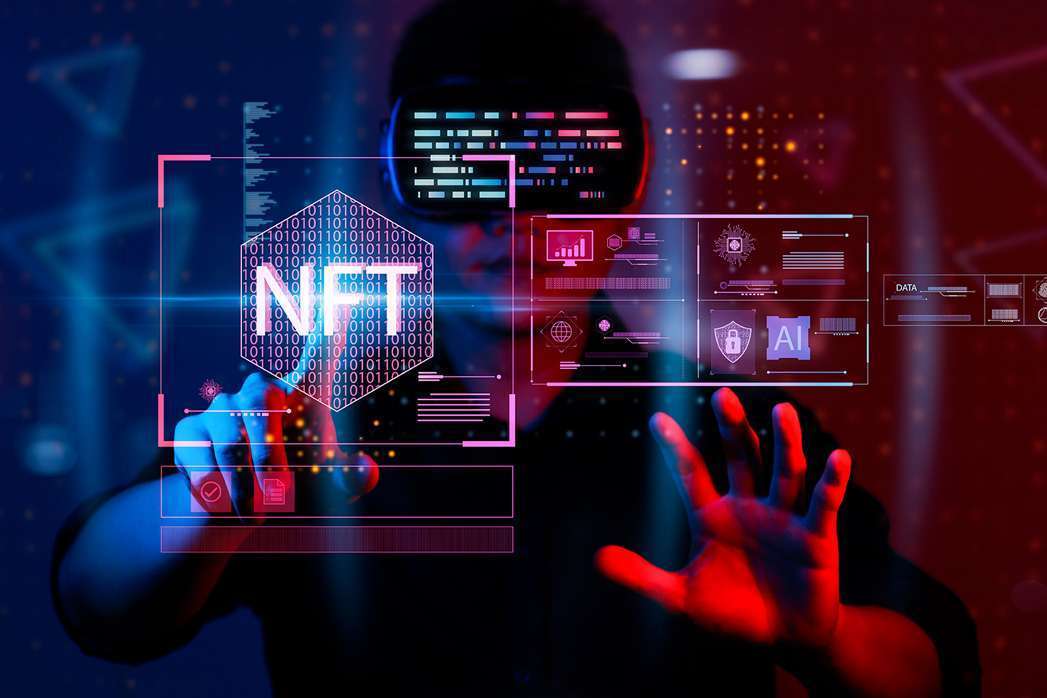
businessman finger touch virtual screen, NFT token digital crypto art blockchain technology concept.

The Utility-Driven NFT Revival in 2025

Following the boom and bust of 2021, NFTs were widely written off as a speculative frenzy over overpriced JPEGs. However, in 2025, NFTs are making a powerful comeback — this time with meaningful utility. The focus has shifted from collectability to function, and that’s where NFTs truly shine.

The demand for a secure, tamper-proof identity grows as our digital lives progress. NFTs are doing their best to step up as a decentralized solution. Whether it is diplomas, health records, licenses, or job credentials, identity-related documents can be minted as NFTs, stored securely, and verified instantly, without intermediaries.

NFTs are also becoming digital gatekeepers. Whether it’s entry into a concert, access to the gated online community, or a subscription to premium content, the NFT-based authentication forms the basis for rightful holders to participate. This improves security and provides creators with new tools to monetise exclusive content and experiences.

The New Age of NFTs

NFTs today are no longer just digital art. They’re programmable assets enhancing transparency, efficiency, and ownership in both digital and physical ecosystems. The new wave of NFT applications is led by three transformative pillars: real estate, gaming, and identity verification.

NFTs as the New Deeds

“NFT-based titles are transforming real estate by enabling instant transfers, reducing paperwork, and allowing fractional ownership.” — MIT Digital Property Lab, 2025

Imagine purchasing a home without banks, lawyers, or endless paperwork. Thanks to NFTs, real estate can now be Tokenised, traded like shares, and owned in fractional ownership. Smart contracts automate the issuance of deeds, lease agreements, and global compliance in seconds, unlocking international investment opportunities like never before.

NFT Gaming Integration

Gaming has embraced NFTs more than any other sector. In today’s Web3 worlds, players own their in-game assets — be it land, weapons, or skins — and can trade them freely for real-world value.

“Play-to-Earn ecosystems fueled by NFTs are creating decentralized digital economies where players are participants, not products.” — DappRadar NFT Gaming Review, Q1 2025

Interoperability across games enables assets to be transferred between ecosystems, creating a multiverse of interconnected experiences. Developers also benefit via royalties embedded into every resale, aligning value with creativity. For players, it’s about empowerment; for creators, it’s a new monetization model.


A Secure Digital Passport

The demand for a secure, tamper-proof identity grows as our digital lives progress. NFTs are doing their best to step up as a decentralized solution. Whether it is diplomas, health records, licenses, or job credentials, identity-related documents can be minted as NFTs, stored securely, and verified instantly, without the need for intermediaries.

“Identity NFTs allow individuals to control their data and prove credentials across platforms without compromising privacy.” — World Economic Forum Insight Report, 2025

NFTs are also becoming digital gatekeepers. Whether it’s entry into a concert, access to the gated online community, or a subscription to premium content, the NFT-based authentication forms the basis for rightful holders to participate. This improves security and provides creators with new tools to monetise exclusive content and experiences.

Challenges Vis-à-Vis Opportunities

This utility-hungry resurgence does not happen without its struggles. Regulatory uncertainty, environmental concerns, and challenging user onboarding issues still dominate. But the shift is undeniable: NFTs move from the speculative to being the spine of the digital economy.

“NFTs will underpin the future of digital commerce and identity — provided their evolution is tied to real-world value and regulation.” — Gartner Blockchain Hype Cycle, 2025

Now that adoption continues to grow, we can expect NFTs to bring disruptions to expect NFTs to uncover disruptions in even more sectors, such as healthcare, supply chain logistics, or financial services. The promise? A more transparent, efficient and user-owned future.

NFTs Are Back — and This Time, They Matter

The NFT market in 2025 is about solving real problems. From supporting global investments in real estate, empowering gamers, or protecting identities, NFTs are finding their way into the tapestry of our digital lives.

Image Source: Adobe Stock

Disclaimer: This article is purely for informational purposes. It is not offered or intended to be used for legal, tax, investment or financial advice.
Read more →

Futuristic NFT concept to earn, video games, technology, metaverse and crypto. 3d render.

The Future of NFTs: How Non-Fungible Tokens Will Transform Over the Next Few Years

NFTs have been on a wild ride. One minute, they’re the hottest thing in tech; the next, people call them dead. But here’s the truth: NFTs are here to stay; they’re just evolving.

The early days were about hype—million-dollar profile pictures, digital art auctions and quick-flip speculation. But that was never the whole story. The real potential of NFTs lies beyond collectables. Over the next few years, we won’t be able to avoid them. They will become a seamless part of the gaming, real estate, digital identity and ticketing industries.

From Collectibles to Utility

When people think of NFTs, they often picture expensive digital art and cartoon avatars. However, the real future of NFTs is about function, not just showing off.

Take event ticketing, for example. Buying a concert or sports ticket now comes with risks—scalpers, counterfeits, and hidden fees. NFTs can solve this by turning tickets into verifiable digital assets. There will be no fakes or instant transfers; artists or teams can earn royalties on resales. Some companies are already rolling this out, and it won’t be long before it becomes the industry standard.

NFTs are also making their way into fashion. Brands like Gucci and Rolex are testing NFT-based certificates of authenticity, letting buyers prove their items are authentic. The same concept applies to real estate—NFTs can replace traditional property deeds, making transactions faster, cheaper and more secure.

Gaming and NFTs: An Ideal Combination

Players have invested years in purchasing in-game items—skins, weapons, characters—but do not genuinely own them. That is where NFTs come in handy; these digital assets will be traded, sold and utilised across various games.

The idea of a true metaverse, where players can carry items between games and platforms, is still in development. Major gaming companies are experimenting with Blockchain integration, and while early attempts faced backlash, the concept is too powerful to ignore. When done right, NFT-powered games can create real digital economies, giving players actual ownership over their virtual assets.

Digital Identity and NFTs

As the internet becomes more decentralized, NFTs become a key digital identity tool. Instead of using passwords or email logins, people could use NFT-based credentials to prove ownership, memberships, or even qualifications.

This has massive implications beyond social media. Job applications, academic certifications, and online reputation management could all be streamlined through NFT-based verification systems. Digital fashion and personal branding are already taking off in the virtual setting. This is especially true when people buy NFT-based clothing, accessories, and real estate to express themselves online.

Regulation and the Future of NFT Security

One of the significant hurdles for NFTs is regulation. The landscape remains chaotic—specific projects are legitimate, others are fraudulent, and authorities struggle to keep pace. Nonetheless, regulation isn’t intrinsically negative.

Rigorous regulations will establish NFTs as a unique asset category, protect buyers, and ensure a safer environment for broader adoption. Stricter anti-money-laundering (AML) and know-your-customer (KYC) rules are expected, particularly for large transactions. Clarity is essential, and NFT platforms must improve their strategies for fighting fraud.

The Future of NFTs: More Than a Trend

The 2021 NFT hype has passed, but the technology is here to stay. The transition from speculation to practical use is already underway, and in the coming years, NFTs will become a common aspect of daily life. Ticketing, real estate, gaming, and digital identity are not trials. These are the essential components of how NFTs will be utilised.

Image Source: Adobe Stock

Disclaimer: This article is purely for informational purposes. It is not offered or intended to be used for legal, tax, investment or financial advice.
Read more →

Best NFTs in 2025

10 Best NFT Examples for Inspiration in 2025

NFTs (Non-Fungible Tokens) are special-class digital assets whose presence and ownership are registered on the Blockchain. They typically act as evidence of ownership of different kinds of assets like digital art, music, virtual land, etc. While physical, tangible items can be duplicated, the Blockchain authenticates the original NFT copy.

This is a great advantage for artists and designers since they can directly sell their creations to a global market of enthusiasts, with the returns on the secondary transactions being calculated in royalties. As the market, with over $60 billion in trading volume and 10 Million tokens minted on platforms like OpenSea, expands, we can conclude that NFTs redefine people’s perception of ownership.

10 Best NFT Examples

Everydays: The First 5000 Days

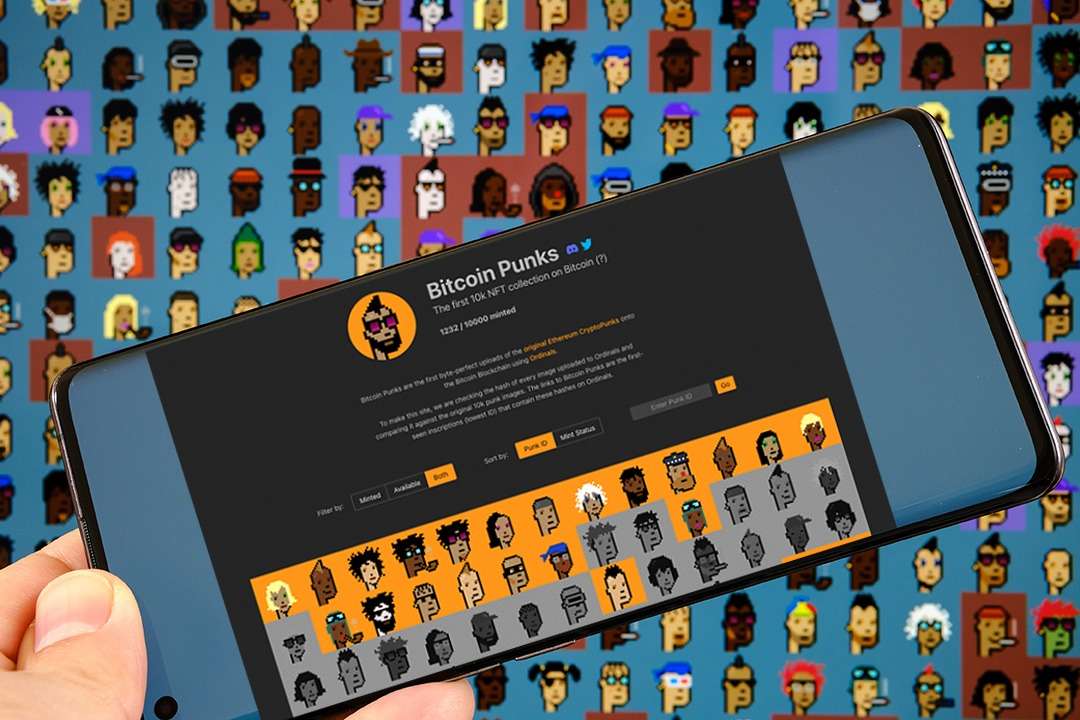
CryptoPunks

  • It is a non-fungible collection of 10,000-pixel art characters, including humans, zombies, apes, aliens, etc., and it is an iconic character created by Larva Labs in 2017.

  • These in animated forms were offered initially for cash that is now worth millions of dollars, and one NFT sold for $11.8 million at Sotheby’s.

  • CryptoPunks was the first to use the ERC-721 standard. Clearly, they are embedded in the history of NFT.

Nyan Cat

  • This viral meme, featuring a Pop-Tart-bodied cat flying through space, was reimagined as an NFT for its 10th anniversary.

  • The NFT combines cultural nostalgia with the appeal of digital collectibles, especially after it was sold for 300ETH.

RTFKT’s Digital Sneakers

  • RTFKT, which joined Nike, redefined digital fashion for wearable NFT sneakers, which grant access to physical shoes.

  • The more high-tech accessories of the “CryptoKicks iRL” were auto-lacing and gesture control.

  • The previous project of RTFKT and Fewocious was $3 million of NFT sneakers sold in minutes, showing the appetite for virtual fashion. Although it is no longer with us.

Cryptovoxels (Voxels)

  • An ideal investment playground that allows people to own, construct and sell plots of land in an online space as NFTs.

  • Cryptovoxels, now known as Voxels, enables users to host a gallery, an event or a store.

  • It can be used on Web browsers and offers VR support, and more people enjoy it as game developers and modellers.

Decentraland

In-Game Assets

  • NFTs made their way to Axie Infinity, meaning characters, items, and lands are expressed as NFTs so members can trade them for profit.

  • Axie Infinity was unique in the Blockchain ecosystem and attracted 2 million monthly active players for a period, and the game made billions in revenue. 

Jack Dorsey’s First Tweet

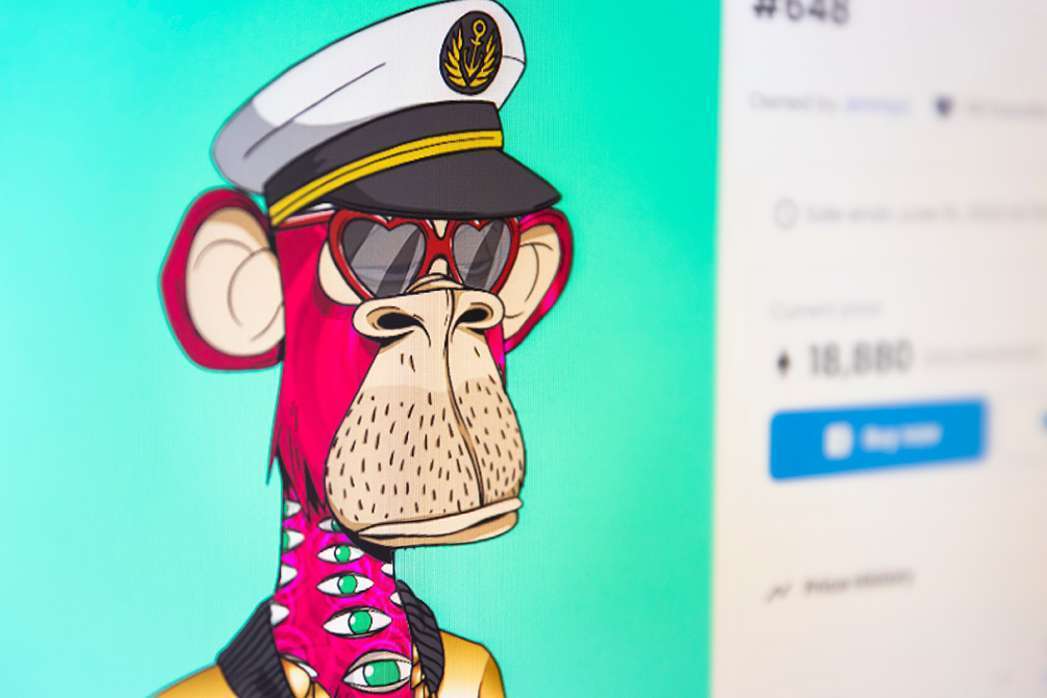
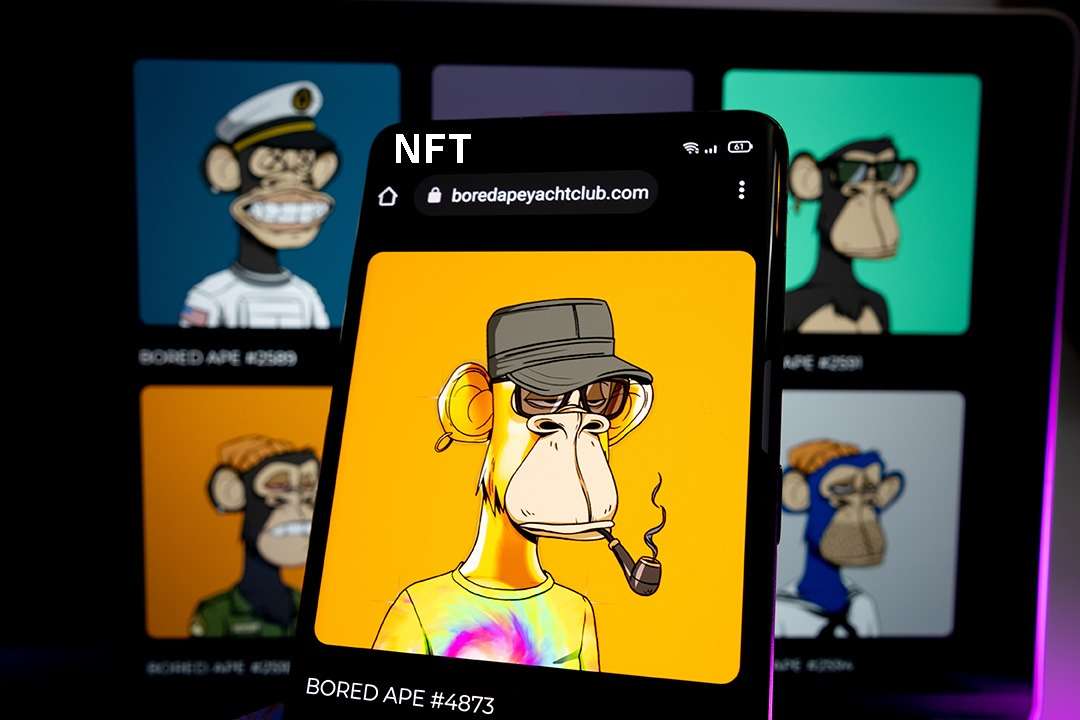
Bored Ape Yacht Club (BAYC)

  • With a total of 10k cartoon apes, BAYC from Yuga Labs is more than just art; owners get privileges such as access to events.

  • Initially, Bored Apes Yacht Club was priced at 0.05 ETH or about $220 per ape, but the value shot up, and some apes cost over $100 000.

  • Early celebrities adopted BAYC, and endorsement deals were made with other players, such as Adidas.

Sports Trading Cards

  • NBA Top Shot and Sorare enable fans to own moments and digital player cards, respectively.

  • NBA Top Shot focuses on the sale of highlights of dramatic moments of basketball games and Sorare’s convergence between trading cards and fantasy sports leagues.

  • Thanks to these platforms, new channels have developed through which fans can interact with their favourite teams and players.

Types of NFTs

Basically, NFTs come in various offerings and have unique value.

  • Digital Art: Artists can sell one-of-a-kind pieces directly to buyers.

  • Music: Musicians tokenize songs and albums. Fans get exclusive access.

  • Virtual Worlds: Platforms like Decentraland let users own and develop land.

  • In-Game Assets: Players own and monetize unique items in games.

  • Domain Names: Blockchain-registered domains ensure decentralized ownership.

  • Tokenized Physical Assets: Real-world items are represented as NFTs.

  • Collectibles: Trading cards, memes, and other digital items become prized assets.

Parting Shot

NFTs are new-age standards of how ownership and authorship should look in the world of art. From Beeple’s shocking digital artwork to Bored Apes’ changing social interactions, NFTs brought a new level of creativity from art to gaming into fashion.

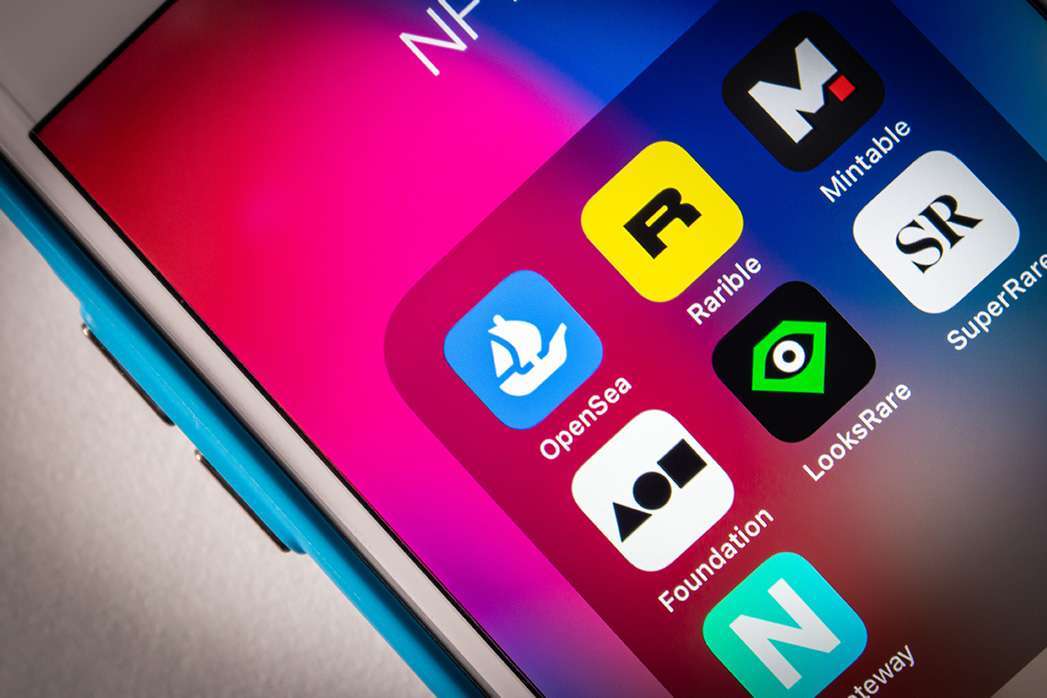
Instead of waning, the market continues to be active, especially as companies like OpenSea and Rarible make it much easier for people to get into the NFT space. For art enthusiasts, 2025 is a year to look forward to, with so much more to come in the NFT market.

Image Source: Adobe Stock

Disclaimer: This article is purely for informational purposes. It is not offered or intended to be used for legal, tax, investment or financial advice.

Read more →

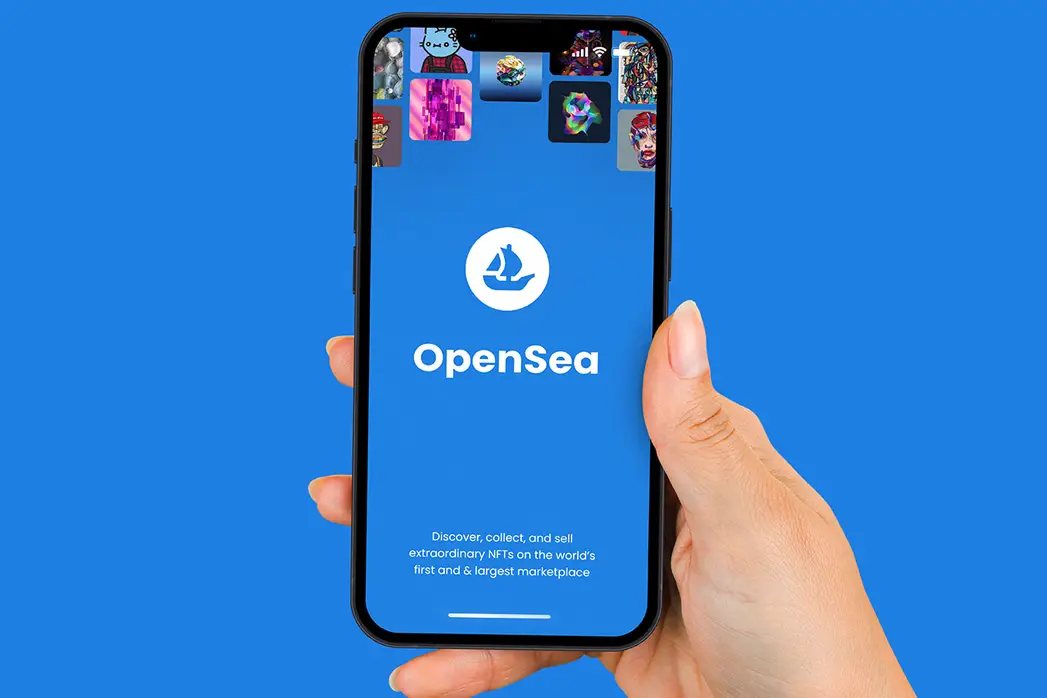
Opensea NFT marketplace

Top NFT Marketplaces to Watch in Q4 2024

It is without a doubt that 2025 is nigh and most if not all crypto enthusiasts are fixated on the ever-growing and dynamic world of Non-Fungible Tokens. In spite of the turmoil witnessed in the digital art market, NFTs in 2024 remain an interesting…

Read more →

hacker attack maintenance concept and hacking cybercrime cyber security User is using smartphone with warning triangle for error notification.

How to Handle Unknown or Malicious NFTs

Among the new and expanding categories of digital assets, NFTs stand out and define a new approach to digital ownership and collectability. Yet, as with most breakthroughs, challenges are prone, especially with the rise of malicious non-fungible tokens. These malicious NFTs can pose risks…

Read more →

Create a digital art piece that incorporates elements of currency exchange and a world map in a unique and visually appealing way

Decoding Hype and Value Cycles in NFTs

Non-fungible tokens (NFTs) have revolutionised the world of digital collectables by allowing users to express their individuality, affiliations and interests through unique digital commodities.  However, to truly tap into the power of these assets, understanding the dynamics of ownership, authenticity, and the evolving nature of…

Read more →

Crypto Virtual Museum and Metaverse internet NFT display as a futuristic streaming media symbol as augmented reality and computer media concept in a 3D illustration style.

The 2024 NFT Market: Dead or Alive?

NFTs, short for Non-Fungible Tokens, are distinctive digital assets logged onto the Blockchain.  Their uniqueness and immutability make them highly secure, guarding against theft and fraud. In 2021, NFTs earned the title of “word of the year” by Collins Dictionary. Steven Schuchart, GlobalData’s chief…

Read more →

NFT crypto art of a Monkey with NFT heading.

NFTs and Intellectual Property: Challenges and Solutions

Non-fungible tokens came to life in early 2021 when celebrities lauded generative art and profile picture projects like CryptoPunks as symbols of representation of a specific crypto community. Typically, these crypto tokens cannot be replicated, hence a vivid representation of real or digital asset ownership. However,…

Read more →