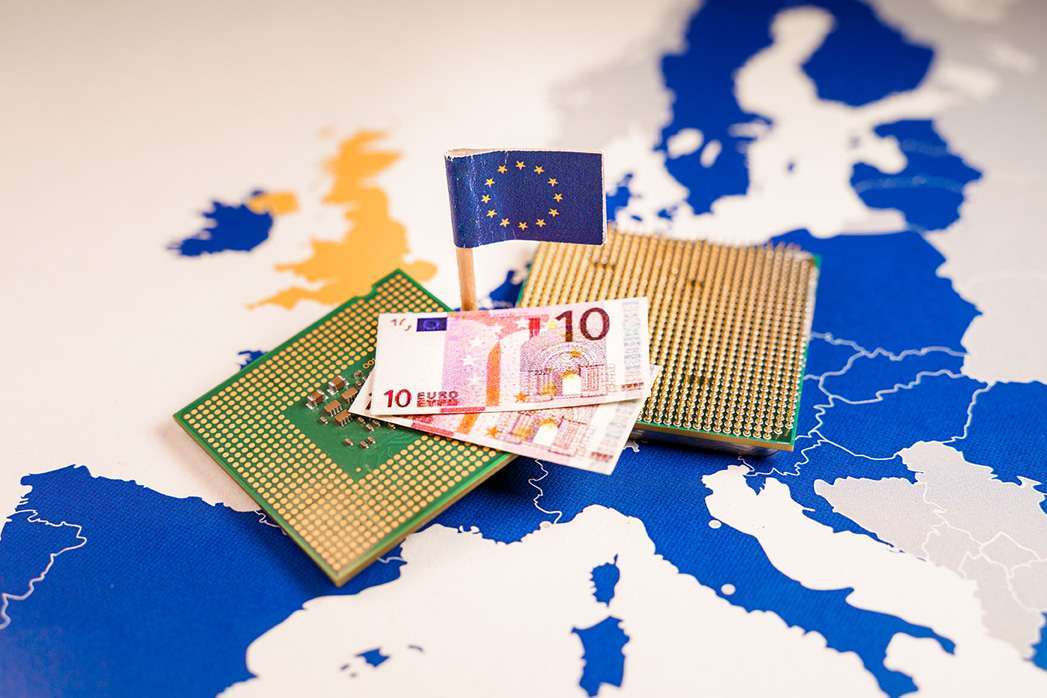
European union flag and Bitcoin. Europe cryptocurrency, digital gold finance investment regulation.

MiCA’s Impact on OTC Trading

The Markets in Crypto-Assets (MiCA) regulation has significantly changed European crypto regulations. The effects of the Markets in Crypto-Assets (MiCA) regulation on over-the-counter (OTC) trading have received scant attention compared to its impact on exchanges and Stablecoin issuers. Now, traders conducting their business through…

Read more →

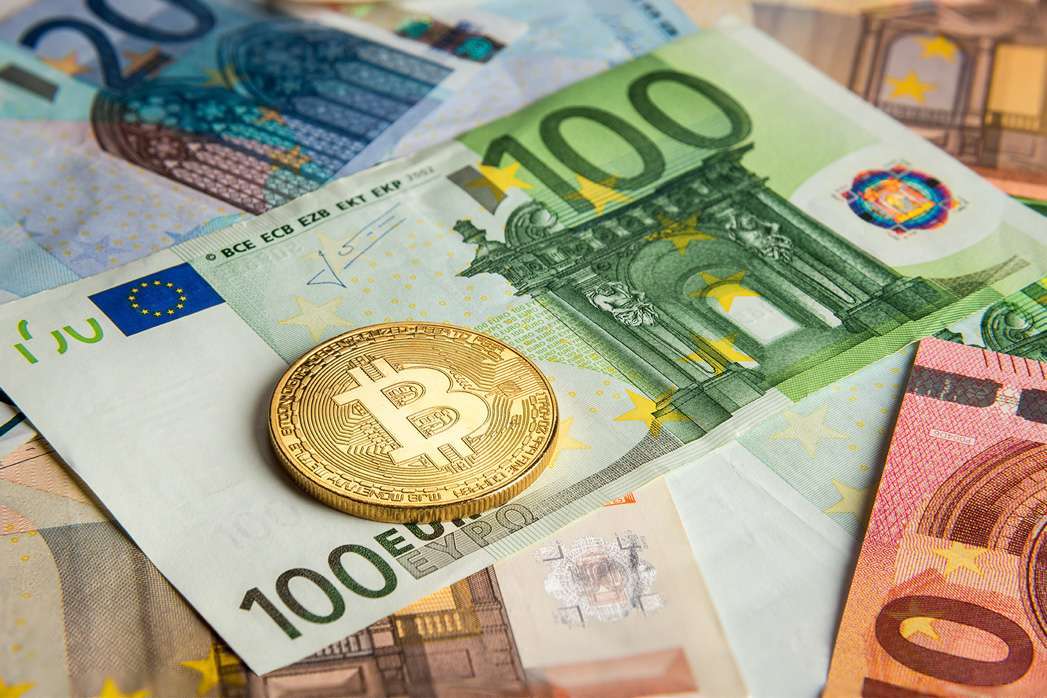
Bitcoins and fifty euro banknote. Financial concept with Bitcoins on fifty euro banknote. Traditional money vs cryptocurrency concept.

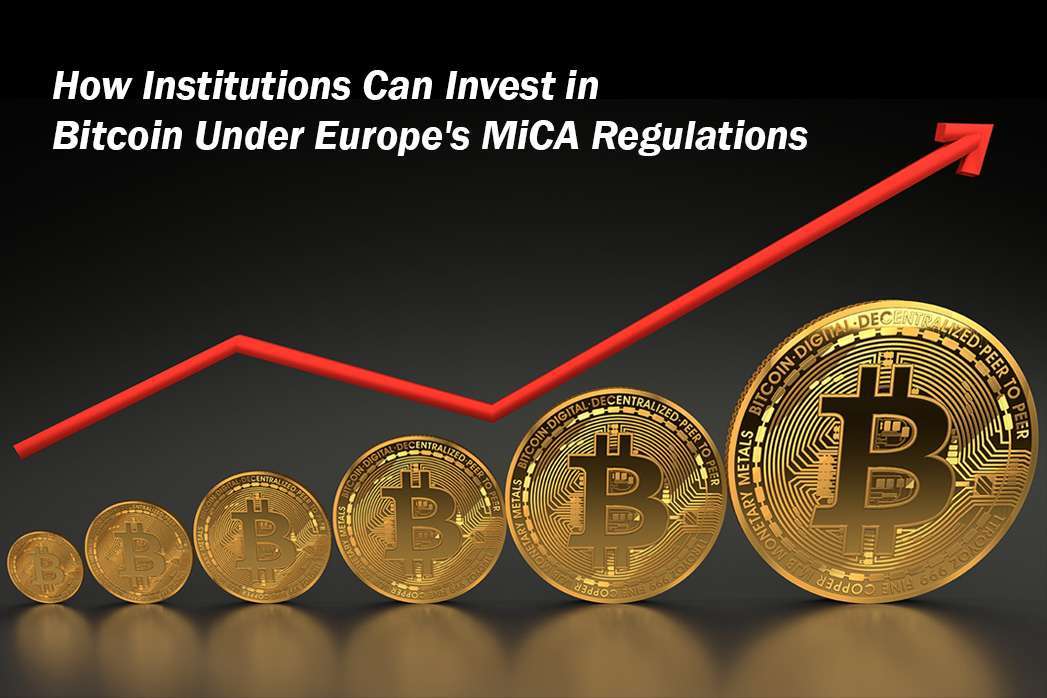
MiCA’s Hidden Opportunities for Bitcoin Investors

The European Union directed The Markets in Crypto-Assets (MiCA) to establish clear financial regulations and enhance consumer protection within the Cryptocurrency market. Evidently, some view MiCA as a mere, strict regulatory policy, yet it provides major investment opportunities, especially for institutional investors who have an eye for Bitcoin.


This write-up evaluates how regulatory clarity through MiCA affects institutional Bitcoin adoption and Bitcoin’s role as a valuable investment amid stringent Cryptocurrency regulation.


Regulatory Clarity and Institutional Adoption


Typically, the European Union spearheaded the necessary regulatory clarity by introducing MiCA for Cryptocurrencies. MiCA establishes precise rules for digital assets that help institutional investors understand Cryptocurrency operations and, as a result, do away with the usual historical market entry barriers.  


MiCA basics include:


– Whitepaper Publication: Crypto-assets issuers must publish a whitepaper with detailed information about the project.

-Disclosure and Transparency: Disclosure of financial information and transparent business practices from time to time.

– Capital Requirements: Service providers, such as exchanges and wallet providers, must meet specific capital thresholds and insurance provisions to operate.


Thanks to MiCA, the clear framework enables institutional investors to perform proper assessments while adding Bitcoin and other Cryptocurrencies to their investment portfolios. The decline of regulatory risks makes Bitcoin more attractive to investors who view it as digital gold and a shield against inflation while bypassing market volatility


Is Bitcoin Safe in a Regulated Environment?


Note that Bitcoin’s dominance and longevity contribute to its perception as the safest bet within the Crypto space. One may wonder how.


– Market Capitalization: Bitcoin has the largest market capitalization among all cryptocurrencies. It goes without saying that this is a result of its widespread acceptance and lower volatility compared to altcoins.

– Network Security: The Bitcoin network’s superior hash rate guarantees safety, making its Blockchain impermeable.

– Regulatory Recognition: As regulatory frameworks like MiCA take shape in Europe and beyond, Bitcoin is getting mileage as a legitimate asset class thanks to its transparency, decentralization and scarcity.

Bitcoin features attract institutional investors towards digital assets because they want low-risk exposure in a regulated environment. Better security alongside regulatory legitimacy helps Bitcoin maintain its dominant position.


The Take Home


The Cryptocurrency market’s advancement heavily depends on MiCA, which aims to bolster innovation and consumer protection. The new regulatory framework improves the Bitcoin investment environment by reducing uncertainties and convincing institutions to join the bandwagon. The financial landscape that works with digital assets has identified Bitcoin as its foundation of stability while creating opportunities for mainstream adoption in the worldwide financial sector.


Image Source: Adobe Stock


Disclaimer: This article is purely for informational purposes. It is not offered or intended to be used for legal, tax, investment or financial advice

Read more →

MiCA or Markets in Crypto Assets concept. Stacked cryptocurrency coins and wooden blocks with text.

What is MiCA and Why Does It Matter?

Blockchain technology and Cryptocurrency both present tremendous opportunity and unavoidable regulatory ambiguity as this space experiences quick, intermittent development.  One crucial piece of legislation regulates all businesses working in the European Union or targeting its market: Markets in Crypto-Assets (MiCA) regulation.


MiCA became a turning point for crypto services through its complete regulatory establishment for cross-bloc crypto-asset operations in Europe’s 27 members. Failure to recognise and properly prepare is necessary for businesses operating within or targeting this complex market to survive and succeed.


MiCA: A New Era for Crypto in Europe

Before MiCA entered into force, the EU crypto regulation space consisted of various distinctive national rules or no special ones. The then-market fragmentation prevented businesses from expanding their operations, while consumers lacked assurance about embracing new technological solutions.

MiCA achieves its goal by establishing a unified regulatory platform for crypto asset service providers operating throughout the EU. The uniform EU requirements for crypto-asset service providers enable pan-EU market participation and create better market conditions, better customer regulation, and financial stability.


Indeed, the implications are profound. MiCA establishes itself beyond typical bureaucratic legislation. The established framework will guide European crypto industry development for years to come. The new regulatory framework provides much-needed legitimacy to crypto assets, enabling institutional organisations and ordinary people to accept them as mainstream financial instruments.


What Investors Need to Understand

MiCA is a complex piece of legislation, but its core principles can be broken down into:


Authorisation and Licensing

To legally provide crypto-assets or access to associated services within the EU market, an entity must acquire authorisation approval from a designated national authority. Exchange services, custodians, and additional supporting providers must seek authorisation from relevant national authorities.

The application process demands proof of fulfilment of capital limitations, operational reliability standards, and anti-money laundering procedures. The authorisation process has barriers yet maintains operational standards that guarantee user security.


Consumer Protection

The safety of consumers stands as the primary concern under MiCA legislation. These regulatory rules establish standards for transparent business practice disclosure requirements and marketing communication instructions. All crypto-asset issuers must issue white papers that clearly show asset information, risk analysis, and explanations of ownership rights to their product holders.


Under these requirements, consumers gain sufficient details to help them make informed purchasing decisions when dealing with crypto. Under MiCA, the issuing organisations become responsible for any inaccuracies in their published white papers. The issuance of deceptive or insufficient information would lead to severe legal penalties.


Stablecoins

MiCA focuses on Stablecoins as a type of crypto-asset which strives to keep its value equal to traditional currencies or other assets. Because Stablecoins pose risks to financial stability, they must fulfil more strict requirements like operational limitations and complete reserve requirements.

The successful issuance of Stablecoins demands issuers keep enough liquid reserve assets to guarantee they can fulfil redemption orders. Stablecoin risk mitigation calls for strict requirements to ensure responsible ownership of crypto assets and their proper use.


Market Abuse

MiCA’s provisions stop market manipulation and insider trading activities involving crypto-assets. The crypto market governance protocol implements financial market-related standards that cement the crypto market integrity, which builds trust and helps attract institutional investors.


Environmental Sustainability

Also, MiCA set out proper requirements for assessing consensus mechanisms’ environmental impact, particularly those running on Proof-of-Work (PoW) systems. Under MiCA regulations, CASPs must report their energy usage and environmental impact to their clientele. The EU demonstrates strong environmental concern regarding crypto-assets, indicating upcoming new rules for the industry.


Preparing for MiCA: A Call to Action

MiCA regulations come into effect in phases, with some provisions becoming applicable much sooner than others. Here are some key steps that companies should take: 


– Understand the requirements.

– Conduct a gap analysis.

– Develop a compliance Plan.

– Invest in technology that can automate processes and manage risk.

– Engage with regulators and seek clarification on any ambiguities.


The demanding journey to compliance leads to market stability and increased crypto adoption, making all the hard work worthwhile. MiCA regulation begins a lasting and responsible evolution in crypto innovation.


Image Source: Adobe Stock


Disclaimer: This article is purely for informational purposes. It is not offered or intended to be used for legal, tax, investment or financial advice.

Read more →

Bitcoin on the European flag

Increased Cryptocurrency Adoption in Europe

Over time, cryptocurrency adoption in Europe has soared. This is made possible, especially with mainstream organisations’ continued embrace of Cryptocurrency, regulatory clarity, and increasing consumer appetite in the digitised world. Suffice it to say that Cryptocurrencies such as Bitcoin and Ethereum were once considered a niche asset class, but they are inevitably becoming a viable alternative to traditional financial systems.


Rising Popularity Among Investors

Despite recent declines in European Cryptocurrency values, European investors have shown a marked propensity for the assets. They are taking a stake in the game in increasing numbers individually and as an institution. According to recent reports, Germany, France, and the Netherlands have seen immense growth in crypto investments thanks to favourable regulations and growing consumer trust.

Businesses across Europe are also welcoming digital currencies in payments and financial transactions. Since then, major retailers, online platforms, and small businesses have taken over Bitcoin and Stablecoins on payment options. Further, crypto-based financial services like lending, staking, and decentralised finance (DeFi) are growing in attraction, providing new means to gain and transact money without relying on traditional banks.


Striking a Balance

Regulatory practice is one of the most important aspects that encourages crypto adoption in Europe. The European Union (EU) has been the most organized in terms of regulations. Providing a clear legal framework for Cryptocurrencies and ensuring consumer protection is where Markets in Crypto-Assets (MiCA) come in.

MiCA will hopefully harmonise crypto regulations among EU member states and give businesses and investors a safer crypto environment. However, even the countries outside the EU are leaders in their progressive approach to crypto. Switzerland, which isn’t even part of the EU but is a financial hub in Europe, has regulated crypto so that many Blockchain start-ups and investment firms have been drawn.


The Role of Central Bank Digital Currencies (CBDCs)

A significant development in Europe’s digital asset scene is the pursuit of central bank digital currencies (CBDCs). The Digital euro is a digital currency backed by a state developed by the European Central Bank (ECB), aimed at replacing physical cash and facilitating better cross-border transactions. Some argue that CBDCs will create competition for decentralised Cryptocurrencies; however, proponents say they will help veggies US digital assets legitimatise, hence adoption.


Future Outlook

While Europe’s adoption of Cryptocurrency has been incredibly rapid, there are still some challenges. Widespread acceptance is still impeded by hurdles such as regulatory compliance, cybersecurity risks, and volatility concerns. In addition, most traditional financial institutions still doubt Cryptocurrency and continue to sit on the fence.

But, there’s an upside: talk of regulatory clarity and continued technological upgrades. Digital assets have become a mainstream technology, and as more companies, investors, and consumers embrace them, Europe will consolidate its position as the global crypto hub.

Finally, it appears that more European countries are starting to see a bright future for cryptocurrency. Of course, a balanced regulatory approach, consumer interest and integration of CBDCs are paving the way for greater inclusivity and innovation in Europe’s financial future. With the development of Blockchain technology, Europe can be at the forefront of shaping the global crypto view, and with time, its role will keep getting stronger.

Image Source: Adobe Stock

Disclaimer: This article is purely for informational purposes. It is not offered or intended to be used for legal, tax, investment or financial advice.

Read more →