Businessman activating data protection shield with finger on digital interface.

Altcoins After Regulation: Which Tokens Survive in a MiCA-Compliant World

“Markets mature when rules replace narratives.” — DNA Crypto.

For years, altcoins thrived in a permissive environment where narratives moved faster than regulation. That environment is ending.

MiCA marks the transition from speculative expansion to regulated survival. Most altcoins will not make that transition. A small number will, and their characteristics are already visible.

This is not a market cycle. It is a regulatory filter.

Why Regulation Will Eliminate Most Altcoins

MiCA introduces licensing, disclosure, custody and governance requirements that most tokens were never designed to meet. Projects built around hype, emissions and vague utility struggle under scrutiny.

DNACrypto has consistently warned about this dynamic in Info on Shitcoins and ICO Scams, where lack of structure leads to long-term failure.

Regulation does not kill innovation. It removes ambiguity.

The Categories That Will Survive

Altcoins that endure will fall into clear, functional groups.

Infrastructure Tokens

Layer 1 and Layer 2 networks that provide scalable, reliable settlement infrastructure will remain relevant. These systems offer measurable utility, developer ecosystems and institutional tooling.

Examples include networks analysed in Polkadot (DOT) and Solana Introduces Blinks, where performance and integration matter more than marketing.

Infrastructure survives because it is needed.

Tokenised Finance Platforms

Platforms enabling the issuance and management of tokenised assets benefit directly from regulatory clarity. As capital markets move on-chain, compliant Tokenisation layers become essential.

This trend aligns with themes explored in Blockchain Project Funding and Crypto in the Boardroom, where enterprise adoption depends on governance and legal certainty.

Regulated DeFi Protocols

DeFi does not disappear under MiCA. It evolves.

Protocols that integrate compliance, permissioned access, and transparent governance are positioned to attract institutional flows. DNACrypto examines this evolution in The Future of Altcoins and Investing in Altcoins.

Utility combined with compliance becomes the entry ticket.

What Fades Away

Meme coins, governance-less tokens and emission-driven projects struggle to justify their existence in a regulated environment. Without clear accountability, they lose access to banking, custody and institutional capital.

This does not happen overnight. It happens quietly, as liquidity dries up.

Why Ether Strengthens as the Default Programmable Asset

Ethereum benefits disproportionately from regulatory tightening. It already functions as the base layer for tokenised assets, Stablecoins and permissioned DeFi.

DNACrypto details this positioning across Ethereum, Bitcoin, and Ethereum 2.0, where programmability and institutional acceptance converge.

As weaker altcoins fall away, Ether’s role as the dominant programmable asset becomes clearer.

Utility and Compliance Beat Hype

The post-MiCA market rewards assets that do something measurable and do it within clear rules. Narratives fade. Infrastructure remains.

As highlighted in Altcoin Season 2025, future performance depends less on momentum and more on structure.

The DNA Crypto View

Altcoins are not disappearing. They are being sorted.

MiCA accelerates a shift from experimentation to infrastructure. Survivors will support settlement, issuance, liquidity or regulated finance. Everything else becomes noise.

The next phase of crypto is quieter, smaller and far more durable.

Image Source: Adobe Stock
Disclaimer: This article is for informational purposes only and does not constitute legal, tax or investment advice.
Register today at DNACrypto.co
Read more →

Global Cryptocurrency Network, Digital Currency Map, Worldwide Finance, Background, Technology, Illustration.

MiCA Was Just the Beginning: Why Global Crypto Regulation Is Converging Faster Than Markets Expect

“Institutions follow rules before they follow returns.” — DNA Crypto.

For most of crypto’s history, regulation followed price. Booms forced policymakers to react. Busts delayed enforcement. That era is ending.

Today, regulation is driving adoption. Not speculation. Not narratives. Not market cycles.

MiCA marked the turning point. It was not just a European framework. It became a reference model.

As outlined in What Is MiCA and Why Does It Matter, MiCA introduced something markets had not seen before. Clear rules, enforceable standards and a licensing regime designed for institutions, not retail hype.

Why MiCA Became the Global Reference

MiCA succeeded because it solved the problem institutions care about most. Legal certainty.

It defines who can operate, how assets are classified, how custody works and how Stablecoins must be backed. It removes ambiguity. That matters more than permissiveness.

DNACrypto explored this institutional shift in MiCA Regulation and MiCA Explained.

Once Europe established a coherent framework, other regions faced a choice. Align or fragment.

Why Other Jurisdictions Are Aligning, Not Competing

Contrary to early assumptions, the UK, UAE, Singapore and Hong Kong are not diverging wildly from MiCA. They are converging around the same principles.

– Clear licensing.
– Defined custody standards.
– Stablecoin reserve requirements.
– Enforceable consumer protections.

This alignment is examined in MiCA vs Global Crypto Asset Regulations in 2025 and MiCA vs Other Jurisdictions.

The message is consistent. Capital prefers clarity to flexibility.

The End of Regulatory Arbitrage

For years, crypto firms moved jurisdictions to avoid oversight. That strategy no longer works.

Banks will not partner with unregulated entities. Funds cannot be allocated to structures without enforceable governance. Custodians must meet defined standards.

DNACrypto addressed this reality in MiCA’s Impact on OTC Trading and MiCA Loopholes.

The era of regulatory arbitrage is closing. Firms that rely on it will not survive the next cycle.

Where Capital Will Flow Next

Capital moves predictably. It flows to jurisdictions offering licensing, passporting and enforceable rules.

Europe now provides that environment. MiCA enables firms licensed in one member state to operate across the bloc. This is a structural advantage.

The implications are explored in How MiCA Licensing Gives You an Edge and Why Lithuania’s MiCA License Matters.

Institutions do not want regulatory novelty. They want certainty that persists across cycles.

Why Crypto Firms Must Adapt or Exit

Crypto firms that ignore regulation face an unavoidable reality. They will lose banking access. They will lose institutional clients. They will lose relevance.

This is not ideological. It is operational.

As DNACrypto explains in “How Institutions Can Invest in Bitcoin,” institutional participation requires compliance, custody, and governance.

Markets will still move. Volatility will remain. But only regulated entities will be allowed to participate at scale.

The DNA Crypto View

MiCA was never the end state. It was the starting signal.

Global crypto regulation is converging faster than markets expect because capital demands it. The future belongs to jurisdictions that combine innovation with enforceable rules.

Crypto is entering its institutional phase. Regulation is not the barrier. It is the gateway.

Image Source: Adobe Stock
Disclaimer: This article is for informational purposes only and does not constitute legal, tax or investment advice.
Register today at DNACrypto.co
Read more →

USDC and USDT logo.

The Stablecoin Era: How Regulation, Innovation, and Digital Currencies Are Reshaping Finance in 2025

“In digital finance, stability isn’t the absence of risk — it’s the presence of transparency.” – DNA Crypto Knowledge Base.

In 2025, Stablecoins have become the backbone of the digital economy.
Once dismissed as a niche crypto tool, they now move over $10 trillion annually across global blockchains — powering remittances, institutional settlements, and central bank pilots.

But as the industry matures, new questions emerge:
Which Stablecoins will survive Europe’s new MiCA regulation?
Can Euro-backed coins challenge the dollar’s digital dominance?
And how are regulators balancing innovation with control?

Learn more: Stablecoins and MiCA Regulation

From Experiment to Infrastructure

Stablecoins began as an elegant solution to crypto’s volatility — a digital representation of fiat currency backed 1:1 by reserves.
Today, they’re the settlement layer for blockchain-based finance, linking DeFi, exchanges, and real-world commerce.

In 2025, more than $160 billion in Stablecoins will be in circulation.

  • – USDT (Tether) remains the global leader, with over $110B supply.

  • – USDC (Circle) dominates regulated markets and corporate payments.

  • – EUROC and EURCV are defining the next frontier — Euro-backed digital money under MiCA supervision.

Stablecoins have evolved from crypto’s convenience to a core liquidity instrument in finance.

Explore: Stablecoins: The Digital Dollar of the Blockchain Economy

The European Turning Point: MiCA Changes Everything

Europe’s Markets in Crypto-Assets (MiCA) regulation, enforced in 2024, marked the world’s first legal framework for Stablecoins.

Under MiCA, issuers of Asset-Referenced Tokens (ARTs) and E-Money Tokens (EMTs) must:

  • – Hold full fiat reserves, audited and segregated.

  • – Provide real-time redemption rights for users.

  • – Operate under strict transparency and capital standards.

This regulation effectively outlawed unlicensed coins like USDT in the EU market — a headline move that forced exchanges and institutions to pivot toward regulated alternatives.

See: USDT Banned in Europe

The result? Europe has become the most stablecoin-compliant market in the world, paving the way for institutional integration across banking and fintech sectors.

Learn more: Global Impact of MiCA

Euro Coin 2025: Europe’s Answer to the Digital Dollar

While the U.S. dollar dominates global stablecoin markets, Europe is catching up fast.
The launch of Euro Coin (EUROC) and Circle’s MiCA-aligned EURCV gives institutions a compliant option for on-chain Euro settlements.

In 2025, Euro stablecoin adoption is accelerating:

  • – Over €5 billion in monthly transactions across major European exchanges.

  • – Integration with SEPA Instant for real-time Euro conversions.

  • – Pilot programs by European banks exploring on-chain settlements.

Euro Coin bridges traditional finance with Web3 infrastructure — ensuring the Euro remains relevant in an increasingly digital global economy.

Learn more: Euro Coin 2025

The Dollar, The Euro, and the Battle for Digital Dominance

The stablecoin market now reflects global monetary politics.
USDC and USDT continue to represent the dollar’s digital reach, while Euro-backed tokens are Europe’s strategic response.

Key dynamics in 2025:

  • – The U.S. dominates liquidity, with USD Stablecoins accounting for over 85% of global on-chain settlement value.

  • – The EU is building regulatory credibility with MiCA as a global model for oversight.

  • – Asia and the Middle East are launching sovereign-backed tokens tied to gold, oil, and CBDCs.

In essence, Stablecoins are becoming the new reserve instruments of the internet economy — programmable, borderless, and politically symbolic.

See: Bitcoin Market Dynamics

Institutional Adoption: From Treasury to Transactions

Stablecoins are no longer just for crypto traders.
They’re transforming corporate treasury operations and cross-border liquidity management.

  • – Global Fintechs now use Stablecoins to settle remittances instantly at near-zero cost.

  • – Corporations use Euro- and USD-backed tokens for B2B payments and intra-group transfers.

  • – Banks and brokers leverage Stablecoins to execute digital asset trades without exposure to volatility.

According to the BIS 2025 report, 72% of major financial institutions now test or use Stablecoins for settlement efficiency.

Institutional Bitcoin Adoption

DNA Crypto: Connecting Regulation, Liquidity, and Trust

At DNA Bitcoin Broker, we help institutions navigate the stablecoin landscape with precision and compliance.

Our services include:

  • – MiCA-aligned Stablecoin brokerage and custody

  • – OTC liquidity for USD, EUR stable assets

  • – Cross-border settlement advisory for corporates and Fintechs

  • Portfolio diversification with regulated digital assets

We operate where innovation meets oversight — bridging the stability of fiat with the efficiency of blockchain.

See: Crypto Custody Solutions

The Bottom Line

Stablecoins have evolved from convenience tokens to the core rails of the new financial system.
MiCA has set the standard, the Euro is catching up, and global institutions are finally ready to participate.

In this new era, Stablecoins are not replacing money — they’re upgrading it.

And as the world’s liquidity moves on-chain, DNA Crypto stands ready to deliver what every institution now needs most: stability, compliance, and trust.

Image: Adobe Stock
Disclaimer: This article is for informational purposes only and does not constitute legal, tax, or investment advice.

Read more →

Riple, stock market trend abstract concept, vector illustration.

ISO 20022: The Global Payment Standard Connecting Banks, Blockchains, and Digital Assets

“True financial transformation doesn’t come from competition — it comes from connection.” – DNA Crypto Knowledge Base.

After two decades of planning, ISO 20022 — the international messaging standard for financial transactions — has become the backbone of modern payments.
In 2025, more than 85% of global high-value payments are expected to be routed through ISO 20022-compliant networks, marking a new era of interoperability among banks, fintechs, and digital asset providers.

This upgrade isn’t just about efficiency — it’s about making money programmable, preparing the financial world for digital currencies, tokenised assets, and blockchain integration.

Learn more: Institutional Tokenisation

What Is ISO 20022 and Why It Matter

ISO 20022 is a unified messaging standard that enables the exchange of richer, structured data across financial systems.
Unlike legacy SWIFT MT formats, it allows each payment to carry metadata, compliance tags, and contextual information — essential for automation, analytics, and regulatory transparency.

Key advantages:

  • – Speed & Clarity: Faster cross-border settlements with detailed data fields.

  • – Compliance: Enhanced AML/KYC transparency and traceability.

  • – Interoperability: Bridges traditional systems with blockchain-based payment rails.

ISO 20022 is not just a technology shift — it’s a universal financial language connecting banks, Stablecoins, and CBDCs.

Explore: Global Impact of MiCA

UK and European Banks: Full Integration by 2025

The UK’s major clearing systems — CHAPS, FPS, and BACS — are now fully ISO 20022-compliant.
The Bank of England completed its multi-year migration in early 2025, aligning with the European Central Bank’s TARGET2 and TIPS systems.

For businesses and consumers, this means:

  • – Instant settlement data visibility

  • – Automated reconciliation for corporates and fintechs

  • – Cross-border compatibility between UK, EU, and U.S. systems

Together, these integrations represent a new interoperable payment zone for digital assets and regulated institutions alike.

See: MiCA and Investor Protections

Crypto and ISO 20022: A Perfect Fit

As banks modernise their messaging, blockchain networks are adopting the same logic — structured, verifiable data exchange.
ISO 20022-compatible cryptocurrencies, including XRP (Ripple), XLM (Stellar), and ALGO (Algorand), are now positioned as bridges between fiat and digital liquidity.

Key developments in 2025:

  • – RippleNet: Now fully aligned with ISO 20022, facilitating real-time settlement with compliant metadata.

  • – Stellar and MoneyGram: Integrating ISO 20022 message formats for remittance reporting.

  • – Algorand & CBDC Pilots: Supporting tokenised payments with ISO-conformant APIs for central banks.

These integrations create a world where blockchains can “speak” the same language as banks, paving the way for regulated crypto settlement and tokenised money markets.

Read: DeFi and MiCA Regulation

DNA Crypto: Building the ISO 20022 Bridge

As a VASP-licensed brokerage in Poland, DNA Crypto sits at the intersection of regulated banking and digital asset infrastructure.
Its systems are already structured around ISO 20022-compatible messaging — enabling:

  • – Institutional-grade reporting for crypto transactions

  • – Real-time data synchronisation with banking partners

  • – Compliance-ready settlement flows for tokenised assets

DNA Crypto’s integration approach turns compliance into a competitive advantage — giving clients transparency, interoperability, and speed.

More: Crypto Custody Solutions

Looking Ahead: ISO 20022 and the Future of Money

By 2026, ISO 20022 will underpin every central payment system worldwide — from cross-border settlements to CBDCs and Stablecoins.
It is becoming the connective tissue of the financial world — linking regulated fiat rails with digital liquidity and tokenised value.

In short, ISO 20022 is not the end of the banking system — it’s the start of a universal financial ecosystem where data, compliance, and value flow seamlessly together.

Image Source: Adobe Stock
Disclaimer: This article is for informational purposes only and does not constitute legal, tax, or investment advice.

Read more →

MICA Markets in Crypto-Assets Regulation.

MiCA Phase Two: How Firms Are Preparing for the First EU Licensing Audits

“Compliance is no longer optional — it’s operational.” – DNA Crypto Knowledge Base.

Europe has entered Phase Two of the Markets in Crypto-Assets Regulation (MiCA), marking a pivotal shift from registration to verification. The EU’s first wave of licensing audits for Virtual Asset Service Providers (VASPs) is now underway — a defining moment for Europe’s digital asset industry.

MiCA Phase Two is about proof, not promises. Regulators are moving beyond declarations and documentation to demand evidence — systems that work, records that hold up, and governance that withstands scrutiny.

Learn more: MiCA and Investor Protections

Verification Over Registration

MiCA’s second phase brings a deeper layer of accountability.
Auditors are reviewing not just whether VASPs are licensed, but how they operate:

  • – How clients are onboarded and verified

  • – How transactions are tracked and stored

  • – How custody is managed under MiCA’s segregation rules

  • – How firms detect, escalate, and report suspicious activity

Regulators are now examining decision-making, data handling, and risk frameworks — turning compliance into a live, ongoing process rather than a checklist exercise.

Explore: MiCA Licensing Explained

DNA Crypto: Audit Readiness in Action

A standout example of MiCA audit readiness is DNA Crypto, a VASP-licensed brokerage based in Poland.
Rather than treating compliance as a formality, DNA Crypto has built a verification-first culture — one that views audits not as an obstacle but as a strategic advantage.

The firm has invested in:

  • – Integrated KYC/AML systems aligned with both national and EU standards

  • – Internal audit simulations mirroring regulatory inspection frameworks

  • – Legal and regulatory partnerships to interpret evolving MiCA guidelines

  • – Automated transaction monitoring with escalation and case-tracking systems

DNA Crypto’s approach is proactive, not reactive — embedding resilience and transparency at every operational level.

See: Crypto Custody Solutions

Lessons for the Industry

For firms still preparing for an audit, DNA Crypto’s model offers a practical roadmap:

  • – Start early — MiCA’s depth demands months of preparation.

  • – Document everything — Regulators want evidence, not intentions.

  • – Engage locally — National regulators interpret MiCA differently; relationships matter.

  • – Simulate audits — Internal reviews reveal weaknesses before regulators do.

  • – Invest in technology — Scalable compliance requires automation, not manpower alone.

Read: DeFi and MiCA Regulation

Why It Matters

MiCA Phase Two isn’t just a compliance exercise — it’s a test of credibility and sustainability.
Firms that pass will gain a lasting edge through trust, transparency, and institutional recognition.

Audit readiness now defines leadership in the European digital asset market. DNA Crypto exemplifies how regulatory strength can become a growth engine, embedding compliance into its DNA — literally and strategically.

More: Global Impact of MiCA

Image: Adobe Stock

Disclaimer: This article is for informational purposes only and does not constitute legal, tax, or investment advice.

Read more →

Smartphone screens displaying euro symbol and transfer icon over map of Europe, symbolising The Instant Payments Regulation and ensuring euro money transfers arrive within ten seconds.

Euro Coin 2025: A Stable Digital Euro You Can Trust

“The future of money is stable, transparent, and programmable.” – DNA Crypto Knowledge Base.

Three years after its launch, Euro Coin (EUROC) has matured into one of Europe’s most trusted euro-backed Stablecoins.
Fully aligned with the EU’s Markets in Crypto-Assets Regulation (MiCA), it provides institutional and retail users with a regulated, fully reserved, euro-denominated digital currency for payments, trading, and treasury operations.

In a financial environment where volatility and trust are everything, EUROC is Europe’s answer to stable, digital liquidity.

Learn more: Stablecoins and MiCA Regulation

What Makes Euro Coin Different in 2025

Issued by Circle, the same company behind USD Coin (USDC), EUROC follows the same full-reserve, transparent model.
Each token is backed 1:1 with euros held in regulated European financial institutions, with monthly attestations by leading auditors.

Key attributes:

  • – 100% backed by cash and short-term euro-denominated reserves

  • – Fully redeemable 1:1 for euros via Circle’s platform

  • – Compliant with MiCA and the upcoming EU e-money frameworks

  • – Audited and attested monthly for transparency

Explore: MiCA Licensing Explained

Why EUROC Matters for Europe’s Digital Economy

The launch of EUROC marked a significant milestone for European blockchain adoption. It enabled:

  • – Instant cross-border payments in euros

  • – Programmable money for smart contracts and DeFi

  • – Digital settlement for global trade and remittances

As Europe moves toward the Digital Euro (CBDC), EUROC serves as a bridge between private innovation and public infrastructure.
It demonstrates that Stablecoins can operate securely under clear rules — not as competitors to the euro, but as complements that modernise it.

See: Digital Euro Overview

Institutional Use Cases

For institutional clients, EUROC is no longer experimental — it’s operational.
Banks, Fintechs, and asset managers use it for:

  • – Cross-border treasury transfers without SWIFT friction

  • – FX liquidity management via programmable settlements

  • – DeFi yield optimisation with MiCA-compliant collateral

DNA Crypto integrates EUROC into its regulated cross-chain liquidity services, providing compliant euro-denominated rails for global settlement.

More: Institutional Tokenisation

The Competitive Landscape: EUROC, EURT, and the Digital Euro

Under MiCA, euro-backed Stablecoins must meet capital, reserve, and reporting standards.
This has reshaped the market:

  • – EUROC (Circle) – MiCA-compliant, transparent, and licensed.

  • – EURS (Stasis) – strong in DeFi, expanding regulated coverage.

  • – EURT (Tether) – delisted in several EU exchanges due to MiCA noncompliance.

As the European Central Bank finalises its Digital Euro pilot, Stablecoins like EUROC are acting as functional precursors — showing how a digital euro could perform in the real world.

Explore: Global Impact of MiCA

The Bottom Line

Euro Coin has evolved from a promising stablecoin to a cornerstone of Europe’s regulated digital finance ecosystem.
Fully backed, compliant, and transparent, it bridges traditional banking with blockchain speed — powering instant, programmable euro payments worldwide.

In the post-MiCA world, trust is the new currency — and EUROC has earned it.

Image Source: Adobe Stock
Disclaimer: This article is for informational purposes only and does not constitute legal, tax, or investment advice.

Read more →

Digital cryptocurrency, trading on stocks and markets. Unrecognisable middle-aged businessman.

MiCA Compliance – Why It Matters for Bitcoin Investors

MiCA isn’t just paperwork — it’s the backbone of trust in Europe’s crypto market.” – DNA Crypto Knowledge Base.

The EU’s Markets in Crypto-Assets Regulation (MiCA) is more than a regulatory milestone — it’s the foundation of trust for digital assets.

For investors, MiCA means:

  • – Clarity → no grey areas around custody or exchange activity.

  • – Consumer protection → fee transparency, risk warnings, and segregated funds.

  • – Institutional readiness → family offices and corporates can treat crypto like regulated assets.

DNA Crypto is already operating as a VASP in Poland, aligning with MiCA standards: every trade is AML-screened, every client is KYC-verified, and governance safeguards client funds.

Learn more: MiCA and Investor Protections.

Key takeaway: Choosing a MiCA-compliant broker like DNA Crypto isn’t just safer — it’s the only path forward for serious investors.

Image Source: Envato
Disclaimer: This article is purely for informational purposes. It is not offered or intended to be used for legal, tax, investment or fina
ncial advice.

Read more →

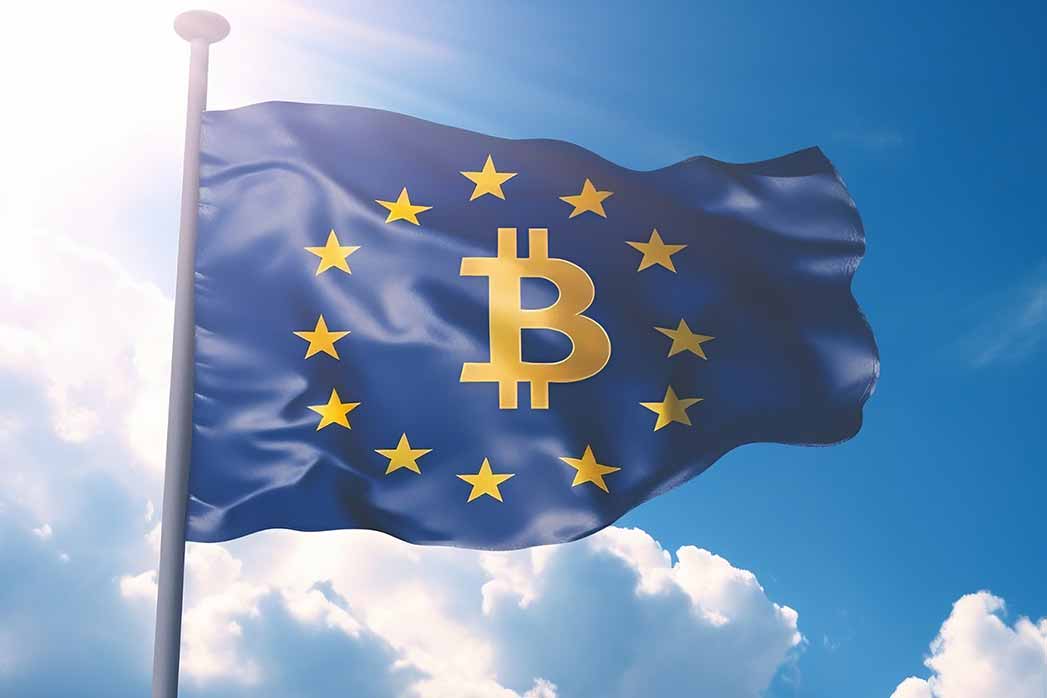
Coins Bitcoin, against the backdrop of Europe and the European flag.

MiCA Countdown: What EU Firms Must Do Before Year-End Compliance Audits Begin

“The first actors will enjoy credibility, clarity, and the possibility of a harmonised EU crypto market.” – DNA Crypto Knowledge Base.

With the EU’s Markets in Crypto-Assets Regulation (MiCA) entering its final phase, time is running out for crypto companies, brokers, and institutional investors to prepare for compliance. Year-end audits are looming, and firms must ensure their operations are audit-proof and future-ready.

Learn more: What is MiCA and Why It Matters

Why MiCA Matters

MiCA is the EU’s flagship crypto regulation, designed to:

  • – Standardise licensing across member states

  • – Reduce systemic risk and market abuse

  • – Align with digital finance laws like DORA

  • – Enhance transparency and consumer protection

Who does MiCA target?

  • – CASPs – crypto-asset service providers

  • – Stablecoin issuers (ARTs & EMTs)

  • – Wallet providers, brokers, advisors

Explore: MiCA and Investor Protections

MiCA Compliance Checklist: What to Do Before Year-End

  1. Secure CASP Authorisation

    • – File applications with national regulators

    • – Prepare for EU-wide passporting

    • – Upgrade governance frameworks

  2. Token Issuers: Publish White Papers

    • – Disclose issuer details, proceeds, risks, and rights

    • – Submit 20 working days pre-offering

  3. Stablecoin Issuers: ART/EMT Requirements

    • – Maintain 1:1 reserve assets

    • – Ensure redemption at par value

    • – Build risk management controls

  4. AML/CFT Compliance

    • – Share identifying data on transfers

    • – Align with FATF and EU AML standards

  5. Marketing & Consumer Protection

    • – Keep communications fair, transparent, and non-misleading

  6. Staff Competence & Governance

    • – Ensure qualified leadership

    • – Establish training and oversight protocols

  7. Operational Resilience (DORA Alignment)

    • – Strengthen IT systems and incident response

    • – Prepare for integrated MiCA/DORA audits

Related: MiCA Licensing Explained

Strategic Tips for Investors & Institutions

  • – Audit your portfolio for non-compliant assets

  • – Engage counsel to review disclosures

  • – Monitor phased enforcement timelines

  • – Educate clients on your compliance roadmap

More: Global Impact of MiCA

The Bottom Line

MiCA is not a barrier — it’s an opportunity. The firms that act now will gain trust, access, and first-mover advantage in a harmonised EU crypto market. Those who delay may struggle to survive year-end audits.

Disclaimer: This article is provided for informational purposes only and does not constitute legal, tax, or investment advice.

Read more →

The person holds in his hand a commemorative coin dedicated to the year of the bull.

Stablecoins in Europe: Which Tokens Are Thriving Under MiCA Regulation?

“Stablecoins are no longer experiments — under MiCA, they are regulated money.” – DNA Crypto.

The European crypto environment has seen a seismic shift with the full implementation of the Markets in Crypto-Assets Regulation (MiCA) in 2025. Designed to enforce clarity, consumer protection, and financial stability, MiCA has effectively redrawn the map for Stablecoin issuers.

Learn more: Stablecoins and MiCA Regulation

MiCA at a Glance: Europe’s Regulatory Reset

MiCA classifies Stablecoins into two categories:

  • – E-Money Tokens (EMTs): Pegged 1:1 to a fiat currency and issued only by licensed Electronic Money Institutions (EMIs) or credit institutions.
  • – Asset-Referenced Tokens (ARTs): Pegged to multiple assets, subject to stricter rules including stress tests and transaction caps.

MiCA ended algorithmic Stablecoins, mandated full reserve backing, quarterly audits, and EU-based custody. By 31 March 2025, non-compliant tokens were delisted from EU exchanges.

Related: What is MiCA and Why It Matters

EURC: The Euro-Backed Front-Runner

  • – Issuer: Circle (licensed EMI in France)
  • – Compliance: Fully MiCA-compliant EMT
  • – Blockchains: Ethereum, Solana, Avalanche, Base & Stellar

EURC is the first euro Stablecoin to gain full MiCA compliance. Circle’s transparency and infrastructure make it the go-to euro token for institutional payments and cross-border commerce.

Adoption is high among Fintechs and PSPs seeking euro-native liquidity. Yet euro-Stablecoins still account for less than 1% of the global market cap.

Explore: The Digital Euro Project

USDC: The Dollar Token That Survived

  • – Issuer: Circle
  • – Compliance: Fully MiCA-compliant EMT
  • – Blockchains: Ethereum, Solana, Avalanche & Base

USDC is the only USD Stablecoin authorised under MiCA. Circle’s early compliance and EU-based custody allowed it to avoid delisting.

It now leads in institutional DeFi and remittance corridors. However, daily transaction volumes are capped at €200 million per issuer, limiting scalability.

Read: Global Impact of MiCA

USDT: The Giant That Got Delisted

  • – Issuer: Tether
  • – Compliance: Non-compliant
  • – Status: Delisted from Binance, Coinbase, Kraken, Crypto.com

Tether refused to meet MiCA’s reserve requirements—particularly the requirement to hold 60% of reserves in EU banks. By Q1 2025, it was removed from all regulated EU platforms.

Liquidity fragmentation and higher costs followed, leaving USDT holders able to transfer but not trade within EU-regulated markets.

Explore: DeFi and MiCA Regulation

Regulation as a Catalyst

MiCA hasn’t destroyed Stablecoins — it has elevated them. The survival of EURC and USDC shows that compliant models can thrive under regulatory clarity. Meanwhile, banks like Société Générale and Banking Circle are preparing euro Stablecoins for merchants and B2B platforms.

For FinTech’s, start-ups, and institutions, the message is clear: the future of digital money in Europe belongs to those who build with trust and speed.

Image Source: Envato Stock
Disclaimer: This article is for informational purposes only and is not legal, tax, or financial advice.

Register today at DNACrypto.co.

Read more →

European Union flag waves in the foreground with cityscape and financial graphs, symbolizing economic trends and developments in the EU region.

DeFi Meets Regulation: Can Decentralised Finance Adapt to MiCA and Still Stay Decentralised?

“The only true shield against regulation is pure decentralisation — and very few projects can claim it.” – DNA Crypto Knowledge Base.

On 30 December 2024, the EU’s Markets in Crypto-Assets Regulation (MiCA) officially came into force, setting rules for Stablecoins, exchanges, and service providers. But one corner of crypto doesn’t fit neatly into this framework: Decentralised Finance (DeFi).

Learn more: What is MiCA and Why It Matters

The Illusion of Full Exemption

MiCA’s Recital 22 says that if a service is provided in a fully decentralised way, without intermediaries, then MiCA doesn’t apply.

Sounds like a win? Not quite.

  • – MiCA doesn’t define intermediary. Is it a DAO one? What about multisig keyholders? Regulators will decide on a case-by-case basis.
  • – Token issuers may avoid MiCA if tokens are fairly launched, but most still have teams, treasuries, or governance.
  • – National regulators will diverge. Poland’s regulator has already suggested treating most DeFi projects as service providers.

Unless a protocol has no governance keys, no upgrades, and no identifiable issuer, it’s unlikely to qualify as “fully decentralised.”

Related: DeFi and MiCA Regulation

Hybrid Models Under the Spotlight

Most DeFi today is hybrid — decentralised in some areas, centralised in others:

  • – DEXs with upgrade keys.
  • – Protocols routing fees to treasuries.
  • – DAOs are dominated by core teams.

MiCA could treat these as crypto-asset service providers (CASPs), requiring them to obtain licenses, report, and comply with AML/KYC regulations.

Explore: MiCA Licensing Requirements

Issuance Without an Issuer

MiCA’s rules on disclosure and liability don’t apply if there’s no central issuer.

  • – Fair-launch protocols may escape regulation.
  • – But if a foundation markets or profits from a token, regulators may link it back to issuer duties.

Read: Investor Protections Under MiCA

What This Means for Builders, Investors, and Regulators

  • – Builders: audit your governance. Even one upgrade key may trigger MiCA oversight.
  • – Investors: don’t assume “outside regulation” is true. National regulators can still classify projects as CASPs.
  • – Regulators: face the challenge of enforcing MiCA without stifling innovation.

The truth is blunt: adapt, decentralise, or risk being regulated out of Europe.

More: Global Impact of MiCA

Image Source: Adobe Stock
Disclaimer: This article is purely for informational purposes. It is not offered or intended to be used for legal, tax, investment or financial advice.

Register today at DNACrypto.co

Read more →

USDC technology. USDC logo on coins. Cryptocurrency exchange concept. Making payments using USDC technology. Buying cryptocurrency for fiat dollars. Blue background with Stablecoins. 3d rendering.

Stablecoins After MiCA: Which Will Survive the EU’s New Rulebook?

“Stablecoins are no longer experiments — under MiCA, they are regulated money.” – DNA Crypto Knowledge Base.

On 30 December 2024, the EU’s Markets in Crypto-Assets Regulation (MiCA) came into effect, reshaping the rules for Stablecoins across Europe.

Stablecoins — digital tokens pegged to fiat like the euro or dollar — were once the “safe” side of crypto. But now, only those meeting Europe’s strict requirements can trade on regulated platforms.

Learn more: Stablecoins and MiCA Regulation

MiCA’s Core Rules for Stablecoins

Any issuer that wants to operate in the EU must now follow three rules:

  1. Full Backing — reserves in safe, liquid assets, held in Europe.
  2. Transparency — frequent, independently audited reports.
  3. Licensing & Oversight — only EU-licensed electronic money institutions (EMIs) can issue Stablecoins.

Exchanges must delist non-compliant tokens for EU users, shifting liquidity toward compliant projects.

Related: What is MiCA and Why It Matters

MiCA-Compliant Stablecoins

Some issuers built compliance into their models early. These are expected to thrive in Europe:

  • – EURC (Circle, France) – Euro-pegged, reserves at European banks.
  • – EURCV (SocGen–Forge, France) – Bank-issued, integrated with TradFi systems.
  • – EURI (Banking Circle, Luxembourg) – Designed for cross-border euro payments.
  • – USDC (Circle, France) – Dollar stablecoin now aligned with EU licensing.
  • – USDQ (Quantoz, Netherlands) – EMI-backed, fully collateralised.

Everyone is building with regulators, not against them.

Explore: Global Impact of MiCA

The End of Tether in Europe

Tether (USDT), once dominant with over $130B supply, has exited the EU market.

Why?

  • MiCA requires 60% of reserves with EU banks.
  • – Demands for detailed audits conflict with Tether’s opaque history.
  • – Tether’s core demand is in Asia and offshore, making EU compliance costly.

Major exchanges (Binance, Coinbase, Kraken) have delisted USDT for EU users.

MiCA is reshaping Stablecoin Power.

What This Means for Investors

  • – Retail users can still hold or send USDT privately, but regulated exchange access is vanishing.
  • – Institutions now have clear choices: adopt MiCA-compliant tokens like EURC, EURCV, or USDC for settlements.
  • – Everyday users will see euro-backed tokens promoted as Europe pushes digital sovereignty.

See: Investor Protections Under MiCA

The New Stablecoin Map of Europe

The winners: EURC, USDC, EURCV, EURI, USDQ.
The losers: USDT and offshore tokens that won’t adapt.

MiCA has ended the era of loosely regulated Stablecoins in Europe. What comes next is a structured market where digital money must balance blockchain efficiency with regulatory trust.

More: DeFi and MiCA Regulation

Image Source: Adobe Stock
Disclaimer: This article is provided for informational purposes only and is not legal, tax, or financial advice.

Register today at DNACrypto.co.

Read more →

Financial concept with golden Bitcoin over smartphone, EU flag and map.

Inside MiCA: What Europe’s Landmark Crypto Law Really Means for Investors and Businesses

Regulation doesn’t end innovation—it defines the rules of the game.” – DNA Crypto Knowledge Base.

In 2025, the European Union entered a new era of digital asset regulation. The Markets in Crypto-Assets Regulation (MiCA) is the world’s first comprehensive legal framework for cryptocurrencies, Stablecoins, and service providers.

Unlike fragmented rules elsewhere, MiCA provides a harmonised framework across 27 EU states, creating clarity for investors and a level playing field for businesses.

Learn more: What is MiCA and Why It Matters

What Is MiCA?

MiCA brings the crypto market into line with EU financial regulation by covering:

  • – Issuers of crypto-assets: Projects launching or selling tokens
  • – Service providers (CASPs): Exchanges, brokers, and wallets
  • – Stablecoins (ARTs & EMTs): With new reserve and risk requirements

“MiCA is Europe’s shot at setting the global standard for crypto regulation.” – Financial Times, 2025

What Investors Need to Know

  1. Greater Consumer Protection
    Transparent whitepapers, standardised disclosures, and risk warnings.
    Investor Protections Under MiCA
  2. Stablecoin Safeguards
    Reserve requirements and usage caps to prevent systemic risks.
    Stablecoins and MiCA
  3. Licensed Providers Only
    Exchanges and brokers must obtain an EU license, comply with AML/KYC, and meet capital adequacy standards.
    MiCA Licensing Explained
  4. Market Abuse Prevention
    Prohibition of insider trading, market manipulation, and wash trading aligns crypto with traditional market integrity rules.

Why MiCA Matters for Businesses

  • – Single Market Access – One license opens all EU markets.
  • – Higher Trust – Compliance attracts institutional partners.
  • – Operational Burden – New standards mean compliance costs and stronger internal controls.

“MiCA is the most ambitious framework yet—it could be the template for global regulation.” – CoinDesk Policy Desk, 2025

Global Impact

MiCA’s influence extends beyond Europe. The UK, Singapore, and the U.S. are watching closely. If successful, MiCA could serve as a blueprint for global digital asset laws.

Application Failures and Success Factors Under MiCA

Since MiCA’s introduction, a growing number of applications have not made it through the authorisation process. Public registers from national regulators (such as the AMF in France, BaFin in Germany, and others) already show instances of applications being refused, withdrawn, or returned for remediation. While aggregate EU-wide data is still being compiled, early trends indicate that failure rates are significant enough to warrant caution.

Why applications fail:

  • – The incomplete or generic policy documentation is not mapped clearly to MiCA articles.
  • – Weak governance and AML/KYC frameworks.
  • – Over-reliance on external consultants with templated solutions.
  • – Underestimating operational resilience and reporting obligations.

How to improve success odds:

  • – Align your compliance documentation precisely with MiCA requirements.
  • – Invest early in AML/KYC controls and risk-based procedures.
  • – Choose advisors carefully; beware of inflated pricing and promises of “guaranteed approvals.”
  • – Benchmark against successful authorisations published in EU national registers.

For firms serious about licensing, a rigorous scope-to-MiCA article mapping, a fixed-fee deliverable structure, and transparent engagement with regulators are becoming best practices.

The Bottom Line

For investors, MiCA brings transparency and protection. For businesses, it offers clarity and scale—but only for those ready to meet higher compliance standards.

Crypto in Europe is no longer in the shadows—it’s entering the spotlight.
And as always, the early bird catches the worm.


Image Source: Adobe Stock
Disclaimer: This article is purely for informational purposes. It is not offered or intended to be used for legal, tax, investment or financial advice.

Read more →