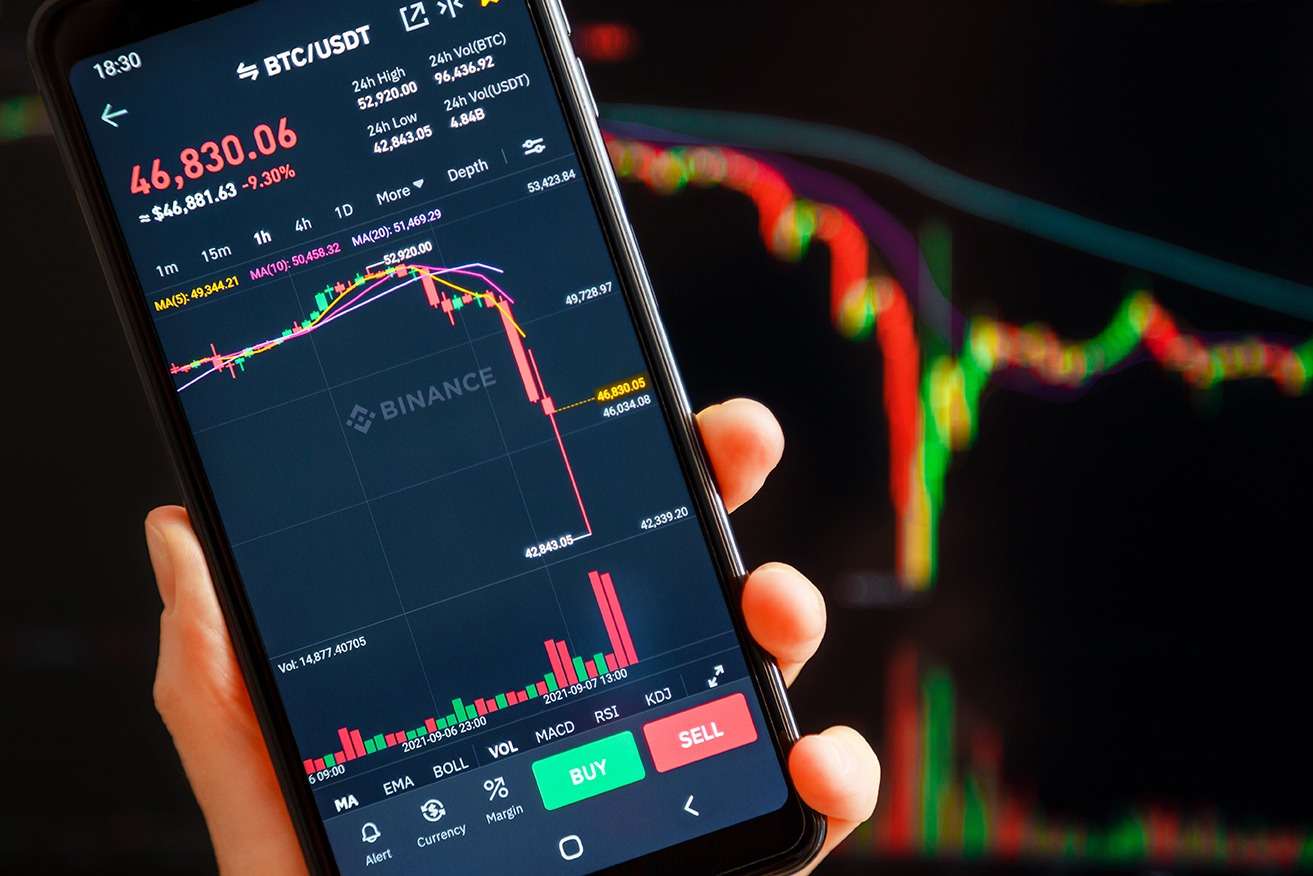
BTC/USDT chart on the Binance app on a mobile showing a liquidation of Bitcoin red candle.

What Does Liquidation Mean and the Necessary Preventive Measures 

Welcome to the crypto world, known for its wild ups and downs that often lead to intermittent liquidation instances. Bitcoin and other cryptocurrencies have a reputation for being risky investments with unpredictable price fluctuations. 

Despite regulators’ concerns about this volatility, it also offers investors a chance to make substantial profits, especially compared to more traditional assets like stocks and commodities. 

In 2020, during the coronavirus pandemic, Bitcoin outperformed the S&P 500, showing a remarkable 160% increase, while the S&P 500 only managed 14%, and gold saw a modest 22% rise.

On top of this rollercoaster of price swings is the ability to amplify crypto trading positions using derivative products such as margin trading, perpetual swaps, and futures. Derivatives are essentially agreements tied to the value of an underlying asset, enabling individuals to speculate on its future price movements. 

Margin trading increases traders’ possibilities of boosting their potential earnings by borrowing funds from a cryptocurrency exchange. Binance, for example, is a good example of a centralised crypto exchange that offers margin trading services.

However, it’s crucial to highlight a significant aspect here. While leveraging borrowed funds can amplify potential gains in your trades, it’s a double-edged sword. The mechanism that enhances profits can also lead to equally swift losses, putting your invested capital at risk. 

So, it’s a strategy that demands careful consideration and risk management.

What is Liquidation?

When trading crypto, liquidation occurs when an exchange forcibly closes a trader’s leveraged position because the trader has experienced a partial or total loss of their initial margin. This usually happens when a trader falls short of meeting the margin requirements necessary to sustain a leveraged position, lacking the funds to keep the trade open. Typically, liquidation is a risk associated with both margin and futures trading.

Engaging in leveraged trading is a high-risk strategy where the potential exists to lose your entire collateral, represented by your initial margin, especially if the market takes a significant turn against your leveraged position. Some countries, especially the UK, have even gone so far as to prohibit crypto exchanges from offering leveraged trading products to retail investors. The move aims to shield less experienced traders from the devastating impact of liquidation, preventing them from losing all their invested capital.

To keep tabs on the percentage at which the market needs to move against your position for liquidation, you can use a straightforward formula: 

Liquidation % = 100 / Leverage.

For example, if you’re employing 5x leverage, your position becomes vulnerable to liquidation if the asset’s price shifts by 20% against your position (100/5 = 20). It’s essential to be aware of a practical way to manage risk in your trading escapades. 

What is Margin Trading?

Margin trading is like boosting your trading power by borrowing money from a crypto exchange. But in this scenario, the lender is the crypto exchange itself. This whole setup lets investors crank up the size of their trades, better known as “leverage.”

Now, a stranger wouldn’t just give you free money, right? Well, in margin trading, the exchange is not too different. They’ll ask you to pony up a certain amount of crypto as a safety net, and they call this the “initial margin.” It’s like an insurance policy for the exchange, just in case things don’t go the borrower’s way in the trade. It’s their safety cushion.

How to Prevent Liquidation

Alright, when you’re playing with leverage, a few tricks are up your sleeve to avoid getting knocked out of the game. One handy move is what is known as a “stop loss.”

So, this stop-loss thing—it’s like a pro-level move. You toss this order onto a crypto exchange, and it’s like giving the exchange a heads-up to sell a specific asset the moment it hits a particular price. It’s your way of putting a safety net under your trades.

When setting a stop loss, you will need:

  • Stop price.
  • Sell price.
  • Size.

If the market hits your stop price, the stop order kicks in automatically, selling the asset at the specified price and amount. Some traders set the selling price lower than the stop price to increase the chances of a quick sale, especially when the market appears to be turning fast.

Now, the main idea behind a stop loss is to put a cap on potential losses. 

Let’s break it down with two examples.

Scenario 1 

A trader has $5,000 (£3,917) but uses an initial margin of $100 (£78) with 10x leverage to create a $1,000 (£783) position. Setting a stop loss at 2.5% from the entry position means a potential loss of $25 (£19.6), just 0.5% of the total account.

In contrast, the position gets liquidated if this trader doesn’t use a stop loss and the asset price drops by 10%. Remember the liquidation formula above.

Scenario 2 

Another trader has $5,000 (£3,917) but uses an initial margin of $2,500 (£1,964) and 3x leverage to create a $7,500 (£5,885) position. With a stop loss set at 2.5%, this trader could lose $187.5 (£147), a 3.75% hit on their account.

Well, here’s the lesson. While higher leverage is usually perceived as risky, it becomes even more crucial when your position size is hefty, as shown in the second scenario. A good rule of thumb is to keep your losses per trade at less than 1.5% of your total account size.

Where to Set a Stop Loss

The key lesson in margin trading is managing risks. Before chasing profits, focus on minimizing losses. Remember, no trading plan is foolproof, so it’s crucial to have strategies in place for when the market doesn’t cooperate.

Setting up your stop losses is a big deal. While there’s no one-size-fits-all rule, many suggest a spread of 2%-5% of your trade size. Another approach is placing stop losses just below the most recent swing low, as long as it’s not so low that you risk getting liquidated before it kicks in.

Also, keep an eye on your trading size and associated risk. Higher leverage means a higher chance of liquidation, and going overboard with leverage is like unnecessarily exposing your capital to more risk. 

Image Source: Adobe Stock

Disclaimer: This article is provided for informational purposes only. It is not offered or intended to be used as legal, tax, investment, financial, or other advice.

Read more →

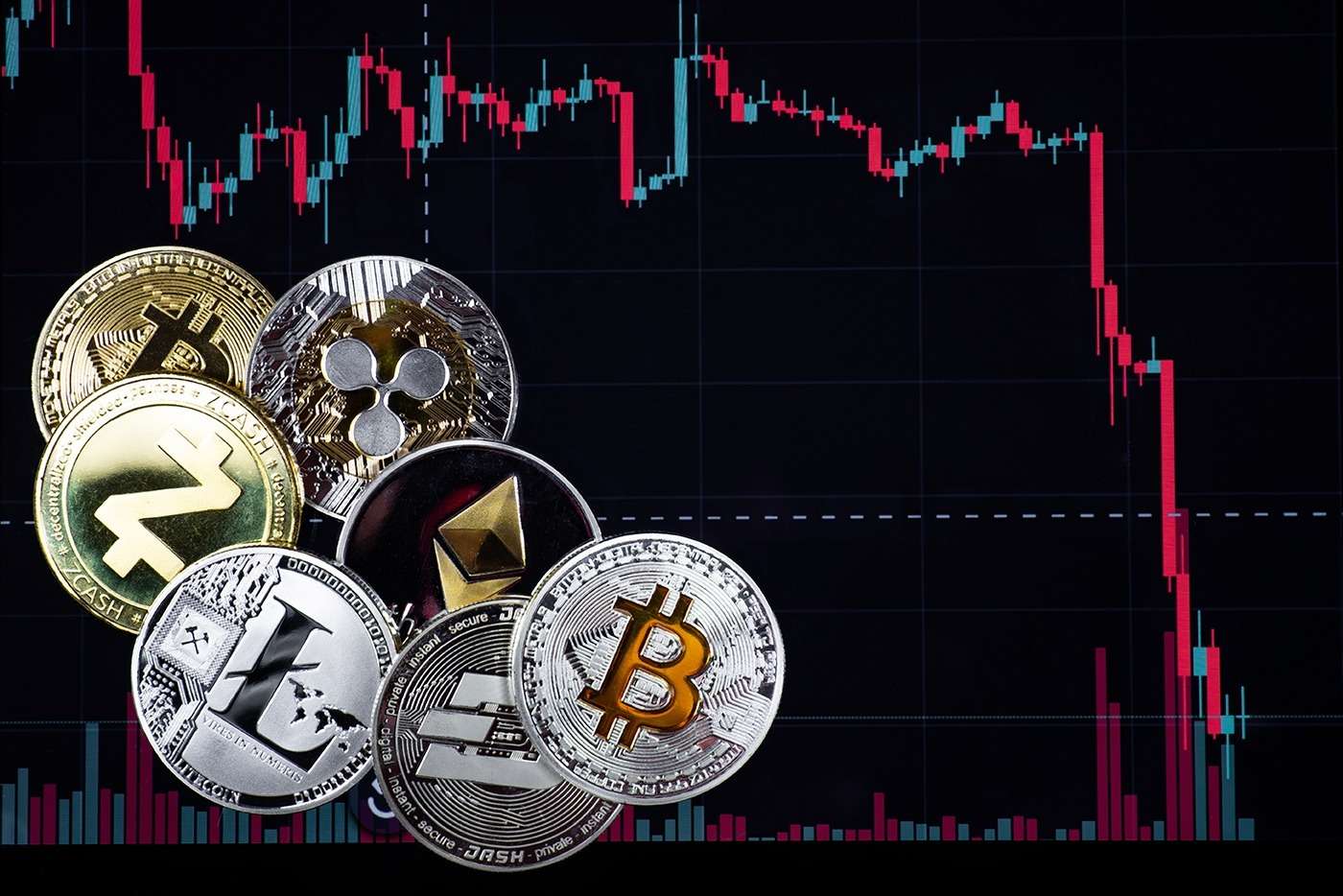
Cryptocurrencies on a chart background showing a pump and dump chart.

Pump and Dump Crypto

Undoubtedly, pump-and-dump schemes have taken a toll on the cryptocurrency market. On the other hand, the crypto world has seen an increase in interest from individual and institutional investors in recent years.  However, this popularity has unfortunately led to increased scammers looking to take…

Read more →

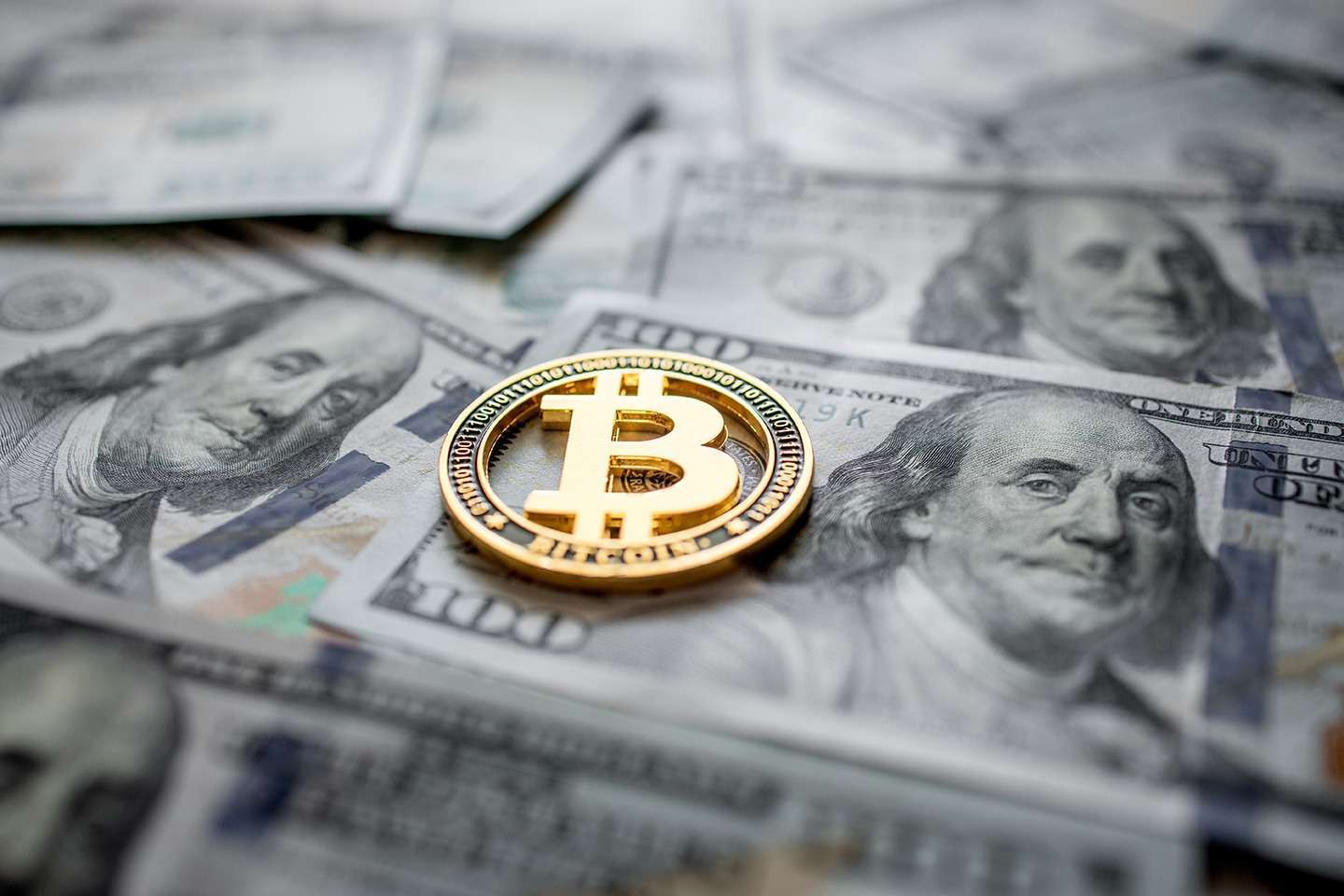
Bitcoin CBDC with dollar background and binance chart.

Bitcoin as a Catalyst for Central Bank Digital Currency (CBDC) Payments

“CBDCs and Bitcoin are often compared, but they are designed to solve entirely different problems within the global monetary system.” — DNA Crypto.

Is CBDC Bitcoin the next big thing? Blockchain technology has truly shaken up the financial landscape, paving the way for direct transactions between peers, thereby eliminating the need for intermediaries. Now, the arrival of central bank digital currency (CBDC) gives blockchain an exciting twist, promising a transformative impact on how businesses and individuals handle payments.

Contrary to fears, Bitcoin won’t overthrow the US dollar or the GBP, for that matter. Instead, it might transform into a GBP equivalent, complete with the controls and restrictions that any CBDC issuer could envision. I can almost hear the protests, but I chuckle at the irony of profound ignorance alongside Bitcoin’s price surge.

Rethinking Bitcoin’s Potential

Well, here’s the deal – your take on Bitcoin might need a tweak. It’s not a one-size-fits-all kind of deal; it’s pretty much whatever we decide to make of it. It’s a tech marvel, much like the internet, which, let’s be pragmatic, we’ve turned into a super-efficient surveillance wizard. Crazy, right?

Now, here’s where it gets interesting. There’s this bunch of folks, let’s call them single-issue voters, diving headfirst into the Bitcoin world. They’re so laser-focused on their ideology that they might miss the bigger picture.

Let’s break it down!

Bitcoin is like a digital creature thriving online. If there are new laws about how we communicate, they’ll also affect how we use Bitcoin. Some rules are straightforward, but others are way complex, often focusing on four major issues: terrorism, child pornography, drugs, and human trafficking.

Now, here’s the scoop – there’s this idea of “ban encryption to save the kids,” or “we need backdoors to stop al-Qaida.” When someone’s shouting about Bitcoin, especially in the style of recent UK political candidates, it’s wise to check where they stand on the tech-related issues. Trust me, it’s not as appealing as Stalin’s grandma in a nightdress, and you definitely wouldn’t want her snooping around your transaction history.

When governments start brewing up their own digital currencies, they often crave extensive surveillance and occasional censorship, just like eager folks in a trailer park looking for a fix. While we might easily brush off the key ingredients of these CBDCs, we tend to forget that there’s no clear blueprint on how they’ll function.

Imagine Bitcoin playing a role, not as a government-issued currency, but perhaps backing the Sterling Pound at HM Treasury, or even becoming legal tender through Lightning-issued Stablecoins to meet M1 supply. I can almost hear the protests, “No way! The UK government can’t issue Bitcoin!” And you’re right – it can’t. But that doesn’t mean it can’t find a new purpose.

Think of CBDCs like programmable money, just like Bitcoin. However, there’s a crucial difference: CBDCs focus on features such as controlled purchases, location-based restrictions, expiring transactions, and holding limits. Interestingly, all these features can be applied to Bitcoin-anchored Stablecoins. Yet most of these features become possible at the base layer when mining is sufficiently centralised.

Privacy Paradox

By default, Bitcoin lacks privacy. Every transaction is recorded, tracked, and scrutinised, making it the most potent tool for financial surveillance in history. Still, access to our financial transactions is far more efficient than any surveillance camera outside our door. 

Simply put, as Burrows v. Superior Court 1974 says, “Indeed, the totality of bank records provides a virtual current biography.” 

Access to financial records can reveal everything from habits and opinions to political views and medical histories. While a surveillance camera captures a snapshot of our lives at a specific moment, financial surveillance exposes our entire lives without constitutional protections and without being constrained by time or space.

In the right conditions, Bitcoin can actually serve as a solid alternative to CBDCs. Imagine opening your wallet app, and voila! There’s the Stablecoin creature riding on the back of Bitcoin. Fantastic, right? Well, it’s freedom money, but with a twist – it’s entirely censorable. We might have pumped our market cap, but it’s like dressing up an authoritarian dream in the guise of transaction freedom.

Can Bitcoin Survive CBDC? 

Well, it’s uncertain, but feasible. To prevent Bitcoin from becoming a CBDC alternative, a somewhat unpopular opinion is to vote for presidential candidates who aren’t exactly Bitcoin enthusiasts. An example is Elizabeth Warren, who would undoubtedly put the brakes on Bitcoin in the U.S. As a result, there’s a better chance that the network will spread globally and become more resistant to censorship. So, what’s your call? Digital gold or permissionless money? For what could be a historic moment, the choice is yours. 

Image Source: Adobe Stock

Disclaimer: This article is provided for informational purposes only. It is not offered or intended to be used as legal, tax, investment, financial, or other advice.
Read more →

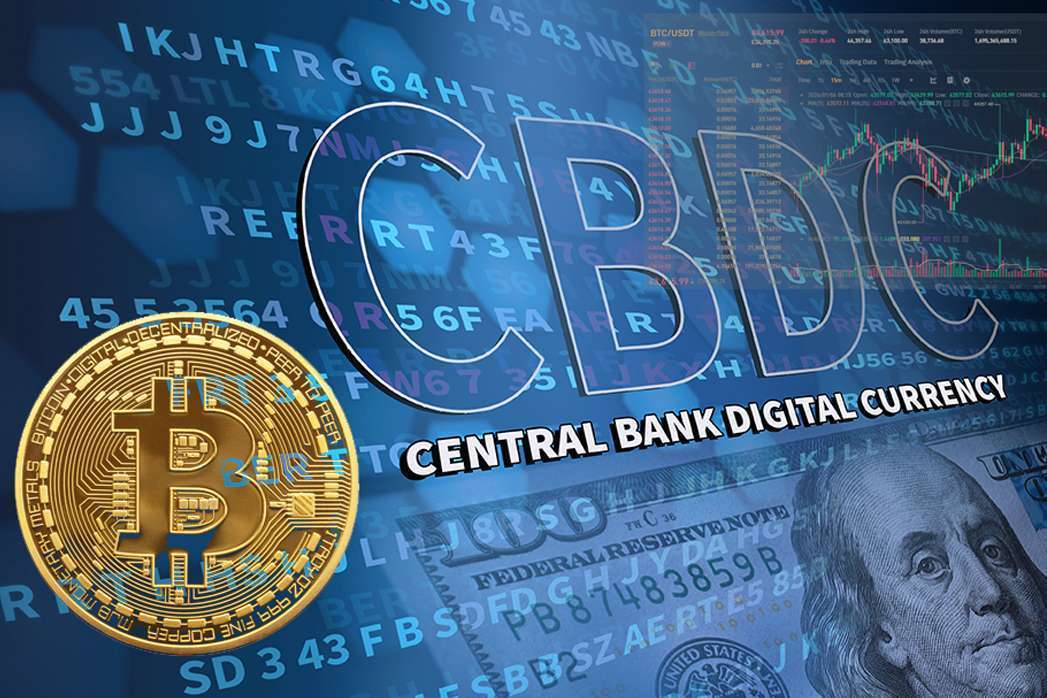
A pile of crypto coins, altcoins and bitcoin on top of a pile of money in the world of DeFi and ukcrypto.

Things You Should Consider Before Investing in Altcoins

“Altcoin investing rewards timing in bull markets, but discipline over the long term.” — DNA Crypto.

By definition, an Altcoin is any cryptocurrency other than Bitcoin, so there are thousands. Altcoins account for more than half of the cryptocurrency market’s value. Like Bitcoin, Altcoins are based on the Blockchain as an incorruptible ledger. Some claim to build on Bitcoin’s triumphs, while others aim to overcome its issues.

On the other hand, the Ethereum blockchain saw potential in Bitcoin’s Blockchain technology. It went beyond recording financial transactions and began documenting agreements as “smart contracts.” Other cryptocurrencies have emerged, claiming to be safer or faster. The result is a complex ecosystem of Altcoins that is difficult to categorise. However, the classification can be done as follows:

Native Cryptocurrencies

Native cryptocurrencies are coins explicitly designed for use on a particular network. Because Bitcoin is the currency utilised on the Bitcoin blockchain, it is considered a native coin. Another native coin, Binance Coin, is now the fourth-largest cryptocurrency by market capitalisation. And if you are a newbie and you’re not sure where to start, contact an expert who will provide you with enhanced encryption information to help you store, trade, send, and receive your virtual currency safely.

Stable Coins

Stablecoins were created to provide the benefits of cryptocurrencies without their price volatility. They do so by matching the value of an existing currency at a one-to-one ratio. Tether, the most valuable Stablecoin by market capitalisation, is pegged to the US dollar.

Token

A token is a monetary unit that may be used for specified purposes and operates on an existing blockchain. Chainlink, for example, is based on the Ethereum platform and translates real-world data into a blockchain-compatible format. The adoption of Chainlink technology is directly proportional to the demand for its tokens.

There are a few things to think about before buying altcoins. Before you invest in any altcoin, find out what the company behind it is trying to accomplish. Think about the following issues:

  • Does the altcoin look like it could be a viable Bitcoin alternative?
  • – If it’s a token, is it a real-world application?
  • – If it’s a Stablecoin, what will you do with it?
  • – What made it happen if it’s a fork, and do you agree with the decision?

Forks

When a group votes to make any alteration to the rules that govern the chain, the process is referred to as a “fork.” A new chain appears, ready to begin recording transactions in compliance with the latest regulations. Bitcoin Cash is a fork of the original Bitcoin blockchain, while Dogecoin is a branch of Luckycoin.

To Sum it Up

Keep in mind that this is a new market that will eventually settle. Some of these projects will fail—a lengthy list of cryptocurrencies has already died—while others will thrive. That’s why financial gurus define altcoins as “alternative assets,” something you might take part in if your portfolio is already well-diversified.

Image Source: Adobe Stock

Disclaimer: This article is provided for informational purposes only. It is not offered or intended to be used as legal, tax, investment, financial, or other advice.
Read more →

A group of btc coins, showcasing the wonders of blockchain technology, are elegantly arranged on a pristine white background.

3 Things to Consider Before You Buy Cryptocurrency

So, you want to invest in cryptocurrency? The blockchain-based, encrypted digital assets are taking the world of finance by storm. Bitcoin, Ethereum and Litecoin have all seen huge gains over the couple of years, and they’re not alone. There are now more than 1,500 different cryptocurrencies out there — and many of them are skyrocketing in value right now.

But before you gamble with your savings on a new form of “digital gold” that may or may not pay off as an investment, consider a few factors. While it’s possible to make a fortune from cryptocurrency investing, it’s extremely risky. You can also lose a lot of money. Generally speaking, you should only invest money that you can afford to lose.

Learn About Cryptocurrency

Cryptocurrency is a new and exciting asset class. Before you buy cryptocurrency, make sure you’re familiar with the basics. You’ll want to understand how blockchain technology works and the reasons behind the mining of cryptocurrencies. Before you start trading, you’ll want to understand how different cryptocurrencies work and how to avoid the most common pitfalls. Explore your options.

Put Safeguards in Place to Protect Yourself from Financial Setbacks

Before you buy crypto, ensure to have a plan for what to do if the value of your crypto falls to zero. There is a good chance that will happen. Even if Bitcoin is not a bubble, bubbles can form in individual altcoins. The risk of losing everything is real. It’s not just that some people might have been so unlucky as to buy near a peak and then sell near a valley; more likely, it’s that many people will have bought near a peak and then lost the password or lost interest or lost their ability to remember the keys.

There are risks even if you don’t lose your keys or sell your coins. If you leave your coins on an exchange, there’s always the risk of theft by hackers. If you hold your coins in software on your computer or phone, there’s always the risk of forgetting your keys or getting rid of your computer without remembering to take out the wallet file. There has been at least one spectacular case where someone dumped a drive with keys worth over $100 million in Bitcoins.

Make Saving for Future plans a Priority

You may be new to cryptocurrency, but you’re not new to saving and investing. Before buying crypto, it’s important to know the basics of building a portfolio that is balanced and diversified.

When you save for something, you want to achieve in the future, you usually make regular deposits over time into an account that earns interest (like an online savings account). When you invest money, your goal is usually to earn more than you would in an account that only pays interest. Investing can be riskier than saving because there is the potential to lose some or all of your initial investment. But it can also be more rewarding since investments have the potential to grow faster than savings accounts.

To get started on building a well-balanced portfolio, start by setting clear financial goals and breaking them down into short-term, medium-term and long-term goals. Then determine what kinds of accounts make sense for each one of those goals.

Image Source: Adobe Stock

Disclaimer: This article is provided for informational purposes only. It is not offered or intended to be used as legal, tax, investment, financial, or other advice.
Read more →