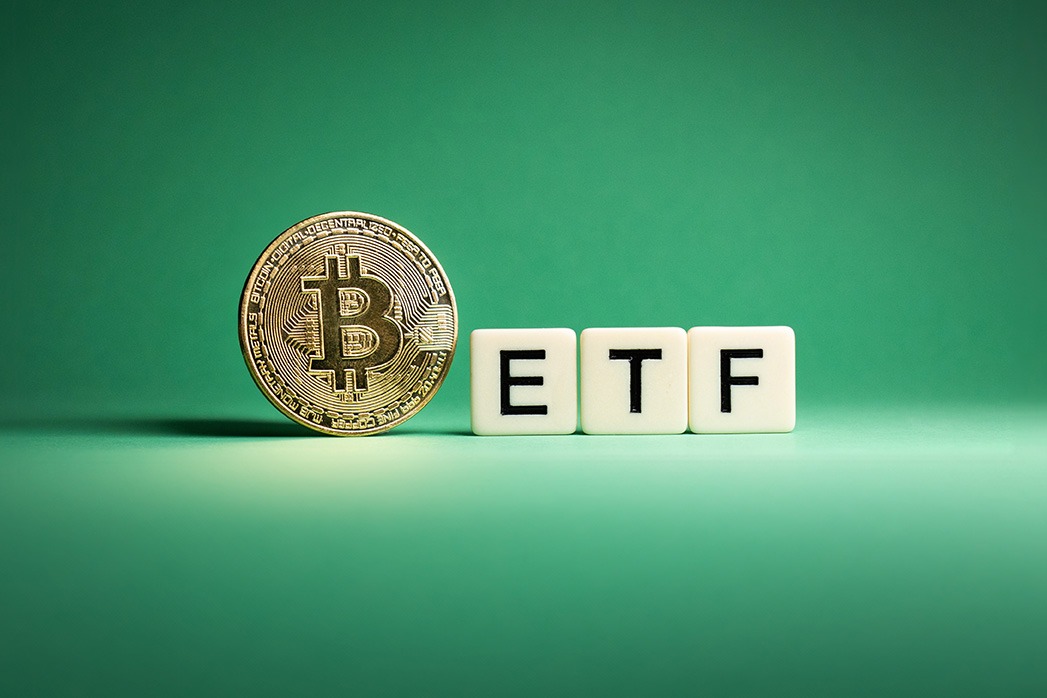
Bitcoin ETF Concept, Cryptocurrency ETF.

Beyond ETFs: Why Direct Bitcoin Brokerage Is the Next Step for Serious Investors

“Owning Bitcoin through a fund is exposure. Owning it directly is freedom.” – DNA Bitcoin Broker Knowledge Base.

In 2025, Bitcoin has moved beyond curiosity — it’s now a mainstream institutional asset.
With Bitcoin ETFs approved across the U.S., Europe, and Asia, traditional investors finally have an easy entry point. Yet, as ETF inflows climb into the tens of billions, a more discerning investor class is beginning to ask more profound questions:

Do ETFs really give me ownership — or just exposure?

At DNA Bitcoin Broker, the answer is clear: ETFs may simplify access, but they also separate you from your Bitcoin. True control and transparency come only through regulated direct brokerage.

Learn more: What Is Bitcoin and Why It Matters

The ETF Illusion of Ownership

Bitcoin ETFs are built for convenience.
They allow investors to gain price exposure through traditional brokerage accounts — without managing wallets, private keys, or custody. But this simplicity comes at a cost.

ETF investors don’t own Bitcoin. They hold shares of a fund that may hold Bitcoin or Bitcoin-linked derivatives on their behalf. This structure introduces:

  • – Custodial dependency on fund managers

  • – Counterparty exposure across multiple intermediaries

  • – Opaque rebalancing and tracking mechanisms

In volatile markets, these layers can distort performance and delay redemptions.
As Bitcoin becomes a more complex institutional asset, these weaknesses are becoming harder to ignore.

Explore: Bitcoin Market Dynamics

The Rise of Direct Brokerage

A new wave of investors — led by high-net-worth individuals, family offices, and institutional funds — is now moving beyond ETFs toward direct Bitcoin brokerage.

Through regulated OTC (over-the-counter) services like those at DNA Bitcoin Broker, clients purchase real Bitcoin, held directly in wallets they control.

The advantages are immediate:

  • – True Asset Ownership: Clients hold real Bitcoin, not proxy shares.

  • – Full Custodial Clarity: Assets are verifiable on-chain, not on a fund statement.

  • – Privacy and Execution: OTC trades are handled discreetly, with minimal market disruption.

  • – MiCA Compliance: Transactions take place within a regulated, transparent framework.

Learn more: Crypto Custody Solutions

TFs vs. Direct Ownership: The Control Divide

The difference between holding a Bitcoin ETF and holding Bitcoin itself is the difference between representation and reality.

FeatureETFsDirect Brokerage (DNA)
OwnershipIndirect (fund shares)Direct Bitcoin custody
TransparencyFund-based, limitedFull on-chain verification
Counterparty RiskMultiple intermediariesMinimal — direct transfer
FlexibilityLocked-in fund structureTransfer or use freely
PrivacyPublic fund holdingsConfidential OTC execution

For investors seeking real independence and wealth mobility, direct brokerage is not an alternative — it’s the evolution.

Explore: Institutional Tokenisation

Global ETF Momentum: What It Really Means

In 2025, Bitcoin ETFs will have been approved in the U.S., Canada, Germany, and Hong Kong. Combined, these funds now manage over $60 billion in Bitcoin exposure, with inflows rivalling early gold ETF adoption in the 2000s.

But the parallel is clear:

  • – Gold ETFs made the metal accessible, not portable.

  • – Bitcoin ETFs make the asset visible, not sovereign.

The next logical step for serious investors is to move from passive exposure to active control, integrating Bitcoin as a strategic reserve asset rather than a ticker symbol.

See: Global Impact of MiCA

DNA Bitcoin Broker: Regulated Freedom

As a MiCA-aligned Virtual Asset Service Provider (VASP), DNA Bitcoin Broker offers institutional-grade access to Bitcoin — with complete regulatory clarity and client sovereignty.

Our bespoke brokerage platform includes:

  • – Direct OTC Bitcoin trading with real settlement

  • – Multi-signature custody solutions

  • – Strategic liquidity services for institutional clients

  • – Education and advisory for funds transitioning from ETFs to direct digital asset ownership

At DNA Bitcoin Broker, investors don’t just observe the digital economy — they own it.

Learn more: DeFi and MiCA Regulation

The Bottom Line

Bitcoin ETFs opened the door for institutions.
But direct brokerage gives them the keys to the vault.

As markets mature, wealth is migrating from synthetic exposure to genuine sovereignty — and DNA Bitcoin Broker stands at the heart of this transition.

Owning Bitcoin directly isn’t speculation; it’s financial evolution.
The future of wealth isn’t managed. It’s held.

Image Source: Envato Stock

Disclaimer: This article is for informational purposes only and does not constitute legal, tax, or investment advice. 

Read more →

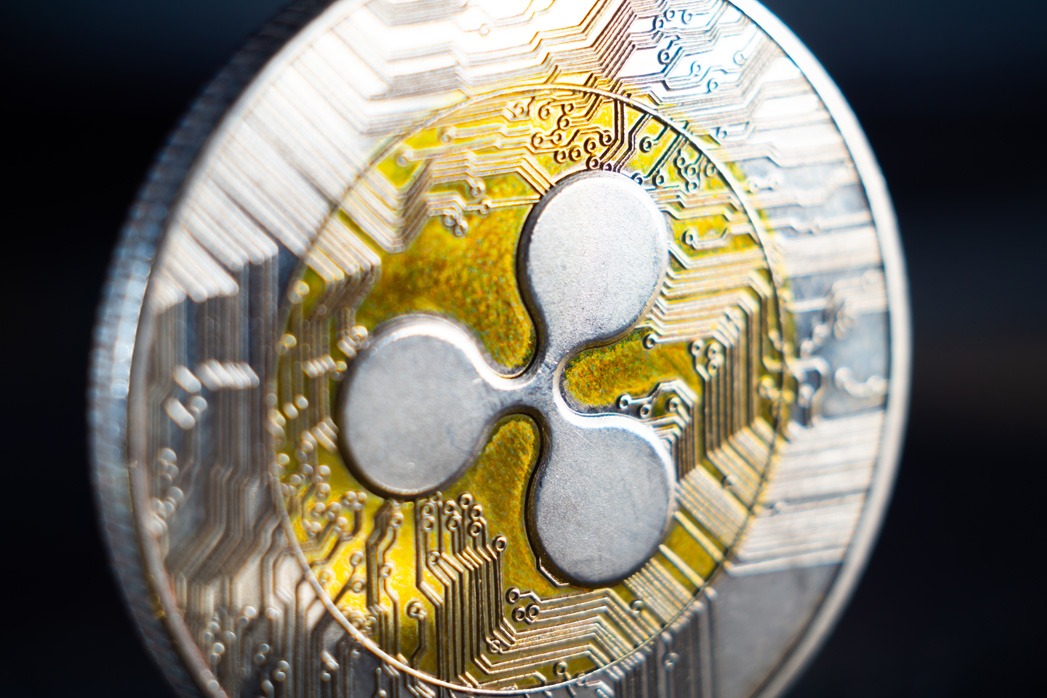
Ripple coin on a blurred background.

XRP ETFs: The Next Big Shift in Institutional Payments?

“If Bitcoin built the bridge, XRP might be the network that runs across it.” – DNA Crypto Knowledge Base.

In 2025, the world of digital assets is entering its next institutional phase.
After the success of Bitcoin and Ethereum ETFs, the spotlight has shifted to XRP — the blockchain designed not for speculation, but for speed, liquidity, and settlement efficiency.

As cross-border finance evolves, institutions are asking a new question:
Could XRP’s global payment infrastructure finally gain recognition in traditional markets through the launch of XRP exchange-traded funds (ETFs)?

Learn more: Institutional Tokenisation

Why XRP Matters to Institutions

Unlike Bitcoin or Ethereum, XRP wasn’t built as a store of value or smart contract platform. It was designed for instant cross-border payments — solving the decades-old inefficiency of international money transfers.

Through RippleNet, banks and financial institutions use XRP as an on-demand liquidity bridge, enabling:

  • – Instant global settlements without pre-funded accounts

  • – Low-cost remittances compared to SWIFT and correspondent banking

  • – Programmable transaction routing through blockchain messaging

In short, XRP does for payments what Bitcoin did for decentralisation — it redefines speed, trust, and interoperability.

Explore: Global Impact of MiCA

Why Institutions Are Interested

The institutional case for XRP rests on its utility-first design and banking partnerships.

1. Global Settlement Speed
Transactions settle in 3–5 seconds, far outpacing traditional systems and most blockchain competitors.

2. Cost Efficiency
Average transaction costs remain below $0.001—an attractive feature for institutions managing high-frequency settlements.

3. Regulatory Maturity
Following years of scrutiny, Ripple’s transparent engagement with regulators positions XRP as one of the most compliant large-cap assets.

4. Strategic Partnerships
RippleNet now connects over 300 financial institutions worldwide, from regional banks to remittance giants like Santander and Tranglo.

MiCA and the European Advantage

Europe continues to lead the global charge toward regulated crypto finance.
Under the Markets in Crypto-Assets (MiCA) framework, XRP operates in full compliance as a transferable digital asset used for payments and liquidity management.

MiCA provides:

  • – Legal certainty for issuers and brokers.

  • – Defined custody and reporting obligations.

  • – Clear rules for digital asset investment vehicles such as ETFs.

This environment gives Europe — and firms like DNA Bitcoin Broker — a head start in offering XRP-related investment products and regulated institutional trading services.

See: MiCA and Investor Protections

Cross-Border Liquidity and Tokenised Payments

As Tokenisation transforms capital markets, XRP’s On-Demand Liquidity (ODL) model is now being tested for tokenised fiat settlements and institutional liquidity hubs.

  • – Financial institutions can bridge national currencies via XRP without holding pre-funded accounts.

  • – Smart contract integrations are extending ODL into stablecoin and CBDC networks.

  • – Ripple’s partnerships with central banks in Asia and the Middle East signal global scalability.

In short, XRP is quietly becoming the interoperability layer for multi-asset digital settlements.

Learn more: Crypto Custody Solutions

DNA Bitcoin Broker: Connecting Institutions to the XRP Ecosystem

At DNA Bitcoin Broker, we help institutions access and understand the infrastructure behind XRP and digital payment networks.

Our services include:

  • – MiCA-aligned brokerage for XRP and major assets

  • – OTC trading with preferential pricing and low market impact

  • – Custody and settlement solutions for institutional clients

  • – Strategic advisory on tokenised payment integration and treasury diversification

We operate where compliance meets innovation — helping financial institutions adopt digital payment technologies with full regulatory confidence.

Read: DeFi and MiCA Regulation

The Bottom Line

XRP’s story is shifting from controversy to credibility.
With regulatory clarity, proven payment adoption, and growing institutional curiosity, the prospect of an XRP ETF is more than speculation — it’s strategy.

For investors, this marks the transition from digital assets as stores of value to blockchain networks as infrastructure investments.
And as the lines blur between banking and blockchain, XRP could be the currency that finally connects them.

Image Source: Envato Stock

Disclaimer: This article is for informational purposes only and does not constitute legal, tax, or investment advice.

Read more →

Ripple CEO Brad Garlinghouse at Davos 2024.

Ripple CEO: Bitcoin ETFs in 2024

Ripple CEO Brad Garlinghouse is optimistic about the greenlight to multiple Bitcoin exchange-traded funds (ETFs) in the US, anticipating a ripple effect that will lead to the introduction of similar cryptocurrency investment products in 2024, potentially due to Bitcoin ETFs approval 2024. During an interview with CNBC…

Read more →

An Ether rocket with coins skyrockets in the air. Eth on a bull run.

Ether Skyrockets to a 7-Month Peak

Bitcoin reached a peak close to $38,000, marking an 18-month high, but then experienced a significant pullback. Concurrently, ETH made a remarkable 10% jump, hovering around $2,100, following a Nasdaq filing that confirmed BlackRock’s intention to seek approval for an ETH-based exchange-traded fund. Meanwhile,…

Read more →