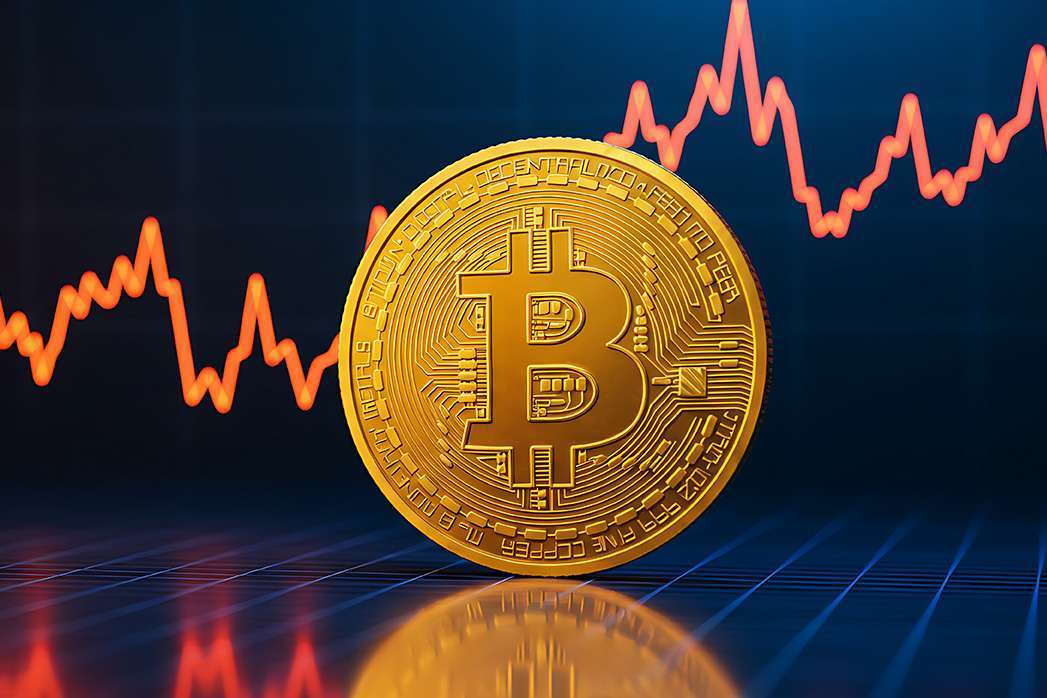
A bitcoin coin with a financial chart in the background showing market volatility and investment risks.

Bitcoin Volatility: Why Bitcoin Prices Bounce Around So Much

If you have ever taken a deep look at a Bitcoin chart, even for a few minutes, you’ve probably noticed something odd. The price doesn’t just move—it jumps. One minute, it’s climbing fast; the next, it’s crashing just as quickly. That kind of movement is called volatility.

When it comes to Bitcoin, volatility is what makes trading exciting but also what makes it dangerous. So, what causes these price swings? And how do people deal with them?

With a volatile asset like Bitcoin, the price can change dramatically in a short period, moving up and down frequently. Something that is not very volatile, like a government bond, will move slowly and gradually.

Bitcoin is one of the most volatile assets you can buy or sell. It can go up or down by 10% or more within a day. That sounds like a fantastic way to get rich quickly, but it is also a swift way to be liquidated.

Why Is Bitcoin So Volatile?

There isn’t just one reason. It’s a mix of things that all feed into each other. They may include:

Bitcoin is Still New

Compared to traditional money or gold, Bitcoin hasn’t been around long. That means people are still trying to figure out their way around it, let alone its worth. When a market is unsure, prices tend to move more wildly.

Smaller Market Equals Bigger Moves

The crypto market is much smaller than stock markets. That means one big trade, or even a rumour, can shift the price much more than in other markets.

News and Tweets Matter

Bitcoin reacts quickly to what’s going on in the world. A tweet from someone famous or news about a country changing its crypto rules can cause a price jump or a crash. The market doesn’t wait around. It reacts fast.

There’s Only So Much to Go Around

Bitcoin has a hard limit—there will only ever be 21 million. So when demand suddenly increases, there’s no way to “make more”. The price goes up fast. But if people get nervous and start selling? The cost can fall just as quickly.

How Do People Trade Around It?

Believe it or not, many traders like volatility. Big price swings mean chances to make money. But they don’t just dive in and hope for the best; they have strategies.

Some use stop-loss orders, automatically selling their Bitcoin if the price drops past a certain point, limiting their losses. Others look at price charts and trends, trying to determine when to buy or sell. Some trade often, while others sit back and wait for the right moment.

Historical Volatility Numbers

Bitcoin’s annualized volatility has historically ranged from 50% to over 150%, compared to around 15%-20% for stocks and less than 5% for government bonds.


Whale Influence

Around 2% of Bitcoin wallets control over 90% of the total Bitcoin supply. These large holders, or “whales,” can cause massive price shifts if they buy or sell in volume.


Is Volatility a Bad Thing?

Not really. It depends on what you’re doing. If you’re a long-term investor, the ups and downs can feel stressful, but they don’t mean much if you’ve been holding for a while (relative). If you’re a short-term trader, volatility is the whole point. It’s what creates opportunity.

The key is knowing your goal. Are you planning to hold on for the long term, or are you just looking for short-term gains? Either way, you’ve got to manage your risk and not get caught up in the drama.

So whether you’re just curious about crypto or thinking about trading, remember this: Volatility is just part of the ride. The trick is learning how to stay in your seat and remain profitable.

Scarcity Drives Hype

Bitcoin’s “halving” event happens every 4 years, reducing the number of new bitcoins created. Historically, halvings have triggered bull runs, adding to the volatility.

Image Source: Adobe Stock

Disclaimer: This article is purely for informational purposes. It is not offered or intended to be used for legal, tax, investment or financial advice.

Read more →

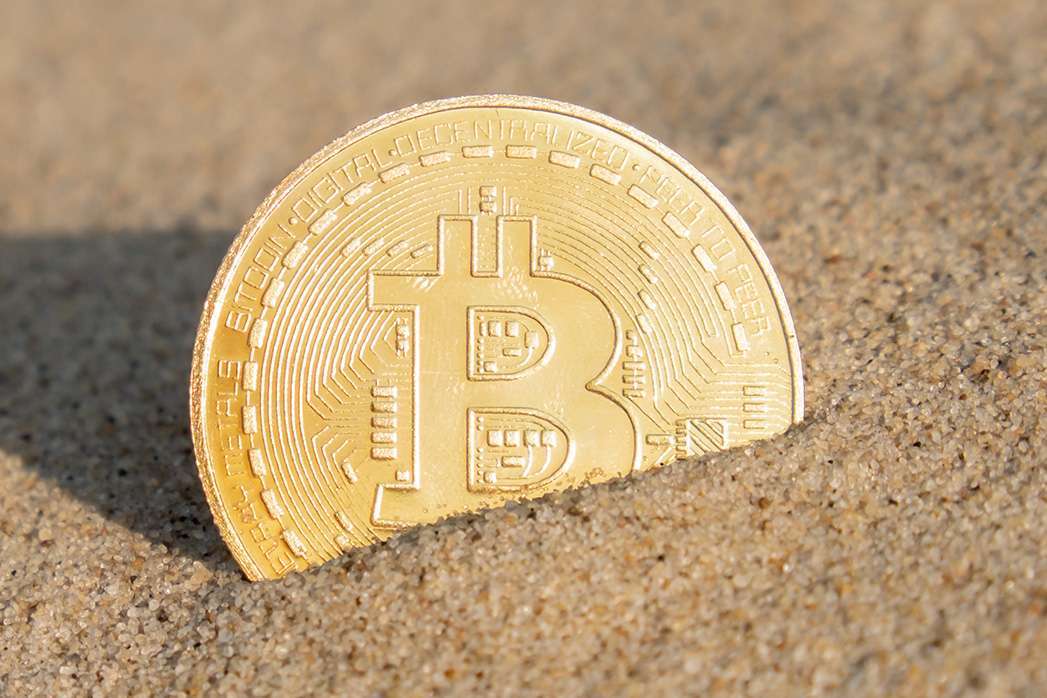
Bitcoin Coin cryptocurrency In Sand On Beach. Freelance, stock exchange BTC sign Concept mining.

Bitcoin Halving 2024: Impact, Market Trends, and What to Expect in 2025

The Bitcoin halving event is a pivotal occurrence in the cryptocurrency’s lifecycle, designed to control its supply and potentially influence its market value. As of March 2025, the most recent halving took place on April 20, 2024, reducing the block reward from 6.25 BTC to 3.125 BTC.

Understanding Bitcoin Halving

Bitcoin halving occurs approximately every four years, or every 210,000 blocks mined. This event halves the reward that miners receive for adding new blocks to the blockchain, effectively decreasing the rate at which new bitcoins are generated. This mechanism ensures a finite supply of 21 million bitcoins, reinforcing its scarcity and deflationary nature.

Impact of the 2024 Halving

The 2024 halving was significant as it was the first to occur after the approval of Bitcoin spot ETFs by the U.S. Securities and Exchange Commission on January 10, 2024.

Historically, halving events have increased attention and speculation in the cryptocurrency market, often resulting in price volatility. Following the 2024 halving, Bitcoin’s price experienced notable fluctuations, reflecting the market’s response to the reduced supply of new coins.

Market Dynamics in 2025

Entering 2025, Bitcoin’s market dynamics continue to evolve. The reduction in block rewards has heightened the competition among miners, leading to increased operational costs and a focus on efficiency. Investors are closely monitoring these developments, as the decreased rate of new Bitcoin issuance could influence supply-demand dynamics. Some analysts suggest that the reduced supply may contribute to price appreciation, while others caution about potential market corrections. 

Looking Ahead

The next Bitcoin halving will occur in 2028, reducing the block reward to 1.5625 BTC. As the cryptocurrency landscape matures, each halving event reminds us of Bitcoin’s unique economic model and its implications for miners, investors, and the broader financial ecosystem.

Please note that the cryptocurrency market is highly volatile and subject to rapid changes. Before making investment decisions, it’s essential to conduct thorough research and consult with financial experts.

Image Source: Adobe Stock

Disclaimer: This article is purely for informational purposes. It is not offered or intended to be used for legal, tax, investment or financial advice.
Read more →

Bitcoin coin on top of a stack of gold coins, with an upward green arrow and a blurred background of gold coins. The image represents the growth of cryptocurrency.

The Future Value of Bitcoin: Retail’s Impact on the Cryptocurrency Market

Bitcoin has shown a steady but unpredictable journey throughout its development history. At the time of this writing, Bitcoin trades at €77,000, down from its all-time high of €109,000 in January 2025. While institutional investors play a crucial role, retail demand continues to shape Bitcoin’s trajectory, particularly in Europe.

Retail investors exercise direct influence over trading volume and usage of Bitcoin, let alone direct market sentiment. The enduring market interest suggests that Bitcoin’s rise will depend on macroeconomic forces and adoption.

Retail Demand and Market Stability

Retail investors continue to participate steadily in Bitcoin, despite its highly volatile price. Analysts examining the Bitcoin network have observed a minor 2% decline in retail transaction volume, while the January decline reached 20% levels. The market reconstruction does not discourage retail investors because they remain actively involved.

The hedging strategy institutional players adopt greatly differs from that of retail investors. These investors follow market momentum by betting on rising prices and improving market stability. With all factors constant, retail investors could stabilise Bitcoin’s exchange value by producing long-term price floors.

Regional Trends: Asia’s Rising Influence

Europe has maintained its consistent adoption of Bitcoin retail trading, while the Asia-Pacific region has become the leading market for Bitcoin retail transactions. Countries like Japan, South Korea, and Singapore are supporting fintech innovations to boost cryptocurrency transactions.  

Decentralized transactions in Asia are proliferating, suggesting a future expansion of interest toward European markets with better regulatory frameworks in place. The US market shows slower Bitcoin adoption due to unclear regulatory situations, which gives Asia-Pacific and European markets a better position for adoption.

Regulatory Landscape: A Double-Edged Sword

Bitcoin continues to achieve widespread acceptance, mainly due to the implementation of proper regulatory standards. Also, European regulatory bodies have inconsistent standards for Bitcoin. Switzerland has adopted friendly policies, while other regions continue to remain cautious.

Asia is developing new regulatory systems, with Singapore leading the way in progressive crypto policies, while South Korea and Japan enforce strict compliance measures. ECB was conflicted about whether to adopt liberal policies or maintain separate approaches toward Bitcoin, which led to the birth of Markets in Crypto-Assets MiCA. Typically, retail adoption of Bitcoin could increase through better regulatory standards that build investor trust.

Retail and Cryptocurrency Liquidity

Bitcoin’s liquidity relies heavily on retail investors, who are especially shaped by decentralized finance (DeFi). The staking process, decentralized trading, and liquidity network obligations are standard activities for Bitcoin retail investors as they contribute to decentralized exchanges.

Continuous transactions enable the market to achieve efficiency and accessibility. Increased retail participation in Bitcoin transactions will expand its liquidity pool, supporting its use in payment and financial systems.

Bitcoin Adoption and Digital Banking

The integration of Bitcoin with digital banking systems is becoming increasingly widespread. European financial technology organisations are expanding their Bitcoin-based products across the spectrum, including deposit accounts and payment transaction services. Continued growth in retail demand will lead businesses to adopt Bitcoin as their standard payment protocol. Rate reductions of transaction costs and volatility must occur for this trend to take effect.

What Does the Future Hold for Bitcoin?

Retail participation in Bitcoin indicates a steady market, as price volatility has only necessitated readjustments from previous highs. Bitcoin’s future direction will depend on how regional adoption rates, regulatory shifts, and retail investments combine and integrate. European adoption of balanced financial regulations and fintech development will establish the region as a premier force in Bitcoin’s evolving market.

Image Source: Adobe Stock

Disclaimer: This article is purely for informational purposes. It is not offered or intended to be used for legal, tax, investment or financial advice.
Read more →

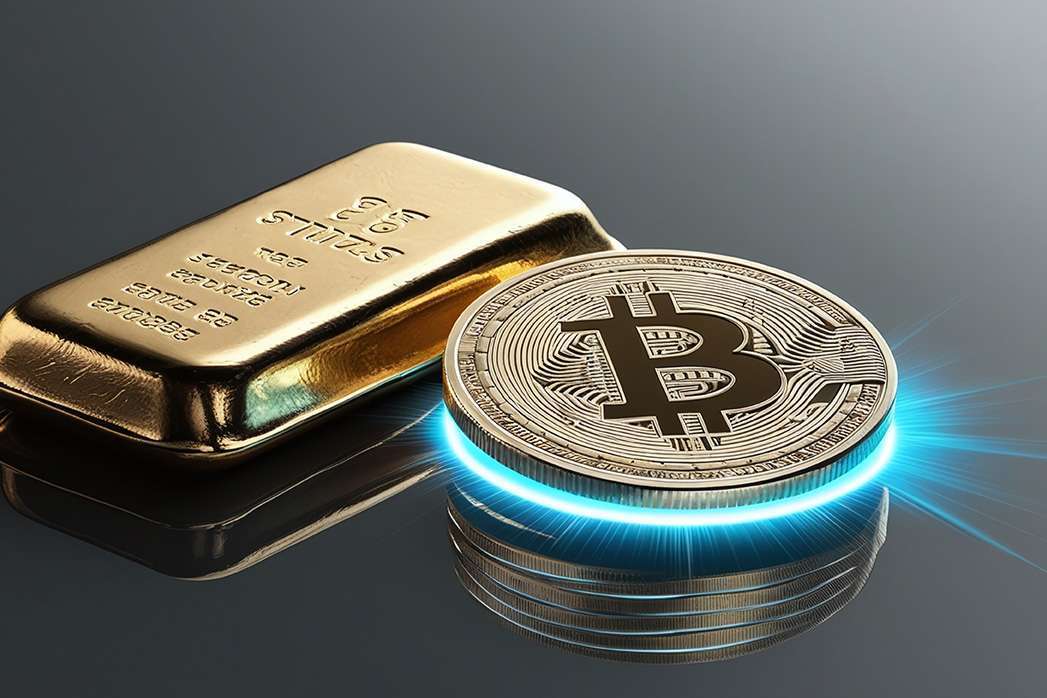
Gold Bar and Bitcoin

The Future Value of Bitcoin: Retail’s Impact on the Cryptocurrency Market

Bitcoin has shown a steady but unpredictable journey throughout its development history. At the time of this writing, Bitcoin trades at €77,000, down from its all-time high of €105,000 in January 2025. While institutional investors play a crucial role, retail demand continues to shape Bitcoin’s trajectory, particularly in Europe.

  • “Bitcoin is a technological tour de force.”Bill Gates

  • “In the long run, the market always reflects value. Bitcoin is no different.”Michael Saylor

  • “Bitcoin is the monetary revolution of our time, and its adoption is only just beginning.”Saifedean Ammous

Retail investors influence Bitcoin’s trading volume and usage directly, let alone direct market sentiment. The enduring market interest suggests that Bitcoin’s rise will depend on macroeconomic forces and adoption.

Retail Demand and Market Stability

Retail investors continue to participate steadily in Bitcoin even though its price is very volatile. Analysts examining the Bitcoin network show a minor 2% withdrawal in retail transaction volume while the January decline reached 20% levels. The market reconstruction does not discourage retail investors because they remain actively involved.

The hedging strategy institutional players adopt dramatically differs from that of retail investors. These investors follow market momentum by betting on rising prices, improving market stability. With all factors constant, retail investors could stabilise Bitcoin’s exchange value by producing long-term price floors.

Regional Trends: Asia’s Rising Influence

Europe has retained its consistent adoption of Bitcoin retail trading, while the Asia-Pacific has become the top market for Bitcoin retail transactions. Countries like Japan, South Korea, and Singapore support fintech innovations to boost crypto transactions.  

Decentralised transactions in Asia are proliferating, suggesting a future expansion of interest toward European markets with better regulatory frameworks in place. The US market shows slower Bitcoin adoption due to unclear regulatory situations, which gives Asia-Pacific and European markets a better position for adoption.

Regulatory Landscape: A Double-Edged Sword

Bitcoin continues to achieve widespread acceptance mainly due to proper regulation standards. Also, European regulatory bodies have inconsistent standards for Bitcoin. Switzerland has adopted friendly policies, while other regions continue to remain cautious.

Asia is developing new regulatory systems in which Singapore leads progressive crypto policies and South Korea and Japan enforce strict compliance measures. The ECB was conflicted about whether to adopt liberal policies or maintain separate approaches toward Bitcoin, which led to the birth of Markets in Crypto-Assets MiCA. Typically, retail adoption of Bitcoin could increase through better regulatory standards that build investor trust.

Retail and Cryptocurrency Liquidity

Bitcoin’s liquidity relies heavily on retail investors significantly shaped by decentralised finance (DeFi). The staking process, decentralised trading, and liquidity network obligations are standard activities for Bitcoin retail investors as they contribute to decentralised exchanges.

Continuous transactions enable the market to achieve efficiency and accessibility. Increased retail participation in Bitcoin transactions will expand its liquidity pool, supporting its use in payment and financial systems.

Bitcoin Adoption and Digital Banking

Bitcoin integration with digital banking systems is becoming more widespread. European financial technology organisations are expanding their Bitcoin-based products across the spectrum, including deposit accounts and payment transaction services. Continued growth in retail demand will lead businesses to adopt Bitcoin as their standard payment protocol. Rate reductions of transaction costs and volatility must occur for this trend to take effect.

What Does the Future Hold for Bitcoin?

Retail participation in Bitcoin indicates a steady market since price volatility has only necessary readjusted from previous highs. Bitcoin’s future direction will depend on how regional adoption rates, regulatory shifts, and retail investments combine and integrate. European adoption of balanced financial regulations and fintech development will establish the region as a premier force in Bitcoin’s evolving market.

Image Source: Adobe Stock

Disclaimer: This article is purely for informational purposes. It is not offered or intended to be used for legal, tax, investment or financial advice.

Read more →

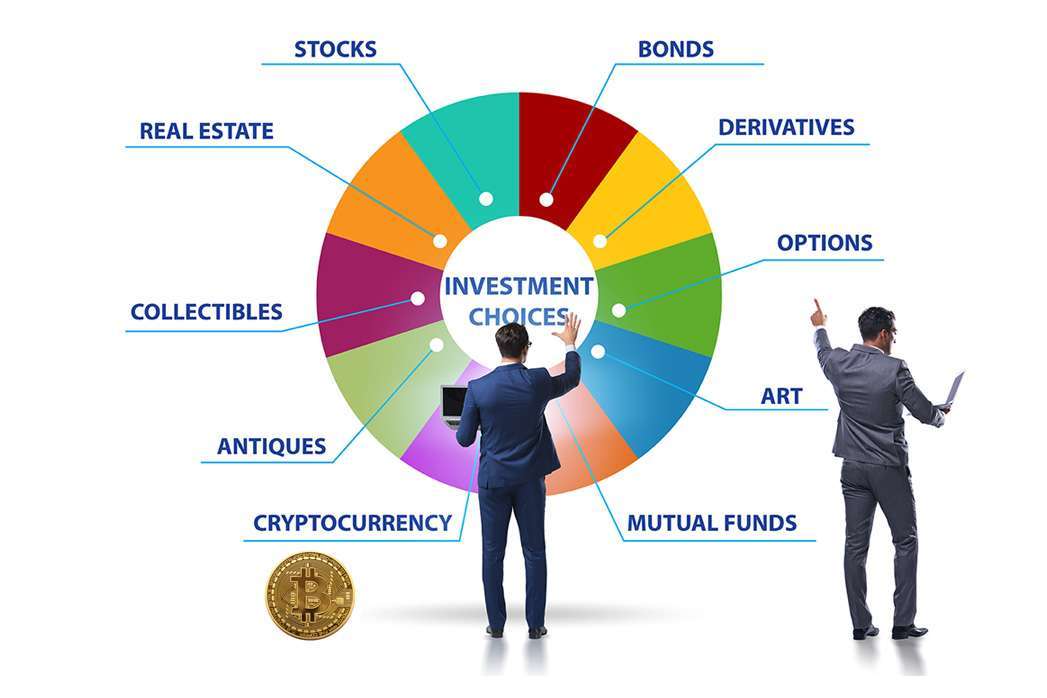
Concept of various financial investment options.

Bonds and Stocks vs. Cryptocurrency

Today, investing means entering into an infinitely expanding pool of various opportunities full of perks and risks. For the longest time, bonds and stocks have been conventional investment products with reliability and possible capital gains. But again, everyone has started trading Cryptocurrencies, a brand-new…

Read more →

Businessman in private jet.

Is it too Late to Become a Bitcoin Millionaire?

Bitcoin has undoubtedly influenced the financial landscape considerably. Since its launch, the Cryptocurrency has experienced an impressive rise in value, drawing the interest of investors, institutions and governments worldwide.  

Nevertheless, due to its swift expansion and extensive adoption, many are questioning whether it is still possible to achieve billionaire status via Bitcoin.

The Initial Days of Bitcoin Fortune

In 2010, Bitcoin was priced at only a few cents, and acquiring thousands demanded little beyond a firm belief in a nascent, unproven technology. Initial investors, such as the Winklevoss twins and venture capitalist Tim Draper, capitalized on this initial chance to maintain their investments amid ongoing impressive Bitcoin growth.

To this date, Bitcoin has transformed from an obscure digital trial into an important financial asset. As its price soared above $100,000 in recent years and its market in the region of $2 trillion, the era of significant, rapid gains could be nigh. However, this does not suggest that Bitcoin’s story or ability to create wealth is finished.

For the typical investor, achieving billionaire status exclusively through Bitcoin investment is unlikely. Here’s why:

Market Maturity

Bitcoin has evolved from a speculative investment into an acknowledged store of value, commonly known as “digital gold.” Although this has lowered its likelihood of failure, it has also decreased its growth potential. It’s still possible for values to double or triple, but the era of achieving 1,000x returns seems to be over.

Institutional Involvement

Major institutional players, from hedge funds to corporations, have entered Bitcoin, bringing significant capital and competition. This has added stability to the market and dampened the wild volatility that once created massive wealth for early participants.

Regulatory Developments

As governments worldwide continue to regulate cryptocurrency markets, Bitcoin’s speculative appeal has been somewhat tempered. Regulatory clarity enhances trust and adoption but reduces the high-risk, high-reward dynamic that characterized its early years.

Can Bitcoin Still Create Wealth?

While achieving billionaire status may be unrealistic, Bitcoin remains a compelling investment for several reasons:

Value in the Long Term

Considering the capped supply of 21 million coins and wider adoption of Bitcoin, the long-term trend may guide its price upwards. Analysts expect long-term growth, vastly improved as Bitcoin takes deeper roots into the financial systems.

Portfolio Diversification

Bitcoin acts as a non-correlated asset and, therefore, a good hedge against inflation and traditional market declines. It could be a great addition to a diversified portfolio for institutional and retail investors.

Opportunities in the Ecosystem

There are avenues for wealth creation through the broader alternative Cryptocurrency and Blockchain; the new technologies, decentralized finance (DeFi), and new Blockchain protocols may show growth opportunities that are similar to those of the early days of Bitcoin.

How Should You Approach Bitcoin in 2025?

If one is to make any sincere investment in Bitcoin in 2025, establishing practical goals and being disciplined about following them is essential. Put away thoughts of instant riches rather than see Bitcoin in a broader light as a genuine, long-term investment with stable value, not as a hedge from potential gains from speculation.

Another successful approach is dollar-cost averaging—investing modest, regular sums over time. This strategy aids in alleviating the impacts of market fluctuations and lessens the emotional strain of attempting to time the market.

Ultimately, remaining knowledgeable is essential. The cryptocurrency environment changes swiftly as technological advancements, regulations, and market dynamics continually influence the sector. Staying current with these developments allows you to make knowledgeable choices and adjust to new chances.

A Fresh Outlook on Building Wealth

Although the chance of becoming a Bitcoin billionaire has drastically dwindled, Cryptocurrency can still allow considerable financial expansion. Bitcoin has evolved into a widely acknowledged asset, providing chances for consistent, long-term wealth growth instead of the remarkable gains seen in its initial phase.

Bitcoin and Blockchain technology are in the initial phases of transforming industries and economies. By engaging with the market through well-informed tactics and achievable objectives, investors can still benefit from this transformative period—though maybe not achieving billionaire status.

Image Source: Adobe Stock

Disclaimer: This article is purely for informational purposes. It is not offered or intended to be used for legal, tax, investment or financial advice.
Read more →

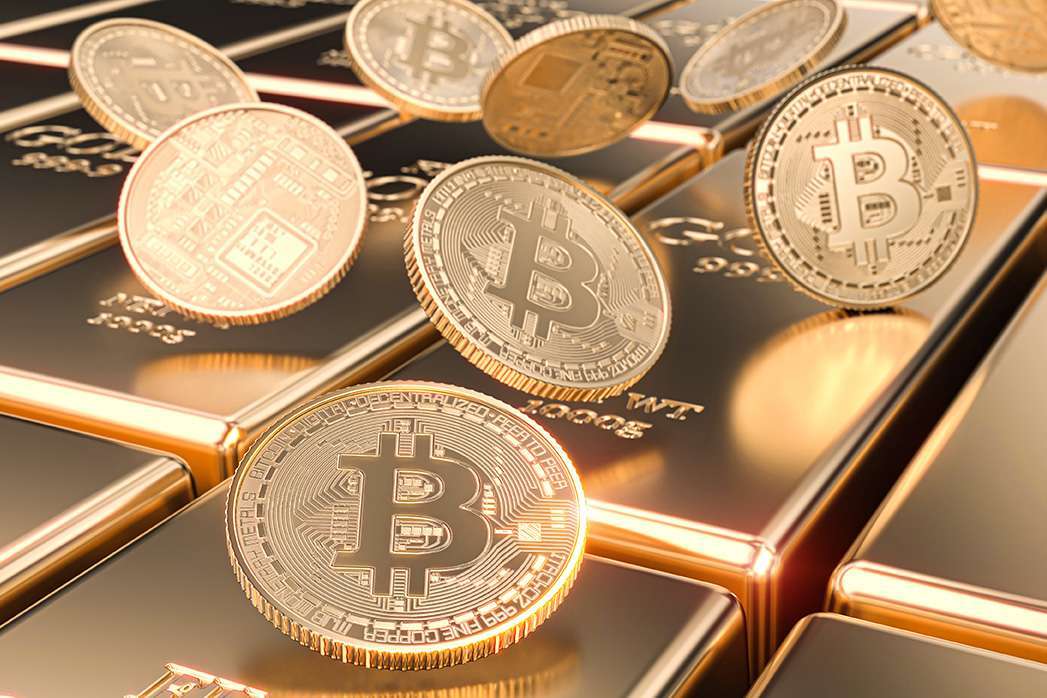
gold bitcoin coins laid on ingots. concept of cryptocurrency and money.

Bitcoin Price Prediction for 2024-2025

Bitcoin, the world’s first and most formidable Cryptocurrency, has been a topic of interest for a while. Investors and enthusiasts from all walks of life wonder; what does the future hold for this digital gold?   In this write-up, we look at the history…

Read more →

Physical version of Bitcoin (new virtual money), USA and UK Flag. Conceptual image for investors in cryptocurrency and Blockchain Technology in United States and United Kingdom.

Reasons Why the UK/US Should Embrace Bitcoin

The adoption of digital currencies and Blockchain is an innovation around the revolution in using money for transactions that can be performed worldwide. This change has prompted debates and discussions in several countries across the globe, with an emphasis on key financial giants like…

Read more →

Bitcoin on the lunar surface, Earth and space in the background. Bitcoin dominance in global finance. Crypto to the Moon.

Bitcoin Halving and Market Optimism in 2024

As the cryptographic gears of Bitcoin completed another cyclical shift with the halving event on April 19, 2024, the Cryptocurrency and Blockchain space witnessed a remarkable upswing. Venture capital funding surged to a staggering $2.52 billion (£2.02 bn) in the first quarter of 2024, marking…

Read more →