
A woman is pointing to the word blockchain on a screen showcasing crypto technology.

What is Blockchain?

Blockchain technology isn’t a fad. It’s the future. But what is Blockchain technology? And how can it be used to shape the future of the world economy?

Should you trust Blockchain? A tricky question indeed. Although it was first invented by Satoshi Nakamoto and intended to provide a decentralised currency, the technology has since evolved and is now being used for much more. If you’re new to Blockchain, keep scrolling.

What is a Blockchain and how does it work?

A Blockchain is a growing list of records called blocks linked and secured using cryptography. Typically, each block contains a hash pointer as a link to a previous block, a timestamp and transaction data. Blockchains are secure databases linked together in a chain of digital transactions that are resistant to modification and tampering.

Blockchain is the technology behind Bitcoin, but it does much more than store cryptocurrency. It can be used to track various forms of value, including money, votes, and shipping documents. The Blockchain is a distributed database that keeps a continuously growing list of ordered records called blocks.

We have already seen that Blockchain is a decentralized digital ledger technology that records transactions securely and transparently. In a Blockchain, every transaction is verified and added to the chain of previous transactions, creating an immutable and transparent history of all transactions.

Below is a simplified explanation of how a Blockchain works:

  1. A transaction is initiated: When a user initiates a transaction, it is broadcast to the network of computers connected to the Blockchain.
  2. Verification: The nodes verify the transaction using a consensus mechanism, which can be Proof of Work or Proof of Stake.
  3. Adding to the block: Once the transaction is verified, it is added to a block along with other verified transactions.
  4. Hashing: The block is hashed using a cryptographic algorithm to create a unique digital fingerprint that identifies the block.
  5. Chain of blocks: The hashed block is added to the previous block, creating a chain of blocks stored on every network node.
  6. Immutable record: As each block is added to the chain, it creates a rigid record of all the transactions on the Blockchain.
  7. Distributed ledger: Since the Blockchain is distributed across the network of nodes, it is transparent, secure, and resistant to tampering.
  8. Incentives: Depending on the consensus mechanism used, users or nodes on the network may be incentivised to participate in verifying transactions and adding them to the Blockchain.

As shown above, Blockchain technology enables the secure and transparent recording and verification of transactions without the need for a centralised authority. This has led to its use in various industries, including finance, healthcare, and supply chain management and by extension, institutional investors.

What are the Pros and Cons of Blockchain?

Blockchain technology is a groundbreaking development in the world of finance and business. It has several advantages and disadvantages, each worth considering:

Advantages:

  1. Security: Blockchain technology uses cryptographic algorithms and decentralized distribution to ensure the security and integrity of transactions, making it highly resistant to hacking, fraud, and tampering.
  2. Transparency: Since Blockchain technology is distributed, every node in the network has access to the same information, making it highly transparent and trustworthy.
  3. Efficiency: Blockchain technology eliminates the need for intermediaries, thereby reducing transaction costs and accelerating the settlement process.
  4. Immutable record: Every transaction added to the Blockchain is permanent and cannot be altered, creating an immutable record that can be used for auditing, compliance, and other purposes.
  5. Decentralisation: Blockchain technology eliminates the need for a central authority, resulting in a highly democratic and autonomous system.

Disadvantages:

  1. Complexity: Blockchain technology demands substantial technical expertise to develop, operate, and maintain.
  2. Scalability: Blockchain technology can be slow and resource-intensive, making it difficult to scale for high-volume transactions.
  3. Energy consumption: Proof-of-Work consensus algorithms, used by some Blockchains, require significant amounts of energy to operate, making them environmentally unsustainable.
  4. Limited regulation: Blockchain technology’s decentralized and anonymous nature makes regulating and enforcing legal compliance challenging.

As the world becomes increasingly digitised, Blockchain technology is considered the next big thing to revolutionise how we do things. This article provides an overview of what it’s all about and how it’s already transforming the way businesses operate.

Image Source: Adobe Stock

Disclaimer: This article is provided for informational purposes only. It is not offered or intended to be used as legal, tax, investment, financial, or other advice.


Read more →

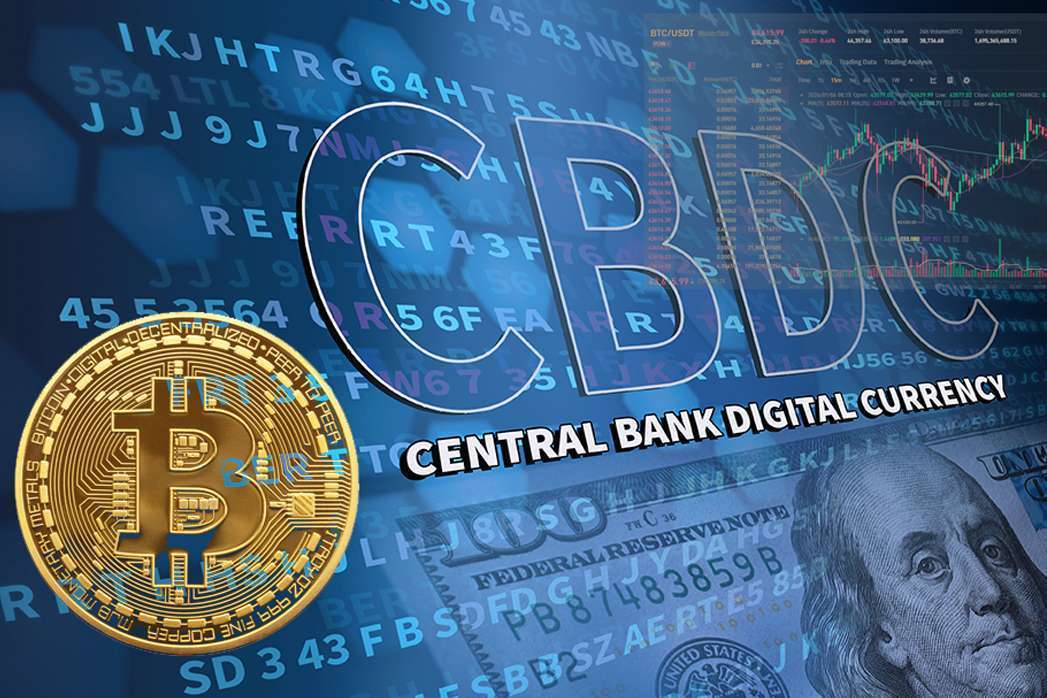
The logo for cbdc central bank digital currency incorporates elements of blockchain technology and utilises the concept of NFTs.

What is CBDC? Digital Currency Explained

State money evolves slowly. Financial rails evolve fast.” — DNA Crypto.

Central bank digital currency (CBDC) is a type of fiat currency that doesn’t exist as banknotes or coins but exists only as digital data. Digital currencies are stored in digital wallets. Typically, its definition is inseparable from that of a “central bank.”

What Exactly is Central Bank Digital Currency?

Central Bank Digital Currency, CBDC, is the digital equivalent of physical cash that can be transferred into circulation by central banks. Just as CBDCs use the current infrastructure to move physical cash between bank accounts, blockchain technology could be used to enable these transfers digitally. The main questions surrounding this topic are: why we need this and what the implications are for central banking. In the UK, the Bank of England is the central bank, and it’s currently working closely with HM Treasury to bolster digital currency across the UK.

How CBDC Differs from Cryptocurrency?

CBDCs and crypto assets are both digital currencies, but they differ in key ways. Crypto assets are decentralised, peer-to-peer virtual currencies that can be traded independently of central banks or governments, with the most well-known crypto asset being bitcoin. Central banks issue CBDCs as a substitute for cash, meaning they can be used to make payments just like physical notes and coins. They may also be used to make payments between financial institutions. In contrast, crypto assets are typically transacted privately between two parties, with no involvement from the issuing bank or government institution.

Why is the UK Considering a Central Bank Digital Currency?

Change is inevitable, and we must be willing to adapt with the times. The challenges facing the global economy are immense, but so is the opportunity. Cash has been steadily declining in importance since the introduction of ATMs and contactless cards in the 1990s and 2000s. Today, only about 15% of all payments in the UK are made in cash – down from 40% two decades ago – and many businesses no longer accept it. This trend is expected to continue as more people adopt digital payments and other non-cash methods, such as QR codes and mobile wallets, gain traction. But there are still concerns about whether we have sufficient cash available in emergencies or during bank holidays when banks aren’t open. Surely, this is food for thought.

What are the Chances CBDC will replace Cash?

Despite the potential official adoption of digital currency by governments, cash remains a popular payment method, and it’s essential to many people. The Bank of England will continue issuing money in the UK as long as people want to use it, and has no plans to stop providing notes and coins within the next decade. Ultimately, central bank digital currency has the potential to promote a cashless society. This will likely take time to achieve, but the push toward further adoption of digital currencies is inevitable. Stay tuned, as this technology will undoubtedly be the next big thing in financial services.


Image Source: Adobe Stock

Disclaimer: This article is provided for informational purposes only. It is not offered or intended to be used as legal, tax, investment, financial, or other advice.

Read more →