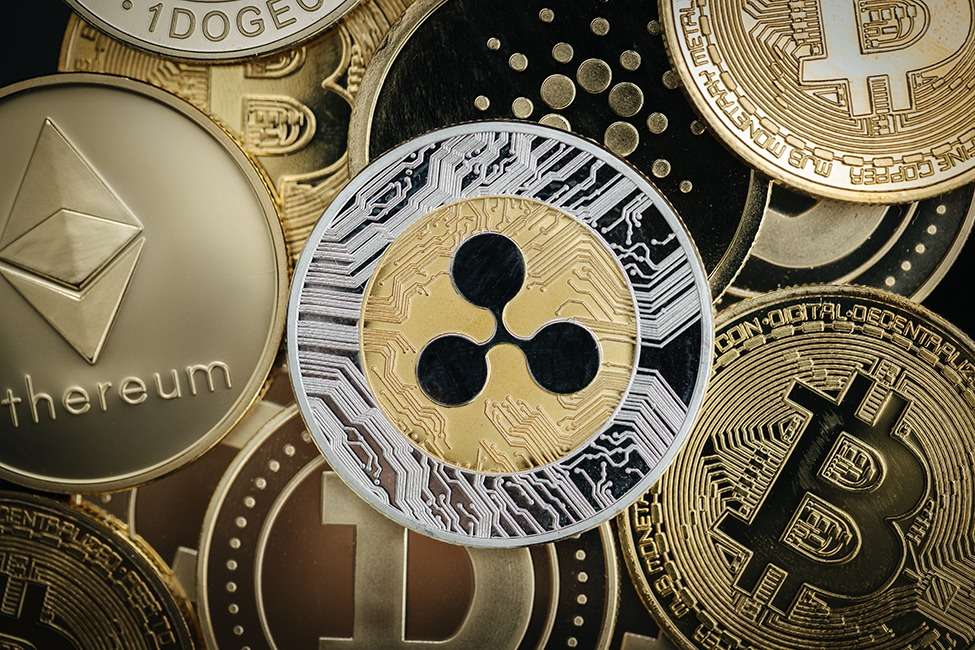
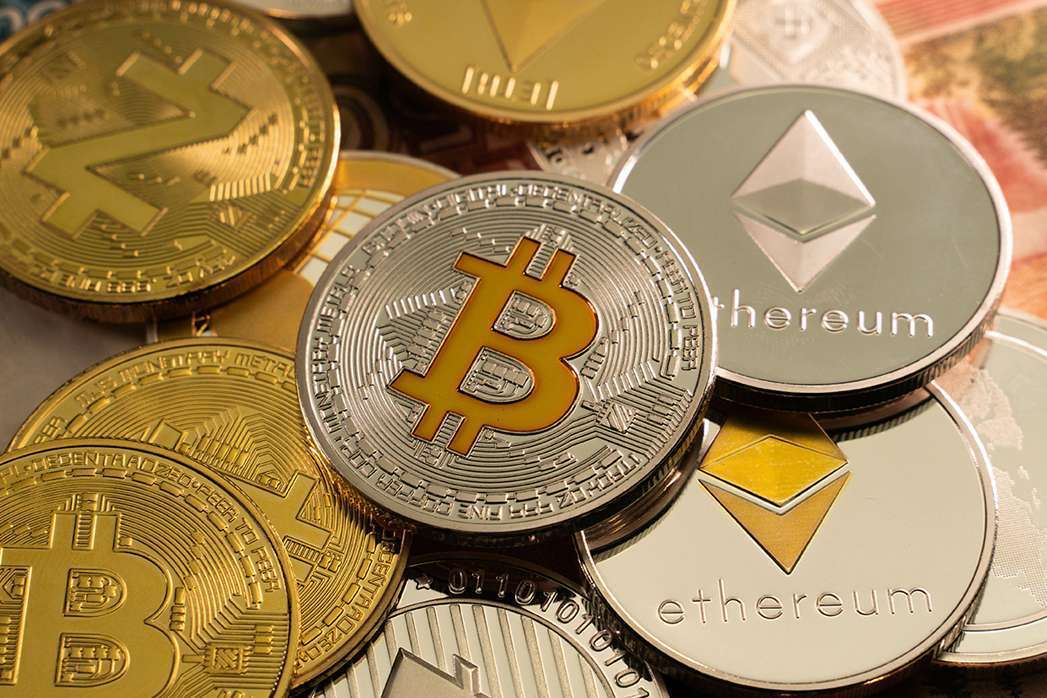
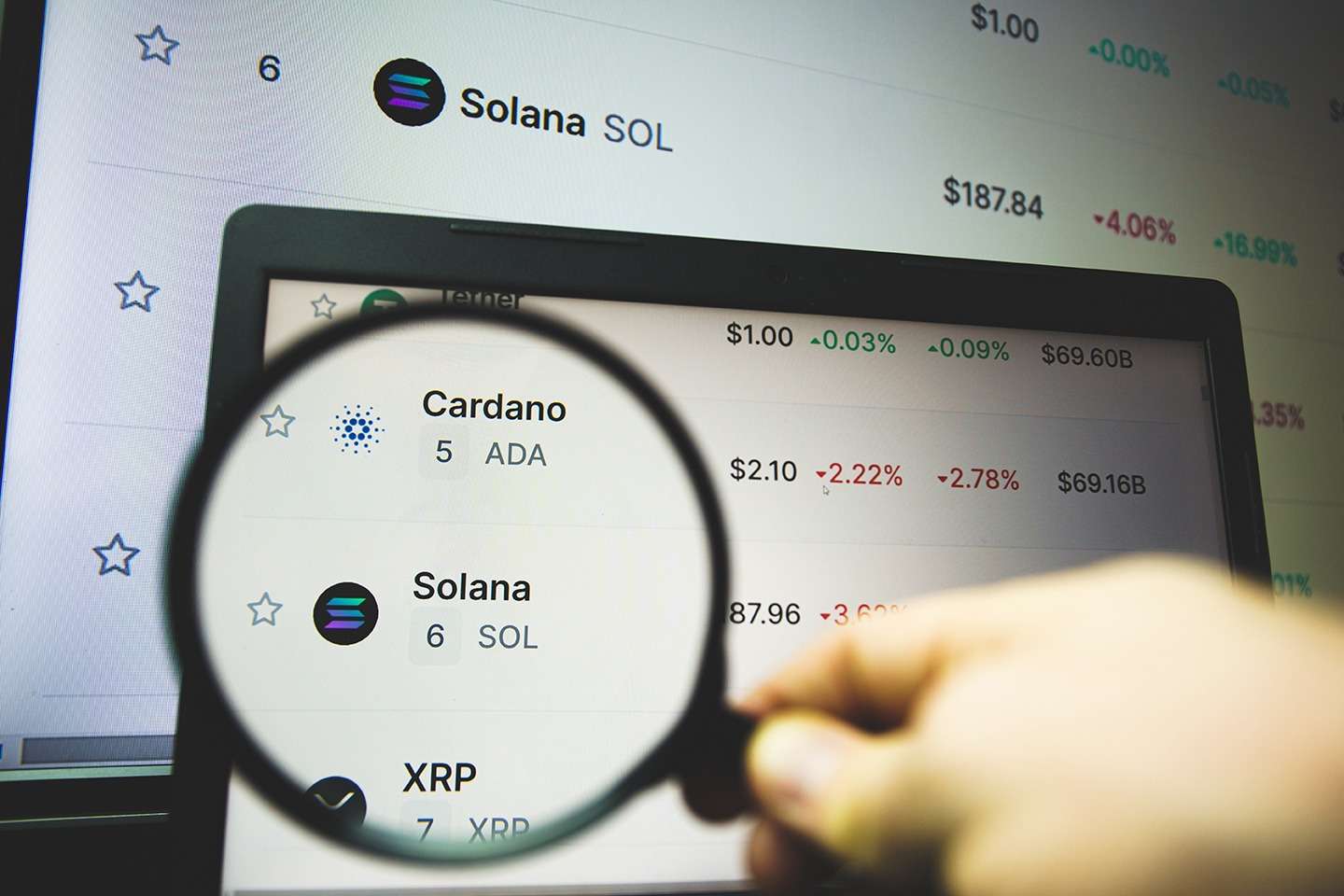
A pile of crypto coins, altcoins and bitcoin on top of a pile of money in the world of DeFi and ukcrypto.

Things You Should Consider Before Investing in Altcoins

“Altcoin investing rewards timing in bull markets, but discipline over the long term.” — DNA Crypto.

By definition, an Altcoin is any cryptocurrency other than Bitcoin, so there are thousands. Altcoins account for more than half of the cryptocurrency market’s value. Like Bitcoin, Altcoins are based on the Blockchain as an incorruptible ledger. Some claim to build on Bitcoin’s triumphs, while others aim to overcome its issues.

On the other hand, the Ethereum blockchain saw potential in Bitcoin’s Blockchain technology. It went beyond recording financial transactions and began documenting agreements as “smart contracts.” Other cryptocurrencies have emerged, claiming to be safer or faster. The result is a complex ecosystem of Altcoins that is difficult to categorise. However, the classification can be done as follows:

Native Cryptocurrencies

Native cryptocurrencies are coins explicitly designed for use on a particular network. Because Bitcoin is the currency utilised on the Bitcoin blockchain, it is considered a native coin. Another native coin, Binance Coin, is now the fourth-largest cryptocurrency by market capitalisation. And if you are a newbie and you’re not sure where to start, contact an expert who will provide you with enhanced encryption information to help you store, trade, send, and receive your virtual currency safely.

Stable Coins

Stablecoins were created to provide the benefits of cryptocurrencies without their price volatility. They do so by matching the value of an existing currency at a one-to-one ratio. Tether, the most valuable Stablecoin by market capitalisation, is pegged to the US dollar.

Token

A token is a monetary unit that may be used for specified purposes and operates on an existing blockchain. Chainlink, for example, is based on the Ethereum platform and translates real-world data into a blockchain-compatible format. The adoption of Chainlink technology is directly proportional to the demand for its tokens.

There are a few things to think about before buying altcoins. Before you invest in any altcoin, find out what the company behind it is trying to accomplish. Think about the following issues:

  • Does the altcoin look like it could be a viable Bitcoin alternative?
  • – If it’s a token, is it a real-world application?
  • – If it’s a Stablecoin, what will you do with it?
  • – What made it happen if it’s a fork, and do you agree with the decision?

Forks

When a group votes to make any alteration to the rules that govern the chain, the process is referred to as a “fork.” A new chain appears, ready to begin recording transactions in compliance with the latest regulations. Bitcoin Cash is a fork of the original Bitcoin blockchain, while Dogecoin is a branch of Luckycoin.

To Sum it Up

Keep in mind that this is a new market that will eventually settle. Some of these projects will fail—a lengthy list of cryptocurrencies has already died—while others will thrive. That’s why financial gurus define altcoins as “alternative assets,” something you might take part in if your portfolio is already well-diversified.

Image Source: Adobe Stock

Disclaimer: This article is provided for informational purposes only. It is not offered or intended to be used as legal, tax, investment, financial, or other advice.

Read more →

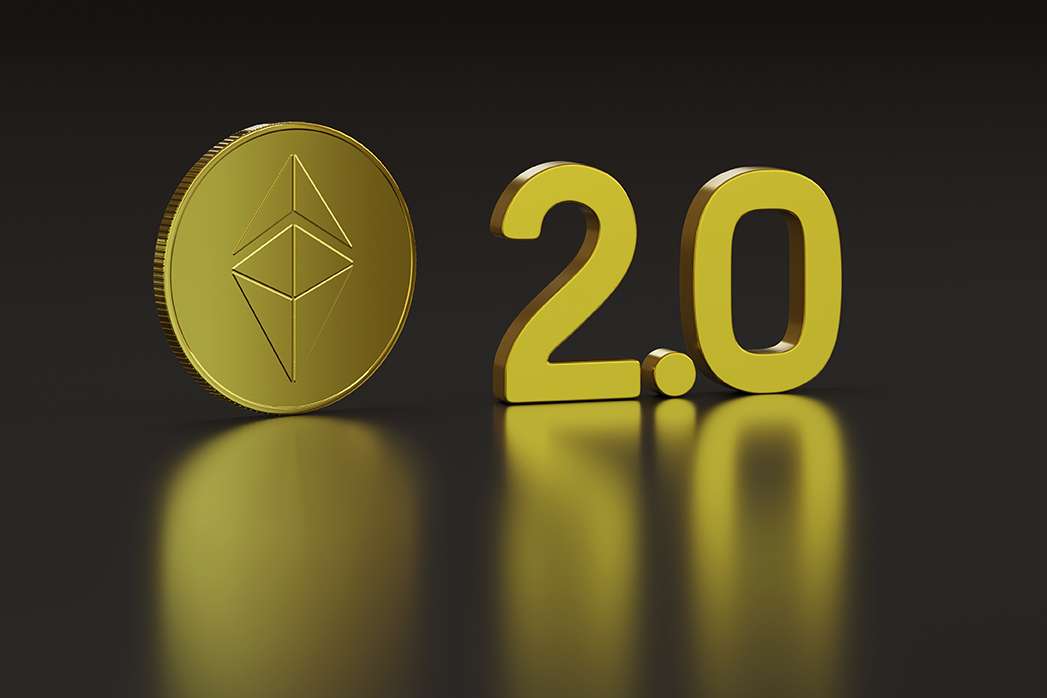
Ethereum 2.0 Symbols on a black background.

Enough Speculation as Ethereum 2.0 is Set to Launch in September

“Protocol upgrades change mechanics, not incentives.” — DNA Crypto.
Enough Speculation as Ethereum 2.0 is Set to Launch in September Ethereum’s move to proof-of-stake may still be at the dock. Preston Van Loon, the Ethereum core developer, announced to a panel that the move would enter its final stages in the next three months. He said that September was the most reasonable timeline for the move. Justin Drake, a panel member, expressed a strong desire to make it happen by September. Justin and Preston have repeatedly referenced the “difficulty bomb” in this context; they are referring to the event known as The Merge. A Merge is the process by which the proof-of-stake beacon chain is merged with the existing Ethereum blockchain. Hence, the Ethereum network will shift from mining-based to staking-based. Individuals with high-performance supercomputers operate a mining-based network to earn Ethereum. On the other hand, staking is when Ethereum users deposit coins to earn rewards. It is important to note that the core developers didn’t choose September randomly. In May, Ethereum Core developers agreed not to upgrade the network to delay the Merge, which will begin to destabilise the network. The Merge is a blockchain constituent that deliberately slows the network. Its main intention was to drive the move to proof-of-stake among developers and to ensure miners found it challenging to remain behind once the initiative was launched. Although it is still in the testing phase, Ethereum Core developers have chosen to give it their full attention. If completed smoothly, the Merge would render the difficulty bomb useless. Both proof-of-work and stakeholder incentives aim to ensure the network is not only secure but also decentralised. However, proof-of-stake offers more advantages than proof-of-work. Proof-of-stake, for example, uses significantly less energy while also making it easier for individuals to run a network. Therefore, proof-of-stake is more secure and decentralised than proof-of-work. However, the primary reason Ethereum holders worldwide are waiting for the Merge is that it reduces Ethereum issuance by up to 90%. Fewer issuance means the demand outweighs the supply; thus, the coin’s price skyrockets. Currently, CoinMarketCap data show that a single ETH coin is worth about $2,000. The Merge is expected to push Ethereum to its highest price, surpassing its November 2021 price of $4,891. Signs of proof of stake could be seen as early as December 2020, during the completion of Phase 0, referred to as “Ethereum 2.0, which is a set of renovations to scale the network and make it safer. However, at that time, it was simply a beacon chain. It was a proof-of-stake network, but it could not be relied on to perform any function. Therefore, holders can only lock their Ethereum coins into it in hopes of future profits; however, The Merge will change that. Ethereum 2.0 is not the network’s final upgrade. A key component of Ethereum 2.0 is sharding, a strategy that enables the Ethereum network to be subdivided into multiple chains. According to the Ethereum Foundation, authenticators will only be required to validate data for the entity (shard) they are validating, rather than the entire network. The foundation adds that this strategy will significantly and immediately reduce hardware requirements. Image: Adobe Stock Disclaimer: This article is provided for informational purposes only. It is not offered or intended to be used as legal, tax, investment, financial, or other advice.
Read more →