
Businessman activating data protection shield with finger on digital interface.

Altcoins After Regulation: Which Tokens Survive in a MiCA-Compliant World

“Markets mature when rules replace narratives.” — DNA Crypto.

For years, altcoins thrived in a permissive environment where narratives moved faster than regulation. That environment is ending.

MiCA marks the transition from speculative expansion to regulated survival. Most altcoins will not make that transition. A small number will, and their characteristics are already visible.

This is not a market cycle. It is a regulatory filter.

Why Regulation Will Eliminate Most Altcoins

MiCA introduces licensing, disclosure, custody and governance requirements that most tokens were never designed to meet. Projects built around hype, emissions and vague utility struggle under scrutiny.

DNACrypto has consistently warned about this dynamic in Info on Shitcoins and ICO Scams, where lack of structure leads to long-term failure.

Regulation does not kill innovation. It removes ambiguity.

The Categories That Will Survive

Altcoins that endure will fall into clear, functional groups.

Infrastructure Tokens

Layer 1 and Layer 2 networks that provide scalable, reliable settlement infrastructure will remain relevant. These systems offer measurable utility, developer ecosystems and institutional tooling.

Examples include networks analysed in Polkadot (DOT) and Solana Introduces Blinks, where performance and integration matter more than marketing.

Infrastructure survives because it is needed.

Tokenised Finance Platforms

Platforms enabling the issuance and management of tokenised assets benefit directly from regulatory clarity. As capital markets move on-chain, compliant Tokenisation layers become essential.

This trend aligns with themes explored in Blockchain Project Funding and Crypto in the Boardroom, where enterprise adoption depends on governance and legal certainty.

Regulated DeFi Protocols

DeFi does not disappear under MiCA. It evolves.

Protocols that integrate compliance, permissioned access, and transparent governance are positioned to attract institutional flows. DNACrypto examines this evolution in The Future of Altcoins and Investing in Altcoins.

Utility combined with compliance becomes the entry ticket.

What Fades Away

Meme coins, governance-less tokens and emission-driven projects struggle to justify their existence in a regulated environment. Without clear accountability, they lose access to banking, custody and institutional capital.

This does not happen overnight. It happens quietly, as liquidity dries up.

Why Ether Strengthens as the Default Programmable Asset

Ethereum benefits disproportionately from regulatory tightening. It already functions as the base layer for tokenised assets, Stablecoins and permissioned DeFi.

DNACrypto details this positioning across Ethereum, Bitcoin, and Ethereum 2.0, where programmability and institutional acceptance converge.

As weaker altcoins fall away, Ether’s role as the dominant programmable asset becomes clearer.

Utility and Compliance Beat Hype

The post-MiCA market rewards assets that do something measurable and do it within clear rules. Narratives fade. Infrastructure remains.

As highlighted in Altcoin Season 2025, future performance depends less on momentum and more on structure.

The DNA Crypto View

Altcoins are not disappearing. They are being sorted.

MiCA accelerates a shift from experimentation to infrastructure. Survivors will support settlement, issuance, liquidity or regulated finance. Everything else becomes noise.

The next phase of crypto is quieter, smaller and far more durable.

Image Source: Adobe Stock
Disclaimer: This article is for informational purposes only and does not constitute legal, tax or investment advice.
Register today at DNACrypto.co
Read more →

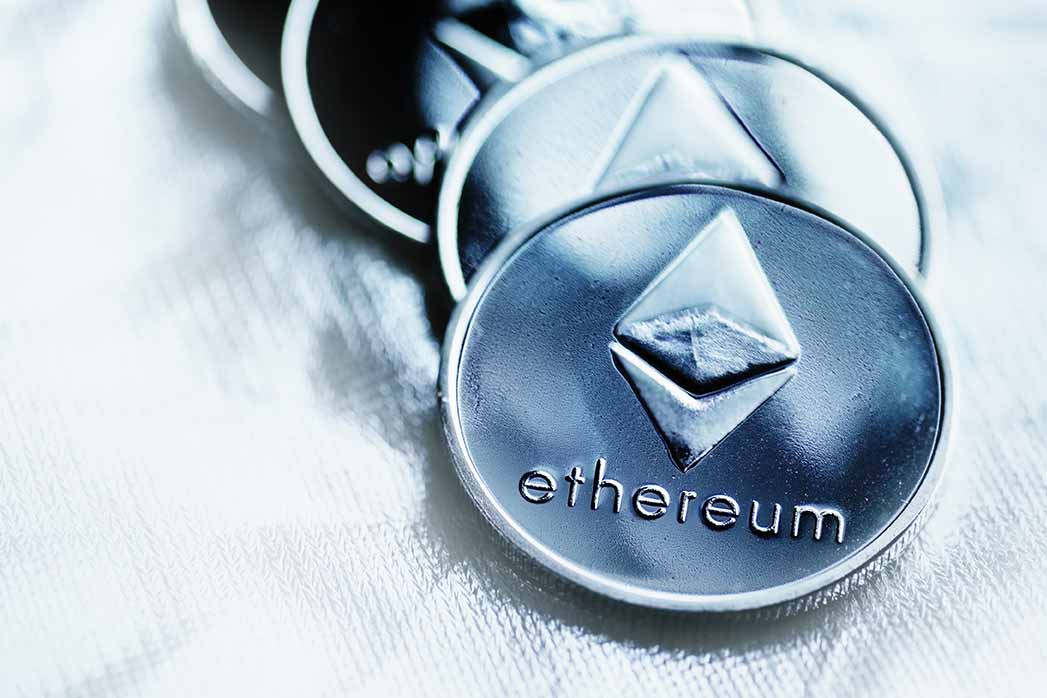
Close-up of Ethereum coin cryptocurrency over a silver background.

Why Ether Is Becoming the Operating System of Regulated Finance

“Infrastructure scales when institutions can trust it.” — DNA Crypto.

Ethereum is still widely framed as “crypto infrastructure”. Institutions increasingly see something else. They see financial middleware.

– Not a speculative platform.
– Not a retail playground.
– But a programmable settlement layer capable of supporting regulated financial activity at scale.

This distinction matters. It explains why Ethereum adoption continues to deepen inside institutions, even as most altcoins remain excluded.

Ethereum as the Default Platform for Tokenised Finance

Ethereum has become the primary environment for tokenised bonds, funds, Stablecoins and real-world assets. This is not accidental. Its dominance comes from composability, security and developer maturity.

DNACrypto has explored this progression through upgrades such as Ethereum 2.0, The Ethereum Merge and most recently Ethereum’s Dencun Upgrade, which improve scalability and cost efficiency.

For institutions issuing regulated assets, reliability matters more than speed alone. Ethereum provides a base layer that regulators, auditors and counterparties can evaluate.

Why Permissioned DeFi Is Gaining Traction

Institutions do not want anonymous, permissionless markets for most financial activity. They want controlled access, compliance and enforceable governance.

Permissioned DeFi and private Ethereum networks provide this balance. They preserve smart contract automation while enforcing KYC, AML and jurisdictional rules. This approach mirrors how traditional finance adopted electronic trading without abandoning regulation.

This controlled architecture helps explain why institutions accept Ethereum risk while rejecting most altcoin risk.

Ether the Asset vs Ethereum the Network

A critical distinction often missed in market commentary is the separation between Ether and Ethereum.

Ethereum is the network.
Ether is the native asset that powers it.

Institutions use Ethereum to issue and manage assets. Ether functions as fuel, collateral and security for that activity. This separation allows institutions to adopt the network while carefully managing asset exposure.

DNACrypto addresses this distinction in Bitcoin and Ethereum and Ethereum vs Bitcoin, where the differing roles of each system become clear.

Why Institutions Accept Ethereum Risk but Reject Most Altcoins

Ethereum’s risk profile is fundamentally different from most alternative networks. It has longevity, deep liquidity, institutional tooling and regulatory engagement.

Most altcoins fail one or more of these tests. They lack governance clarity, regulatory acceptance or sustained security.

This divergence is why Ethereum continues to be integrated into regulated pilots while speculative networks cycle in and out of relevance.

Why Regulation Strengthens Ethereum’s Position

Contrary to popular belief, regulation does not weaken Ethereum. It strengthens it.

Regulation rewards transparency, auditability and predictable governance. Ethereum’s open-source architecture and established upgrade processes align well with these requirements.

As explored indirectly through market stress events in The Reason Crypto Markets Crash, platforms with strong infrastructure survive regulatory tightening. Others do not.

Ethereum benefits from being legible to regulators.

The DNACrypto View

Ethereum is not competing to be digital money. It is becoming the operating system for regulated finance.

Tokenised assets need programmable settlement. Stablecoins need smart contract rails. Institutions need infrastructure that integrates with compliance, not around it.

Ethereum delivers this middleware layer. Ether secures it.

That is why Ethereum adoption continues quietly inside institutions, while speculation dominates headlines elsewhere.

Image Source: Envato Stock
Disclaimer: This article is for informational purposes only and does not constitute legal, tax or investment advice.
Register today at DNACrypto.co

Read more →

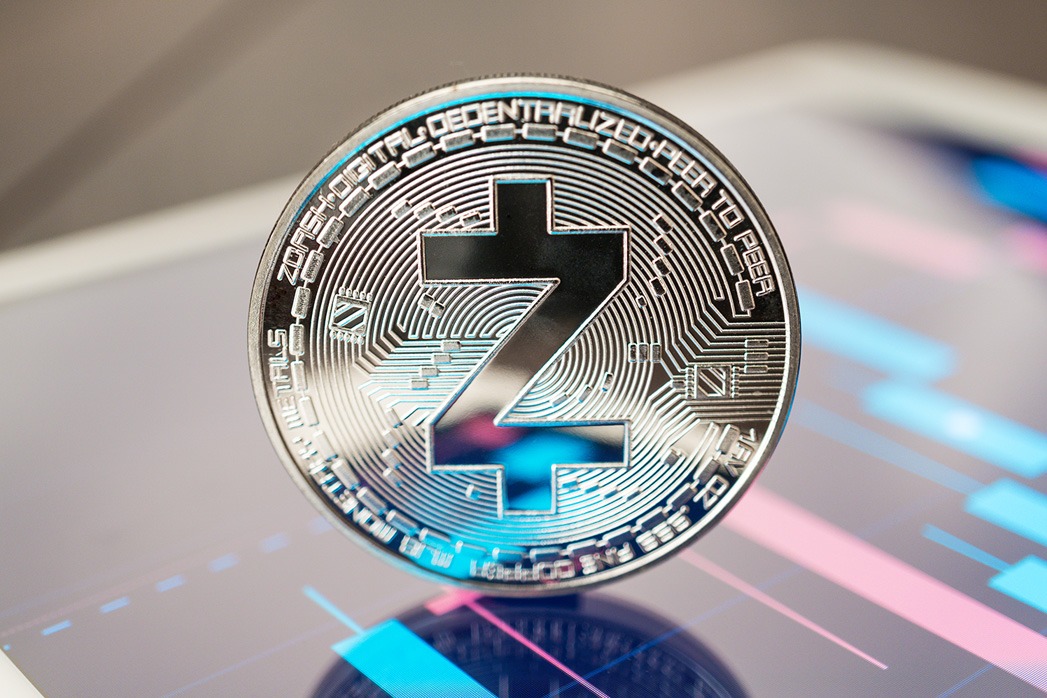
Zcash Cryptocurrency On The Tablet.

The Uprising of Zcash: Privacy, Regulation, and the Next Wave of Digital Finance

“In a world obsessed with transparency, true freedom begins with privacy.” – DNA Bitcoin Broker Knowledge Base.

For years, Bitcoin defined the frontier of financial independence.
But in 2025, as regulation tightens and surveillance expands, a quiet movement is rising behind a new principle: financial privacy as a human right.

That movement is called Zcash.

Built on advanced cryptography and zero-knowledge proofs, Zcash is not just another cryptocurrency — it’s a statement of resistance and innovation, now finding fresh relevance in a world where digital identity, privacy, and sovereignty intersect.

Learn more: Bitcoin Market Dynamics

A Decade in the Shadows

Launched in 2016 as a fork of Bitcoin, Zcash (ZEC) was designed to solve Bitcoin’s biggest contradiction: its ledger is transparent, not private.

While Bitcoin records every transaction publicly, Zcash introduced zero-knowledge proofs (zk-SNARKs) — a breakthrough that allows transactions to be verified without revealing who sent or received funds.

For years, privacy coins like Zcash and Monero lived on the fringes of crypto, labelled as “dark” or “untraceable.”
But times have changed.

In an era of CBDCs, data leaks, and financial monitoring, privacy is no longer a niche — it’s a necessity.

See: Global Impact of MiCA

2025: Privacy Comes Back into Focus

Over the last year, Zcash’s resurgence has mirrored a broader shift in sentiment across crypto and finance.

  • – Institutional attention: Zero-knowledge cryptography is now used by enterprises and blockchains (like Ethereum and Polygon) for compliance-grade privacy.

  • – Regulatory dialogue: Zcash has pivoted toward compliant privacy, engaging policymakers to demonstrate that privacy does not equal anonymity.

  • – Technological upgrade: The Halo 2 and Halo Arc upgrades removed trusted setups and enabled scalable, recursive proofs, paving the way for institutional-grade applications.

  • – Rising demand: With AI-era data harvesting and transaction tracking at record highs, investors are rediscovering privacy assets as portfolio hedges.

Zcash isn’t just surviving regulatory scrutiny — it’s reshaping the definition of ethical privacy in digital finance.

Explore: DeFi and MiCA Regulation

How Zcash Fits in the Regulated Era

The tension between privacy and compliance has defined Zcash’s evolution.

Under Europe’s MiCA regulation, privacy coins face challenges related to anti-money laundering (AML) disclosure requirements.
But instead of retreating, Zcash is pioneering selective disclosure — allowing verified entities to reveal transaction data when required, while keeping private users protected.

This approach aligns with the “regulated privacy” vision, gaining traction among financial institutions:
A balance between individual freedom and institutional accountability.

As governments worldwide test programmable CBDCs that track every transaction, Zcash offers a counterweight — programmable privacy for the digital age.

Learn more: Institutional Bitcoin Adoption

Technology that Redefines Trust

Zcash’s power lies in its mathematics.
Using zk-SNARKs, transactions are verified cryptographically without revealing inputs or outputs.

2025’s advances now include:

  • – Unified addresses for seamless interoperability between shielded and transparent accounts.

  • – Private smart contracts under development through Zcash’s new network upgrades.

  • – Layer-2 integration with Ethereum, allowing private cross-chain transactions for DeFi.

In an age when every transaction, message, and location is tracked, Zcash is restoring the balance between transparency and autonomy — trust through encryption, not exposure.

See: Crypto Custody Solutions

The Institutional Perspective

Privacy is often misunderstood as secrecy — but for institutions, it means data protection, competitive confidentiality, and regulatory resilience.

Banks, corporates, and Fintechs now explore ZK-based networks to secure payments, protect customer data, and comply with GDPR while maintaining cryptographic auditability.

Zcash’s research and technology have become foundational to enterprise-grade systems.
Its cryptography now underpins everything from private identity systems to tokenised asset protocols.

Zcash is no longer just a coin — it’s the proving ground for the next generation of secure, compliant digital systems.

DNA Crypto: Bridging Privacy and Regulation

At DNA Crypto, we recognise privacy not as opposition to regulation, but as its evolution.

We support institutions, family offices, and corporates exploring privacy-respecting digital assets under frameworks like MiCA and AMLD6.
Our approach combines regulatory integrity, technology literacy, and secure infrastructure.

Our services include:

  • – MiCA-aligned digital asset brokerage and custody

  • – OTC execution for privacy-enabled assets

  • – Advisory for regulated Tokenisation and privacy integration

  • – Cross-chain settlement solutions with full audit transparency

We believe the next financial paradigm will be transparent enough for compliance and private sufficient for freedom.

See: Global Impact of MiCA

The Bottom Line

Zcash began as an experiment in mathematical freedom.
Seventeen years after Bitcoin’s whitepaper, its mission feels more relevant than ever.

As the world races toward centralised digital currencies and AI-driven surveillance, Zcash stands as a reminder that privacy is not the absence of transparency — it’s the protection of choice.

And in the age of programmable money, that choice may be the ultimate form of wealth.


Disclaimer: This article is for informational purposes only and does not constitute legal, tax, or investment advice.

Read more →

3D illustration of a golden tree with scattered coins on a yellow background.

Altcoin Season Signals: 5 Projects That Could Outperform Bitcoin in 2025

“When liquidity rotates, narratives ignite. Altseason isn’t hype—it’s strategy.” – DNA Crypto Knowledge Base.

The last major altcoin boom in 2021 saw some tokens rally by more than 400x. New indicators suggest another altcoin season may be forming—but this cycle is shaping up differently.

This time, real fundamentals back the hype:

  • – Ethereum Layer-2 scaling is expanding DeFi.
  • – AI-powered tokens are moving from concept to adoption.
  • – Real World Asset (RWA) tokenisation is attracting institutional money.
  • – Modular blockchains are improving scalability and interoperability.

 Explore more: Understanding Altcoin Market Cycles.

Why This Cycle Could Be Bigger

Unlike 2021’s speculation-driven surge, today’s rally combines on-chain metrics, institutional adoption, and narrative strength.

Altseason typically follows a sequence:

BTC → ETH → Large Caps → Mid & Small Caps → Full Market Euphoria

Strategic timing matters: whales, funds, and long-term holders are already positioning in sectors like AI, RWA, DePIN, and Layer-2s.

“Altcoins are no longer just a sideshow to Bitcoin—they’re where innovation meets capital.” – CoinDesk Analyst, 2025

5 Projects to Watch in 2025

  1. Ethereum (ETH) – The Institutional DeFi Leader
    Ethereum remains the foundation of DeFi and NFTs. With Layer-2 adoption, staking yields, and institutional integrations, ETH is poised to spearhead the first shift away from Bitcoin.
  2. Solana (SOL) – Speed Meets Ecosystem Growth
    High throughput and low fees fuel Solana’s growth in DeFi, NFTs, and consumer apps. Uptime improvements and new ecosystem funding strengthen its momentum.
  3. Avalanche (AVAX) – RWA & Enterprise Focus
    Avalanche is building its edge in real-world asset tokenisation and enterprise blockchains through custom subnets and partnerships.
  4. Polygon (MATIC) – Ethereum’s Scaling Powerhouse
    With zkEVM and enterprise integrations, Polygon continues to drive Ethereum’s scaling agenda, making it a developer and institutional favourite.
  5. Fetch.ai (FET) – AI in Action
    AI hype is real—but Fetch.ai is one of the few delivering practical on-chain automation and ML applications. If AI tokens lead, FET is in a prime position.

Positioning for Altseason

Key principles for navigating altcoin cycles:

Rotate with the cycle: Start with BTC & ETH, then large caps, then small caps.

Focus on narratives with substance: AI, RWA, gaming, DePIN, and L2 scaling.

Manage risk: Altcoins can swing by 50% or more in a day. Stop losses and profit targets are essential.

Final Take

If history rhymes, we may be in the early stages of a primary altcoin season. With stronger fundamentals, narrative alignment, and institutional capital, the next run could be faster and broader than 2021.

The opportunity is real. So is the risk. Strategy is everything.

Image Source: Adobe Stock

Disclaimer: This article is purely for informational
purposes. It is not offered or intended to be used for legal, tax, investment
or financial advice.

Read more →

Cardano launched Veridian.

Cardano’s New Solutions, Offering and Identity?

On April 3rd, Cardano launched Veridian, an open-source digital identity platform that puts individuals, not corporations, in control of their personal data. For a while now, there has been a growing concern surrounding data privacy in Europe. As a result, Veridian is here to provide a timely response, ensuring secure and decentralised identity solutions.

“Veridian gives individuals, not corporations, complete control over their digital identity.”

What is Veridian?

In Europe, internet users have become more conscious about who can access their data. GDPR is one driver among many recent breaches that make businesses face stronger demands for improved data protection practices. Veridian addresses the problem by granting complete digital identity control to its users.

The system operates under KERI (Key Event Receipt Infrastructure) and ACDC (Authentic Chained Data Container) credentials, allowing users to authenticate their identities without centralised intermediaries. 

“With Veridian, nothing moves without your consent—every data-sharing choice is yours alone.”

You are responsible for every choice about sharing data and for selecting your sharing audience. Nothing will happen without your consent.

Built on Cardano: Extra Security Without Centralised Gatekeepers

Veridian is a standalone tool that operates while connected to Cardano’s Blockchain for enhanced trust functionality. At the same time, the platform functions independently but enables Cardano’s trust framework to ensure secure, decentralised credential verification.

The emphasis on openness and trust remains essential in Europe rather than mere advertising, as these principles represent European societal expectations. Through Veridian + Cardano, you can verify and secure identity proofing and service submissions without giving authority to outside parties.

The Veridian Wallet

Veridian Wallet is a mobile app that enables users to securely store digital IDs, credentials, and qualifications on a single secure platform. Your device retains complete control of all data, and you decide when and where to use it.

“The Veridian Wallet stores IDs, credentials, and qualifications in one secure place—your device.”

The solution operates across educational and employment sectors, healthcare services, etc. Users can streamline service delivery through a system that gives full control over how and when their credentials are shared.

Bringing Bitcoin into the Picture

The Veridian system is part of a broader organisational plan. In April last year, Cardano founder Charles Hoskinson made clear his intentions to unite Bitcoin with Cardano’s decentralised finance (DeFi) network.

“Charles Hoskinson’s vision is to merge Bitcoin with Cardano DeFi in just three years.”

Integrating Bitcoin with Cardano smart contracts will be possible through Hydra and Aiken programming languages, facilitating Bitcoin operations within the Cardano framework. The project represents a bold effort to develop financial products that eliminate traditional intermediaries for better user control. Hoskinson says adopting Bitcoin-based DeFi solutions through the Cardano Blockchain will take three years.

“Cardano’s plan to integrate Bitcoin into its DeFi network could redefine financial autonomy.”

What This Means for ADA

The forthcoming advancements in Cardano will directly affect the fundamental value of its native cryptocurrency, ADA. It has recently experienced strong fluctuations after its value fell 13% to €0.60 over the past few weeks. Based on future positive market trends, Analyst Jonathan Carter predicted ADA would reach €0.59 before rising again to around €1.

Typically, Cardano is still in its active development cycle. The organisation is constructing an open-source chain of decentralised products, including Veridian wallet and Bitcoin integration strategies. Controlling how you manage your identity and financial tools continues to be the primary objective of such systems, which seek to place control back into your hands.

“Open-source, user-controlled, and trust-focused—Veridian is Cardano’s response to Europe’s privacy crisis.”

Image Source: Adobe Stock

Disclaimer: This article is purely for informational purposes. It is not offered or intended to be used for legal, tax, investment or financial advice.

Read more →

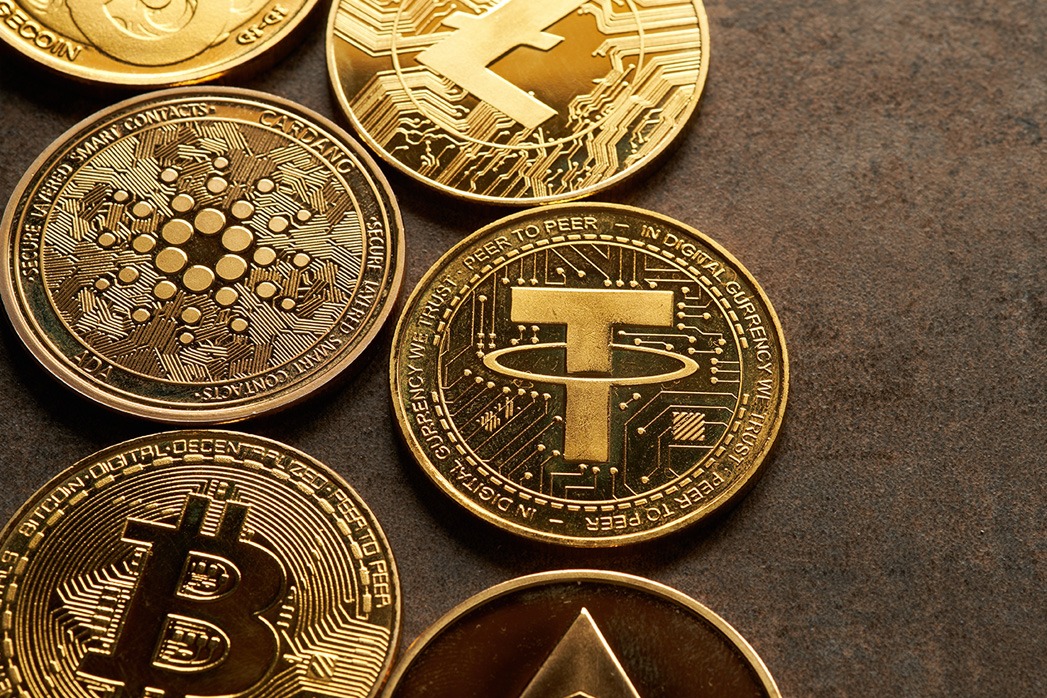
Crypto coins on gold background.

The Future of Altcoins: Navigating the Surge in Listings and Market Growth

“Markets eventually reward utility, governance, and compliance — not narratives.” — DNA Crypto.


The modern Cryptocurrency market is entering a new phase with all eyes on altcoins. The altcoin season appears promising to investors, especially with significant new listings that could drive crypto market growth. But still, what forces are behind this momentum, and how should investors manoeuvre?

What is Fuelling Altcoin’s Growth?

Typically, altcoin seasons follow specific market patterns, and 2025 presents a unique blend.

1. The Bitcoin Halving Effect

The 2024 Bitcoin halving initiated a supply scarcity pattern, historically a recipe for major bull runs. As Bitcoin’s price rose, more investors began allocating funds to alternative cryptocurrencies, driving the overall market value higher. Analysts believe the post-halving BTC period will push prices to new historical highs, prompting more alternative Cryptocurrencies.

2. Institutional and Retail Adoption

Cryptocurrency has evolved beyond its original role as a specialised investment vehicle. An increasing number of institutional investors are entering the market alongside improved EU regulatory conditions that make crypto investments safer for mainstream stakeholders.

Increasing confidence should help advance altcoin investment opportunities as the sector gains legitimacy and investors become more invested in Blockchain-based finance solutions and tokenised assets.

3. Layer-2 and Blockchain Innovations

The adoption of Ethereum’s Layer-2 networks, such as Arbitrum and Optimism, is driven by their faster, lower-cost transaction processing. The adoption of AI within Blockchain platforms shows promise in developing automated trading systems and smart contracts, while enabling decentralised application development, creating new opportunities for Blockchain innovation.

4. Macroeconomic Conditions

Global economic fluctuations, effective inflation management, and lower rates could prompt investors to accept perceived riskier assets such as alternative coins. Geopolitical turmoil drives most investors to seek a haven in decentralised finance (DeFi), among other value storage systems. Thanks to its transparency and efficiency, more people and institutions will adopt Blockchain when classical financial frameworks become uncertain.

The Surge in Altcoin Listings

Undoubtedly, Altcoin listings are becoming more prevalent across significant exchanges. Usually, surges in listings align with strong market growth. But why does this trend stand out?

  • – Increased Liquidity: More listings mean more trading opportunities that appeal to retail and institutional investors.
  • – Sector-Specific Booms: DeFi, GameFi, and AI-powered tokens are seeing increased listings, which shows strong interest in these sectors.
  • – FOMO and Market Hype: Trends in social media and influencer-driven ads amplify demand for newly listed tokens, hence, price appreciation.
  • – Network Effects and Ecosystem Growth: The more altcoins that launch, the stronger the Blockchain ecosystem will be, thus resulting in cross-chain collaborations and technological advancements.

Altcoin Investment Strategies for 2025

To navigate this market, investors should focus on structured strategies like:

1. Diversification

Diversifying investments across Layer-1 protocols, Layer-2 solutions, Layer-3 DeFi solutions, and emerging AI-driven altcoins helps traders manage their risk-to-reward ratio. The volatility of Cryptocurrency calls for portfolio diversification to reduce market risk.

2. Staying Ahead of Regulatory Changes

The EU and other jurisdictions now present clearer regulations for the crypto industry. Long-term stability requires investors to track how projects enforce compliance standards and security protocols. Knowledge of regulatory requirements helps traders protect their investments by staying up to date on changes to the legal framework.

3. Technical and Fundamental Analysis

Traders can realise high-profit investments by applying technical indicators such as RSI and MACD, along with extensive research and analytical skills. Ostensibly, community engagement, developer activity, and an altcoin’s practical functionality enable traders to assess its long-term sustainability.

4. Risk Management and Exit Strategies

Every investment requires an explicit plan to manage risks. Stop-loss strategies with planned profit exits and regular market trend monitoring better position investors for risk management during market volatility and boost their returns.

Final Thoughts

Thanks to changing macroeconomic conditions, developing institutional interests, and improving technological capabilities, altcoins will undoubtedly be more explosive in 2025. New listings entering the market require investors to stay alert, conduct research, and adjust their strategies to identify new investment opportunities.

Understanding how past markets have cycled can help investors gauge future volatility patterns. Analysts hinted that altcoin values would rapidly increase after Bitcoin’s post-halving surge. It is happening. Altcoins’ evolution is happening now—are you ready to seize the opportunity?

What specific altcoins should investors consider for 2025? How can retail investors effectively compete with institutional investors in this evolving market? What indicators or signals should investors watch for to determine the best time to enter or exit positions in altcoins? Keep posted for further articles from DNA Crypto.

Image Source: Adobe Stock

Disclaimer: This article is purely for informational purposes. It is not offered or intended to be used for legal, tax, investment or financial advice.

Read more →

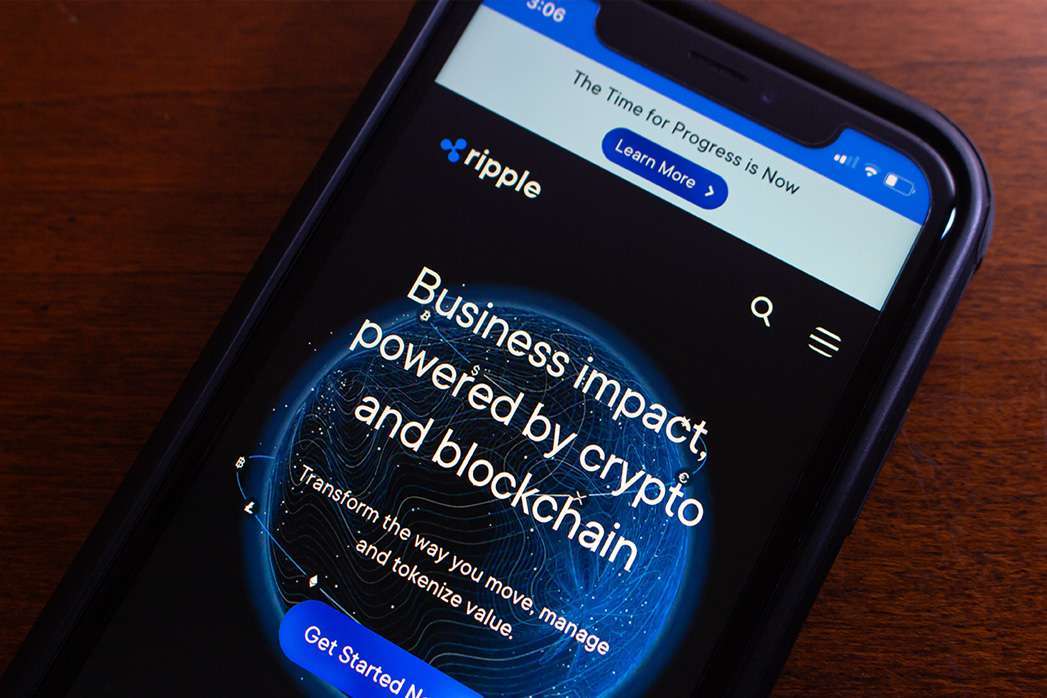
Vancouver, CANADA - Apr 30 2024 : Website of Ripple seen in an iPhone screen. Ripple (XRP) is a digital payment protocol and cryptocurrency that aims to facilitate international money transfers

XRP vs. SWIFT: Who Carries the Day?

When it comes to international money transfers, XRP is quickly taking centre stage. This comes at a time when there are intermittent discussions about XRP replacing or complementing traditional systems like SWIFT to gain traction; suffice it to say it’s important to note the…

Read more →

ripple-xrp

Ripple Labs Unlocks 1 Billion XRP

Following its protocols, Ripple, the Fintech company behind XRP Ledger (XRP) released 1billion XRP on September 1, marking the beginning of its scheduled monthly token sale. An event that was highly anticipated in the Crypto community and carries much weight in the XRP market,…

Read more →