
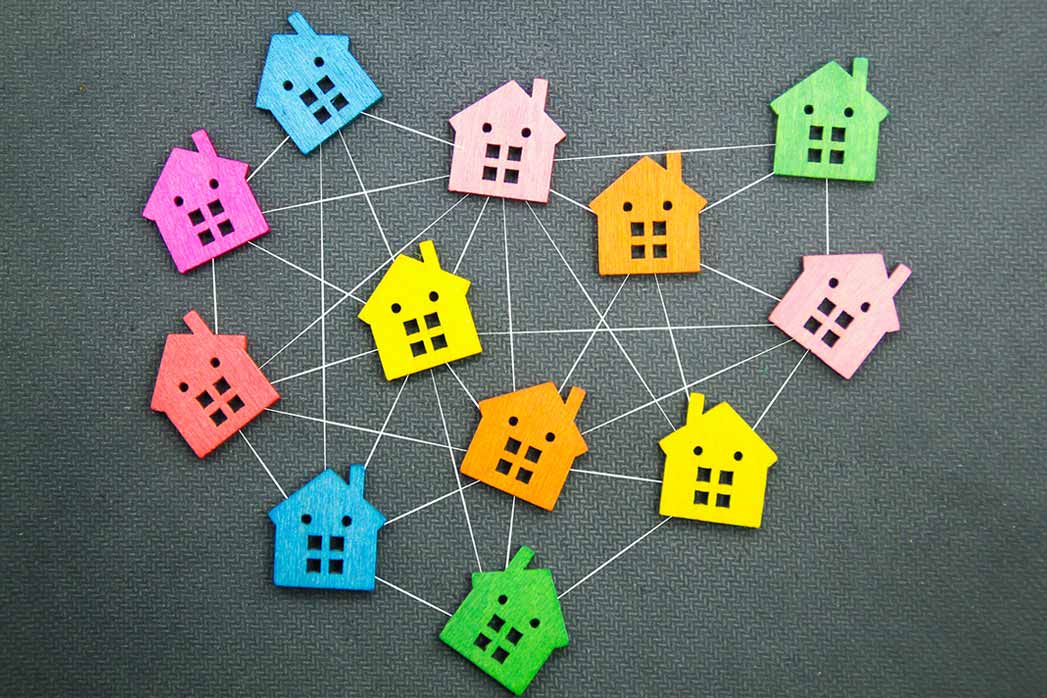
Why Tokenisation Is Powering the Next Global Property Cycle
“The next phase of property investment will not be defined purely by location or pricing. It will be defined by access, liquidity and the infrastructure moving capital globally.” DNA Crypto.
For decades, global property investment has operated through slow-moving financial systems shaped by banks, legal intermediaries and jurisdictional friction. Capital has traditionally moved unevenly across borders, with high barriers to entry and limited liquidity restricting wider investor participation.
Tokenisation is beginning to reshape that framework.
The Tokenisation of real-world assets is creating a more efficient environment for ownership, settlement, and access to capital. Property assets are gradually becoming part of a digitally connected financial infrastructure where investment participation can operate with greater flexibility and transparency.
This shift is not about replacing property markets. It is about modernising the infrastructure surrounding them.
Institutional firms are increasingly recognising this transition. The focus is moving toward systems that improve capital mobility, operational efficiency and investor accessibility across international markets.
Real-world asset tokenisation is no longer a niche topic in blockchain discussions. It is becoming part of the broader evolution of global finance.
Liquidity Is Becoming More Valuable
One of the structural weaknesses of traditional real estate markets has always been illiquidity.
Property transactions often involve:
- – Lengthy settlement periods
- – High transaction friction
- – Restricted investor flexibility
- – Significant capital requirements
- – Delayed cross-border movement of funds
Modern financial infrastructure is increasingly focused on improving liquidity and capital efficiency across global markets.
Tokenised systems may allow property investment to evolve toward:
- – Broader investor participation
- – Faster settlement structures
- – Fractional ownership access
- – Improved capital mobility
- – Digitally connected investment markets
Liquidity is becoming one of the defining themes of modern finance. Property markets are unlikely to remain isolated from that shift.
Tokenised real estate liquidity is increasingly part of the institutional conversation about the future of capital markets.
Cross-Border Capital Is Becoming Digitally Native
International investors are increasingly seeking diversified exposure across multiple jurisdictions. At the same time, digital settlement infrastructure is reducing many of the traditional barriers surrounding global transactions.
Stablecoins, blockchain settlement systems, and digital identity frameworks are contributing to a more connected financial environment in which capital movement can operate with greater speed and transparency.
This matters particularly for international property investment where transaction friction and settlement delays have historically limited efficiency.
Cross-border property tokenisation may become one of the defining infrastructure trends of the next decade.
Tokenisation Is About Infrastructure
One of the most common misconceptions about Tokenisation is that it is purely for speculative crypto markets.
The strongest adoption is increasingly occurring around infrastructure.
The focus is shifting toward:
- – Settlement efficiency
- – Compliance frameworks
- – Asset transparency
- – Capital accessibility
- – Programmable ownership systems
This explains why financial institutions, regulators and infrastructure providers are entering the digital asset sector with increasing seriousness.
The firms building compliant infrastructure today may ultimately shape how capital moves tomorrow.
Regulated tokenisation infrastructure is becoming strategically important across global markets.
The Next Property Cycle May Look Different
The significance of Tokenisation is not purely technological. It is structural.
Property investment is gradually evolving toward a more digitally connected financial environment in which ownership, liquidity, and settlement can operate more efficiently than legacy systems currently allow.
The next property cycle may not be driven solely by geography or pricing.
It may increasingly be shaped by which markets successfully integrate modern capital infrastructure.
Relevant DNACrypto Articles
- – Real-World Asset Tokenisation
- – Tokenised Real Estate Infrastructure
- – Tokenisation Infrastructure
- – Stablecoins Are the Hidden Infrastructure of Modern Finance
- – Asia and Tokenised Real Estate Leadership
Image Source: Adobe Stock
Disclaimer: This article is for informational purposes only and does not constitute financial, legal, or investment advice.
Register today at DNACrypto.co