
The Financial System Is Becoming a Network
“Financial systems are no longer defined only by institutions. Increasingly, they are defined by networks.” DNA Crypto.
The Structure of Finance Is Quietly Changing
For decades, the global financial system operated through relatively fixed structures. Banks controlled settlement, transactions moved within restricted operating hours, and capital flowed through highly centralised networks tied to national financial infrastructure.
That model is beginning to evolve.
Digital finance is introducing systems where value moves:
- – Continuously
- – Globally
- – Digitally
- – With fewer geographic limitations
This transition is reshaping how capital behaves, how liquidity flows and how ownership functions across markets.
The financial system is gradually becoming a network rather than a collection of isolated institutions.
Money Is Becoming Programmable
One of the most significant changes within digital finance is that money itself is becoming increasingly programmable.
Historically, financial transactions relied heavily on manual systems, layered intermediaries, and delayed-settlement infrastructure. Blockchain-based systems are changing this dynamic by enabling:
- – Real-time settlement
- – Automated transfer mechanisms
- – Continuous market operation
- – Cross-border financial interaction
As explored in Stablecoins working capital infrastructure, digital settlement layers are beginning to redefine how liquidity moves globally.
Bitcoin Introduced a Parallel Monetary Network
Bitcoin’s significance increasingly extends beyond price appreciation.
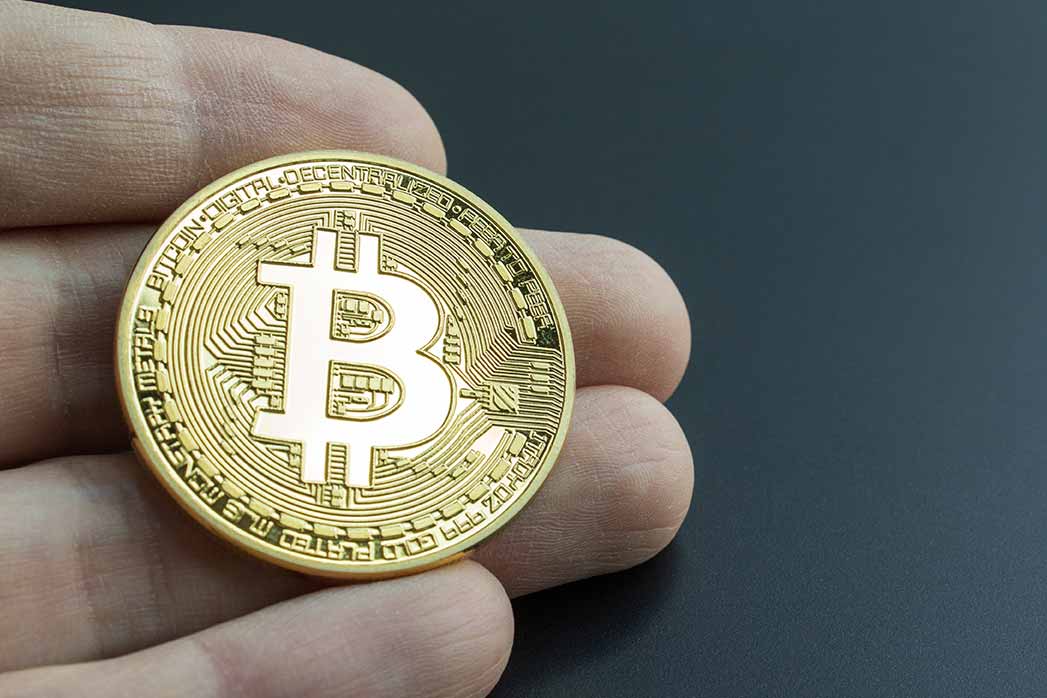
At its core, Bitcoin introduced the concept of a decentralised monetary network that operates independently of traditional banking systems.
This created an infrastructure where:
- – Ownership can remain independent
- – Settlement operates continuously
- – Liquidity moves globally
- – Access is not tied entirely to national banking structures
As explored in Bitcoin as financial infrastructure, Bitcoin increasingly functions as a digital financial layer rather than simply a speculative asset.
Stablecoins Are Reshaping Capital Movement
Stablecoins are becoming increasingly important because they combine the speed of digital settlement with price-stability mechanisms linked to fiat currencies.
This allows capital to move across markets with:
- – Reduced settlement friction
- – Faster transaction speed
- – Continuous availability
- – Increased global accessibility
As explored in Stablecoins are becoming the infrastructure of finance, digital settlement infrastructure is increasingly influencing how businesses, investors and institutions manage liquidity.
Tokenisation Connects Real Assets to Digital Infrastructure
Tokenisation is expanding this transition by connecting real-world assets directly to digital financial networks.
Historically, ownership of assets such as property, private investments and alternative assets often involved:
- – High entry barriers
- – Operational inefficiencies
- – Geographic limitations
- – Slow settlement processes
Tokenisation introduces infrastructure that can improve accessibility and ownership flexibility while integrating real assets into global digital markets.
As explored in real-world asset Tokenisation, this evolution is beginning to reshape how participation in investment markets functions.
Liquidity Is Becoming Continuous
Traditional finance largely evolved around fixed operating schedules and restricted settlement windows.
Digital networks operate differently.
Increasingly, liquidity can move:
- – Across jurisdictions
- – Outside banking hours
- – Through decentralised infrastructure
- – Without traditional settlement delays
As explored in the context of market price liquidity, liquidity itself is becoming a defining characteristic of modern financial infrastructure.
The Psychology of Finance Is Changing
This transition is not only technological.
It is behavioural.
Investors, institutions and businesses are gradually adapting to systems where:
- – Ownership becomes more direct
- – Capital becomes more mobile
- – Markets operate continuously
- – Financial participation becomes increasingly global
This changes how investors evaluate:
- – Risk
- – Liquidity
- – Access
- – Long-term financial resilience
Where DNA Crypto Sits
DNA Crypto operates within this evolving environment by supporting access to digital assets, liquidity infrastructure and Tokenisation frameworks through regulated onboarding and structured participation systems.
This positioning reflects a broader market transition in which finance increasingly operates through connected digital networks rather than isolated financial silos.
The Direction Of Travel
The financial system is not disappearing.
It is evolving.
Increasingly, the future of finance appears likely to operate through interconnected digital infrastructure where capital moves more continuously, ownership becomes more flexible and financial participation becomes more globally accessible.
This transition is still in its early stages.
But the direction of travel is becoming increasingly clear.
Conclusion
The financial system is becoming a network because digital infrastructure is changing how capital moves, how ownership functions and how liquidity operates globally.
Bitcoin, stablecoins, and Tokenisation are not isolated trends.
They are interconnected components of a broader transformation in financial infrastructure itself.
The next phase of finance may not simply digitise existing systems.
It may fundamentally reshape how the system operates altogether.
Relevant DNACrypto Articles
- – Stablecoins working capital infrastructure
- – Bitcoin as financial infrastructure
- – Stablecoins are becoming the infrastructure of finance
- – Real-world asset Tokenisation
- – Market price liquidity
Image Source: Adobe Stock
Disclaimer: This article is for informational purposes only and does not constitute financial, legal, or investment advice.
Register today at DNACrypto.co