

Blockchain symbols forming a glowing circle around a secure bitcoin coin in a digital environment highlighting modern cryptocurrency technology.

Most Investors Don’t Own Bitcoin. They Own Exposure.

“Panic begins when access is conditional.” DNA Crypto.

The Behaviour Stress Always Exposes

In calm markets, exposure feels like ownership—ETFs track price. Funds report NAV. Derivatives settle profit and loss. Nothing feels fragile until stress arrives. Then markets stop rewarding intent and start rewarding control.

Exposure Is Not Ownership

There are two very different ways investors interact with Bitcoin. One is ownership. The other is exposure. ETFs, synthetics, structured products, and funds offer price participation without direct control. They depend on intermediaries, settlement windows, and policy discretion. Direct Bitcoin ownership does not. This distinction is explored in Bitcoin ETF vs Direct Ownership.

Where Liquidity Actually Breaks

When markets tighten, liquidity does not vanish everywhere at once. It vanishes first at the wrapper layer.

  • – ETF creations and redemptions slow
  • – Margin requirements tighten
  • – Synthetic exposure becomes constrained

Bitcoin itself continues to settle. This sequencing explains why stress feels sudden and confusing, a pattern analysed in Bitcoin Liquidity Squeeze.

Panic Is a Function of Conditional Access

Investors panic not because prices move. They panic because they discover access is conditional.

  • – Withdrawals require approval
  • – Settlement is delayed
  • Counterparties impose gates

That moment triggers fear, regardless of conviction. This is the counterparty risk described in The Real Counterparty Risk in Bitcoin Is Access.

Bitcoin Didn’t Change. The Access Model Did.

Bitcoin did not become less reliable under stress. Ownership remained verifiable. Settlement remained final. Transfers required no permission. What changed was the wrapper around Bitcoin. This is why Bitcoin increasingly behaves like infrastructure rather than a trade, as outlined in Bitcoin as Financial Infrastructure.

Why Institutions Nod at This Distinction

Institutions separate exposure from ownership instinctively. They know that:

  • – Balance sheet assets must be controllable
  • – Liquidity must be executable under stress
  • – Custody design matters more than pricing

This is why institutional conversations centre on custody and continuity, not narratives, as discussed in Bitcoin Custody and Continuity.

Why Traders Argue

Traders focus on mark-to-market. Institutions focus on convertibility. Exposure that cannot be exercised under stress was never ownership. It was a lease. Liquidity events make that distinction unavoidable.

Identity Is the Real Trigger

This debate cuts deeper than price. It forces a question investors rarely ask directly. Do I own this asset, or am I renting access to it? That question explains behaviour far more accurately than sentiment or narratives.

A Clear Conclusion

Most investors do not panic because Bitcoin moves. They panic upon discovering that they never owned it in the first place. Bitcoin did not change. The access model did. Understanding that difference separates exposure from ownership and explains why stress always reveals the truth.

Relevant DNA Crypto Articles

Image Source: Adobe Stock Disclaimer: This article is for informational purposes only and does not constitute investment, legal, or tax advice. Register today at DNACrypto.co

Read more →

Ethereum Coins and Dollar bills.

In Volatile Markets, Tokenisation Is About Capital Control

“In uncertainty, control matters more than performance.” DNA Crypto.

Why Yield Stops Being the Question

During calm markets, investors debate returns. During volatile markets, they debate control. Family offices do not panic when prices move. They become cautious when capital access is uncertain, governance is unclear, or liquidity is discretionary. This is why tokenisation resonates most during stress, not booms.

Control Is a Psychological Anchor

UHNW investors think in generations, not quarters. Their primary concerns are:

  • – Who controls access to capital
  • – Under what rules liquidity appears
  • – How governance survives disputes and audits

Yield is secondary when these questions are unresolved. This mindset is explored in How Family Offices Treat Bitcoin and Family Office Bitcoin Strategy.

What Tokenisation Actually Enables

Tokenisation is often marketed as access or democratisation. For serious capital, its real value is structural control. Tokenised systems enable:

  • – Selective liquidity without forced sales
  • – Rule-based access rather than discretionary approvals
  • – Clear governance encoded at the asset level

This is why tokenisation increasingly appears in balance-sheet discussions, not product pitches, as outlined in Tokenised Capital.

Selective Liquidity Beats Continuous Liquidity

Family offices do not want assets to be liquid at all times. They want liquidity on their terms. Tokenisation allows liquidity windows to be defined, controlled, and reported without sacrificing ownership or long-term strategy. This solves the frozen capital problem described in Tokenised Real Estate and Frozen Capital.

Governance Is the Real Product

The most valuable feature of tokenisation is not tokens. It is governance clarity. Rules around transfers, participation, reporting, and succession are explicit rather than inferred. This reduces ambiguity precisely when markets are unstable. This governance-first framing aligns with Why Tokenisation Changes How Finance Wins.

Why This Mirrors Family Office Thinking

Family offices design structures to remove uncertainty before it becomes a problem. Tokenisation fits because it:

  • – Reduces dependence on intermediaries
  • – Makes rules explicit
  • – Preserves optionality without sacrificing control

This is not innovation for its own sake. It is infrastructure alignment.

Control Is the New Alpha

In volatile markets, outperformance is fragile. Control endures. Tokenisation does not promise higher returns. It promises fewer unpleasant surprises, which is exactly what serious capital values when volatility rises.

A Quiet Conclusion

Tokenisation succeeds not because it creates yield. It succeeds because it restores control. For family offices navigating uncertainty, that distinction explains why tokenisation has moved from experiment to architecture.

Relevant DNA Crypto Articles

Image Source: Envato Stock 

Disclaimer: This article is for informational purposes only and does not constitute investment, legal, or tax advice. Register today at DNACrypto.co

Read more →

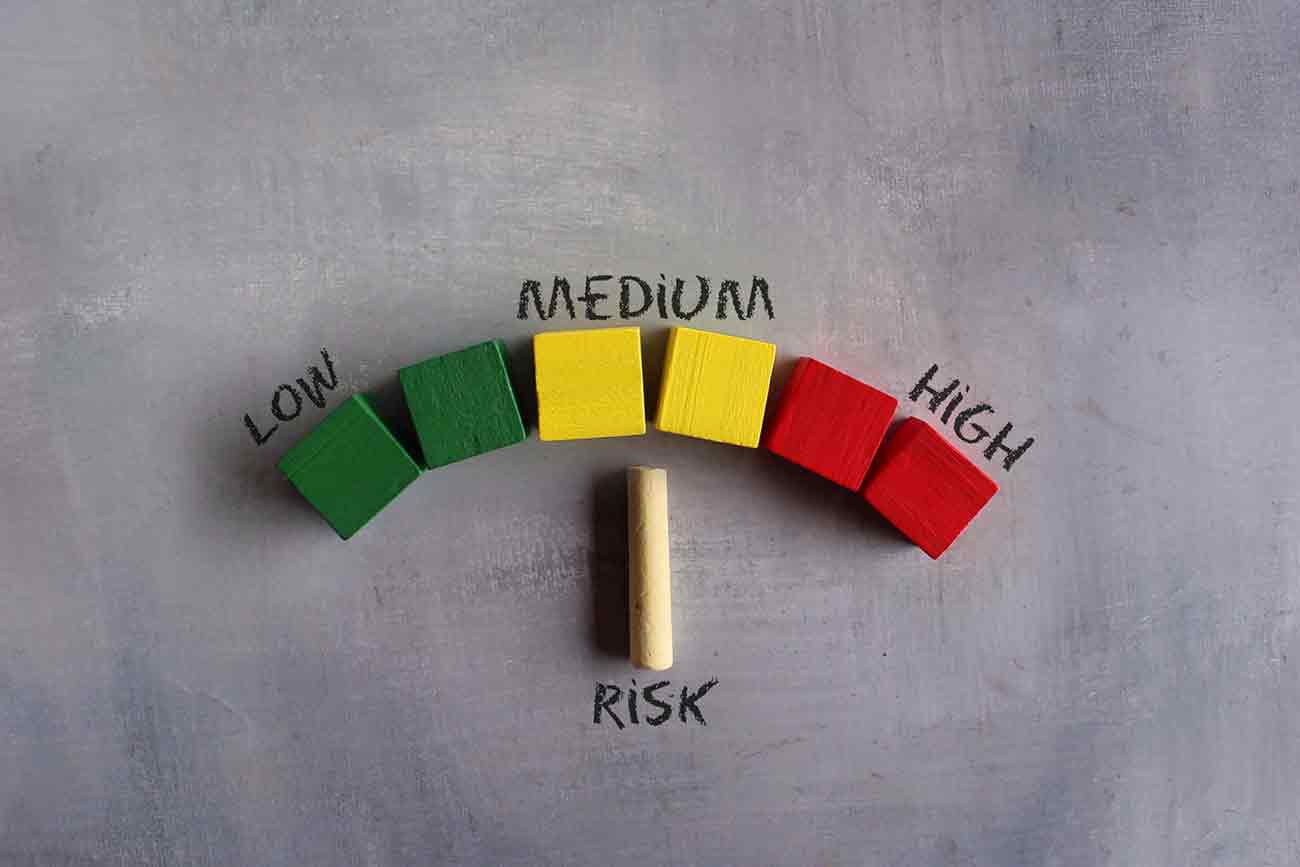
Colourful wooden cubes and chalkboard.

The Problem Isnt Bitcoin. Its That the Financial System No Longer Knows Where Risk Lives

“Markets are not confused. The models describing them are.” DNA Crypto.

The Feeling People Struggle to Name

Across markets, something subtle has shifted. People are not panicking. They are uneasy. Confidence is eroding not just in crypto, but in equities, bonds, and institutions that once felt predictable. The usual explanations no longer satisfy. That feeling has a cause.

This Was Not a Bitcoin Crisis

Bitcoin did not trigger the stress. Correlations broke everywhere. Liquidity vanished where it was assumed to be guaranteed. Risk models failed simultaneously across asset classes. That is not a crypto event. It is a risk-location failure. This same pattern is examined in Markets Price Liquidity.

What the Old System Assumed

Legacy financial systems rely on assumptions that worked in a slower world.

  • – Risk can be inferred from historical correlations
  • – Liquidity exists because it existed before
  • – Intermediaries see and manage aggregate exposure

Under stress, all three assumptions collapsed together. This is why everything moved at once.

Correlation Failure Is a Signal, Not a Surprise

When diversification fails everywhere at the same time, it is not panic. It is the system revealing that risk was never distributed the way models suggested. Liquidity was assumed, not engineered. This failure is explored further in Bitcoin Liquidity Squeeze.

Where Risk Actually Lived

Risk was not sitting in prices. It was sitting in:

  • – Custody dependencies
  • – Withdrawal gates
  • – Settlement delays
  • – Counterparty discretion

When stress arrived, these frictions surfaced immediately. This access fragility is detailed in The Real Counterparty Risk in Bitcoin Is Access.

Why Bitcoin Feels Different Without Being Sold

Bitcoin does not predict risk. It exposes it. Ownership is visible. Settlement is continuous. Dependencies are explicit. That does not make Bitcoin a trade. It makes it a diagnostic reference point, a theme developed in Bitcoin as Financial Infrastructure.

This Is Why Investors Feel Lost

Investors did not miss signals. The signals were never present in the models they were shown. Risk was assumed away through averages, smoothing, and historical comfort. When those abstractions failed, confidence collapsed quietly. This is why people struggle to articulate what feels wrong.

Not a Crisis of Assets. A Crisis of Understanding.

This moment is not about which asset wins. It is about whether the system can honestly answer a basic question. Where does risk actually live when stress arrives? Until that question is answered, confidence will continue to erode regardless of price direction.

Why This Changes the Conversation

This reframing does not ask investors to believe in anything new. It asks them to notice what just happened. Bitcoin does not need evangelism here. It already revealed the problem by existing differently.

A Quiet Conclusion

The problem is not Bitcoin. The problem is that the financial system no longer knows where its own risk resides. Markets did not lie. The abstractions describing them did. Understanding that difference is the first step toward rebuilding trust.

Relevant DNA Crypto Articles

Image Source: Envato Stock

Disclaimer: This article is for informational purposes only and does not constitute investment, legal, or tax advice. Register today at DNACrypto.co

Read more →