
City view panorama of Boston Harbour and Seaport Blvd at night time, Massachusetts. Decentralized economy. Building exteriors of financial downtown.

From Paper to Protocol: Why Real-World Asset Tokenisation Is Becoming Inevitable

“Markets evolve when infrastructure finally catches up with capital.” — DNA Crypto.

For decades, capital markets have relied on infrastructure built for a paper-based world. Trades take days to settle. Reconciliation consumes time and capital. Opacity creates counterparty risk that becomes visible only when something breaks.

Tokenisation does not promise to reinvent finance. It promises something more critical. It modernises the plumbing.

As explored in Real-World Asset Tokenisation in 2025, institutions are no longer asking whether Tokenisation works. They are asking how quickly it can be deployed safely.

Why Traditional Capital Markets Are Structurally Broken

Despite decades of digitisation, most capital markets still rely on fragmented ledgers and intermediaries. Settlement delays, typically T+2, lock up capital and increase counterparty exposure. Reconciliation costs are embedded throughout the system, while transparency remains limited to trusted intermediaries.

These inefficiencies are not theoretical. They represent real economic drag. Capital that could be deployed productively instead sits idle while systems catch up.

Tokenisation addresses these problems at the infrastructure level.

How Tokenisation Changes the Economics

Tokenised assets settle on shared ledgers, reducing reliance on multiple reconciled records. This directly lowers counterparty risk because ownership and settlement are synchronised.

The impact is measurable:

  • – Settlement moves from days to near-instant
  • – Capital lock-up is reduced
  • – Operational risk declines
  • – Transparency improves across the lifecycle of an asset

These efficiencies are discussed in The Rise of Real-World Assets, where DNACrypto explains why infrastructure upgrades, rather than speculation, are driving adoption.

Why This Time Is Different

Previous waves of “Blockchain for finance” failed because they sought to circumvent regulation or supplant existing institutions. This cycle is different.

Tokenisation today is being developed inside regulatory frameworks, not outside them. Institutions are building compliant rails rather than experimental side projects.

As highlighted in Tokenisation in 2025, real adoption follows regulation, not ideology.

The Role of Regulation in Unlocking Adoption

Europe is emerging as a global leader in regulated Tokenisation. MiCA provides legal clarity, while the DLT Pilot Regime allows regulated experimentation with tokenised securities.

This combination enables institutions to test absolute issuance, settlement and custody models without regulatory ambiguity. It is a critical shift from proof of concept to production.

DNACrypto examines this transition in Tokenised Assets and Tokenising the Real World.

Why Tokenisation Starts with Bonds, Funds and Private Credit

Equities are complex. They involve voting rights, corporate actions and layered governance. Bonds, funds, and private credit are easier to digitise and already operate on standardised cash flows.

This makes them ideal candidates for early Tokenisation. Issuers gain efficiency. Investors gain transparency. Platforms gain scale.

BlackRock’s approach, analysed in BlackRock’s Tokenisation Vision, reflects this logic. Start with instruments where efficiency gains are immediate and risk is manageable.

The DNA Crypto View

Real-world asset Tokenisation is not a trend. It is an infrastructure upgrade. Markets that rely on paper-era systems will gradually be outcompeted by those that adopt programmable, regulated settlement layers.

This shift mirrors the transition from physical to digital money. As discussed in Digital Gold 2.0, capital follows efficiency once trust and regulation are in place.

Tokenisation will not replace capital markets. It will finally allow them to function as modern systems should.

Image Source: Adobe Stock
Disclaimer: This article is for informational purposes only and does not constitute legal, tax or investment advice.
Register today at DNACrypto.co

Read more →

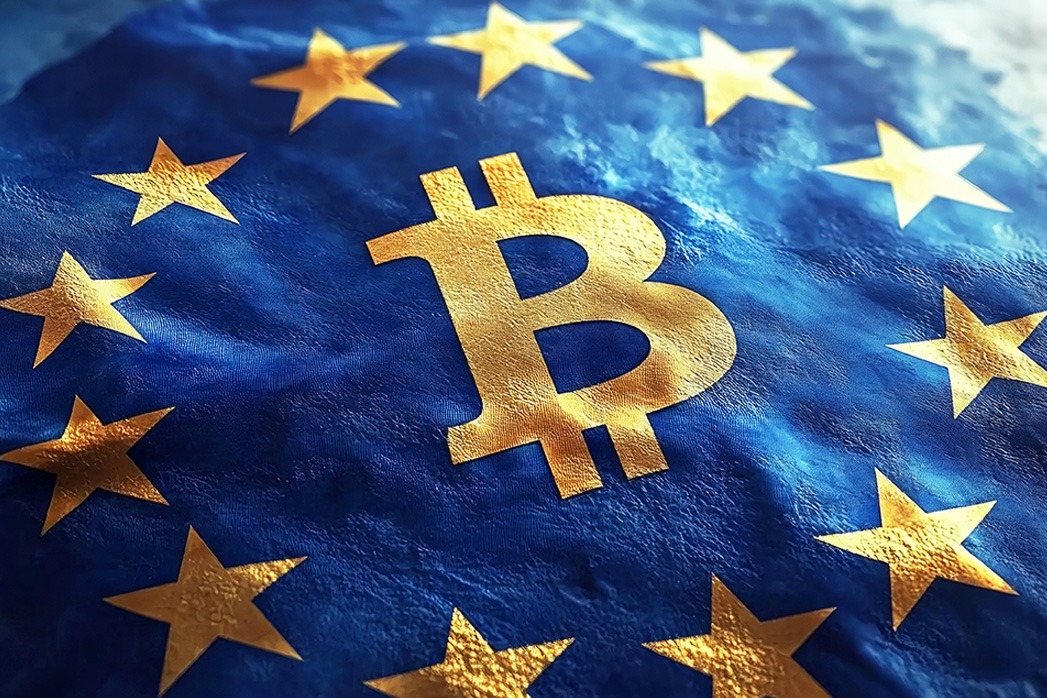
The Bitcoin symbol is placed beside the European Union flag, illustrating Europe's approach to cryptocurrency regulation, legalisation, and trade.

The Bitcoin Retirement Strategy: Why Europeans Are Adding BTC to Long-Term Portfolios

Retirement planning in Europe is changing faster than many investors realise. Inflation, rising living costs, and declining confidence in pension systems are forcing individuals to rethink how to protect long-term wealth. For the first time, Bitcoin is becoming part of that conversation.

– Not as a speculative trade.
– Not as a replacement for pensions.
But it is a long-term savings instrument with properties that traditional retirement assets increasingly lack.

Why Bitcoin Belongs in Long-Term Portfolios

European retirement systems face structural headwinds. Demographic pressure continues to strain pay-as-you-go models. Interest rates, while higher than recent years, still struggle to deliver consistent real returns. Inflation quietly erodes purchasing power. Bonds no longer provide the protection they once did.

Bitcoin offers a counterweight. Its supply is finite. It cannot be diluted. It trades globally, independent of national pension systems. Governance is decentralised and predictable.

This places Bitcoin alongside assets traditionally used to protect long-term purchasing power. DNACrypto explores this comparison in Bitcoin vs Gold and Bitcoin as Digital Gold 2.0, where scarcity and durability are central themes.

Bitcoin is not a pension substitute. It is a hedge against pension fragility.

The 1–3% Strategic Allocation Model

European financial advisers are increasingly approaching Bitcoin conservatively. Rather than chasing volatility, they focus on asymmetric upside within disciplined frameworks.

Common models include:

  • – One to three percent allocation within long-term portfolios
  • – Automated monthly contributions
  • – Cold storage or regulated custody
  • – Hybrid structures combining Bitcoin, index funds and real assets

This approach allows exposure to Bitcoin’s long-term appreciation potential while limiting downside volatility. Similar logic underpins corporate adoption, as discussed in Bitcoin Treasury 2.0 and Corporate Crypto Treasuries.

Why Regulators and Pension Providers Are Paying Attention

Regulatory developments are reshaping how Bitcoin fits into long-term wealth structures. MiCA, combined with evolving pension legislation and investment product design, signals growing acceptance of digital assets in regulated frameworks.

In the United States, Bitcoin ETFs have already made retirement exposure simpler. DNACrypto analyses this shift in Bitcoin ETFs and Bitcoin ETF vs Direct Ownership.

Europe is moving more cautiously, but the direction is clear. Pension wrappers, workplace savings schemes and regulated investment vehicles are gradually opening the door to Bitcoin exposure.

Bitcoin as a Multi-Decade Asset

Retirement investing demands specific characteristics. Assets must be scarce, durable and predictable across decades.

Bitcoin meets these criteria. Its issuance schedule is fixed. Its network has operated continuously for more than a decade. Its role as a non-sovereign store of value strengthens as fiat currencies expand.

As explored in Bitcoin as Sovereign Wealth and Bitcoin Acts as Disaster-Proof Money, Bitcoin’s resilience matters most over long horizons, not short-term cycles.

For retirement planning, time is the advantage. Bitcoin is increasingly being viewed as an asset designed to operate on that same scale.

The DNA Crypto View

The Bitcoin Retirement Strategy reflects a broader shift in how Europeans think about long-term security. Traditional systems are under pressure. Scarce, global and non-dilutive assets are gaining relevance.

A small, disciplined allocation to Bitcoin can complement pensions, index funds and real assets. It is not about replacing existing structures. It is about reinforcing them against decades of uncertainty.

For further reading, explore European Bitcoin Adoption and Bitcoin vs Real Estate to understand how long-term capital is repositioning.

Image Source: Adobe Stock
Disclaimer: This article is for informational purposes only and does not constitute legal, tax or investment advice.
Register today at DNACrypto.co

Read more →

Digital currency concept featuring a bitcoin against a background of a modern city landscape

Bitcoin vs Real Estate: Which Is the Better Store of Value in the Modern Economy

“Bitcoin is a global asset. Property is a local constraint.” — DNA Crypto.

For generations, property has been viewed as the cornerstone of long-term wealth. It delivered stability, physical utility and reliable appreciation in many markets. Yet the modern economy has shifted. Mobility, digital infrastructure and global capital flows have changed how investors evaluate stores of value.

Bitcoin has emerged as a credible alternative, not because it replaces property, but because it offers something real estate cannot: instant liquidity, global portability and predictable scarcity.

Investors now ask a simple question.
Where does wealth grow best over time, in property or in Bitcoin?

Real Estate: Stable, Familiar and Slow

Real estate still provides essential advantages. It delivers utility, rental income in some regions and can be leveraged for financing. Properties tend to retain value over the long term and remain deeply embedded in traditional wealth strategies.

However, real estate also carries significant drawbacks. Maintenance costs increase over time. Transaction fees remain high. Tax burdens can be unpredictable. Properties are illiquid and geographically concentrated. In periods of economic stress, liquidation becomes slow and uncertain. These factors complicate wealth preservation in a world where mobility and speed matter more each year.

For a broader context on how institutional portfolios manage traditional assets, see Bitcoin as a Treasury Strategy.

Bitcoin: Volatile, Portable and Globally Liquid

Bitcoin represents a different value profile. It offers portability across borders, instant liquidity and a fixed supply. There is no maintenance, no tenant exposure and no dependency on local market cycles. Bitcoin is priced globally rather than locally, which removes geographic concentration risk. It can be sold at any time within seconds.

Bitcoin’s long-term trend has outperformed every traditional asset class over the past decade. Despite volatility, its trajectory as a scarce digital asset has supported its role as a modern store of value, particularly for investors who prioritise sovereignty, mobility and global access.

For further insight into this trend, explore Discreet Bitcoin Accumulation.

The Wealth Equation: How Value Is Preserved

Property preserves wealth reliably but often grows slowly. It is effective for steady compounding and can support cash flow through rentals. Bitcoin, by contrast, delivers asymmetric upside. It acts as a hedge against monetary expansion and offers long-term appreciation potential that real estate cannot match.

The decision for investors often comes down to priorities.
– Property provides tangibility and stability.
– Bitcoin provides scarcity and mobility.

Both can store value. Only one functions as a global asset with no attachment to a single jurisdiction.

The New Investment Model: Real Estate Plus Bitcoin

Many sophisticated investors now combine both assets. Real estate provides income and durability. Bitcoin offers appreciation potential, liquidity, and cross-border resilience.

A dual allocation diversifies:

– Currency exposure
– Location risk
– Liquidity requirements
– Macroeconomic uncertainty

Property builds slow, steady wealth.
Bitcoin builds scalable, asymmetric wealth.
Both matter, but Bitcoin’s role is expanding as the financial world becomes more digital and global.

For a deeper understanding of regulated custody and institutional adoption, see MiCA and The Rise of Regulated Custody.

Image Source: Adobe Stock
Disclaimer: This article is for informational purposes only and does not constitute legal, tax or investment advice.
Register today at DNACrypto.co

Read more →

Bitcoin coin burning and falling through dark stormy sky.

Bitcoin as Disaster-Proof Money: Why BTC Thrives When Traditional Systems Fail

“When systems fail, sovereignty survives.” — DNA Crypto.

When traditional financial systems break, people quickly learn what money truly represents. It is not a number on a bank screen or a balance tied to an institution. It is not a promise that can be frozen, restricted or devalued overnight. In moments of crisis, money becomes something particular. It becomes access to value that remains under your control.

This is where Bitcoin has repeatedly demonstrated resilience that banks, payment processors, and national currencies cannot match. Over the past decade, Bitcoin has proven itself as a disaster-proof form of money, not because it is flawless, but because it is sovereign and independent of the systems that fail during crises.

When Banks Fail, Bitcoin Continues to Function

Around the world, financial collapses have pushed citizens to seek alternatives when their own systems could no longer protect their savings. The examples are numerous.


– Lebanon faced a banking collapse that froze accounts and imposed strict withdrawal limits.
– Turkey experienced rapid inflation and currency depreciation, which destroyed purchasing power.
– Nigeria experienced cash shortages and capital controls that prevented basic withdrawals.
– Ukraine relied on Bitcoin to move value across borders during wartime evacuation.
– Argentina continues to battle inflation that erodes real savings.

In each case, Bitcoin was not used for speculation.
It was used for survival.


Bitcoin offers characteristics that remain intact during crises:

  • – Movement across borders without permission
  • – Private keys that cannot be confiscated
  • – No withdrawal limits
  • – No bank holidays or closures
  • – No capital control restrictions
  • – Instant global liquidity

Traditional finance fragments under extreme stress. Bitcoin performs precisely the same under stress as it does every day.

For more on how institutions view Bitcoin during macro volatility, see Bitcoin as a Treasury Strategy.

The Power of Sovereign Money

Being disaster-proof does not mean Bitcoin eliminates risk. Price volatility exists and will continue. Yet in critical moments, the question is not price performance. The question is access.

Bitcoin remains:

  • – Uncensored
  • – Unseizable without private keys
  • – Independent of jurisdiction
  • – Unaffected by political events
  • – Outside the reach of failing banking systems

These properties have already changed how NGOs deliver aid, how refugees transport savings, how citizens bypass capital controls and how families preserve wealth in unstable environments.

For further insight into institutional behaviour during crises, explore Discreet Bitcoin Accumulation.

Why Investors Must Pay Attention

Disaster-proof money is not only relevant to people in severe crises. It is appropriate for investors who understand that financial systems fail long before assets do.

Recent years have shown:

  • – Regional banking failures
  • – Currency devaluations
  • – Inflation shocks
  • – Geopolitical conflicts
  • – Payment system outages
  •  

Bitcoin is the only asset that continues functioning across all of these scenarios. This is not because it is speculative. This is because it is sovereign.

Europe’s Perspective on System Resilience

Recent geopolitical and economic challenges have shifted the mindset of European institutions and investors. Resilience has become a core investment consideration. Bitcoin provides cross-border liquidity, portfolio insurance and a hedge against systemic fragility. It functions as a non-sovereign reserve asset, which becomes valuable when domestic systems show weakness.

For clarity on Europe’s regulatory progression, see MiCA and the Rise of Regulated Custody.

Investors now increasingly recognise the importance of holding wealth in a form that cannot be frozen, censored or inflated away.

Image Source: Adobe Stock
Disclaimer: This article is for informational purposes only and does not constitute legal, tax or investment advice.
Register today at 
DNACrypto.co

Read more →

Businessman In a Suit Standing on a heap of Golden Coins Heap In a Gray Concrete Interior. Finance And Success.

Stablecoin Risk in 2025: What Investors Must Know About Freezes, Collateral and Regulation

“Bitcoin is transparent and sovereign. Stablecoins are not.” — DNA Crypto.

Stablecoins now process trillions in settlement volume, yet Stablecoin risk considerations for 2025 are often misunderstood. The surface promise of stability hides significant structural differences between issuers. As European oversight tightens under MiCA Stablecoin regulation, investors must understand how freezes, collateral quality and jurisdiction can affect the reliability of their digital dollars.

Understanding these Stablecoin risks is no longer optional. It is essential for trading, treasury management and cross-border transfers.

Freeze Risk: The Most Overlooked Threat

Most fiat-backed Stablecoins include a built-in freeze function. This puts users at direct risk of USDC freezing, where the issuer can freeze a wallet, block transfers, or even revoke tokens. Circle openly documents this capability, and it is used in response to sanctions, fraud investigations, and compliance actions.

The same applies to USDT reserve risk scenarios, where the issuer’s operational decisions can restrict the movement of funds. Many users still assume Stablecoins behave like digital cash, yet the presence of issuer control demonstrates that they do not.

This stands in sharp contrast to Bitcoin’s open, permissionless architecture, highlighted in Why Institutions Prefer OTC Bitcoin.

Collateral Risk: Not All Backing Is Equal

A Stablecoin is only as reliable as the reserves behind it. This is why Stablecoin reserve transparency and proof-of-reserves reporting have become central themes in Stablecoin risk analysis.

Two primary collateral models exist:

  • – Fiat-backed reserves held in banks, treasury bills or money market funds
  • – On-chain collateral, such as DAI, which is backed by crypto assets and therefore exposed to volatility

The core risks include banking failures, poor-quality collateral, liquidity mismatches and issuer insolvency. These are well-documented Stablecoin risk factors and remain a concern when reserve composition is unclear.

MiCA introduces a step change in standards. Under MiCA Stablecoin regulation, issuers must provide daily reserve updates, operate with independent custody arrangements, maintain segregated assets and guarantee redemptions. Many globally used Stablecoins still do not satisfy these requirements.

Europe’s regulatory framework is moving closer to traditional financial governance, as explored in MiCA and the Rise of Regulated Custody.

Smart Contract Risk

Algorithmic Stablecoins continue to present the highest level of systemic risk. Failures such as UST, USDN, IRON and Basis demonstrated how fragile these mechanisms can be. These collapses occurred due to inadequate collateral, flawed design and liquidity reflexivity.

Even fiat-backed coins can be vulnerable to smart contract exploits. Bridge exploits, contract bugs and technical misconfigurations can disrupt redemptions or create temporary de-pegs. These issues remain part of the broader Stablecoin risks landscape.

Jurisdictional Risk

Jurisdiction shapes the level of oversight, investor protection and enforcement. Switzerland is known for transparency and strong reserve frameworks. Europe offers structured protections through European Stablecoin rules and enforceable compliance under MiCA. The United States maintains strong regulatory tools but has periods of uncertainty, particularly around enforcement priorities. Offshore jurisdictions remain the most unpredictable, often offering minimal transparency and weak safeguards.

Jurisdiction ultimately influences both Stablecoin solvency and long-term user confidence.

Red Flags Investors Must Monitor

Specific signals should prompt immediate caution:

  • Inconsistent or missing audits
  • – No regulatory supervision
  • – Unclear reserve composition or incomplete reserve reporting
  • – Undisclosed freeze authority
  • – High inflows or outflows without explanation
  • – No named banking partners.
  • – Issuers based in grey or unstable jurisdictions


When issuers fail to publish Stablecoin reserve transparency updates or provide proof of reserves, this should raise concerns about the asset’s stability.

The DNA Crypto View

Stablecoins remain powerful tools for liquidity, settlement and treasury operations. Yet they must be treated as financial instruments rather than simple digital cash. This requires ongoing education, disciplined risk management and proper regulatory frameworks.

For institutional readers exploring strategic digital asset allocation, see Bitcoin as a Treasury Strategy and Discreet Bitcoin Accumulation for deeper context.

Image Source: Adobe Stock

Disclaimer: This article is for informational purposes only and does not constitute legal, tax or investment advice.

Register today at DNACrypto.co

Read more →

Standing in a row of business people in the high-rise office.

Why Bitcoin Is Becoming the Preferred Reserve Asset for Family Offices

“Bitcoin secures generations. Gold stores memory.” — DNA Crypto.

Family offices manage significant global wealth and are increasingly taking a long-term view of Bitcoin as a strategic reserve asset. Inflation concerns, shifting macroeconomic conditions, and generational planning are pushing investment committees to reassess their allocations. Bitcoin, with its predictable supply and global accessibility, now fits within these evolving priorities.

For background on institutional digital asset behaviour, see Discreet Bitcoin Accumulation

Why Family Offices Prefer Inflation-Resistant Assets

Cash, bonds and other traditional assets continue to face pressure from rising inflation. For family offices responsible for protecting capital over several generations, preserving real purchasing power is essential.

Bitcoin offers a supply cap, transparent issuance and global portability. These features provide predictable long-term characteristics that are attractive for wealth preservation. Several family offices now adopt phased allocation frameworks, often in the 1-5% range, as part of a diversified inflation hedge.

For a wider view of how institutions use Bitcoin for long-term treasury planning, see Bitcoin as a Treasury Strategy.

Bitcoin vs Gold in Long-Term Portfolios

Gold has historically been the primary store of value, but it presents operational and logistical limitations. It is costly to store, difficult to move and slow to transfer across borders.

Bitcoin offers portability, verifiable scarcity and transparency. It can be transferred globally within minutes and audited easily. This level of flexibility aligns well with the needs of globally active family offices. As portfolios become more digital and multi-jurisdictional, Bitcoin is increasingly viewed as a suitable modern counterpart to gold.

Custody, Governance, Taxation and Risk Frameworks

Family offices place high importance on governance and risk management. Modern custody solutions now provide multisignature security, documented procedures, and succession-planning support. Advisors specialising in digital assets also help families establish estate structures, tax-compliant frameworks and long-term governance models.

These operational improvements make it easier for family offices to treat Bitcoin as part of a traditional portfolio structure. As noted in Why Institutions Prefer OTC Bitcoin , the shift toward regulated custody and structured governance is a critical step toward institutional-grade adoption.

Why Europe’s Regulatory Clarity Attracts Family Offices

Europe is becoming a preferred jurisdiction for sophisticated investors because MiCA provides clear rules for custody, reporting and compliance. Family offices value predictability, and regulatory clarity simplifies decision-making. They can access regulated service providers, obtain tax guidance and operate with lower compliance risk.

MiCA also supports the development of regulated custody environments. This helps family offices integrate Bitcoin into broader reserve strategies with confidence.

For additional insight into this regulatory shift, see MiCA and the Rise of Regulated Custody

Case Studies of Early Adopters

  • A recent industry survey shows that many family offices with over $1 billion in assets have added Bitcoin or are actively considering it.

  • Several early adopters hold Bitcoin alongside private equity, venture capital and tangible assets.

  • Specialist service providers now offer inheritance planning and governance frameworks specifically designed for long-term Bitcoin holdings.

The DNA Crypto View

Family offices increasingly recognise Bitcoin as a strategic reserve asset. Its scarcity, global accessibility and suitability for generational wealth planning make it an appealing choice for families seeking resilience and diversification.

Investment committees that apply disciplined allocation, compliant custody and long-term governance can benefit from a future-ready reserve strategy. Bitcoin may well become one of the defining reserve assets for the next generation of family office portfolios.

For related institutional insights, explore Discreet Bitcoin Accumulation and Bitcoin as a Treasury Strategy.

Image Source: Adobe Stock

Disclaimer: This article is for informational purposes only and does not constitute legal, tax or investment advice.

Register today at DNACrypto.co

Read more →

Close up of metal shiny bitcoin crypto currency coins on US dollar bills. Electronic decentralized.

Bitcoin as Collateral: The New Foundation for Global Lending

“Bitcoin isn’t speculative anymore. It’s structured, sovereign, and here to stay.” — DNA Crypto.

A structural transformation is underway in global finance: Bitcoin is emerging as the next generation of pristine collateral. For decades, U.S. Treasuries dominated international credit markets. Today, institutions are increasingly treating Bitcoin as a borderless, politically neutral, and highly liquid asset suitable for underwriting global borrowing.

This shift marks Bitcoin’s evolution from an investment to a foundational layer in the digital financial system.

Why Bitcoin Is Becoming the New Collateral Standard

Investors and institutions are adopting Bitcoin as collateral because it is:

  • – Highly liquid across global markets
  • – Borderless and accessible without intermediaries
  • – Non-sovereign and therefore politically neutral
  • – Transparent, with verifiable supply
  • – Scarcity-based with immutable issuance
  • – Globally recognised and transferable
  • – Independent of credit issuers or governments

Bitcoin has zero counterparty risk, a property that no fiat instrument or government bond can replicate.

For further context on institutional trends, see the article Why Institutions Prefer OTC Bitcoin, which explains why professional investors favour transparent settlement.

Stablecoins Are Becoming the Standard Borrowing Currency

As Bitcoin becomes the preferred form of collateral, institutions increasingly borrow against it in:

  • – USDC
  • – EURC
  • – Regulated Euro Stablecoins


This structure mirrors established financial systems:

Gold = Collateral
Dollars/Euros = Liquidity

Stablecoins provide:

  • – Fast cross-border settlement
  • – Dollar or euro liquidity options
  • – Low volatility for repayment
  • Efficient collateral and margin management

In essence, Bitcoin is becoming the Digital Collateral layer, and Stablecoins are becoming the liquidity layer powering global credit markets.

Institutional Bitcoin Lending Is Accelerating

Institutions now use Bitcoin as collateral for:

  • – Corporate liquidity cycles
  • – Hedged trading positions
  • – Cross-border settlement
  • – FX risk mitigation
  • – Treasury-backed borrowing structures

With MiCA fully implemented in Europe, regulated Digital Asset lenders are expected to expand BTC-backed lending significantly between 2025 and 2026. Europe’s regulatory clarity positions it as the most predictable and secure region for institutional Bitcoin credit markets.

Related reading: MiCA and the Rise of Regulated Custody.

Why This Matters to Investors

Using Bitcoin as collateral provides investors with the ability to:

  • – Unlock liquidity without selling
  • – Avoid creating taxable disposal events (jurisdiction dependent)
  • – Retain long-term Bitcoin exposure
  • – Access capital for business or investment opportunities
  • – Participate in yield or credit-based strategies

However, the following controls are essential for responsible operations:

  • – Volatility buffers
  • – Liquidation thresholds
  • – Secure, regulated custody
  • – Clear repayment terms
  • – Counterparty risk monitoring

Institutional-grade custody providers — now regulated under MiCA — are becoming the backbone of BTC-backed lending.

For insight into how institutions are allocating to Bitcoin, see What Bitcoin ETFs Mean for Corporate Europe.

The Future: Bitcoin as Pristine Digital Collateral

Bitcoin is on a trajectory to become the standard collateral asset for:

  • – Banks
  • – OTC Desks
  • – Regulated Custody Providers
  • – Digital Credit Platforms
  • – Corporate Treasury Systems


This is how Bitcoin transitions:

  • – From investment to infrastructure
  • – From asset to collateral
  • – From speculation to settlement

The global lending system of the next decade will not be built solely on government debt. It will be built on Digital Collateral, and Bitcoin is at the centre of that shift.

Further Reading from the DNA Crypto Archives

For more insight into treasury strategy and digital asset evolution, explore:


Image source: Envato Stock

Disclaimer: This article is for informational purposes only and does not constitute legal, tax, or investment advice.https://dnacrypto.co

Read more →

Euro coin on stock chart. Financial investment concept.

Euro Stablecoins Are Coming: How EURC and EMTs Will Transform Payments in Europe

“As MiCA unfolds, euro-denominated Stablecoins will be the most tightly regulated digital cash instruments on the planet. Europe isn’t just catching up — it’s creating a safer, more compliant foundation for the future of money.” — DNA Crypto.

Europe’s Stablecoin Moment Has Arrived

For years, the Stablecoin market has been dominated by USD-pegged tokens. But in a region with the world’s second-largest currency, that’s about to change. With the Markets in Crypto-Assets Regulation (MiCA) now in effect, euro-backed Stablecoins — known as E-Money Tokens (EMTs) — are poised to redefine digital payments across the continent.

The arrival of EURC and other MiCA-compliant tokens marks a turning point for European fintech, banking, and blockchain adoption.

Why Europe Needs Euro Stablecoins

European commerce currently runs on:

  • – SEPA and SWIFT transfers
  • – Card networks
  • – Traditional settlement rails


These systems are:

  • – Not borderless
  • – Not 24/7
  • – Not cost-efficient

Euro Stablecoins solve this with real-time, programmable payments that cross borders and bypass bank delays.

Further reading: What Bitcoin ETFs Mean for Corporate Europe

MiCA: Building the World’s Safest Stablecoin Market

MiCA defines strict rules for EMTs:

  • – 1:1 reserve backing
  • – Daily issuance and redemption audits
  • – Redemption at par value
  • – Segregated client funds
  • – Issuance by licensed EU institutions


This makes EURC and its competitors structurally safer than any USD Stablecoin operating today. It also builds public trust in a euro-native digital payment layer.

Further reading: Bitcoin vs Digital Euro

Who Will Use Euro Stablecoins?

Adoption will come fastest from:

  • – E-commerce and payment processors
  • – Payroll platforms and remote teams
  • – B2B suppliers and invoice finance firms
  • – Remittance and cross-border payments
  • – Crypto exchanges and on/off-ramp providers

These users want stability, speed, and euro-denominated liquidity.

Why Bitcoin and Euro Stablecoins Work Together

Some see Stablecoins as a threat to Bitcoin. We don’t. At DNA Crypto, we see a complementary system taking shape:

  • – Bitcoin as a reserve asset
  • – Euro Stablecoins as the transactional layer


This enables:

  • – Seamless BTC to EUR flows
  • – More liquidity for Bitcoin users
  • – New on-chain commerce models
  • – Greater euro-zone participation in digital assets

Further reading: Bitcoin as Digital Gold 2.0

The New European Stack: Bitcoin + EURC

What gold + cash were to the 20th century, Bitcoin + Stablecoins will be to the 21st.

  • – Bitcoin for savings, settlement, and sovereignty
  • – EURC for instant commerce, payroll, and payments

Together, they offer the first genuine alternative to the legacy banking stack in Europe.

Further Reading from the DNA Crypto Archives

For more insight into treasury strategy and digital asset evolution, explore:


Image source: Envato Stock

Disclaimer: This article is for informational purposes only and does not constitute legal, tax, or investment advice.

Read more →

Bitcoin vs Stablecoins: Why Both Will Co-Exist in the New Global Financial System.

Bitcoin vs Stablecoins: Why Both Will Co-Exist in the New Global Financial System

“Bitcoin is the base layer. Stablecoins are the bridge. One preserves wealth. The other moves it. Both are essential.” — DNA Crypto.
For years, the Bitcoin vs Stablecoin debate has been framed as a battle: one must win, the other must fade. But the reality is both are evolving into key pillars of a new financial system. Not competitors — complements. Bitcoin is long-term money. Stablecoins provide short-term liquidity. Understanding their roles is essential as regulation catches up and institutions enter the digital asset space.

Bitcoin: Settlement, Savings, and Sovereignty

Bitcoin serves three core purposes:
  • – Store of value
  • – Global settlement layer
  • – Non-sovereign monetary asset
Its characteristics are unmatched:
  • – Fixed supply (21M)
  • – Permissionless and decentralised
  • – Censorship-resistant
  • – Immune to central bank policy
This is why institutions view Bitcoin as:
  • – Digital gold
  • – Collateral-grade reserve asset
  • – A hedge against fiat currency debasement
– Bitcoin is conservative by design. It’s not optimised for speed — it’s optimised for finality. That’s precisely why it works as the monetary base layer.

Stablecoins: Liquidity, Speed, and Fiat Efficiency

Stablecoins, by contrast, serve the transactional layer:
  • – Dollar or euro-denominated assets
  • – Pegged to fiat
  • – Used daily for commerce, transfers, and liquidity
Key use cases:
  • – Cross-border payments
  • – Crypto trading and on/off-ramps
  • – Merchant payments
  • – Remittances
  • – Treasury operations in unstable fiat regions
Stablecoins offer:
  • – Instant settlement
  • – Fiat-like stability
  • – Compatibility with smart contracts and DeFi
They don’t compete with Bitcoin — they complement it.

The Financial Architecture Is Evolving

Historically:
  • – Gold = base layer
  • – Fiat = transactional layer
Today:
  • – Bitcoin = base
  • – Stablecoins = payments
It’s a monetary upgrade. Programmable, digital, and global. Both assets are stronger together than apart.

Regulation Is the Catalyst

MiCA is transforming Europe into the first region with clear digital asset legislation:
  • – EMTs (e-money tokens) for euro Stablecoins
  • – ARTs (asset-referenced tokens) for other stable assets
  • – Licensed brokers and custodians for Bitcoin
This framework enables:
  • – Legal use of Stablecoins in business
  • – Compliance-ready Bitcoin acquisition for corporates
  • – Auditable reporting and treasury integration
– Clarity is driving adoption — not tribalism.

For Institutional and Retail Users Alike

This is what a mature digital economy looks like:
  • – Bitcoin protects value over decades
  • – Stablecoins move value in real-time
From wealth preservation to operational liquidity, both tools now serve distinct, complementary roles.

Further Reading from the DNA Crypto Archives

For more insight into treasury strategy and digital asset evolution, explore: Image source: Adobe Stock Disclaimer: This article is for informational purposes only and does not constitute legal, tax, or investment advice.

Read more →

Crypto currency concept - a bitcoin with euro bills.

Bitcoin Custody Is Going Global: Why Switzerland and Europe Are Winning the Long Game

“The future of Bitcoin custody won’t be about choosing one model. It will be about choosing the right jurisdictions.” DNA Crypto.

In 2025, storing Bitcoin is about more than security. It’s about regulation, geographic risk, and long-term trust.

Across Europe and Switzerland, a new global standard for custody is taking shape — one built not just on cold storage, but on compliance, insurance, and institutional-grade governance.

Why Custody Is Splitting Geographically

The United States remains a powerhouse for liquidity and ETFs. But regulatory uncertainty — and differing agency opinions — is limiting long-term institutional confidence.

In contrast:

  • – Europe provides clarity through MiCA
  • – Switzerland provides neutrality through FINMA
  • – Both offer frameworks that reduce legal, political, and operational risk

Investors are adapting. Not by fleeing the U.S. — but by diversifying custody globally.

Europe’s MiCA Custody Framework

MiCA (Markets in Crypto-Assets Regulation) delivers:

  • – Defined custodial roles and responsibilities
  • – Clear audit, insurance, and capital mandates
  • – Regulatory “passporting” across the EU
  • – Strong client asset segregation standards

This is turning Europe into the most predictable and scalable region for compliant custody.

See: Bitcoin Treasuries 2.0

Switzerland’s Vault-Like Approach to Custody

Switzerland continues to attract long-term BTC holders with:

  • – FINMA-regulated crypto custody firms
  • – Cold storage with bankruptcy protection
  • – Institutional-grade insurance pools
  • – Private banking-grade service and governance
  • – Jurisdictional neutrality and legal transparency

See: Discreet Bitcoin Accumulation

The U.S. Picture: Deep Liquidity, But Shallow Certainty

The U.S. offers the largest BTC ETF market and robust onshore demand. But custody remains:

  • – Legally ambiguous across regulators
  • – Politically charged
  • – Underdeveloped for licensed cold storage at scale

Major banks hesitate. Custodians await clarity. Investors seek backup plans.

What’s Actually Happening

Based on private conversations across the industry:

  • – Wealthy families now split custody between ETFs and Swiss vaults
  • – Fund managers use European cold storage for long-term holdings
  • – Tech entrepreneurs diversify exposure through Liechtenstein
  • – Multi-jurisdictional custody is becoming the new institutional standard

This isn’t an exodus. It’s a strategic global custody design.

See: The Great Bitcoin Divide

Hybrid Custody Models: How Institutions Actually Operate

Rather than “either/or,” institutions are embracing custody layers:

  • – Self-custody for sovereignty and direct control
  • – Europe for regulation, audit-readiness, and compliance
  • – Switzerland for long-term, ultra-secure cold storage
  • – U.S. ETFs for liquid, onshore exposure

The result? Resilience and flexibility.

See: Why Institutions Prefer OTC

What This Signals About Bitcoin’s Maturity

As Bitcoin grows, so does its risk surface.

Investors are no longer asking “how do I buy?” They’re asking “where do I store — and under which law?”

That’s why:

  • – Europe is rising as a compliant custody hub
  • -Switzerland remains the elite vault for institutional BTC
  • – The U.S. holds ETF dominance — but faces pressure to define custody rules

Bitcoin’s storage layer is evolving. And it’s happening across borders.

DNA Crypto helps institutional, family office, and high-net-worth clients structure multi-jurisdictional custody strategies — with compliant access across the EU and Switzerland.

Image Source: Envato Stock
Disclaimer: This article is for informational purposes only and does not constitute legal, tax, or investment advice.

Read more →

Bitcoin On A One Hundred Dollar Bills

Bitcoin as Sovereign Wealth: Why the Middle East May Move from Petrodollars to BTC

“Just as oil redefined wealth in the 20th century, Bitcoin is redefining sovereignty in the 21st.” — DNA Crypto.

As global trust in fiat reserves deteriorates and inflation erodes purchasing power, a quiet shift is emerging. Bitcoin — long viewed as speculative — is being reconsidered by the world’s largest capital allocators: sovereign wealth funds.

Nowhere is this more relevant than in the Middle East, where petrodollars have historically underpinned state treasuries.

But the next chapter of sovereign capital may be built on Bitcoin.

The Petrodollar Dilemma

Middle Eastern nations built extraordinary wealth through oil exports, investing proceeds into global equities, bonds, and real estate. But reliance on fiat-based assets — primarily USD reserves — has introduced risk:

  • – USD devaluation over decades
  • – Inflation is eating into long-term returns
  • – Exposure to the US monetary and foreign policy
  • – Declining trust in traditional safe havens

– The tools of the past are no longer neutral.

Why Bitcoin Belongs in a Sovereign Portfolio

Bitcoin offers a monetary asset with no counterparty risk, no inflation, and no central issuer. Its appeal to sovereign funds includes:

Fixed supply — 21 million forever
Neutrality — no government controls issuance
Portability — transferable across borders, anytime
Liquidity — deepening markets via ETFs and OTC desks
Alignment with energy — ideal for surplus monetisation

Bitcoin behaves like digital gold — but settles in seconds and integrates with modern finance.

As explored in Bitcoin Treasuries 2.0, institutional Bitcoin strategies are maturing rapidly.

Institutional Custody: Now Compliant, Now Scalable

MiCA has set a precedent for regulated custody, capital requirements, and reporting frameworks. These templates can be replicated in sovereign structures:

  • – Cold storage + insured custodians
  • – Board-approved mandates
  • – Multi-signature, geo-distributed key management
  • – Public or discreet acquisition through OTC desks

– Bitcoin is no longer a compliance risk — it’s a strategic opportunity.

MENA’s Energy Advantage

Oil-rich nations understand energy markets better than anyone. And Bitcoin is, at its core, an energy buyer.

This creates alignment between:

  • – Oil → converted to capital → stored in BTC
  • – Energy producers → mining BTC → building sovereign reserves
  • – Grid excess → monetised through Bitcoin

– As outlined in Bitcoin Mining and the Energy Shift, this synergy is already reshaping grids in Iceland, Norway, and North America. MENA is next.

The Geopolitical Shift Is Underway

Owning BTC reduces reliance on:

  • – SWIFT and legacy banking rails
  • – USD-based capital flows
  • – Sanction-prone payment networks

– In a world increasingly split between blocs, neutral settlement assets are becoming strategic.

Bitcoin is not just an investment — it’s a shield.

Why This Matters for DNA Crypto Clients

For high-net-worth individuals, family offices, and sovereign entities, DNA Crypto provides:

  • – MiCA-aligned OTC execution
  • – Regulated custody options
  • – Long-term strategic planning
  • – Complete discretion and risk-mitigation frameworks

The world’s largest capital allocators are exploring Bitcoin — and DNA Crypto is positioned to serve them.

Image Source: Envato Stock
Disclaimer: This article is for informational purposes only and does not constitute legal, tax, or investment advice.

Read more →

Cryptocurrency coin and bitcoin on a golden background.

Sound Money for the 21st Century: Why Bitcoin Alone Matters in a World of Blockchain Hype

“Bitcoin doesn’t compete with crypto. It replaces the need for it.” — DNA Crypto.

Crypto is an industry…. Bitcoin is a revolution.

– Crypto builds fast. Bitcoin builds forever.
– Crypto chases markets. Bitcoin anchors them.
– Crypto is innovation. Bitcoin is the monetary truth.

Bitcoin and crypto share tech — but not purpose.

Bitcoin: The Only Digital Asset With Monetary Finality

Bitcoin is radically different:

  • – No CEO
  • – No marketing team
  • – No venture capital pre-mine
  • – No insider allocation
  • – No central foundation

– Its rules are fixed.
– Its issuance is transparent.
– Its decentralisation is global and permissionless.

Bitcoin doesn’t adapt to narratives. It ends them.

Everything Else Requires Trust

Altcoins, Stablecoins, DeFi — all require belief in:

  • – Smart contract execution
  • – Project founders
  • – Governance teams
  • – Tokenomics experiments
  • – VC unlock schedules

As we explained in Bitcoin Isn’t Crypto — It’s the Monetary Layer, every altcoin adds complexity. Only Bitcoin removes risk.

Bitcoin doesn’t require belief in people. It involves belief in rules — and the code that enforces them.

Bitcoin as the Base Layer of Global Finance

Crypto is exploration.
Bitcoin is the endpoint.

Only one is designed to:

  • – Preserve value over generations
  • – Support sovereign treasuries
  • – Anchor balance sheets
  • – Function in hostile or fragile regimes

Bitcoin is:

  • – Math + Physics + Incentives
    Crypto is:
  • – Code + Capital + Hope

As we explored in Bitcoin for Corporate Europe, institutions are not building on speculation — they’re building on certainty.

Why This Matters to Europe

Europe doesn’t need more speculation.
It needs monetary tools with:

  • – Regulatory clarity
  • – Long-term resilience
  • – Political neutrality

MiCA delivers that — by legally distinguishing Bitcoin from altcoins.

Across the continent, brokers, custodians, and banks are offering Bitcoin-only services. Not because of hype — but because of need.

Europe’s Quiet Bitcoin Revolution is already underway.

The Future: Bitcoin Is the Bedrock

Projects fade. Tokens die. Chains fork. Narratives shift.

Bitcoin remains.

It doesn’t chase markets — it anchors them.
It doesn’t need permission — it creates sovereignty.
It doesn’t hype its way forward — it earns trust block by block.

The future of finance won’t be built on hype.
It will be built on Bitcoin.

Image Source: Envato Stock
Disclaimer: This article is for informational purposes only and does not constitute legal, tax, or investment advice.

Read more →