“CBDC pilots are about infrastructure readiness, not public rollout.” — DNA Crypto.
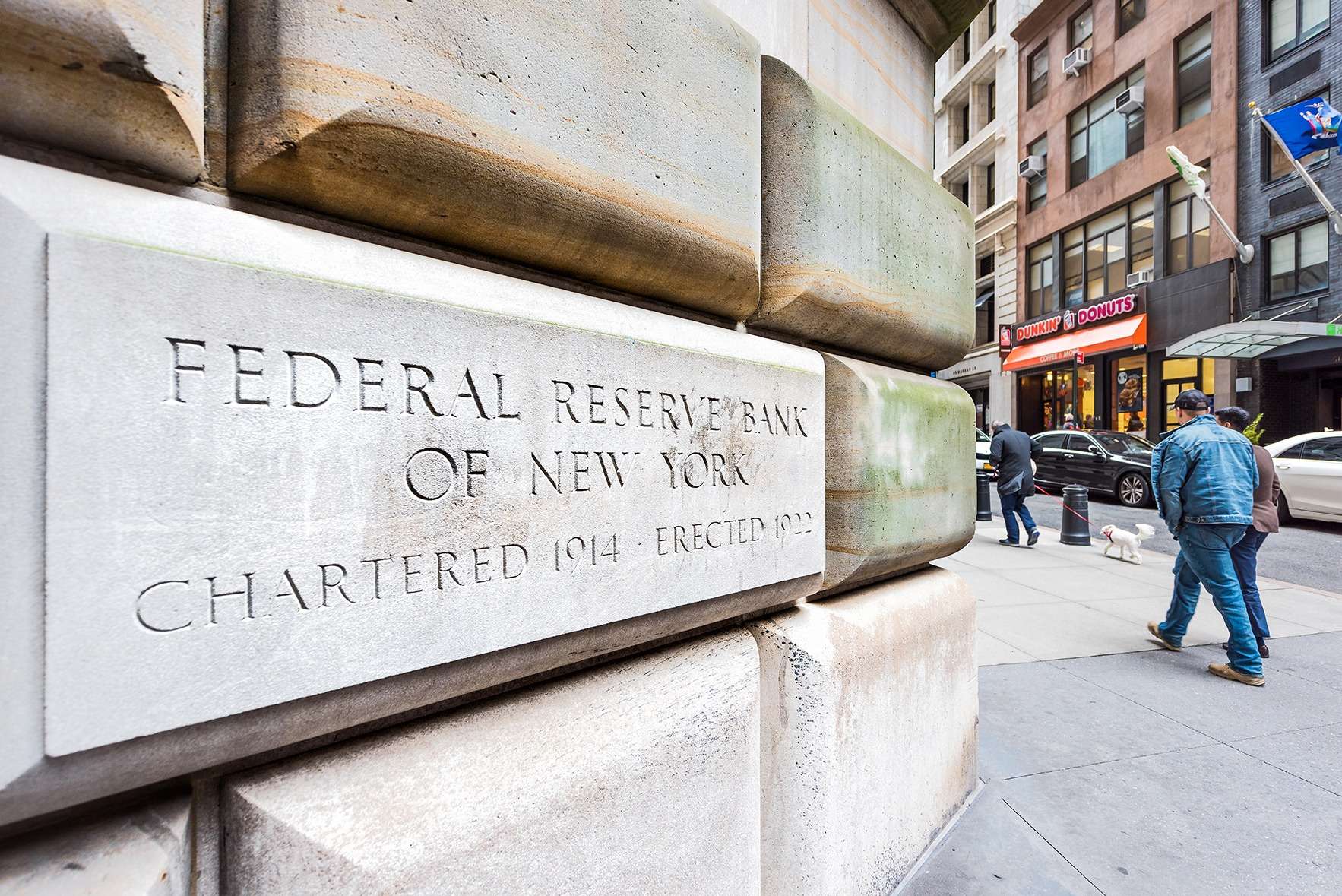
Central Banks in the United States, including Citi, BNY Mellon, and Wells Fargo, have partnered with the NY Fed to conduct a 12-week pilot program on CBDC. In the pilot study, these banks will issue tokens and settle transactions through simulated Central Bank reserves.
On November 15, NY’s Federal Reserve Bank announced that it would launch a three-month pilot study in collaboration with other central banks in the country. According to the New York Institute of Credit, the pilot study aimed to assess the feasibility of an interoperable network linking the Central Bank’s total sale of digital money and commercial banks’ digital money, operating on a shared multi-entity distributed ledger within a regulated liability network.
NYIC director Von Zelowitz said the organisation was happy to work with central banks across the country to conduct this pilot program. He added that researching asset Tokenisation and future financial markets was vital, given that money and banking systems are constantly evolving.
The pilot study is a proof-of-concept program designed to test the technical viability, legal capability, and business applicability of distributed ledger technology. The project is also intended to simulate tokens and explore various regulatory structures. Von also mentioned the likelihood of extending the project to other currencies and regulated Stablecoins.
Just before NYIC announced the launch of the pilot program, the centre released research on its wholesale central bank digital currency. Project Cedar, which was the first CBDC trial, aimed at testing whether the adoption of blockchain technology would;
- – Improve transaction speed.
- – Boost transaction speed.
- – Increase the ease of cross-border access to payments.
It is important to note that Federal regulators in the United States have yet to agree on launching a digital dollar. However, several agencies and private investors in the country have been exploring the possibility. Lawmakers in the United States have raised concerns about Congress’s role in enacting legislation to support the launch of CBDC. These concerns follow United States President Joe Biden’s executive order establishing a framework for regulating digital assets.
The pilot study announced by the NYIC director on Tuesday has a solid financial lineup. The move by NYIC to launch a three-month pilot study on Tokenisation and CBDC comes at a time when many central banks worldwide are considering launching digital versions of their currencies. An example of such a Bank is the Central Bank of India, which announced that it would conduct a wholesale CBDC pilot at the beginning of November. The Bank added that a retail version would closely follow the wholesale.
The first CBDC was introduced in Finland
It is important to note that CBDC is a concept that has been introduced previously. It has been around for almost 30 years. The first CBDC was introduced in Finland. The Finnish Central Bank launched the Avant smart card, a cash-like electronic payment card. Although it was launched in the 2000s, the Avant smart can be considered the first CBDC.
The Biden administration has shown a severe interest in adopting a digital dollar. Michelle Neal, the NY Fed’s market group head, announced at the beginning of November that a central bank digital currency could be invaluable, especially for boosting transaction speeds.
Image Source: Adobe Stock
Disclaimer: This article is provided for informational purposes only. It is not offered or intended to be used as legal, tax, investment, financial, or other advice.