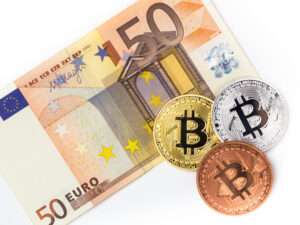


The introduction of the Markets in Crypto-Assets Regulation (MiCA) in Europe is a significant step toward protecting investors That said, there are still risks, especially when HNWIs engage with DeFi, NFTs, or sought-after international markets.
After MiCA officially took effect in December 2024 across Europe, it was widely seen as a much-needed framework for digital assets. It clarified how Stablecoins, centralized exchanges, and custodial service providers are handled. However, a loophole exists in the development of technologies such as DeFi, NFTs, and DAOs.
So, if you plan to invest significant amounts in crypto, mainly in other countries, learn these key points about MiCA.
1. DeFi and DAOs Are Outside MiCA — For Now
MiCA regulates custodial service providers, exchanges, and Stablecoin issuers, but does not apply to fully decentralised systems. Recital 22 of MiCA clearly states that protocols without intermediaries are not covered, yet it leaves the definition of “decentralised” open.
This grey area is especially relevant when investing in protocols like Aave, Uniswap, or Curve, where:
- – There’s no clear investor protection.
- – There’s no legal recourse in the event of an exploit.
- – MiCA can’t intervene if your funds are lost or hacked.
“MiCA does not regulate decentralised finance (DeFi). This remains an open frontier for both innovation and exposure.”
— European Securities and Markets Authority (ESMA) Public Report, 2024
Related Read: How MiCA Is Shaping Stablecoin and Custody Rules in Europe
2. DeFi Yields and Regulatory Ambiguity
- – Is the return considered income?
- – Does it involve unregistered securities?
- – What happens when protocols dissolve with no disclosures?
“For tax authorities, DeFi gains are fair game. Jurisdictional arbitrage is fading fast.”
— European Blockchain Observatory, 2025
3. NFTs: High Value, Zero Clarity – More Than Just Art, But Still Unregulated
While MiCA covers asset-referenced tokens and e-money tokens, NFTs are largely excluded. They become apparent when they’re fractionalized or used as financial instruments.
This opens a Pandora’s box for wealthy collectors and investors:
- – Using NFTs as loan collateral.
- – Tying NFT ownership to real-world assets (e.g., real estate).
- – Buying from offshore marketplaces with no KYC.
Without IP guarantees, custodianship requirements, or trading limits, you could be exposed to reputational or regulatory risk.
“Just because it’s digital art doesn’t mean it’s exempt from securities law.” — EU Legal Tech Forum 2025
Recommended Context: Will MiCA Make Europe Safer for Crypto Investors?
4. Cross-Border Exposure: Still Risky
MiCA harmonises rules within the EU, but does not protect European investors operating via DeFi DAOs in Singapore, NFT markets in the Bahamas, or tokenised gold projects in Dubai.
If something goes wrong outside MiCA’s legal reach, there’s no guaranteed path to recovery.
“Offshore activity is outside MiCA’s jurisdiction. If you move assets abroad, you move beyond its shield.”
— EU Commission Briefing, 2024
5. Institutional Adoption ≠ of Regulatory Safety
You might think that if a European bank, crypto fund, or prime broker uses a specific protocol, it must be compliant. But it is worth noting that most institutional players are still “testing the waters.”
Key questions to ask before allocating capital:
- – Is the protocol audited and legally incorporated?
- – Are governance mechanisms stress-tested?
- – Are there risk disclosures or enforceable contracts?
“Silence from institutions is not validation. It’s a warning to ask better questions.” — DNA Crypto Editorial Team.
Often, the answer is no. In DeFi, there is a thin line between innovation and exposure. And MiCA’s current scope isn’t sharp enough to catch the difference.
Final Thoughts: Regulation ≠ Immunity
MiCA lays a solid foundation—but it is not bulletproof, especially for investors beyond mainstream platforms. It does not cover DeFi, does not regulate most NFTs, and does not protect cross-border holdings.
Smart Investor Checklist:
- Vet every protocol, jurisdiction, and counterparty.
- Don’t assume MiCA coverage unless there’s an EU-based custodian or intermediary.
- Monitor regulatory updates in 2026, when the EU will reassess the definition of decentralisation.
Explore More:
- Sovereign Bitcoin Adoption: Where It Stands in 2025
- Bitcoin Reacts to Global Rate Cuts
- CBDCs vs. Bitcoin: Control or Autonomy?
Image Source: Adobe Stock
Disclaimer: This article is purely for informational purposes. It is not offered or intended to be used for legal, tax, investment, or financial advice.