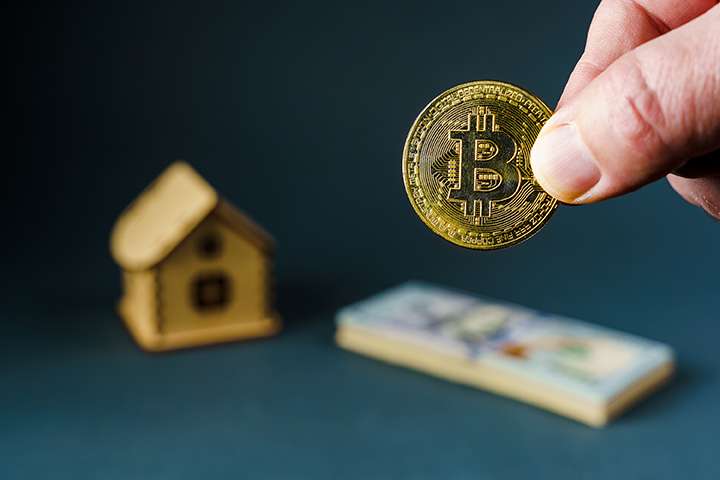


“Crises do not create new ideas. They decide which systems are allowed to continue.” DNA Crypto.
Why Innovation Is Misunderstood During Crises
After every major market shock, the same conclusion appears. Innovation failed. Technology disappointed. Markets overreached. History shows the opposite. Shocks do not eliminate innovation. They filter the infrastructure. They remove systems that relied on assumptions rather than resilience.
What Capital Demands After a Shock
When markets are calm, inefficiencies are tolerated. When stress arrives, tolerance disappears. Capital begins to demand:
- – Transparency instead of opacity
- – Faster settlement instead of delayed reconciliation
- – Fewer intermediaries instead of layered dependency
These are not ideological preferences. They are survival requirements. This shift is evident in how markets now price liquidity, as outlined in “Markets Price Liquidity.”
Why Legacy Systems Struggle Under Stress
Traditional financial infrastructure was built for stability assumptions that no longer hold. It relies on:
- – Backwards-looking risk models
- – Centralised control points
- – Delayed settlement and reporting
Under stress, these features amplify fragility. Liquidity disappears where it was assumed to exist. Access becomes conditional. Dependencies surface simultaneously. This pattern is explored in Bitcoin Liquidity Squeeze and The Real Counterparty Risk in Bitcoin Is Access.
Why Tokenisation Survives These Moments
Tokenisation does not promise immunity from shocks. It addresses the conditions that shocks expose. Tokenised systems:
- – Settle continuously rather than episodically
- – Show ownership transparently
- – Reduce hidden leverage and reconciliation gaps
These features matter precisely when markets are stressed, not when they are calm. This is why institutional interest accelerated first in tokenised cash and money-market structures, as discussed in Tokenised Money Market.
Innovation Does Not Need Hype to Win
Infrastructure rarely appears compelling during adoption. It looks procedural. Regulated. Operational. Tokenisation’s role is not to disrupt markets emotionally. It is to outperform under stress, as robust settlement systems replaced slower ones after previous crises. This capital-first framing aligns with Real World Asset Tokenisation.
Why Investors Feel Steadier Reading This
This is not a story about collapse. It is a story about selection. Market shocks force a decision. Which systems can operate honestly when assumptions fail? Those who cannot are quietly retired. Those who can become the new baseline.
The Pattern Repeats
Every major financial shock has produced the same outcome. Infrastructure that hides risk loses trust. Infrastructure that surfaces risk gains it. This is why Bitcoin and tokenised systems are increasingly treated as financial infrastructure rather than speculative assets, as described in Bitcoin as Financial Infrastructure.
A Grounded Conclusion
Market shocks do not kill innovation. They accelerate clarity. They reveal which systems warrant carrying capital forward and which were tolerated only because conditions were favourable. The future of markets will not be built by excitement. It will be built on an infrastructure that quietly withstands stress.
Relevant DNA Crypto Articles
- – Markets Price Liquidity
- – Bitcoin Liquidity Squeeze
- – The Real Counterparty Risk in Bitcoin Is Access
- – Tokenised Money Market
- – Real World Asset Tokenisation
- – Tokenised Real Estate and Frozen Capital
Image Source: Envato Stock
Disclaimer: This article is for informational purposes only and does not constitute investment, legal, or tax advice. Register today at DNACrypto.co