

“Bitcoin is decentralised. Your access probably isn’t.” DNA Crypto.
Volatility Is Visible. Dependency Is Not.
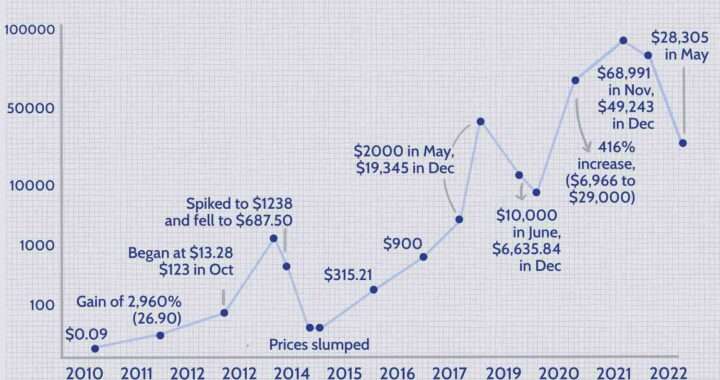
Bitcoin’s price moves are public, debated, and analysed daily. Volatility is measurable. It is modelled into portfolios. It is discussed openly.
Dependency risk is different.
Dependency risk hides inside wrappers, custodians, and access rails. It becomes visible only during stress.
We explored liquidity fragility in Bitcoin Liquidity Squeeze and, more directly, access risk in Bitcoin Access Risk.
The pattern is consistent. Markets do not fail because assets exist. They fail when access fails.
ETF Concentration and Wrapper Exposure
The adoption of Bitcoin ETFs has accelerated institutional participation. This is structural progress.
But ETFs introduce concentration dynamics.
Large volumes of Bitcoin exposure now sit within a relatively small number of custodial frameworks. That does not imply fragility. It does imply clustering.
ETF holders own exposure. Custodians control operational access.
As outlined in Bitcoin ETF vs Direct Ownership, the distinction between economic exposure and operational control becomes meaningful during stress.
This is not anti-ETF. It is structural awareness.
Custodian Clustering and Liquidity Bottlenecks
Institutional capital gravitates toward regulated custodians. That is rational.
However, clustering introduces:
- – Shared operational dependencies
- – Similar compliance escalation pathways
- – Common jurisdictional exposure
- – Liquidity routing through concentrated rails
During normal conditions, these frameworks operate efficiently. During systemic stress, bottlenecks emerge upstream, not on exchanges.
We examined how custody influences market structure in Custody Control and how operational resilience defines allocation in Institutional Bitcoin Custody.
Dependency risk is not about price. It is about pathways.
Liquidity Stress Exposes Access Fragility
Historically, market stress has revealed:
- – Withdrawal delays
- – Temporary platform halts
- – Enhanced due diligence freezes
- – Collateral lockups
These are not Bitcoin protocol failures. The network settles blocks consistently.
They are access layer events.
As discussed in Why Dependency, Not Volatility, Is the Biggest Financial Risk, dependency concentrates fragility.
Volatility is survivable. Inaccessibility is not.
What Operational Independence Looks Like
Serious allocators increasingly evaluate:
- – Legal segregation of assets
- – Multi-signature governance controls
- – Defined approval workflows
- – Cross-jurisdiction custody resilience
- – Disaster recovery frameworks
This progression mirrors the shift described in Bitcoin Custody and Continuity.
Operational independence does not mean isolation. It means diversified control pathways and structured governance.
Dependency decreases when governance increases.
Bitcoin’s Design vs Access Infrastructure
Bitcoin, the protocol, remains neutral:
- – No central issuer
- – No policy committee
- – No discretionary settlement gate
But institutional exposure to Bitcoin frequently depends on:
- – ETF providers
- – Centralised custodians
- – Exchange-based liquidity
- – Specific regulatory jurisdictions
The asset is decentralised. Access often is not.
That asymmetry will define the next crisis.
DNACrypto Positioning
DNACrypto approaches custody as access design rather than storage.
Through institutional-grade custody powered by BitGo, we prioritise:
- – Segregated client accounts
- – Multi-signature governance frameworks
- – Insurance-backed protection
- – Structured onboarding aligned with compliance standards
The objective is not volatility elimination. It is dependency reduction.
Custody is infrastructure. Infrastructure defines resilience.
Conclusion
Bitcoin’s volatility is measurable. Dependency risk is structural.
In the next period of market stress, price swings will attract headlines.
Access constraints will determine outcomes.
Dependency, not volatility, will define the next crisis.
Relevant DNACrypto Articles
- – Bitcoin ETF vs Direct Ownership
- – Bitcoin Access Risk
- – Bitcoin Custody and Continuity
- – Institutional Bitcoin Allocation
- – Who Can Be Trusted With Bitcoin
Image Source: Adobe Stock
Disclaimer: This article is for informational purposes only and does not constitute financial, legal, or investment advice.
Register today at DNACrypto.co